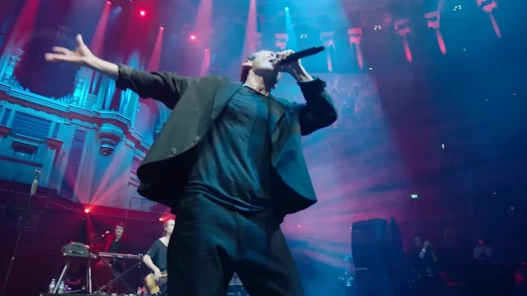
When Russia started its full scale invasion of Ukraine in 2022, Slava Vakarchuk immediately joined the army. He is the lead singer of Ukraine's most popular rock band, Okean Elzy. He has put himself in danger by performing hundreds of times for the troops at the front, and is an articulate and highly respected advocate for his country's right to exist. President Zelensky gave him and his band a new mission - a world tour to champion Ukrainian culture and raise the morale of refugees living abroad. The band's performance at their sell-out concert at the UK's Royal Albert Hall acts as the spine of the film.
The band was formed on the dawn of independence, and their songs have become anthems of pro-democracy revolutions ever since since. The film charts the band's 30-year history with contributions from a varied group, including Timothy Snyder, Andriy Shevchenko and music producer Ken Nelson, all to tell the story of how 'soft power' can be used as a weapon of self-defence.
BARE is a coming-of-age survival story set in the shadows of London. After running away as a teenager, Sophie finds herself living on the streets, navigating a world shaped by danger, loss and invisibility. Amid the darkness, she discovers a fragile sense of belonging - a chosen family whose connection becomes her lifeline. What begins as a fight to survive becomes a journey of resilience and self-discovery, as Sophie learns that even in the harshest places, community can be a source of light. BARE is an empowering true story about endurance, identity and finding hope where it is least expected.
Following a devastating breakup, Marianne escapes London with her closest friends in search of healing. What begins as an intimate portrait of grief and female friendship gradually gives way to something far older and more dangerous, as the women become entangled with an ancient witch who endured violence that echoes Marianne's own trauma and betrayal.
As folklore begins to bleed into reality, repressed desire, resentment and rage surface with terrifying consequences. Caught between possession and liberation, Marianne must face the darkness she has repressed.
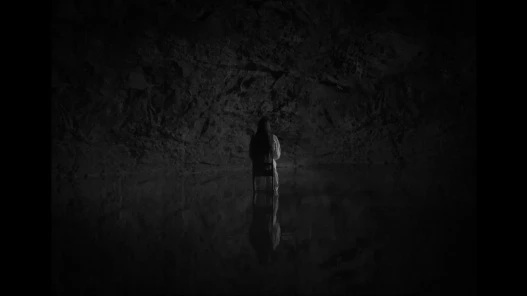
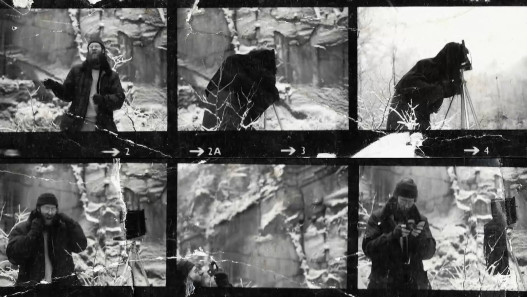
EDGE IS EVERYTHING is a love letter to photography and to the art of truly seeing. For over 30 years, Thomas Joshua Cooper has photographed the furthest edges of land with a 19th century camera. His work bears witness to landscapes transformed by climate change while recovering forgotten histories of migration, exploration and departure.
Cooper draws on his Native American heritage and an extraordinary archive of audio interviews he recorded in the 1970s with photography’s most influential figures, including Ansel Adams, Man Ray, Imogen Cunningham and Paul Strand. These previously unheard tapes create a rare intergenerational conversation about photography and artistic practice.
The film also examines the cost of an uncompromising creative life. His wife and adult daughter reveal the impact of his prolonged absences and challenge the mythology of the solitary artist.
At a time defined by speed, distraction and instant images, Edge is Everything asks what might happen if we slowed down long enough to fully observe. This question has guided Cooper since childhood, when he was taught by his Native American elders: “Each of us has an eye that sees and a seeing eye. When you learn which is which, you will have begun to become human.”
Following the director, Beryl Richards's adopted son Nathan/Joe’s journey from a one-year-old to adulthood, told from the viewpoints of parent and child.
Joe wants to make this film so people ‘get’ him, know what it means to be neurodivergent, and what he has been able to achieve despite many challenges. Beryl shows the evolution of a family created from scratch that’s had to keep adapting. The challenge and recalibration of being a parent and a lifetime carer.
The core of the story is told through 28 years of home movie footage- sparky, warm and funny as Nathan/Joe develops into the man he is today. Alongside, a growing boy is shown, much misunderstood and almost destroyed by the prejudice and ignorance surrounding neurodivergence. The family therapy received along the way offers some support, but also reveals how the family dynamic was influenced by Beryl’s own experience of childhood neglect.
Beryl first saw 6-month-old Nathan on a VHS tape. She and husband Dave responded with a video welcoming him to their home. For the past 28 years Beryl has recorded “our feelings, our joy and our pain" so that Nathan could better understand his story later in life.
When filmmaker Lilyana Torres learns that her grandfather hired hitmen to nearly kill her father, she sets out to confront him in Tamaulipas, Mexico, and force an apology.
The attack left her father with cracked ribs, a broken nose, and loose teeth. Its architect was his own father. Like much of Lilyana’s family history, nobody spoke of it again. So she begins planning his murder.
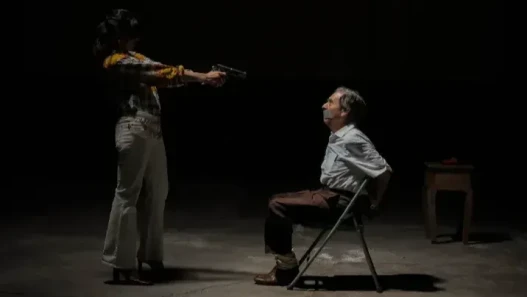
In darkly comic fictional reenactments, Lilyana trains for revenge with the help of a retired detective. Some methods are efficient, others grotesque, all adapted to an ageing man. Against these fantasies, family home videos reveal a more unsettling contradiction: birthday parties, tenderness, and a grandfather who once appeared devoted to his son and granddaughter. How could a parent put their own child’s life at risk?
Before Lilyana reaches him, her grandfather dies peacefully in bed, taking every explanation with him. Determined to complete the film, she casts an actor named Perfecto to play him and kills him on screen, again and again. But the performance exposes the question she cannot escape: what does revenge actually resolve?
Lilyana confronts the possibility that the violence she wants to destroy may already live inside her.
An intimate journey through the storied careers and private lives of Lois Weaver and Peggy Shaw, the visionary founders of Split Britches.
Through behind-the-scenes footage, exclusive interviews, and a deep dive into their most influential performances, we uncover how Split Britches have transformed discussions around gender, identity, and the role of performance in political activism. Throughout this journey we also uncover the real love story behind their life’s work - a universal tale of support, trial and tribulation.
Shot on location in both Upstate New York and New York City LOIS AND PEGGY reveals the essential domestic side of this iconic performance duo and lays bare the complexities of two artists juggling their work and their relationship simultaneously. Showcasing the depth, complexity, and universality of love, this documentary makes a valuable contribution to the cultural and historical legacy of LGBTQ+ communities - capturing and preserving the experiences of love and relationships within a context that has often been marginalized or erased from history.
Captured as an elephant calf, Mangal encounters both love and loss as he is made to join the world of humans. Transported from one place to another, changing hands, he ultimately becomes a revered deity worshipped as God, yet tied in chains, until he decides to break free.
A chance visit at a historic murder/ suicide location in Manhattan inexplicably draws a film producer into the crime and inner world of the murderer, American visionary poet and sun mystic Harry Crosby. As her research spirals into obsession, her grip on reality frays, culminating in a harrowing burnout- until she discovers a shocking personal link to the killer.
An original and emotional film dealing with the surreal nature of art and trauma.