
Villanelle for Elizabeth not Ophelia
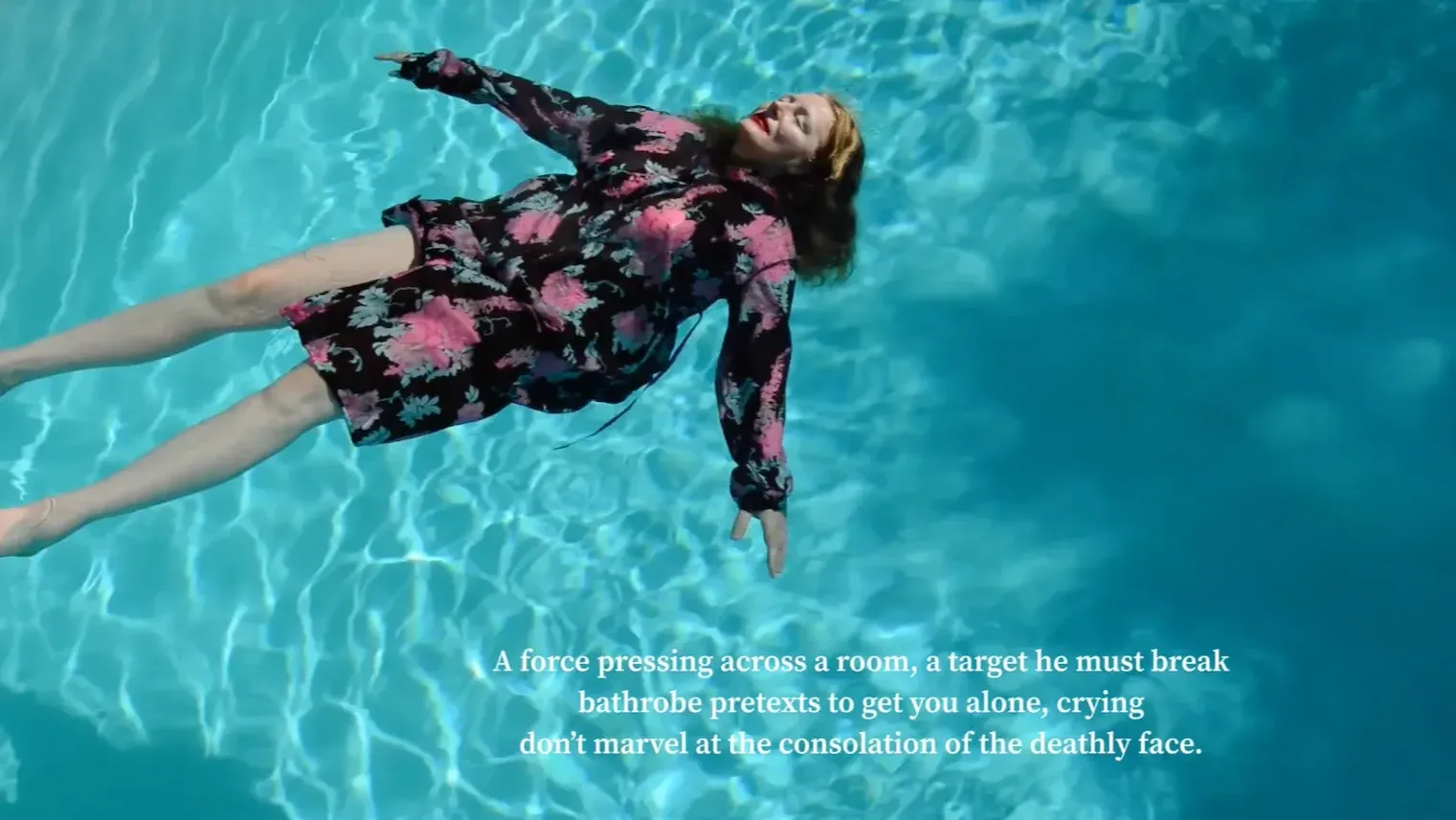
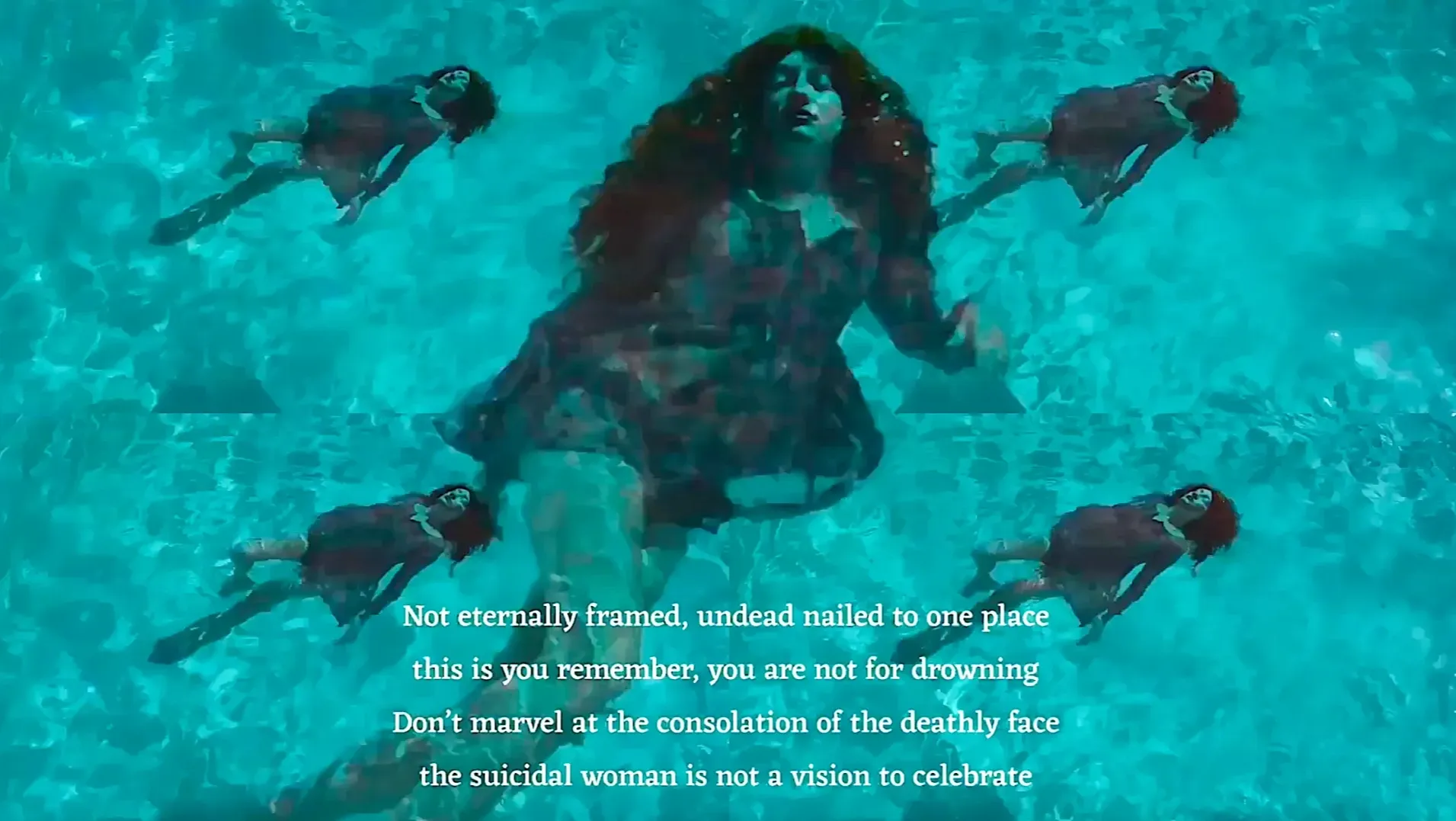
Synopsis
Details
- Year
- 2022
- Type of project
- Shorts
- Running time
- 5 min 52 sec
- Format
- digital
- Director
-
Sarah Tremlett
- Producer
- Sarah Tremlett
- Editor
- James Symonds and Sarah Tremlett
- Screenwriter
- Sarah Tremlett
- Director of Photography
- Sarah Tremlett
- Sound
- Anna Mayilyan singer; 'Sirt im Sassani' (My Heart Trembles with Fear) 13th century Armenian liturgical chant
- Composer
- harmonised by: Komitas, arranger Daniel Yerajisht
- Principal cast
- Sarah Tremlett, XaiLA (Hatti Rees), Georgie Rees
Categories
Production Status
Production Company
Page updates
This page was last updated on 14th October 2026. Please let us know if we need to make any amendments or request edit access by clicking below.
See also
You may also be interested in other relevant projects in the database.
 Nocturne for a Lighterman
Director: Sarah Tremlett
Year: 2025
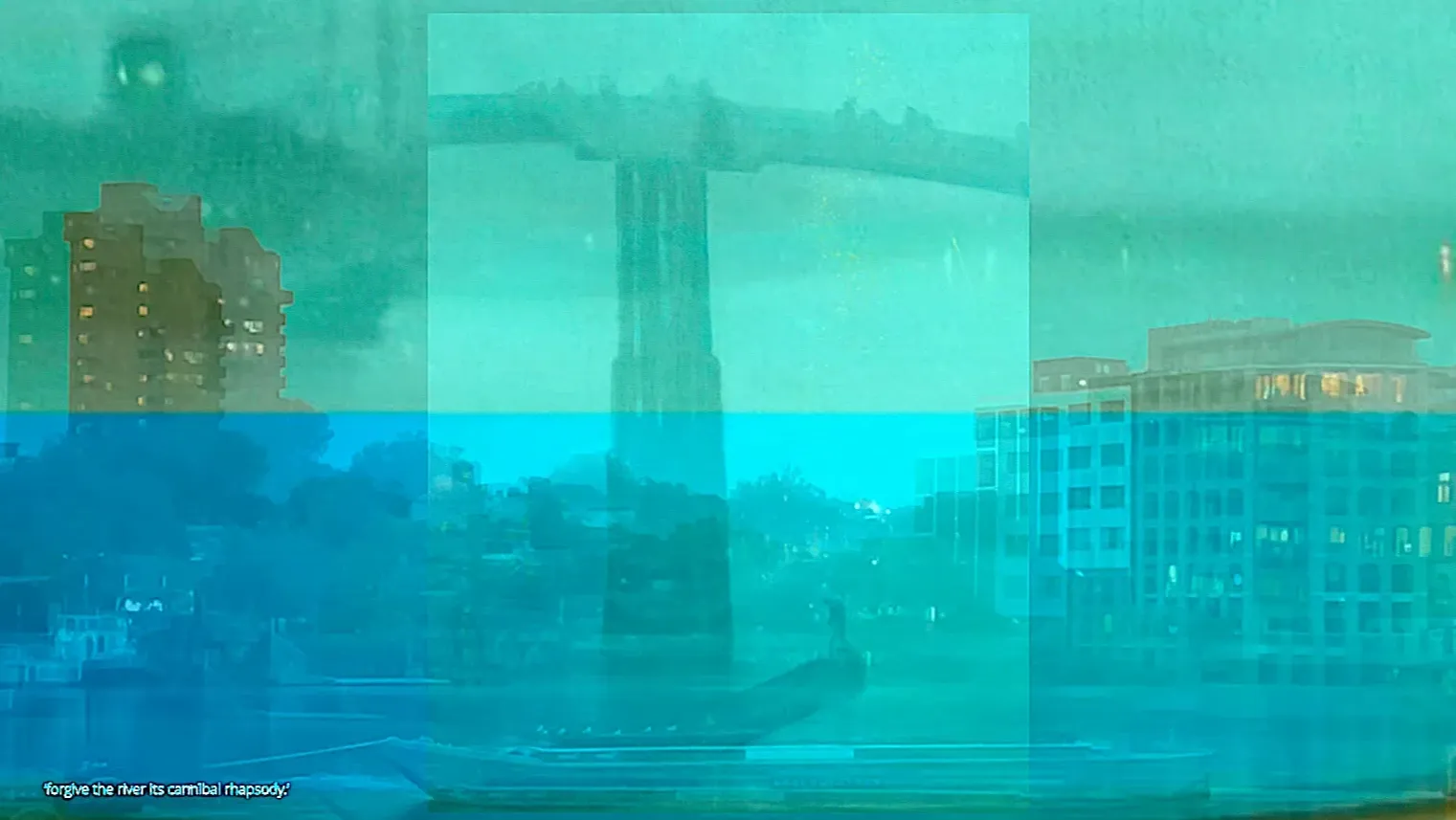
Dark undercurrents interact in the lives of Victorian artist – James McNeill Whistler – and a bargeman (one of poetry filmmaker Sarah Tremlett’s ancestors) on the River Thames in London. Based on Whistler’s painting Nocturne in Blue and Gold, Old Battersea Bridge, the poem is written in neo-symbolist mode and the contemporary footage is of the same view as the original. The soundscape by leading Belgian composer Marc Neys, though not inspired by Debussy, evolved from Tremlett’s fascination with his repetitive musical phrases, and his friendship with Whistler. Nocturne for a Lighterman is taken from TREE, a forthcoming family history chronicle by Sarah Tremlett, and is an experiment with painting with film.
 Babamamadada
Director: Sarah Tremlett
Year: 2000
We follow the ups and downs of a toddler's day, alternating between the baby's point of view and that of the harassed, unseen mother.
 A Season in Secret
Director: Matthew Berka
Year: 2027
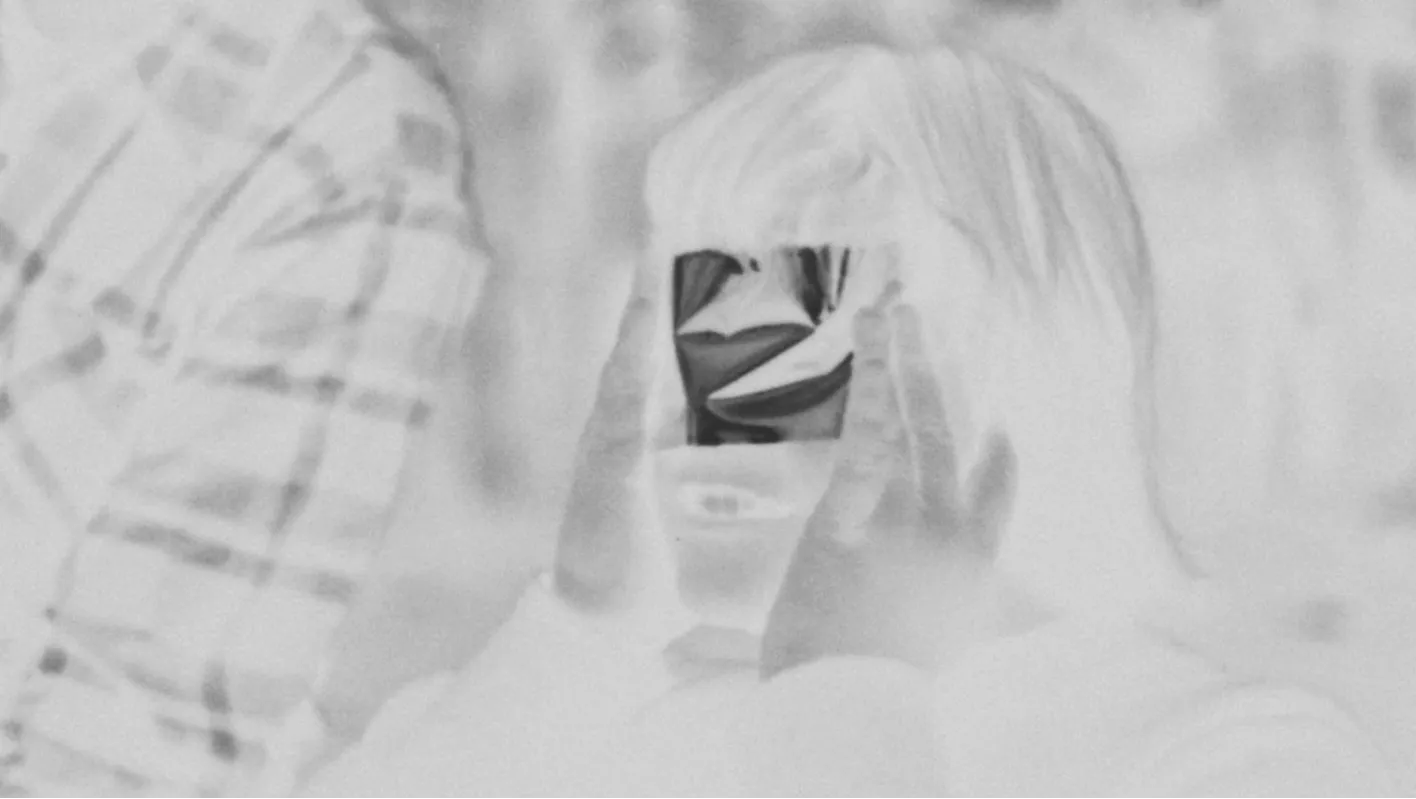
A SEASON IN SECRET brings together material both close at hand and far away. It is a meditation on things glimpsed at a distance and the limits of perception. What lies behind the screen is hidden and may only be hinted at through the language of visible images and sounds. The film takes some of its cues from the Japanese aesthetic concept of Yūgen, described in part by the 15th-century aesthetician Zeami Motokiyo: “...to stand upon the shore and gaze after a boat that disappears behind distant islands.”