Fresh out of university and brimming with optimism, Lucy and Sean begin their civil service placements at Belfast City Council, only to find themselves thrust into chaos when a bizarre gastrointestinal epidemic - dubbed "Code Brown" - strikes the city. As nappies become black-market currency and the council descends into disarray, the duo stumbles upon a conspiracy involving illegal sewage dumping and a corrupt councillor lining his pockets. What began as mundane office work spirals into a frantic investigation filled with stool samples, shady contracts, and a very suspicious boat.
With Belfast quite literally in the shit, it’s not the bureaucrats who save the day, but its citizens. From disinfectant-wielding grannies to paramedics in DIY hazmat suits, the community rallies with resilience and absurdity.
In a climactic council showdown - punctuated by an explosive display from local wildlife... - Lucy and Sean expose the scandal, becoming unlikely heroes. The film ends with a messy but heartwarming celebration of civic pride, teamwork, and a city that proves it can weather any storm…even a tidal wave of diarrhea.
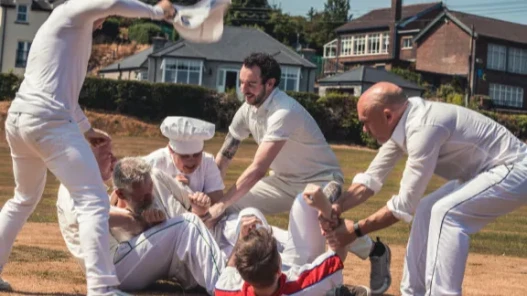
Allie Clarke is a twenty-something office clerk who is failing an interview for a Team Leader role. Outside of work, he decides to start a cricket team to keep his friends out of trouble over the summer. He recruits colleagues and boys from football who he doesn’t necessarily get on with. This all takes place against the backdrop of parades and protests and what seems like an inability for the older members of the various communities to move on from the past.
Allie is also being terrorised by a loose cannon detective called Spesh who will go to any lengths to save his own back including illegal interrogation techniques. The team struggle from one game to the next, arguing with each other but steadily improving. The season culminates with a game against Spesh and the police. Allie defeats a different sort of interrogation and exposes Spesh for the coward he is. Allie is interviewed again for the Team Leader role and this time gets the job drawing on the experience he has gained since the last interview.
George Best was one of the greatest footballers who ever lived. But he was so much more than that. Although the football pitch was his arena, Best was essentially a pop star - young, stylish, strikingly beautiful, possessed of a creative confidence that bordered on arrogance, and worshipped by young men and women alike. Like The Beatles and The Rolling Stones.
This film is simultaneously a celebration of a genius and an exploration of the demons that brought him down. We all know how these biopics traditionally work: in this case a talented but innocent young man from the backstreets of a divided but still pre-Troubles Belfast, becomes a star. But his time at the top is agonizingly short: a family history of alcoholism doesn’t help, in those pre-drug Sixties everyone wanted to buy him a drink, and before he was thirty, he was a washed up drunk.
But we’re taking the Benjamin Button approach here. No-one wants to go out on a downer, with the end card telling us how many hundreds of thousands lined the streets of his home town to bid him farewell, along with the millions watching on live television.
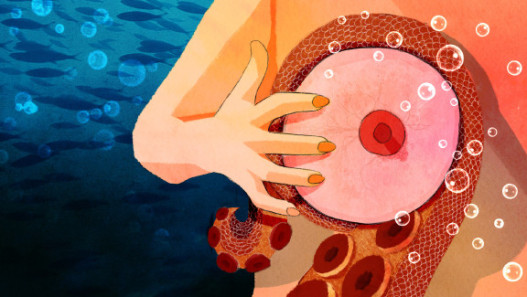
Lollipop (the sweet sounding name of a mastectomy scar) explores the creator’s surreal odyssey of tackling breast cancer. Twice. Her avatar, Eva, slips into youthful memories of seaside attractions and sunshine, which morph into something dark and corporeal as she juggles family life and illness.
The film is in development with the BFI and NI Screen.