
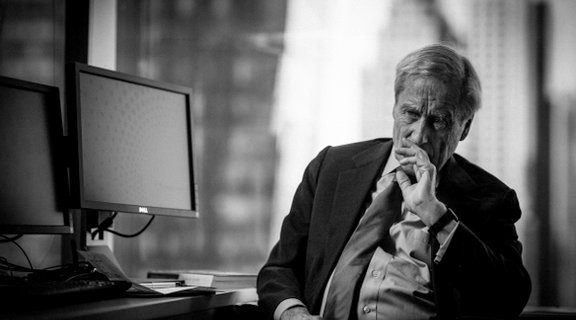
Attacking The Devil: Harold Evans and the Last Nazi War Crime
Synopsis
Sheffield Doc/Fest 2014 - World premiere
Details
- Year
- 2014
- Type of project
- Features
- Running time
- 100 mins
- Format
- Digital
- Director
-
Jacqui Morris, David Morris
- Producer
- Jacqui Morris
- Executive Producer
- Steve Milne, Rankin
- Editor
- David Fairhead
- Director of Photography
- Clive Booth
- Composer
- Alex Baronowski
- Principal cast
- Harold Evans
Categories
Production Status
Production Company
Frith Street Films
50 Frith StreetLondon
W1D 4SQ
Sales Company
Frith Street Films
50 Frith StreetLondon
W1D 4SQ
Page updates
This page was last updated on 12th May 2025. Please let us know if we need to make any amendments or request edit access by clicking below.
See also
You may also be interested in other relevant projects in the database.
 Shooting With Music
Director: Jacqui Morris, David Morris
Year: 2026
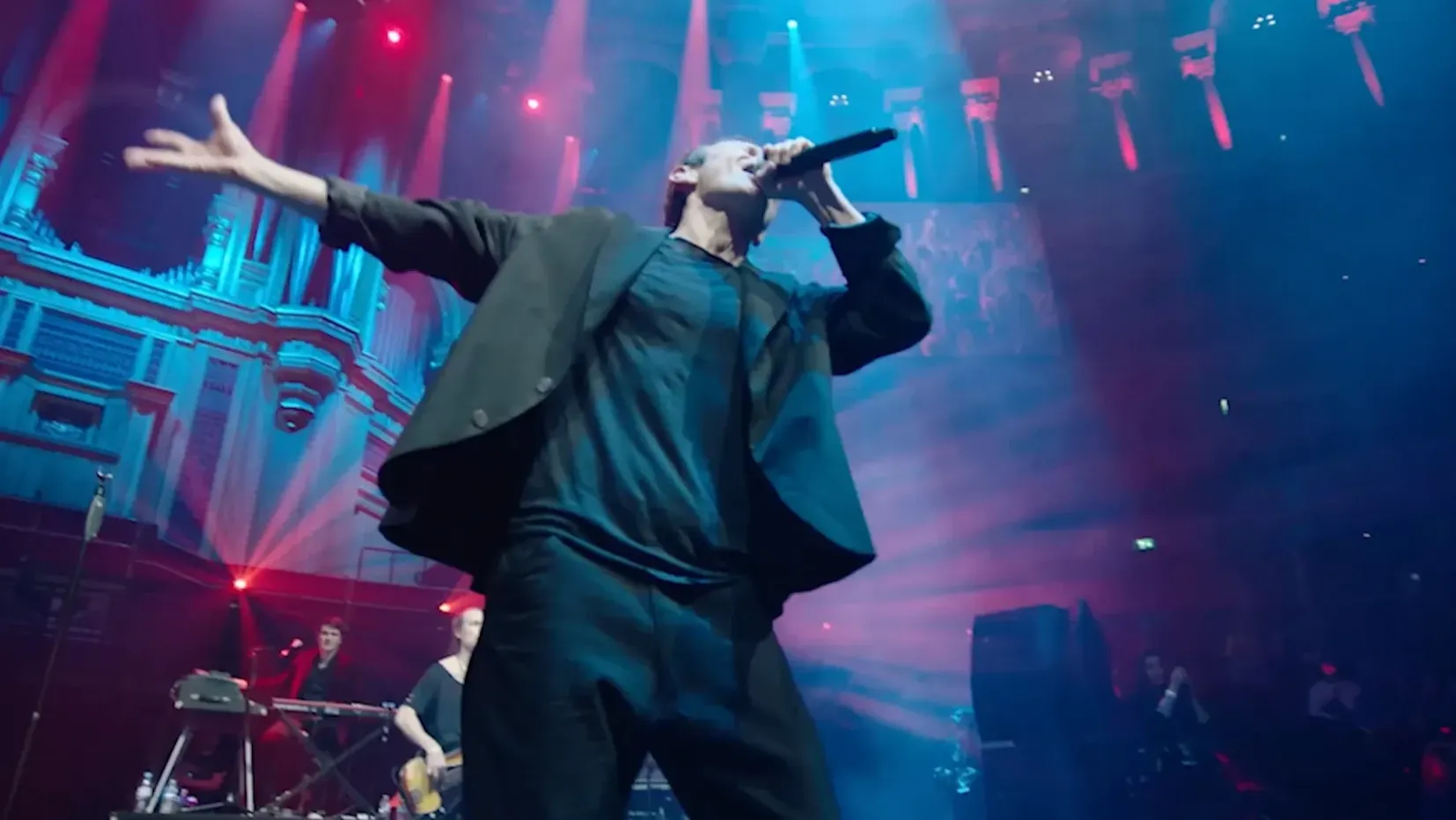
When Russia started its full scale invasion of Ukraine in 2022, Slava Vakarchuk immediately joined the army. He is the lead singer of Ukraine's most popular rock band, Okean Elzy. He has put himself in danger by performing hundreds of times for the troops at the front, and is an articulate and highly respected advocate for his country's right to exist. President Zelensky gave him and his band a new mission - a world tour to champion Ukrainian culture and raise the morale of refugees living abroad. The band's performance at their sell-out concert at the UK's Royal Albert Hall acts as the spine of the film. The band was formed on the dawn of independence, and their songs have become anthems of pro-democracy revolutions ever since since. The film charts the band's 30-year history with contributions from a varied group, including Timothy Snyder, Andriy Shevchenko and music producer Ken Nelson, all to tell the story of how 'soft power' can be used as a weapon of self-defence.
 A Christmas Carol
Director: Jacqui Morris, David Morris
Year: 2020
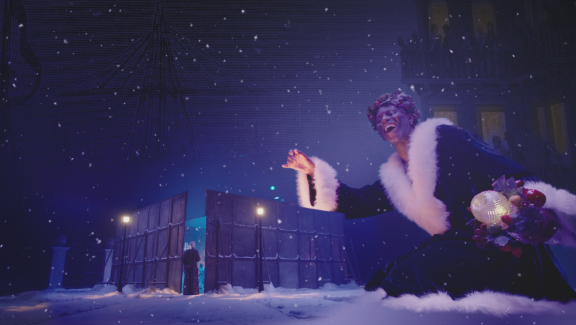
A reinvention of Charles Dickens’ A Christmas Carol. The radical new take on Dickens’ classic seeks both to exhume the original story’s gritty commentary on social inequality and the corrupting influence of greed, and to breathe new life into the lyricism of the original text by setting its scenes to extraordinary tableaux of modern dance. The opening scenes of the film follow a Victorian family preparing a toy theatre for their annual performance of 'A Christmas Carol'. As the family's grandmother narrates the much-edited story and her grandchildren change the scenery, we enter the imagination of one of the children in the audience and watch as the cardboard stage, and the story with it, transforms into a darkly fantastical otherworld.
 McCullin
Director: Jacqui Morris, David Morris
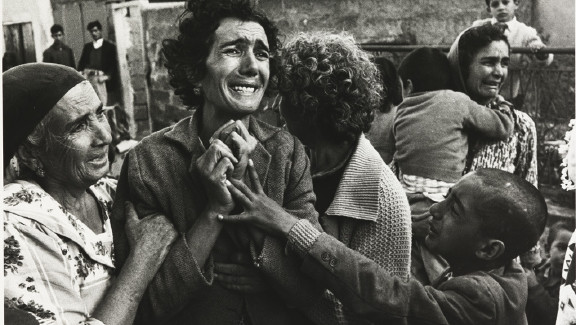
Year: 2012
Unprecedented access to the twentieth century's most revered war photographer. Don McCullin worked for The Sunday Times from 1969 to 1984, at a time where, under the editorship of Harold Evans, the newspaper was widely recognized as being at the cutting-edge of world journalism, with Don as its star photographer. During that period he covered wars and humanitarian disasters on virtually every continent and the prominence given to his photo essays coincided with one of the most remarkable periods in the history of photojournalism. With extensive input from Sir Harold Evans, McCullin not only explores Don’s life and work, but also how the ethos of journalism changed during his career. Using the Sunday Times as an example, it compares the strictly ‘hands off’ approach of proprietors like Lord Thompson, who took pride in the fact that he did not want commercial considerations to censor his editors’ from printing what they wanted, to how the newspaper’s independent character changed once it was taken over by Rupert Murdoch, and the pursuit of advertising revenue became paramount, and with it, the inevitable obsessed with fashion, status and celebrity.