
Bill Douglas My Best Friend
Synopsis
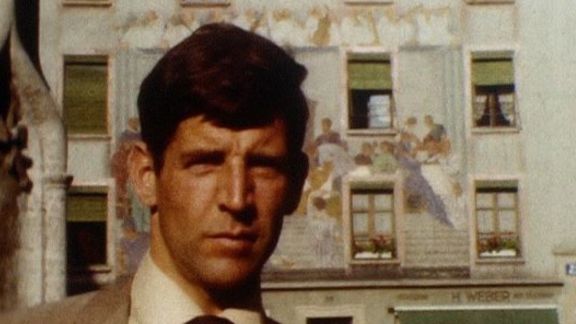
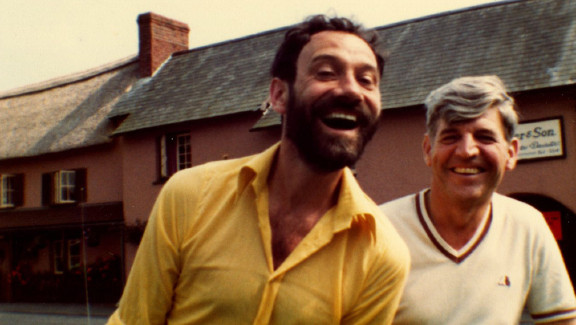
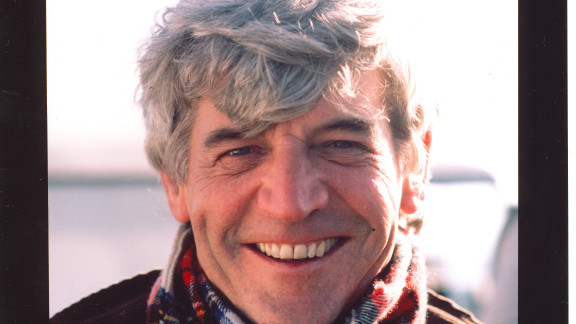
Bill Douglas was Scotland’s finest director, celebrated by the likes of Lynne Ramsay, Lenny Abrahamson, Satajit Ray and Yuliya Solntseva. In his short career he made four films: an autobiographical trilogy about his appalling childhood – MY CHILDHOOD, MY AIN FOLK, THE WAY HOME - and COMRADES, an epic about a momentous moment in English history. Every shot in these films is an art work and every sequence a poem. Bills life was turned around in the Egyptian desert when he met the man who would become his lifelong friend, Peter Jewell. The two men had very different backgrounds but they formed a unique bond that channelled a tremendous creative energy. In this film Peter reminisces about the life he shared with Bill in their tiny Soho flat filled with cinema memorabilia. Their shared love of the movies led them to start experimenting with an 8mm camera. Peter’s memories and musings about the legacy Bill left behind are illustrated with these never-before-seen short films.
Official Selection Venice International Film Festival 2023 - Venice Classics - World premiere
Details
- Year
- 2023
- Type of project
- Features
- Running time
- 78 min
- Format
- 2k
- Director
-
Jack Archer 1st Feature
- Producer
- John Archer
- Executive Producer
- Clara Glynn, Mark Thomas
- Editor
- James Alcock; Edit Assistant: Noora Lappalainen; Online Editor: Chas Chalmers
- Director of Photography
- Jack Archer; Additional Camera: Dan McKay, Jordan Sellers
- Sound
- Rob MacNeacail
- Composer
- Scott Twynholm
- Principal cast
- With contributions from: Peter Jewell, Brian Cox, Lynne Ramsay, Lenny Abrahamson, Dr. Phil Wickham
- Associate Producer
- Andy Kimpton-Nye
Categories
Production Status
Production Company
Hopscotch Films
John ArcherFilm City Glasgow
401 Govan Road
Glasgow
G51 2QJ
Page updates
This page was last updated on 12th May 2025. Please let us know if we need to make any amendments or request edit access by clicking below.
See also
You may also be interested in other relevant projects in the database.
 Hello You
Director: May Abdalla, Barry Gene Murphy
Year: 2026
Hello You is an autopsy of your reflection. This mirror has two sides: one that observes, and another that follows. Exploring stories of altered perception, from phantom limbs to the feeling of being a stranger in your own body, the experience stretches the split-second act of self-recognition into something you can watch unfold. Here you are asked not to look at yourself, but at the lenses through which you look.
 Not Punch and Judy: The Chronicle and Story of an Experiment in Emergent Practice
Director: Julia Fry
Year:
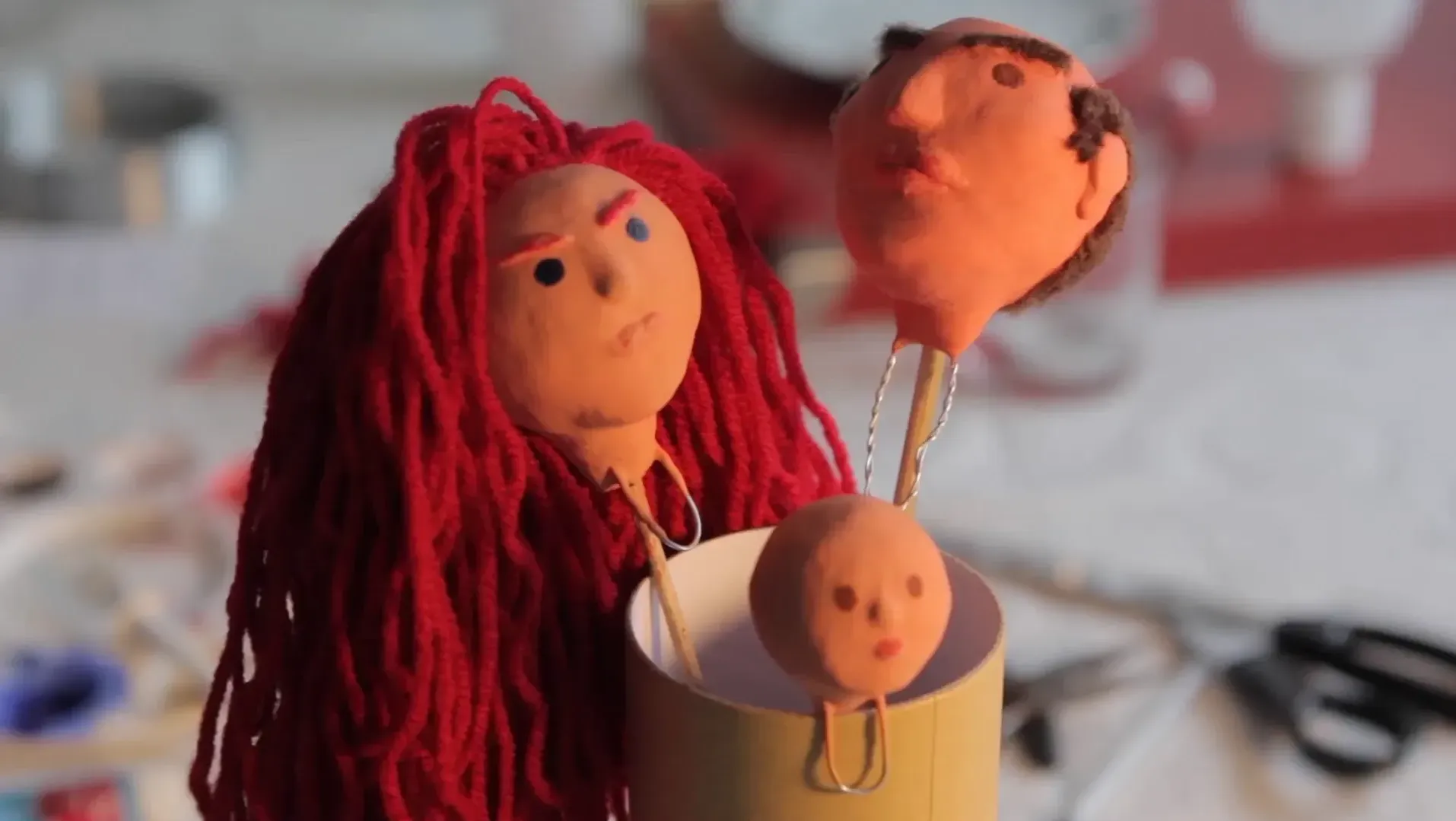
Using ideas from Carl Jung - exploring and accepting the inner world, Carolyn Abbate - analysis of dissonance to find the narrative voice - and Hilde Lindemann Nelson - using narrative to repair damaged identity, I filmed my process of creating puppets and recorded some of the thoughts that arose as I made them. I utilised emergent practice in the filmmaking, which meant letting go of preconceived ideas to let narrative arise in the moment. I wanted my puppets to unite, rather than fight in the traditional Punch and Judy manner.
 She Sings of Murder and Love
Director: Virginia Heath
Year: 2027
She Sings of Murder and Love is an anti-true-crime documentary, told as a musical through a feminist lens, a story like no other. An anti-true-crime documentary, told as a musical, an unapologetically feminist, cinematic portrayal of Irish singer-song writer, Keeley Moss. Every song Keeley writes and performs celebrates the life of, and demands justice for, Inga Maria Hauser, a young German backpacker, sexually assaulted and murdered in Northern Ireland in 1988. As the facts of Inga Maria's case migrate from Keeley's meticulous campaigning blog into her songs, the Director ‘investigates the investigator’. Capturing Keeley's fever dream of Inga Maria’s intense week of adolescent freedom, before she became a 'murder victim', we discover the unexpected, profound gifts that Inga Maria has rewarded Keeley's dedication with.