
Black Beauty
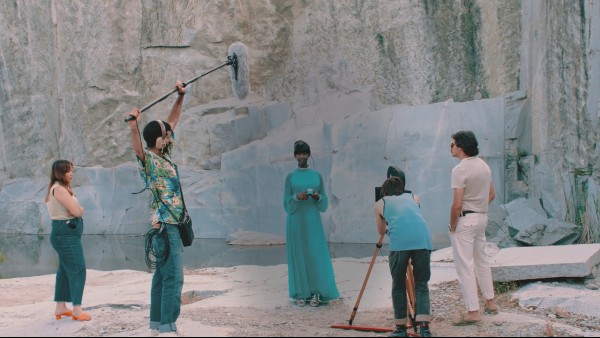
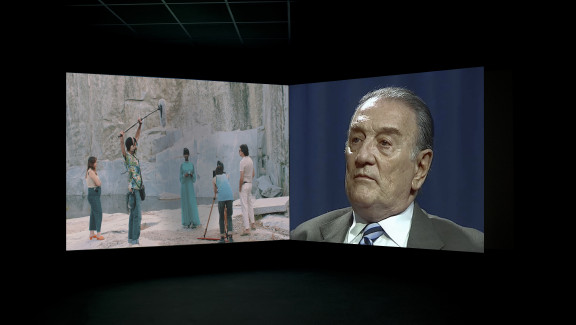
Synopsis
Official Selection Berlin International Film Festival 2021
Details
- Year
- 2021
- Type of project
- Shorts
- Running time
- 29 min
- Format
- 4K, Mini DV Pro
- Director
-
Grace Ndiritu
- Producer
- Julieta Juncadella
- Executive Producer
- Julieta Juncadella, Grace Ndiritu
- Editor
- José María Avilés
- Screenwriter
- Grace Ndiritu
- Director of Photography
- Pablo Paloma
- Production Designer
- Pigmento Studio
- Sound
- Martin Gabriel Scaglia
- Principal cast
- Aida Welle, Emilio Linder
- Commissioned by
- Artscouncil England; Kunstencentrum Vooruit, Belgium; Coventry Biennale of Contemporary Art and Nottingham Contemporary Arts Center
Categories
Production Status
Production Company
Post-hippie Productions
129 Birchfield RoadBirmingham
B19 1LH
Sales Company
Alice Lea
LUXWaterlow Park Centre
Dartmouth Park Hill
London
N19 5JF
Page updates
This page was last updated on 12th May 2025. Please let us know if we need to make any amendments or request edit access by clicking below.
See also
You may also be interested in other relevant projects in the database.
 Becoming Plant
Director: Grace Ndiritu
Year: 2022
BECOMING PLANT follows six dancers who participate in a therapeutic group experiment with psychedelics, while temporarily ‘living’ together on the demilitarised industrial site. While they are subjected to the plant’s consciousness and to each other’s presence, they perform a choreography, aligning their naked bodies with each other and with the architectural ruins. The film serves as a catalyst to discuss wider social and relational issues such as science, spirituality, psychiatry, healing, healthcare and the problems of collective depression and trauma resulting from living in the age of Late Capitalism. Featuring a specially composed soundtrack by London based electronic musician and visual artist Gaika.
 Matter of Britain
Director: Peter Treherne
Year: 2026
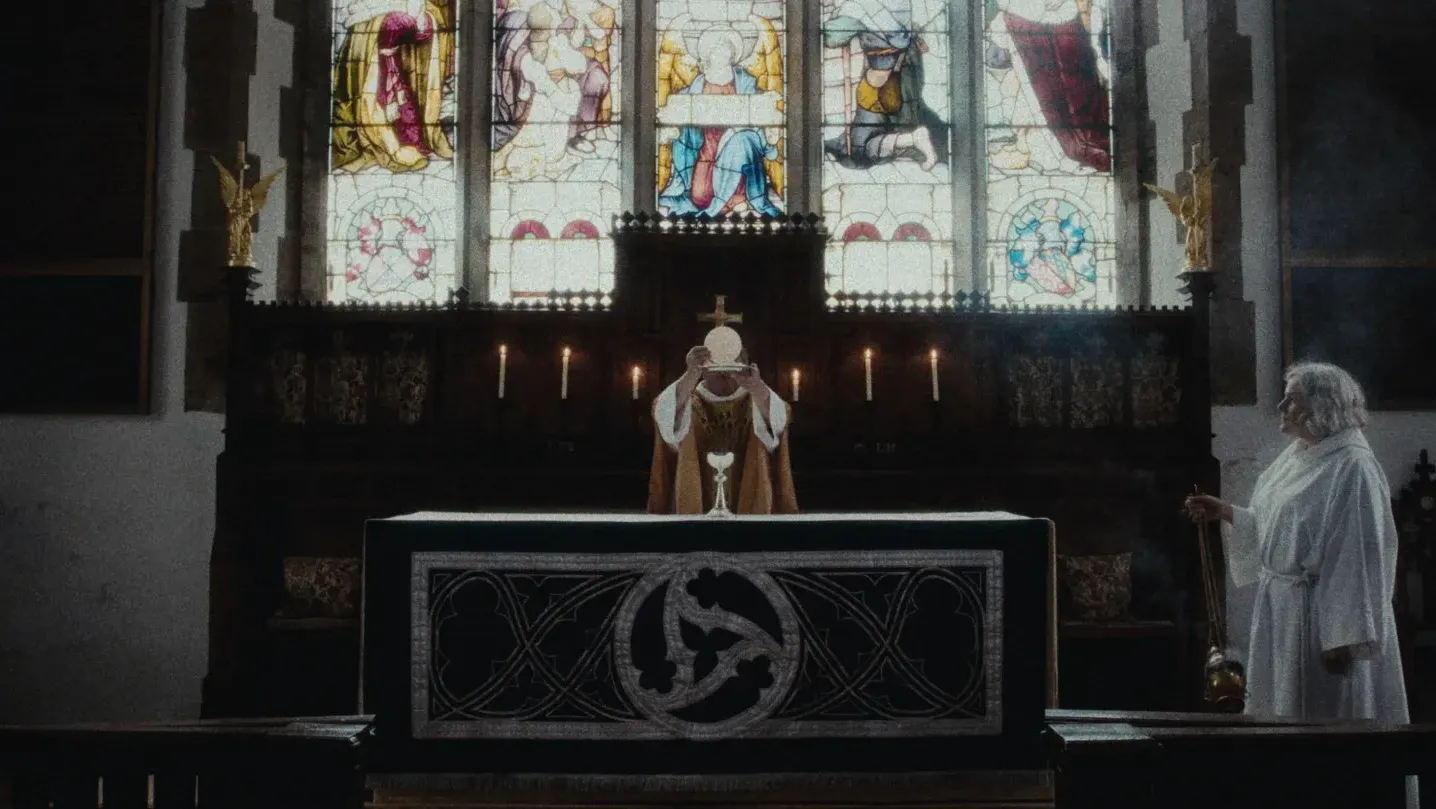
MATTER OF BRITAIN was an English country village’s performance of the Holy Grail myth. In that myth, King Arthur’s knights quest for the Holy Grail in order to heal their wasted land. The performance took place over 12 months from 2023 to 2024 in multiple locations across the parish of Mayfield, East Sussex. Over 300 members of the community took part as questing knights, angelic choirs, guiding anchorites and tempting devils. The performance was documented and subsequently made into an ethnographic fantasy that has screened at the Museum of Modern Art, CPH:DOX, Cinéma du Réel and Open City Documentary Film Festival. The work was supported by an Arts Council England Project Grant, the Lund Trust, High Weald AONB, East Sussex Arts Partnership, the University of Reading and the Museum of English Rural Life.
 Vanishing
Director: Mandy Williams
Year: 2023
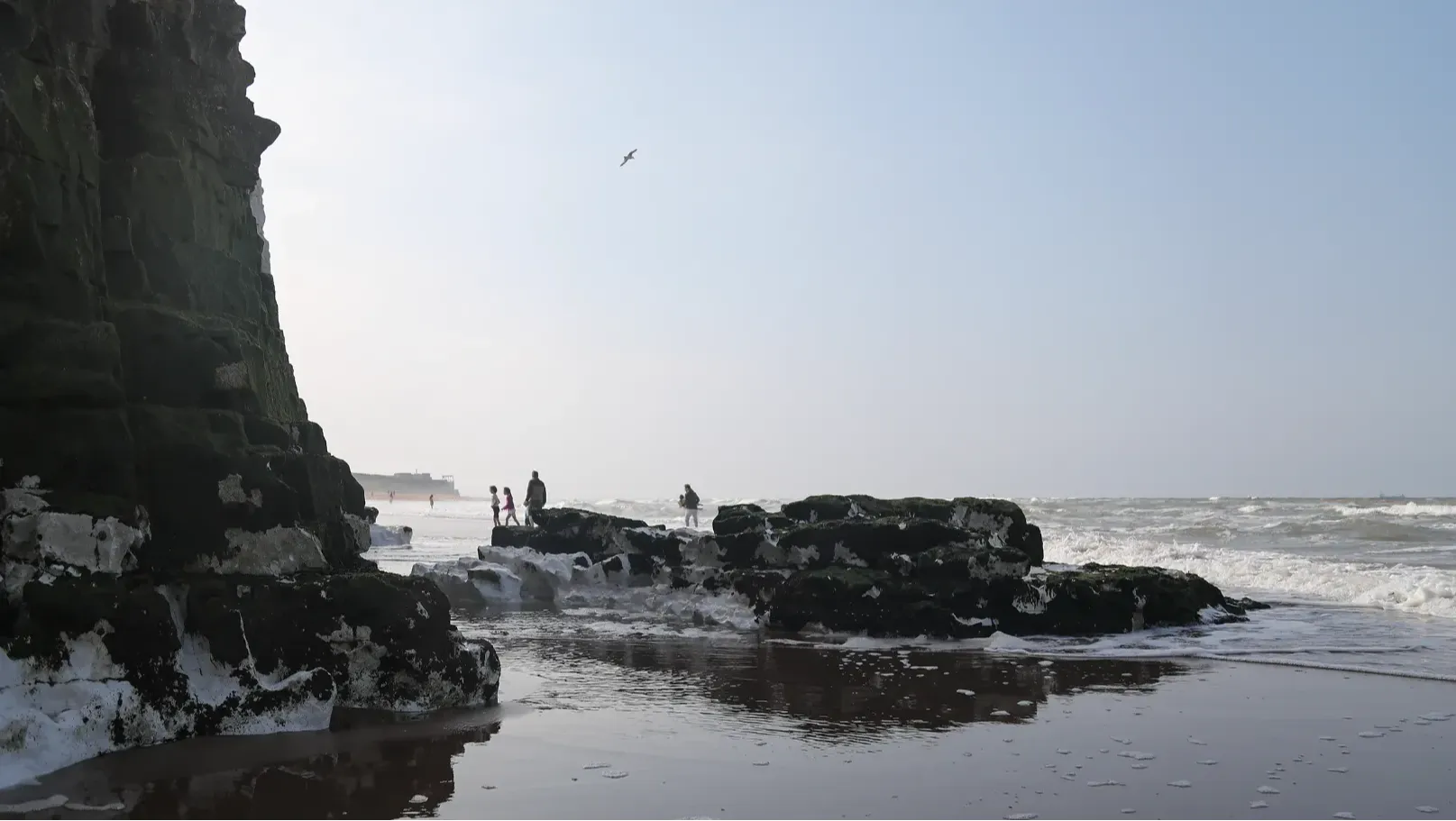
A six-minute experimental film about the climate crisis with a narration arranged in seven sequences. The themes of coastal erosion and rising sea levels emerge and submerge throughout the film, drawing on history as well as possible futures. The video's exploration of coastal erosion and the role of fossil fuels begins from a local south coast perspective, while highlighting the global crisis.