
Black Country - A Film From England
Synopsis
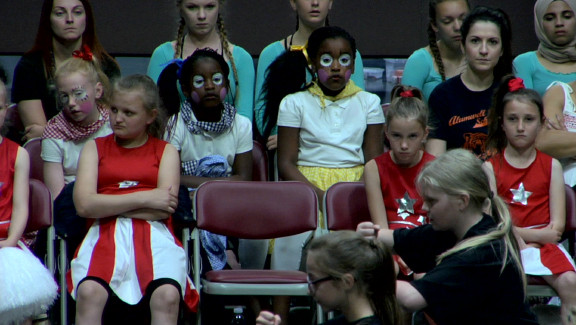
Mixing a combination of industrial archive footage, experimental sound design (wax cylinder recordings, player piano, distorted 78 RPM records), with stripped back austere camera compositions and mysterious, mundane and sometimes unsettling subjects, Black Country is a distorted postcard from a confused and increasingly indecipherable England.
Details
- Year
- 2019
- Type of project
- Features
- Running time
- 66 min 26 sec
- Format
- Digital 2K
- Director
-
Louis Price 1st Feature
- Producer
- Martin Wells
- Co-Producer
- John Bradburn
- Executive Producer
- James Collie
- Editor
- Francis Watson, Louis Price
- Screenwriter
- Louis Price
- Director of Photography
- Louis Price
- Sound
- Note Bleue
- Composer
- Note Bleue
- Principal cast
- Max Vann, Daniel Griffith
Genre
Production Status
Production Company
Violet Pictures
24 Thanet GardensFolkestone
CT19 6DF
Page updates
This page was last updated on 12th May 2025. Please let us know if we need to make any amendments or request edit access by clicking below.
See also
You may also be interested in other relevant projects in the database.
 Black Country - A Film From England
Director: Louis Price
Year: 2020
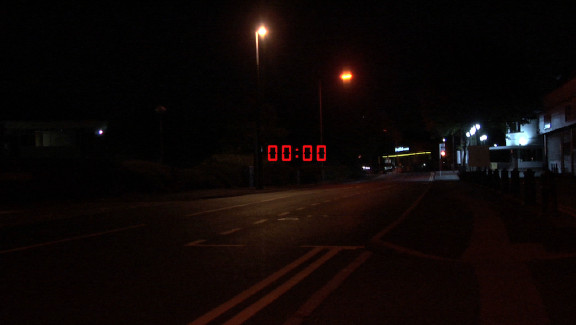
An atmospheric journey into the heart of modern England. Filmmaker Louis Price weaves together scenes of everyday life within the Black Country in the West Midlands. An area once so industrialised the sky appeared black during the day, and red during the night, today the Black Country is a place of ghosts, existing in the aftermath of its industrial past. BLACK COUNTRY - A FILM FROM ENGLAND takes place entirely in one day, observing crematoriums, night clubs, UKIP pubs, living rooms and Council Chambers with a hallucinatory eye that presents no easy answers, or neat narrative resolves. Mixing a combination of industrial archive footage, experimental sound design (wax cylinder recordings, player piano, distorted 78 RPM records), with stripped back austere camera compositions and mysterious, mundane and sometimes unsettling subjects, a distorted postcard from a confused and increasingly indecipherable England.
 Folk to Folk
Director: Saoirse Crean
Year: 2026
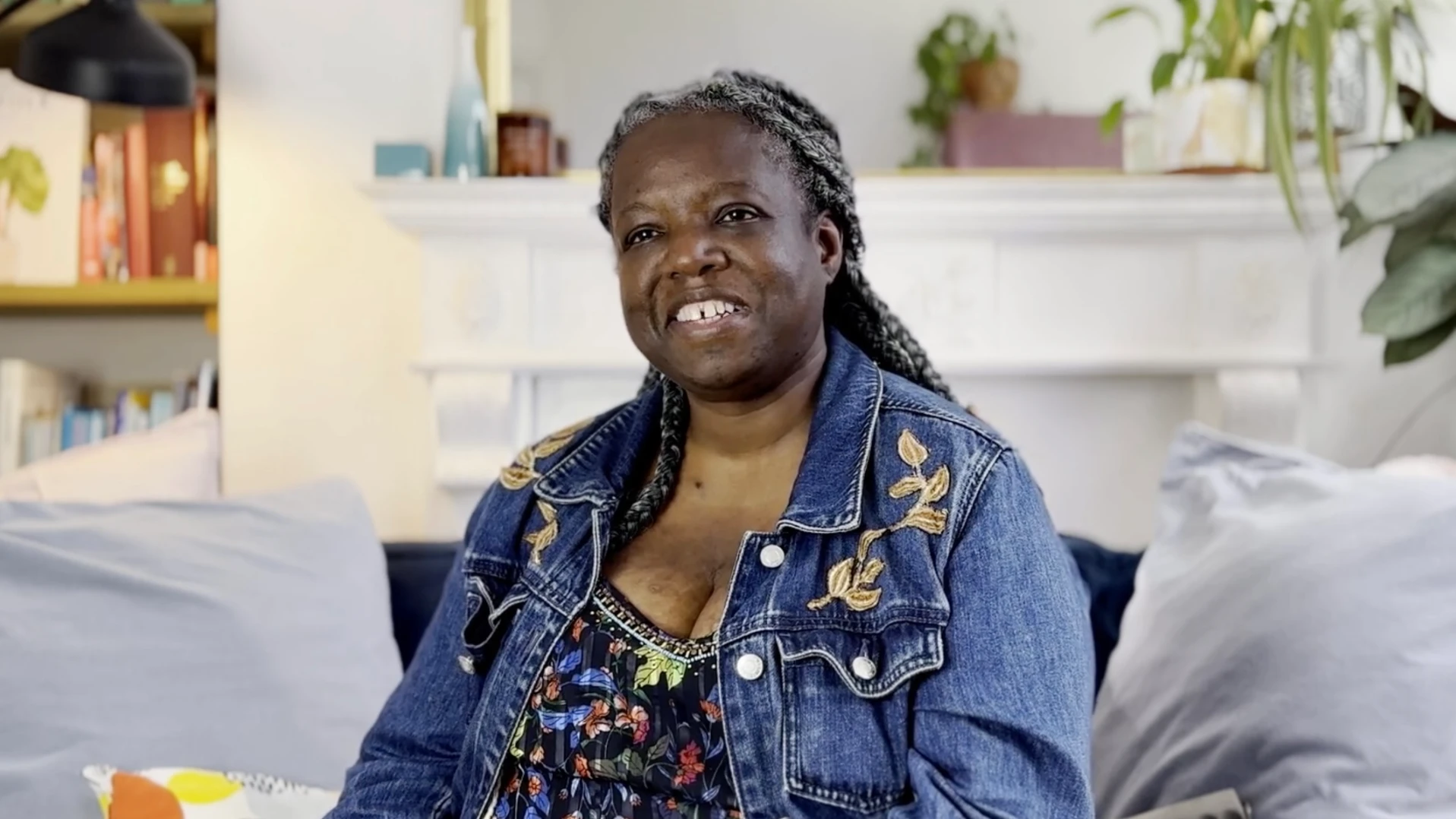
Led by renowned vocal coach Jennifer John, Folk to Folk follows a group of women in Liverpool who use traditional folk songs to build unexpected connections across cultures. As they learn and sing in Gaelic, Romansh, Boro and other languages, the sessions uncover shared themes that unite us. The songs rise like ghosts from the past, stirring memories, laughter and tears, and opening a safe space for the women to reflect together. “This project proves that music is a universal language. It allows us to feel, to be emotional, and when we do that together… that’s where the power lies” - Jennifer John
 Mystis
Director: Tatiana Collet Apraxine
Year: 2028
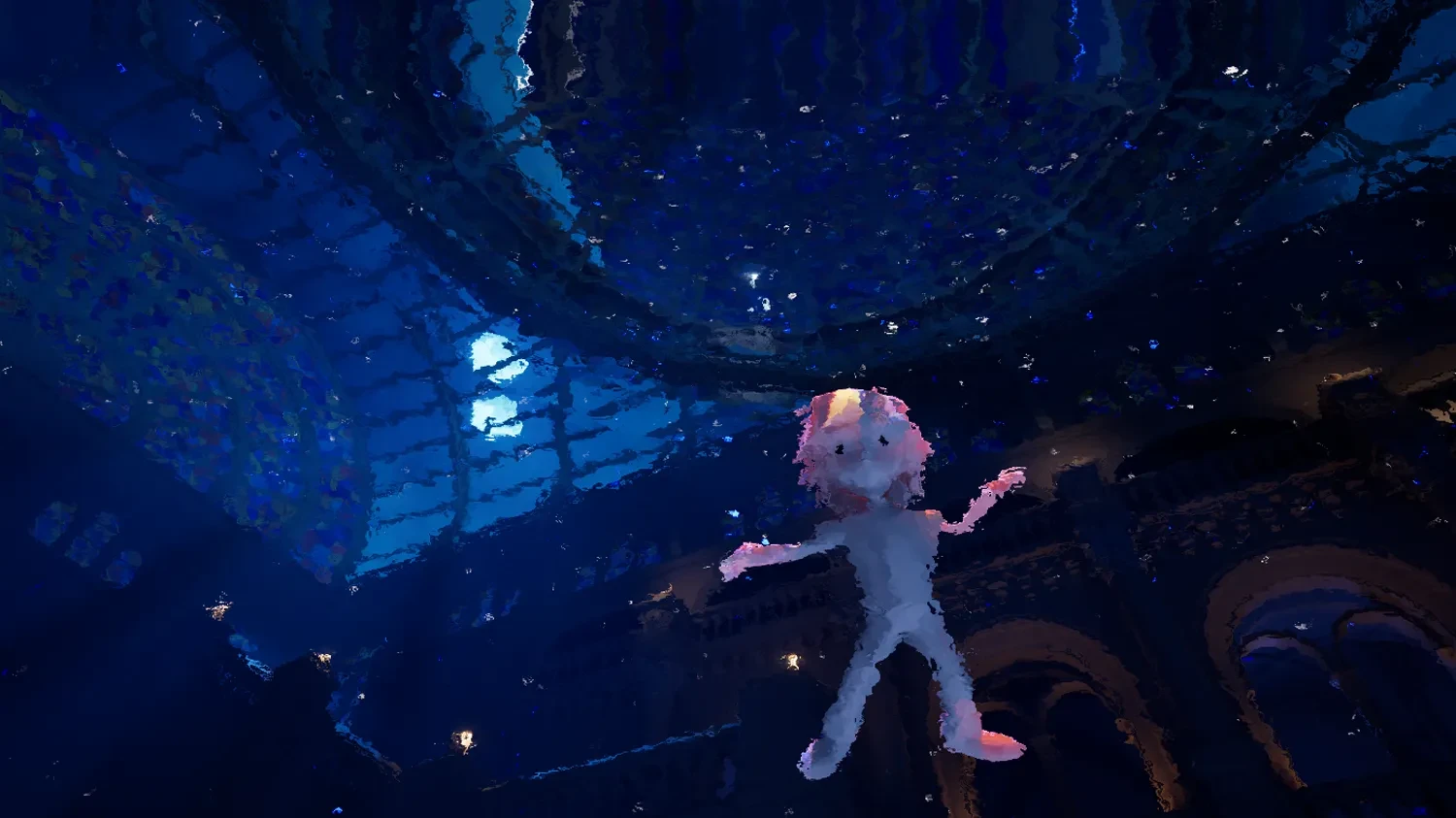
You awaken on a fog-shrouded shoreline and meet Echo, a strange child with a hole in their stomach. Together you cross a lantern festival where the veil between worlds is thinnest, sail into an ocean that opens beneath you, and descend through a portal into the Underworld. The Underworld moves through different facets of grief: a rave where silhouettes dance in slow motion, indifferent to Echo's attempts to reach them; a frozen sea where giant statues crack open to release a buried memory of a lost mother; a shadow theatre where an anger monster is unleashed, reducing everything to embers. From the embers, a boat carries you into a vast darkness, where Mother appears, and they are finally reunited. You sail together to the Tree of Life, a bioluminescent, cosmic jungle. Echo begs her to return to the World of the Living, but ancestors appear and surround you. She cannot come back - the journey was never about bringing her back. Echo, revealed to be your own child self, dissolves around you as the hole fills with light.