
Cartography of Loneliness
Synopsis
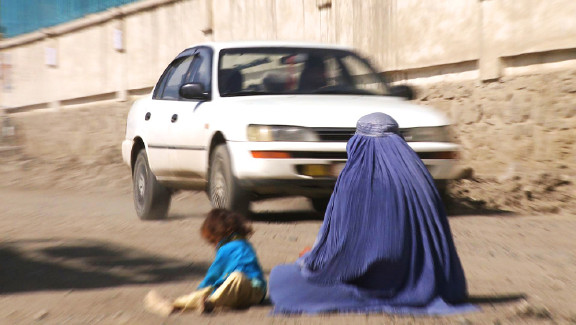
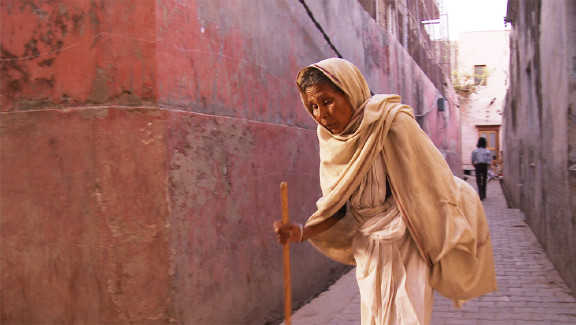
The choice of these three countries which are so near each other and have significant ethnic and religious differences is not by chance. India is the country with the most widows in the world, totalling over 45 million. In Nepal, half of the female population is widowed or have been abandoned by their husbands: they are called "child widows" or baikaylas. Afghanistan has the highest proportion of widows in the world after 30 years of war.
Tradition, society and religion have determined the course of their lives following their husbands' deaths. Many widows are abandoned by their families, or victim of women trafficking, or condemned to social ostracism.
War, AIDS and child marriages are the main factors behind these figures.
After living with them for 4 months, there have been impressive stories in a very determined historical, social and religious context, and also the medicine, human rights and education are intertwined in their lives.
Details
- Year
- 2011
- Type of project
- Features
- Running time
- 68 mins
- Format
- HDTV
- Director
-
Nocem Collado 1st Feature
- Producer
- Nocem Collado
- Executive Producer
- Nocem Collado
- Editor
- Nocem Collado
- Screenwriter
- Nocem Collado
- Director of Photography
- Nocem Collado
- Sound
- Juan Egoscozábal
- Composer
- Javi Vega, Joaquín Calderón
- Collaborator
- Óscar Clemente
- Colour
- Jose Escrig
- Post-production
- José Jiménez, Adrián Morales
Genre
Categories
Production Status
Production Company
Sales Company
Page updates
This page was last updated on 12th May 2025. Please let us know if we need to make any amendments or request edit access by clicking below.
See also
You may also be interested in other relevant projects in the database.
 Rehearsals for a Revolution
Director: Pegah Ahangarani
Year: 2026
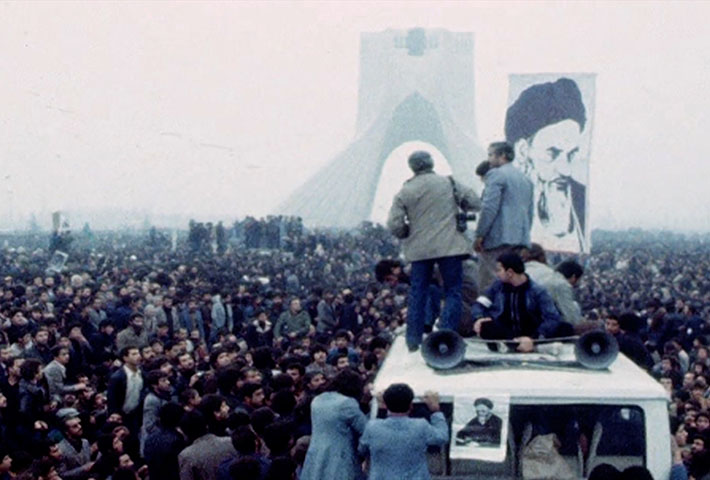
Through five portraits of relatives and mentors, five expressions of resistance, director Pegah Ahangarani sketches her life story. Drawing from personal archives, home videos, street protests footage, newspapers, and recorded voices, she retraces more than 40 years of Iran’s history. From the early days of 1979, until the war that began in 2026, she pieces together intimate and collective memories, forming the portrait of a country shaped by political repression and in constant hope for a revolution. Official Selection Cannes Film Festival 2026 - Special Screenings Official Selection Telluride Film Festival 2026
 A Is for Autism
Director: Tim Webb
Year: 1992
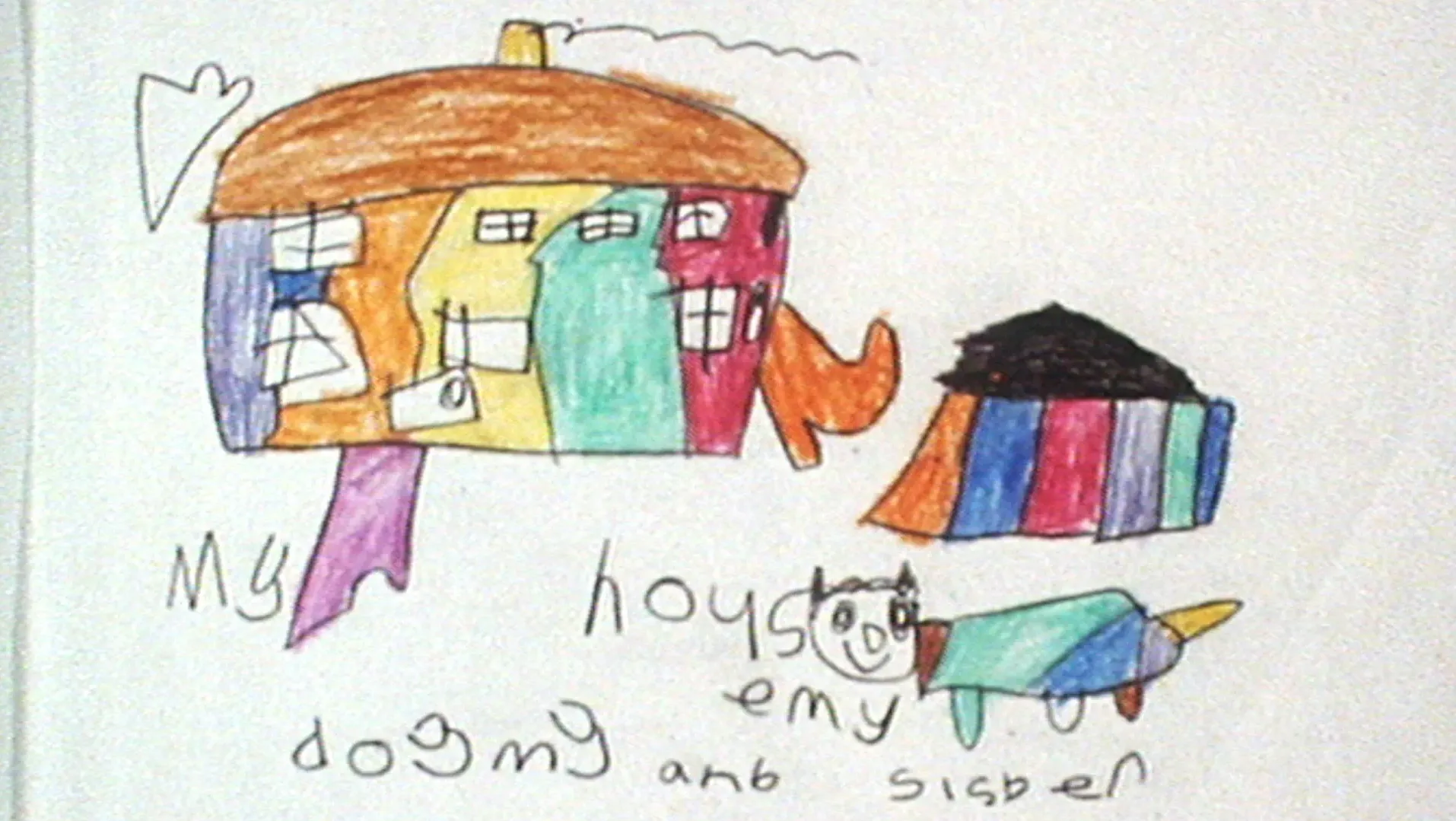
A short glimpse into the world of autism, in which the words, drawings, music and animation are all contributed by autistic people. Every design comes from drawings by autistic children and adults, the narration is in their own voices, and the piano and flute music was specially recorded by two autistic performers, the pianist also composing some of it. Commissioned by Channel 4 for its Disabling World season.
 Some Protection
Director: Marjut Rimminen
Year: 1997
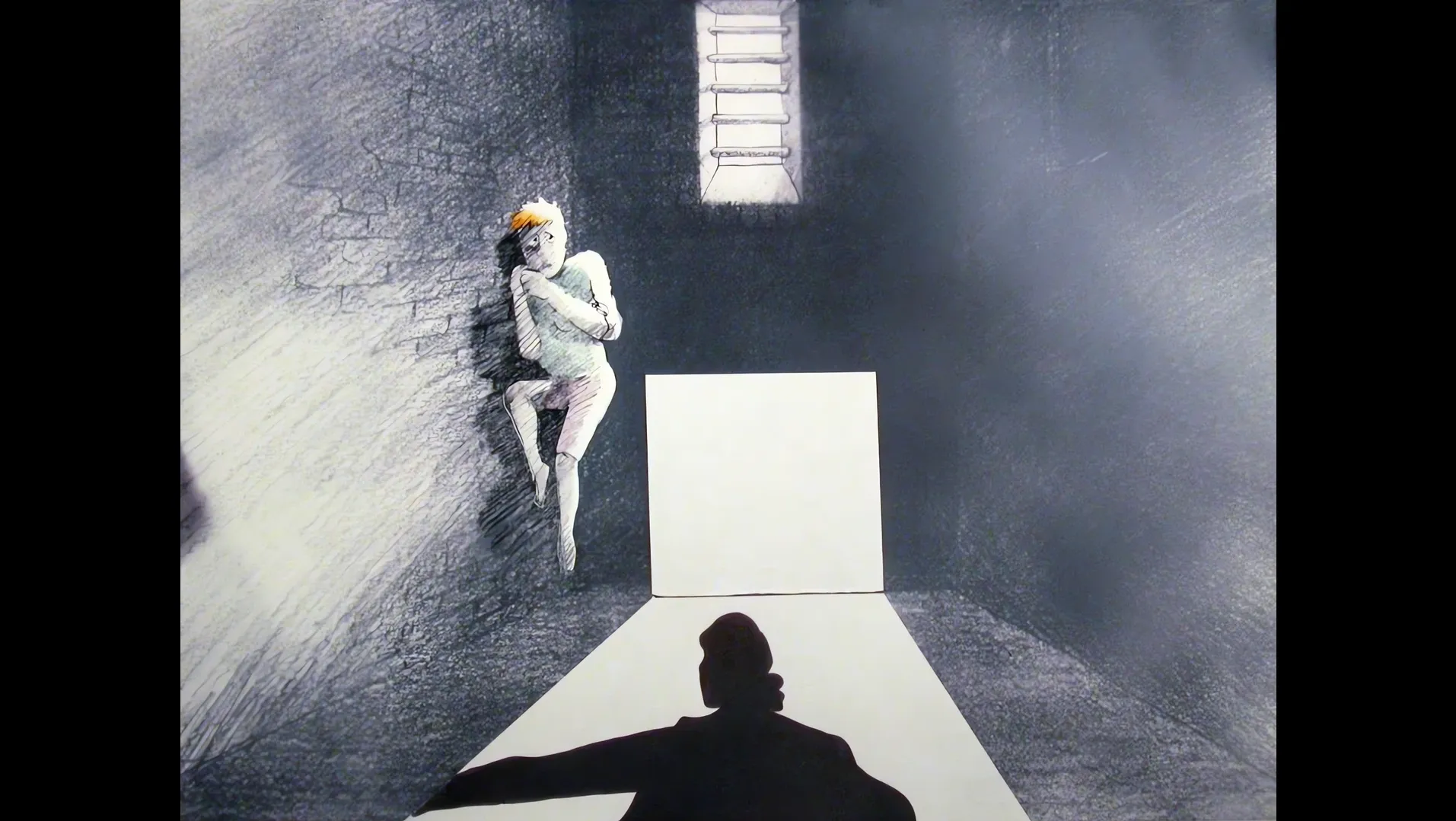
An animated documentary based on the true story of Josie O'Dwyer, with her own voice as personal commentary. The film shows the devastating effect that detention and imprisonment have on young girls who are sent in "for their own protection". Part of Blind Justice (broadcast as In Justice), a four-part Channel 4 series on women and the law.