
Chaplin | Spirit of The Tramp


Synopsis
Official Selection San Sebastián International Film Festival 2024 - World premiere
San Sebastián International Film Festival 2024 - Winner - Irizar Basque Film Award
Details
- Year
- 2024
- Type of project
- Features
- Running time
- 90 min
- Director
-
Carmen Chaplin 1st Feature
- Producer
- Ashim Bhalla, Carmen Chaplin, Dolores Chaplin, Stany Coppet, Carlos Juárez, Mariano Luis Arrieta Gimenez, Silvia Martínez
- Co-Producer
- Femke Wolting, Fabien Westerhoff
- Executive Producer
- Ashim Bhalla, Carmen Chaplin, Dolores Chaplin, Stany Coppet, Carlos Juárez, Mariano Luis Arrieta Gimenez, Silvia Martínez, Alexandra Woodward
- Editor
- Julia Juaniz
- Screenwriter
- Carmen Chaplin, Ashim Bhalla, Isaki Lacuesta, Amaia Remírez García
- Director of Photography
- Kenneth Oribe
- Sound
- Sonora Estudios
- Composer
- Nathaniel Méchaly
- Principal cast
- With contributions from: Michael J Chaplin, Geraldine Chaplin, Victoria Chaplin, Jane Chaplin, Christoper Chaplin, Aurelia Thieree, Johnny Depp, Emir Kusturica, Tony Gatlif, Claire Bloom, Stochelo & Mozes Rosenberg, Lita Cabellut, Farruquito
Genre
Categories
Production Status
Production Company
Spain, UK, France, Netherlands co-production
Wave of Humanity (ES), Basque Films (ES), Atlantika Films (ES), Kwanon Films (UK), Roy Export SAS (FR), Submarine Sublime (NL), Constellation Productions (FR)
Kwanon Films Limited
71-75 Shelton StreetCovent Garden
London
WC2H 9JQ
Sales Company
Global Constellation/ Film Constellation
Page updates
This page was last updated on 12th May 2025. Please let us know if we need to make any amendments or request edit access by clicking below.
See also
You may also be interested in other relevant projects in the database.
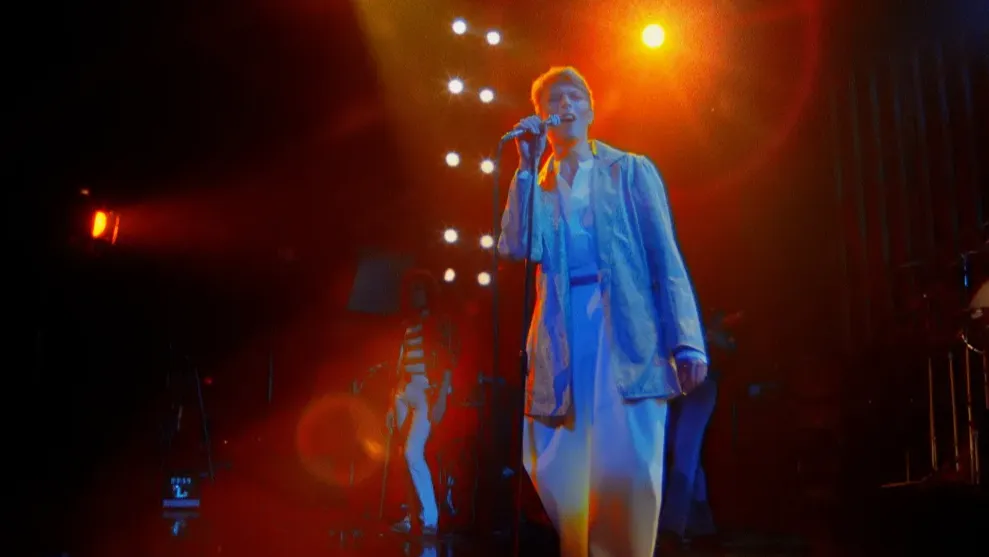 Stage
Stage
Director: Brett Morgen
Year: 2027
An arena-scale cinematic experience built out of long-lost, remastered 35mm footage originally shot by British director David Hemmings. The film features previously unseen concert footage of David Bowie from his 1978 Isolar II World Tour, in support of his landmark 'Heroes' album. Using a three-screen presentation, transparent LED screens and large-scale projections, it is described as an “immersive and sound light experience”. Official Selection Berlin International Film Festival 2027 - World premiere
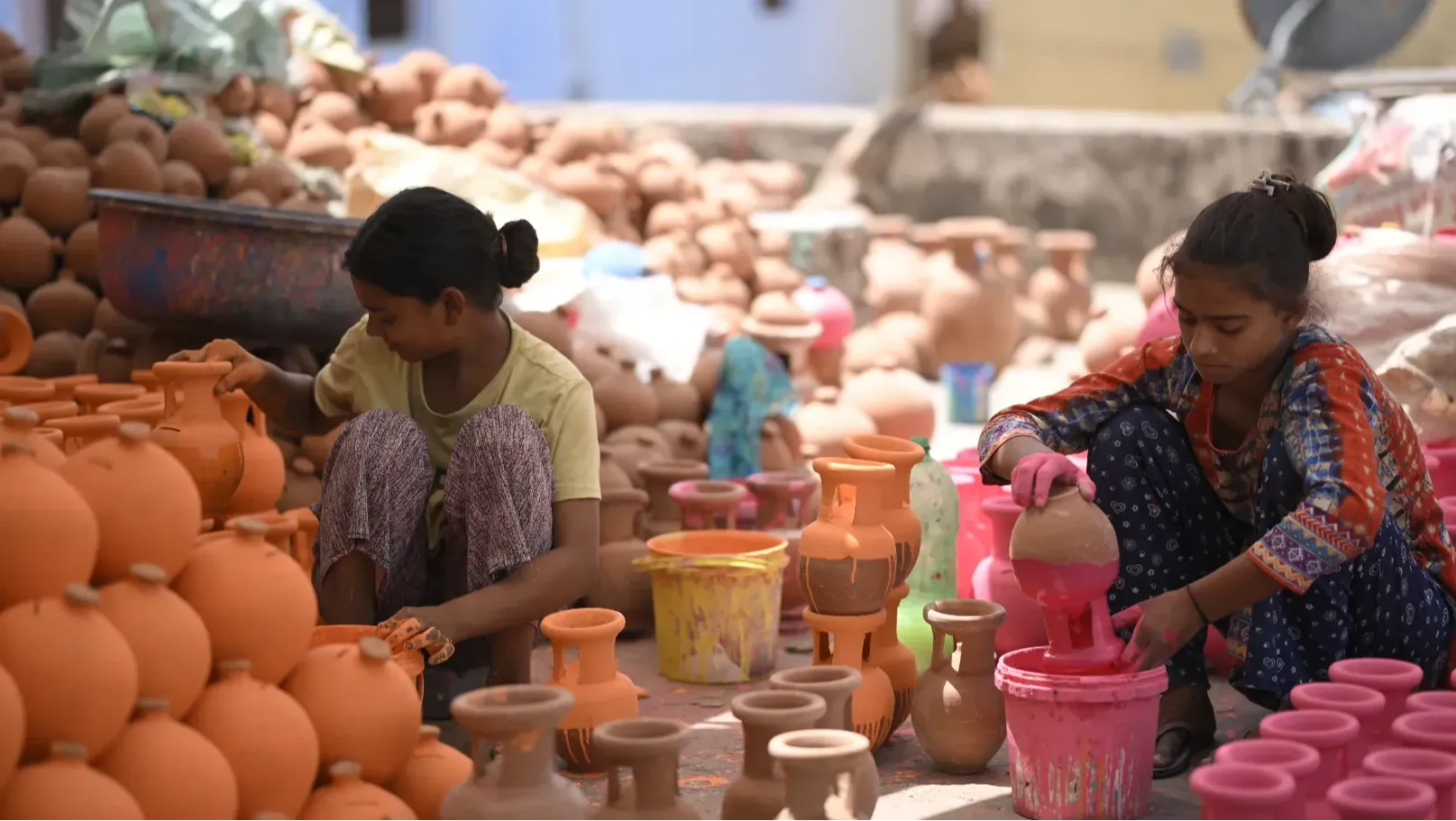 India's Circularity: Not a Trend, But Tradition from Margins
Director: Purva Tavri
Year: 2026
Across India’s overlooked margins, India’s Circularity – Not a Trend, But a Tradition from the Margins reveals how reuse, repair, and regeneration are not innovations - but inherited ways of life rooted in culture, necessity, and care. Featuring voices across sectors - artists, makers, NGO leaders, entrepreneurs, government officials, planners, engineers, institutions, and homemakers - the film journeys through terracotta clusters in Rajasthan, bamboo-timber homes in Sikkim, palm-leaf artisans in Kerala, and community commons in Chhattisgarh. One story is deeply personal: the director’s mother, whose regenerative practices shaped the director’s own circular worldview long before her professional work in sustainability. With poetic narration, immersive visuals, and grounded research, the film reframes circularity as a lived tradition, not a future policy aspiration.
 A Spirit, a Deity, a Barbarian? Captive in the Subterranean
Director: Hannan Jones
Year: 2025
In the subterranean archive of the National Roman Legion Museum, where artefacts and imperial debris trace Britain’s imperial past, the possible first depiction of a Welshmen or “barbarian” becomes a catalyst to unsettle imperial narratives and surface long-suppressed voices.