
Eminent Monsters

Synopsis
In the 1950s Montreal Scottish born psychiatrist Dr Ewen Cameron experimented on his unwitting patients. His techniques included sensory deprivation, forced comas and LSD injections, covertly funded by the Canadian Government and the CIA. Since then his techniques have been used in Northern Ireland, Guantánamo and 27 other countries.
'Do No Harm' includes extraordinary first hand testimony from Guantanamo Bay survivors, Hooded Men from Northern Ireland, senior American psychologists and military personnel. This documentary shows how the collusion of doctors to aid and abet torture began in the 1950s and continues to this day.
Interviewees include: former Chief Investigator for al Qaeda Mark Fallon; US Army General Stephen Xenakis; Guantanemo detainees Mohamedou Ould Slahi and Moazzam Begg; and Dr. Steven Reisner who blew the whistle on the collusion between psychologists and the CIA.
In Belfast we film with Hooded Men Francis McGuigan, Liam Shannon and Brian Turley, as the European Court of Human Rights decides whether to rule in their favour and redraw the boundaries on what is legally defined as torture.
Details
- Year
- 2020
- Type of project
- Features
- Running time
- 89 mins
- Director
-
Stephen Bennett
- Producer
- John Archer
- Film Title Note
- fka Do No Harm
Categories
Production Status
Production Company
Hopscotch Films
John ArcherFilm City Glasgow
401 Govan Road
Glasgow
G51 2QJ
Page updates
This page was last updated on 12th May 2025. Please let us know if we need to make any amendments or request edit access by clicking below.
See also
You may also be interested in other relevant projects in the database.
 Pig Story
Director: Stephen Bennett
Year: 2004
After nine years of insomnia, a man decides enough is enough. He goes to meet the very things which help him get to sleep at night - three flying pigs - but will this lead to a permanent cure?
 Benches
Director: Clare Richards
Year: 2026
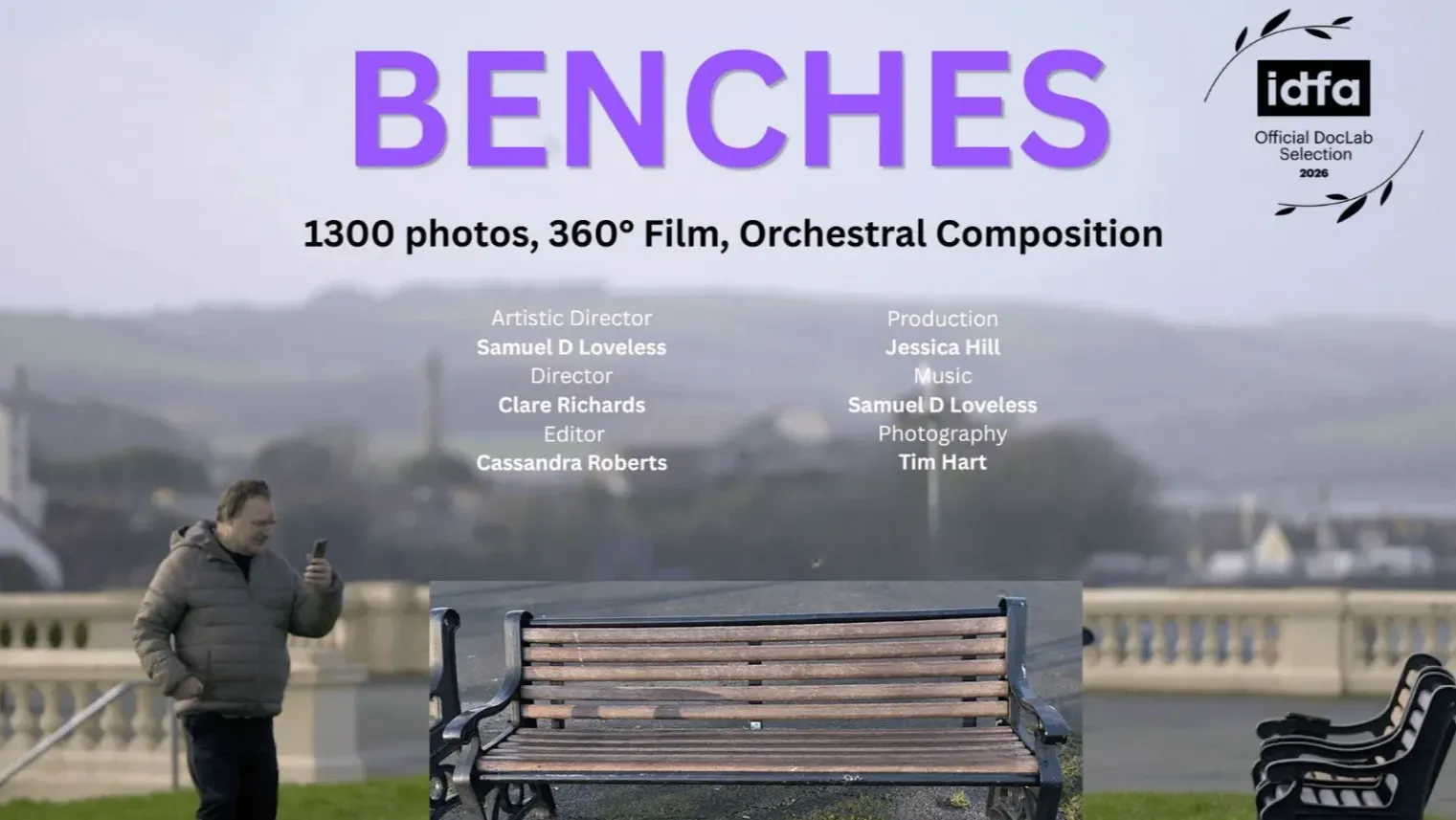
A split-screen dome projection is not something you see every day, yet its subject could hardly be more ordinary: public benches, located mainly in Plymouth, on the south coast of England. Whenever Tim Hart spots a new one, he takes a photograph, as he has done for 50 years. Just one photo, no more. “Cause it’s the same bench,” he explains amiably in Clare Richards’s documentary, which fills one half of the projection. On the other half, an orchestra performs Samuel D Loveless’ score, also titled BENCHES. His music follows the rhythm of Hart’s daily life as he walks from bench to bench, photographs them, sometimes sits down for a while, then moves on. And not just benches: Hart also photographs telephone booths, fairs, and more. Neurodivergent composer Loveless discovered the photographic archive of his autistic uncle Tim and was struck by the beauty of the everyday, patiently collected over decades. It gave Loveless an opportunity to celebrate a neurodivergent way of seeing the world, not by explaining it, but by sharing it.
 A Spirit, a Deity, a Barbarian? Captive in the Subterranean
Director: Hannan Jones
Year: 2025
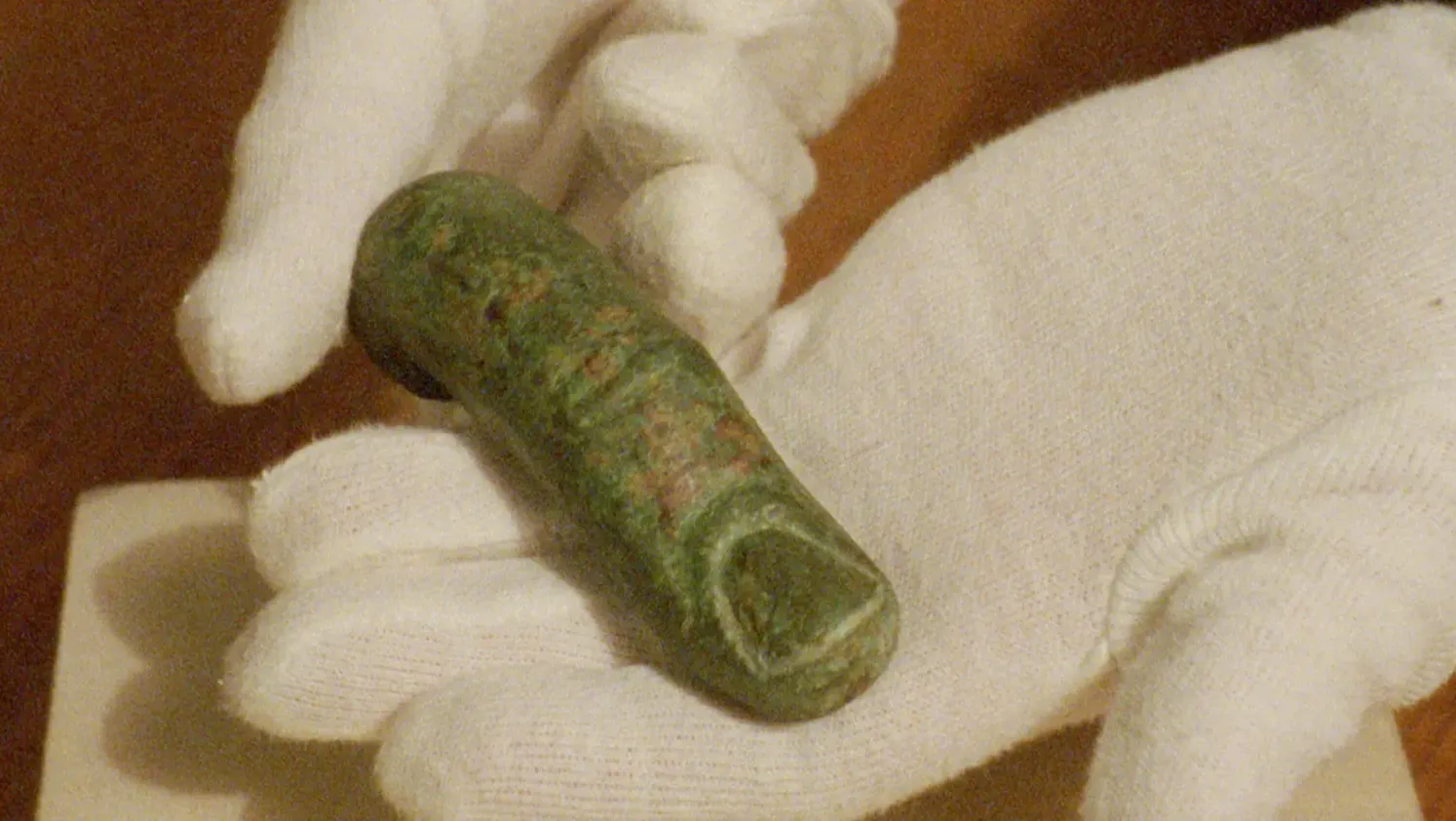
In the subterranean archive of the National Roman Legion Museum, where artefacts and imperial debris trace Britain’s imperial past, the possible first depiction of a Welshmen or “barbarian” becomes a catalyst to unsettle imperial narratives and surface long-suppressed voices.