
EXOMOON

Synopsis
Details
- Year
- 2016
- Type of project
- Shorts
- Running time
- 6 mins
- Format
- DCP
- Director
-
Gudrun Krebitz
- Producer
- Gudrun Krebitz
- Editor
- Gudrun Krebitz
- Screenwriter
- Gudrun Krebitz
- Director of Photography
- Gudrun Krebitz
- Sound
- Marian Mentrup
- Composer
- Marian Mentrup
Genre
Categories
Production Status
Production Company
Gudrun Krebitz
Sales Company
sixpackfilm
Neubaugasse 45/13A-1070 Vienna
Austria
Page updates
This page was last updated on 12th May 2025. Please let us know if we need to make any amendments or request edit access by clicking below.
See also
You may also be interested in other relevant projects in the database.
 Shut Up Moon
Director: Gudrun Krebitz
Year: 2014
It´s difficult to fit in, especially when you are new in town. A hand drawn animated short full of awkwardness, fun, an imaginary friend and the things that keep you up at night while your mind plays you a best-of compilation of today´s conversations.
 Deep End
Director: Puzhen Zhang
Year: 2026
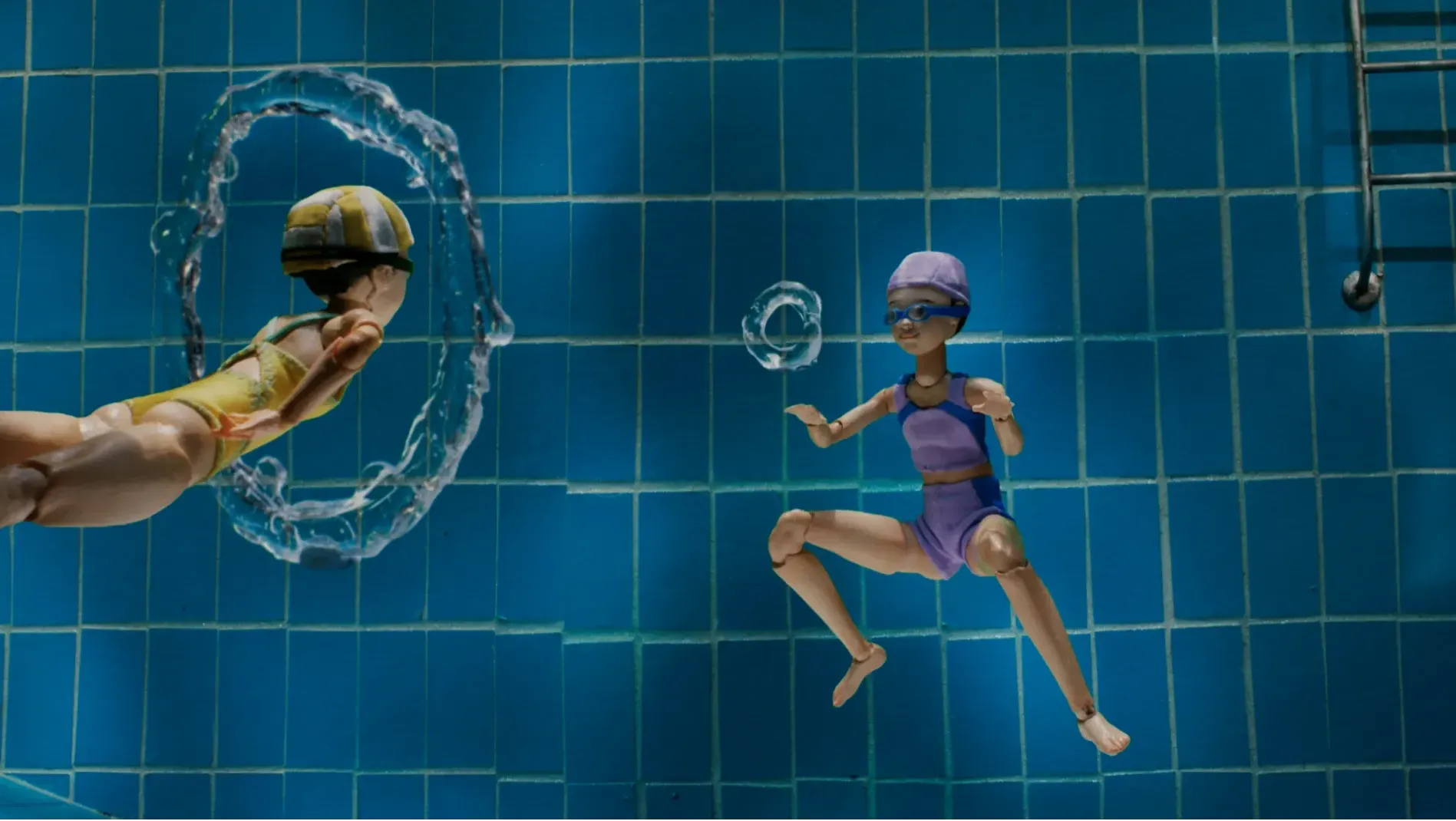
One summer in early 2000s China, a shy preteen girl confronts her fear of water — and human connection — when she forms an unexpected, magical bond in the deep end of the pool.
 Benches
Director: Clare Richards
Year: 2026
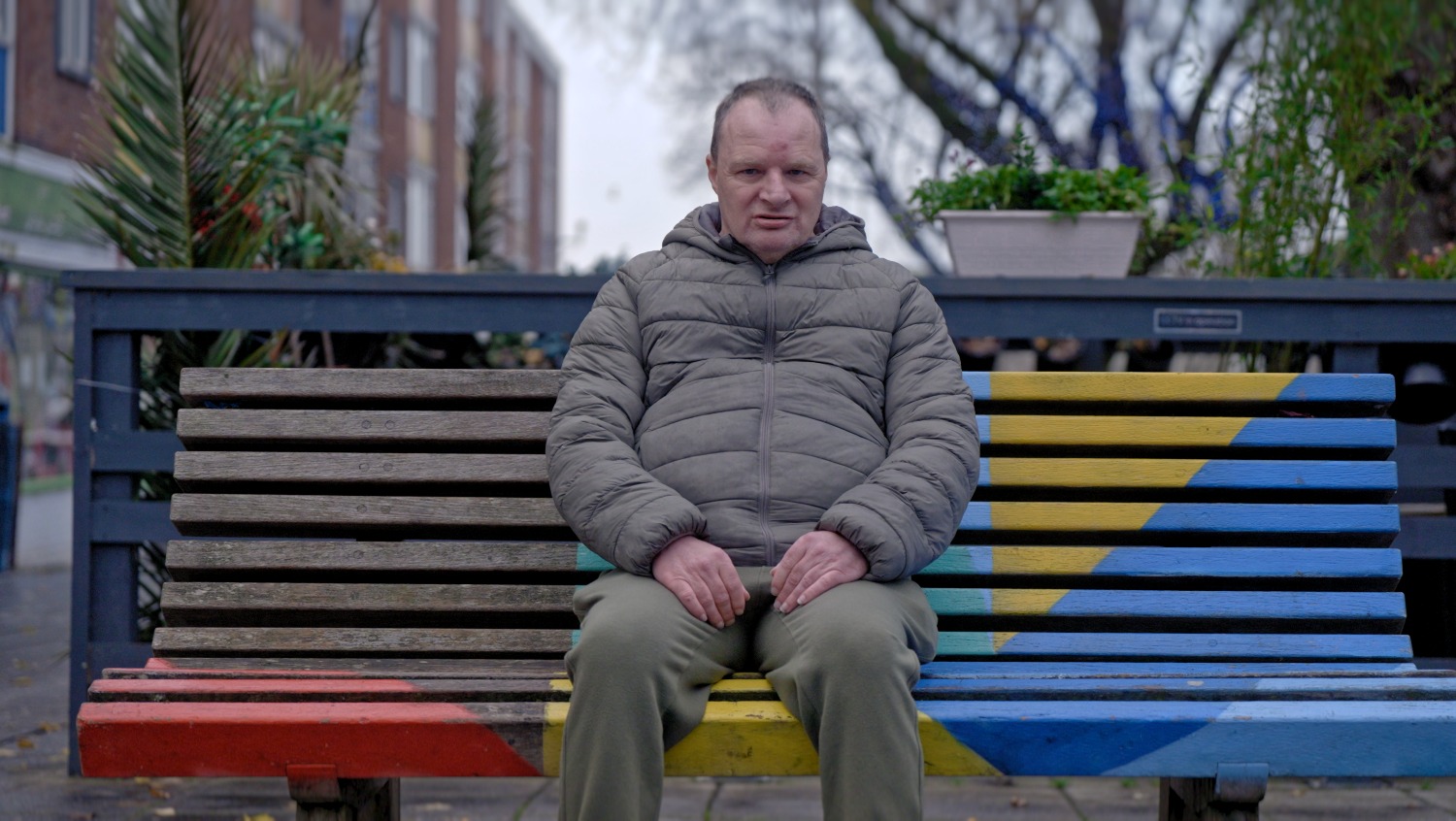
A split-screen dome projection is not something you see every day, yet its subject could hardly be more ordinary: public benches, located mainly in Plymouth, on the south coast of England. Whenever Tim Hart spots a new one, he takes a photograph, as he has done for 50 years. Just one photo, no more. “Cause it’s the same bench,” he explains amiably in Clare Richards’s documentary, which fills one half of the projection. On the other half, an orchestra performs Samuel D Loveless’ score, also titled BENCHES. His music follows the rhythm of Hart’s daily life as he walks from bench to bench, photographs them, sometimes sits down for a while, then moves on. And not just benches: Hart also photographs telephone booths, fairs, and more. Neurodivergent composer Loveless discovered the photographic archive of his autistic uncle Tim and was struck by the beauty of the everyday, patiently collected over decades. It gave Loveless an opportunity to celebrate a neurodivergent way of seeing the world, not by explaining it, but by sharing it.