
Grand Theft Hamlet

Synopsis
It’s January 2021. The UK has just entered its 3rd lockdown and all theatres remain closed. For actors Sam and Mark, the future looks bleak. As the pandemic drags on Mark, who lives alone is increasingly socially isolated, while Sam is panicking about how he is going to support his family. They channel their midlife frustrations by immersing their avatars in the horrifically violent yet beautifully rendered virtual world of Grand Theft Auto online. They steal cars and shoot strangers, but also find moments of calm reflection walking through meadows of wildflowers. In one gaming session they stumble across a theatre and have an idea. Why not stage Hamlet inside the game? Well, there are several reasons why not, chiefly that most people in the game are intent on murderous destruction, not polite appreciation of a theatrical production. But wasn’t theatre just as dangerous and rowdy a business in Shakespeare’s time, and isn’t Hamlet, a play about revenge the perfect choice for this place?
Official selection SXSW 2024 - Documentary Competition - World premiere
Official Selection BFI London Film Festival 2024
Details
- Year
- 2024
- Type of project
- Features
- Running time
- 88 min
- Director
-
Pinny Grylls, Sam Crane 1st Feature
- Producer
- Julia Ton, Rebecca Wolff
- Editor
- Pinny Grylls
- Screenwriter
- Pinny Grylls, Sam Crane
- Director of Photography
- Pinny Grylls
- Sound
- Jamie Perera
- Associate Writer and Director
- Mark Oosterveen
Genre
Production Status
Production Company
Project 1961
Julia TonGrasp the Nettle Films
Rebecca WolffSales Company
Page updates
This page was last updated on 12th May 2025. Please let us know if we need to make any amendments or request edit access by clicking below.
See also
You may also be interested in other relevant projects in the database.
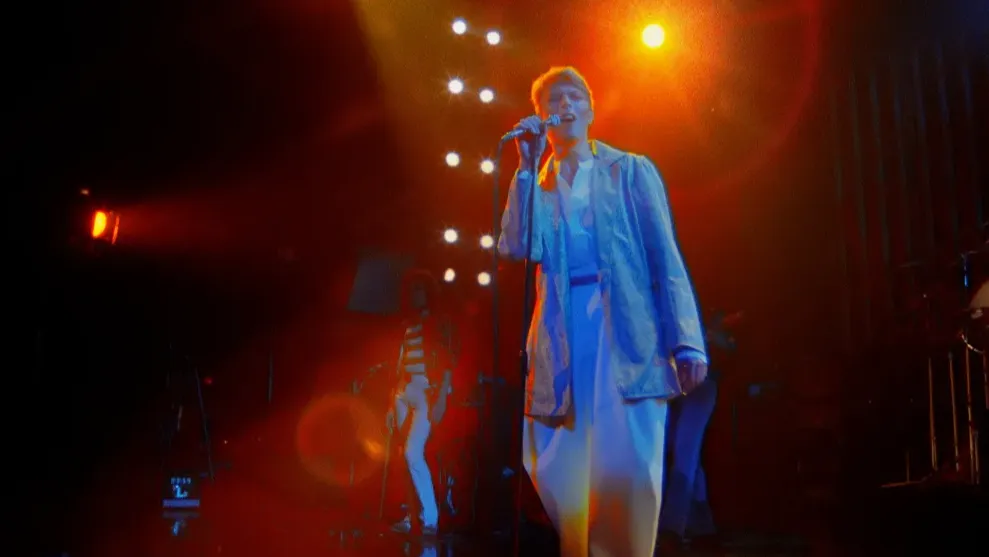 Stage
Director: Brett Morgen
Year: 2027
An arena-scale cinematic experience built out of long-lost, remastered 35mm footage originally shot by British director David Hemmings. The film features previously unseen concert footage of David Bowie from his 1978 Isolar II World Tour, in support of his landmark 'Heroes' album. Using a three-screen presentation, transparent LED screens and large-scale projections, it is described as an “immersive and sound light experience”. Official Selection Berlin International Film Festival 2027 - World premiere
 India's Circularity: Not a Trend, But Tradition from Margins
Director: Purva Tavri
Year: 2026
Across India’s overlooked margins, India’s Circularity – Not a Trend, But a Tradition from the Margins reveals how reuse, repair, and regeneration are not innovations - but inherited ways of life rooted in culture, necessity, and care. Featuring voices across sectors - artists, makers, NGO leaders, entrepreneurs, government officials, planners, engineers, institutions, and homemakers - the film journeys through terracotta clusters in Rajasthan, bamboo-timber homes in Sikkim, palm-leaf artisans in Kerala, and community commons in Chhattisgarh. One story is deeply personal: the director’s mother, whose regenerative practices shaped the director’s own circular worldview long before her professional work in sustainability. With poetic narration, immersive visuals, and grounded research, the film reframes circularity as a lived tradition, not a future policy aspiration.
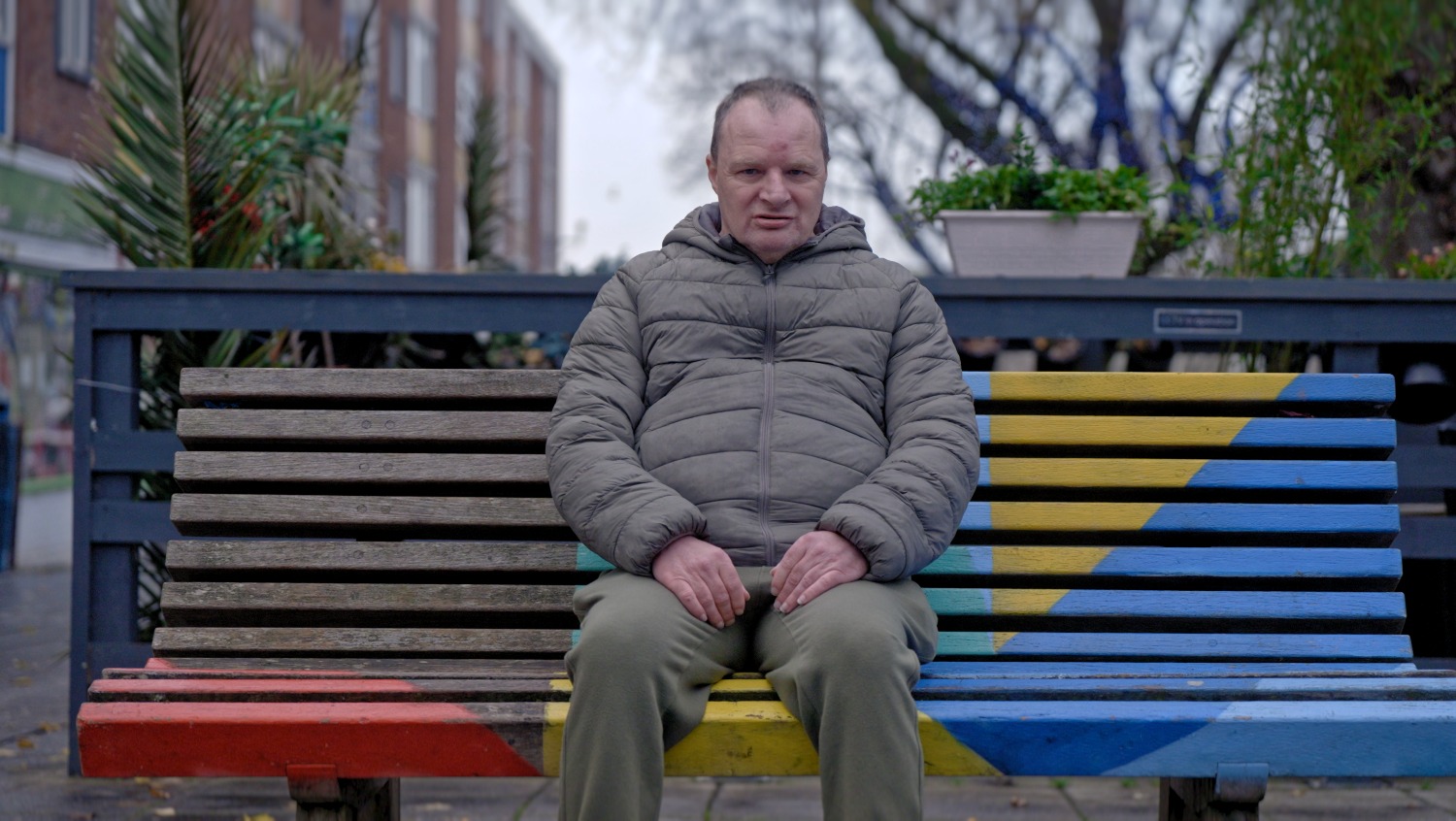 Benches
Director: Clare Richards
Year: 2026
A split-screen dome projection is not something you see every day, yet its subject could hardly be more ordinary: public benches, located mainly in Plymouth, on the south coast of England. Whenever Tim Hart spots a new one, he takes a photograph, as he has done for 50 years. Just one photo, no more. “Cause it’s the same bench,” he explains amiably in Clare Richards’s documentary, which fills one half of the projection. On the other half, an orchestra performs Samuel D Loveless’ score, also titled BENCHES. His music follows the rhythm of Hart’s daily life as he walks from bench to bench, photographs them, sometimes sits down for a while, then moves on. And not just benches: Hart also photographs telephone booths, fairs, and more. Neurodivergent composer Loveless discovered the photographic archive of his autistic uncle Tim and was struck by the beauty of the everyday, patiently collected over decades. It gave Loveless an opportunity to celebrate a neurodivergent way of seeing the world, not by explaining it, but by sharing it.