
Grenfell
Synopsis
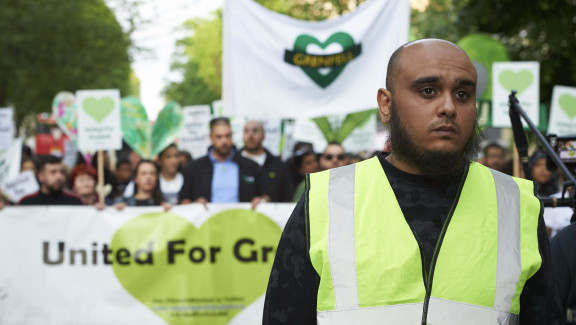
On June 14th 2017, fire ripped through Grenfell Tower - one of the poorest tower blocks situated in London’s richest borough, Kensington and Chelsea, where the average price of a home is £1.4 million. The fire claimed the lives of 72 people - many of them social housing tenants. This tragedy left a community distraught, with many asking questions about how this could happen in contemporary British society.
Filmed over the course of the year following the fire, this meticulously crafted documentary draws from hundreds of hours of observational footage, archive and social media content and features the largest collection of interviews with those connected to the tragedy to be gathered together on film.
In the immediate aftermath of the tragedy, the filmmakers were embedded with people who were displaced by the fire, as well as with those who had lost love ones. ‘Grenfell’ tells the story from within the community, including residents from the tower such as Edward Daffarn who predicted the fire in a blog two years earlier when he raised serious concerns about the safety of the building.
The film also shows how, during a recent refurbishment of the building in 2014, dangerously flammable cladding was applied to the exterior – one of the factors that is now understood to have exacerbated the fire, allowing it to spread so quickly.
Ultimately ‘Grenfell’ captures the incredible human spirit of a community who turned their grief into action and began an irrepressible fight for justice.
Details
- Year
- 2018
- Type of project
- Features
- Running time
- 91 mins
- Format
- Tapeless, HD
- Director
-
Ben Anthony
- Producer
- Gaby Aung
- Executive Producer
- Morgan Matthews
- Editor
- Ben Brown
- Director of Photography
- Brendan Easton
- Composer
- Andrew Phillips
- Film Image
- © Minnow Films
Categories
Production Status
Production Company
Minnow Films
Clare Voyce58-60 Rivington Street
London
EC2A 3AU
Sales Company
Banijay Rights
Andreas LemosGloucester Building
Kensington Village
Avonmore Road
London
W14 8RF
Page updates
This page was last updated on 12th May 2025. Please let us know if we need to make any amendments or request edit access by clicking below.
See also
You may also be interested in other relevant projects in the database.
 Matter of Britain
Director: Peter Treherne
Year: 2026
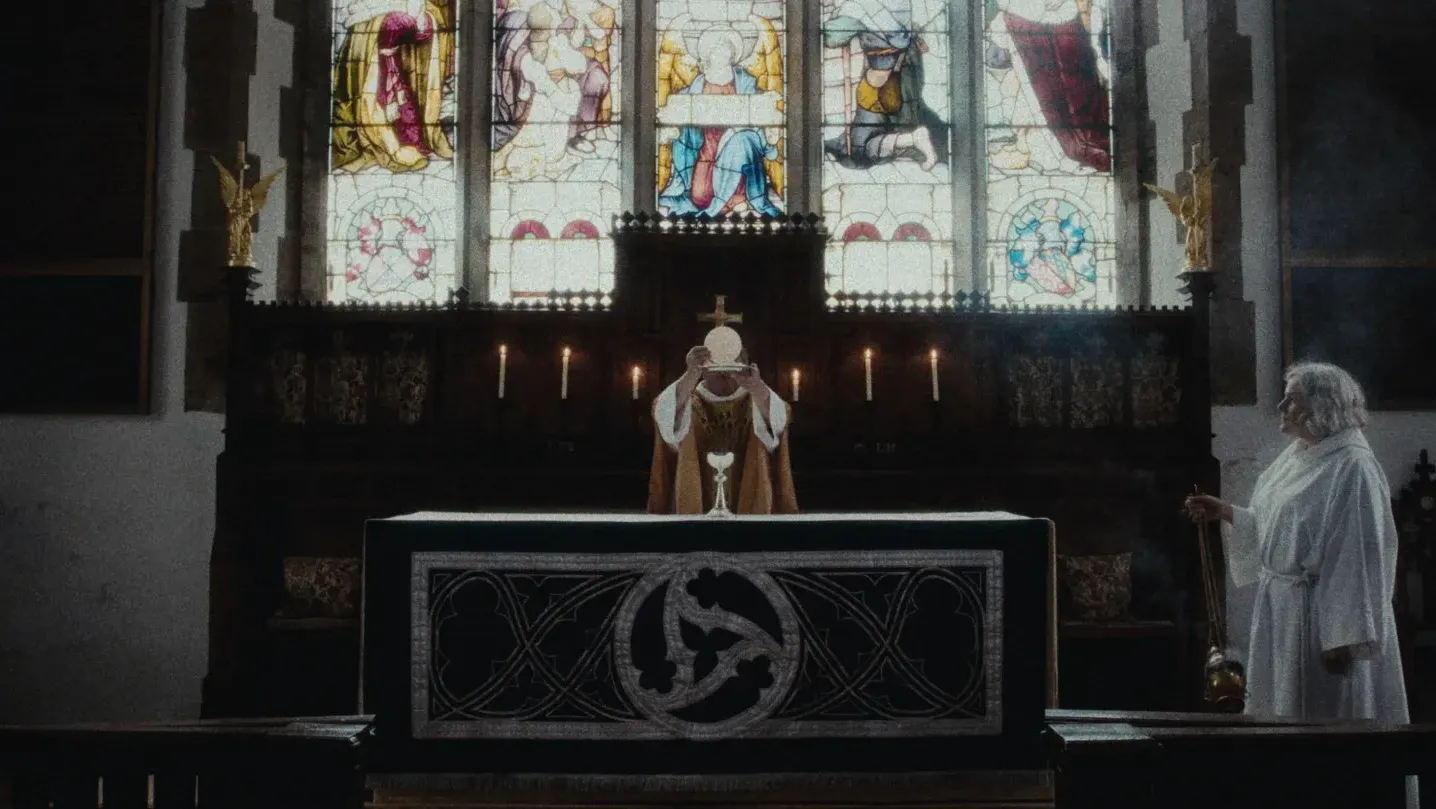
MATTER OF BRITAIN was an English country village’s performance of the Holy Grail myth. In that myth, King Arthur’s knights quest for the Holy Grail in order to heal their wasted land. The performance took place over 12 months from 2023 to 2024 in multiple locations across the parish of Mayfield, East Sussex. Over 300 members of the community took part as questing knights, angelic choirs, guiding anchorites and tempting devils. The performance was documented and subsequently made into an ethnographic fantasy that has screened at the Museum of Modern Art, CPH:DOX, Cinéma du Réel and Open City Documentary Film Festival. The work was supported by an Arts Council England Project Grant, the Lund Trust, High Weald AONB, East Sussex Arts Partnership, the University of Reading and the Museum of English Rural Life.
 Mother's Influence
Director: Meg Wriggles
Year: 2025
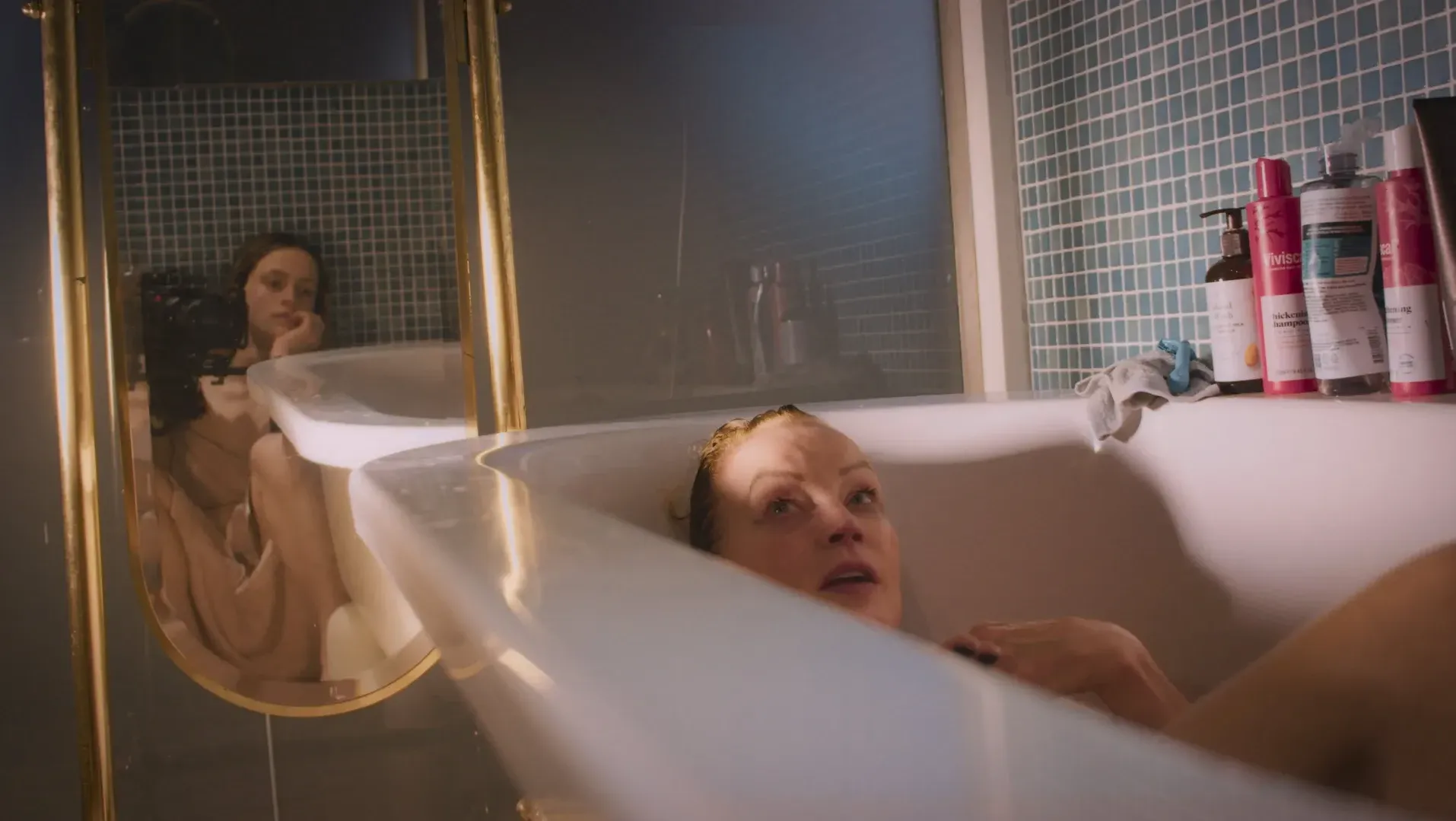
Growing up with an unconventional single mother – an influencer navigating aging and body dysmorphia, Meg admires her but questions how it shaped her own self-image. Through laughter and vulnerability, they unpack identity, influence, and the complexities of their evolving relationship. Official Selection Edinburgh International Film Festival 2026 – World Premiere
 I Want To Kill My Grandfather
Director: Lilyana Torres, Carlos Morales
Year: 2027
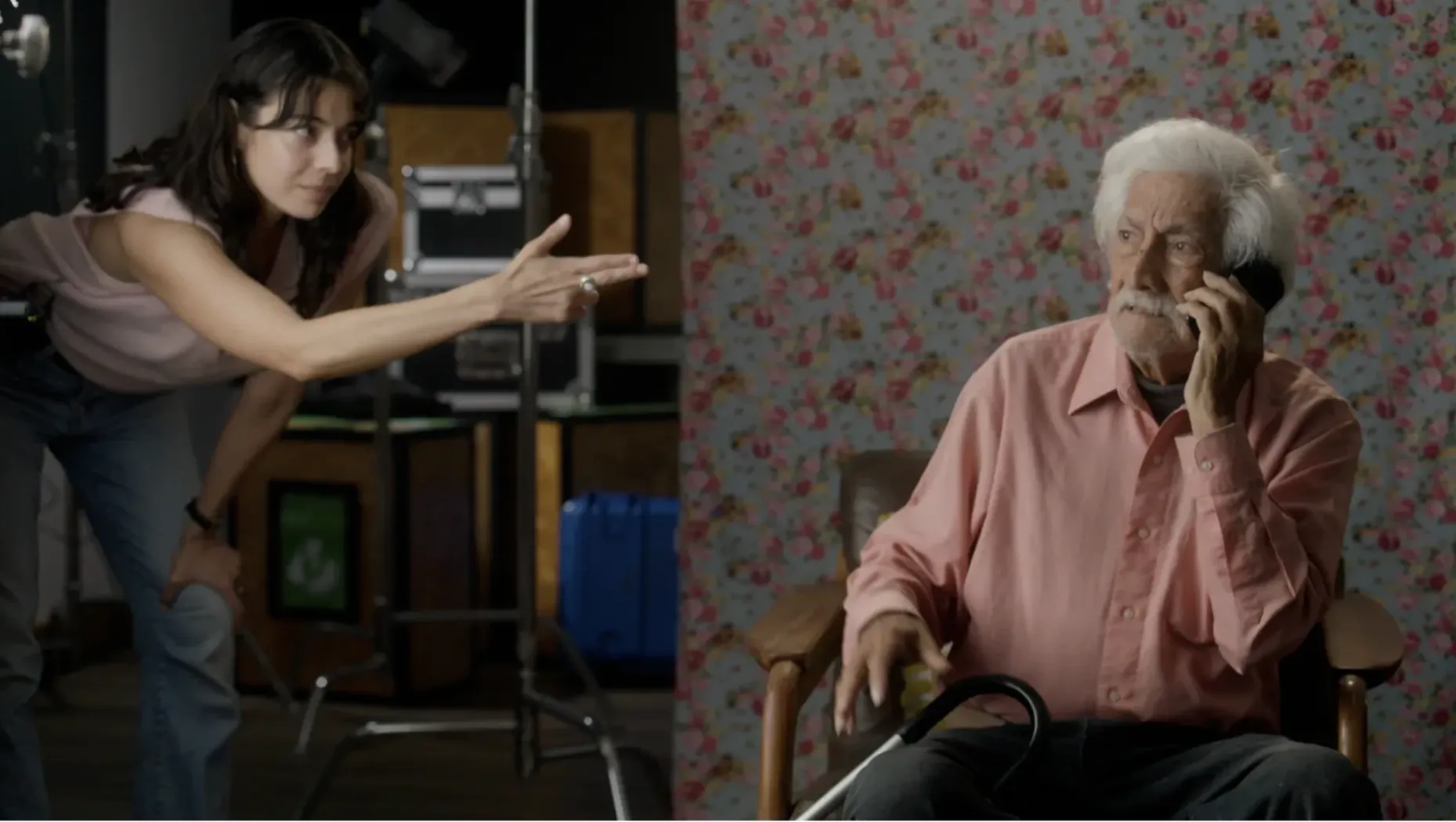
When filmmaker Lilyana Torres learns that her grandfather hired hitmen to nearly kill her father, she sets out to confront him in Tamaulipas, Mexico, and force an apology. The attack left her father with cracked ribs, a broken nose, and loose teeth. Its architect was his own father. Like much of Lilyana’s family history, nobody spoke of it again. So she begins planning his murder. In darkly comic fictional reenactments, Lilyana trains for revenge with the help of a retired detective. Some methods are efficient, others grotesque, all adapted to an ageing man. Against these fantasies, family home videos reveal a more unsettling contradiction: birthday parties, tenderness, and a grandfather who once appeared devoted to his son and granddaughter. How could a parent put their own child’s life at risk? Before Lilyana reaches him, her grandfather dies peacefully in bed, taking every explanation with him. Determined to complete the film, she casts an actor named Perfecto to play him and kills him on screen, again and again. But the performance exposes the question she cannot escape: what does revenge actually resolve? Lilyana confronts the possibility that the violence she wants to destroy may already live inside her.