
Harry Birrell Presents Films of Love and War

Synopsis
From commanding a battalion of Ghurkas in the Indian army at the start of the WWII, to dangerous sorties deep behind enemy lines in Burma at its end; from the ballroom dances of his youth in the 1930s to teaching his children to twist in the 1960s: Harry’s entertaining and errant adventures are filmed with the intimacy of home movies but on the scale of 'Lawrence of Arabia'.
Today, his granddaughter Carina, uncovers a lifetime of memories all spliced together in over 400 films, personal diaries (narrated by Richard Madden) and countless photographs that have previously lain undiscovered, along with the many cans of cine film, in rusting metal trunks in a garden shed.
It’s one man’s cinematic vision of the 20th Century and his own personal journey through it.
Details
- Year
- 2019
- Type of project
- Features
- Running time
- 90 min
- Format
- 9.5mm, 16mm, HD
- Director
-
Matt Pinder 1st Feature
- Producer
- John Archer, Carina Birrell, Matt Pinder
- Executive Producer
- David Harron, Mark Thomas, Ewan Angus
- Editor
- Colin Monie, Matt Pinder
- Director of Photography
- Harry Birrell
- Sound
- John Cobban
- Composer
- Ian Dolamore
- Principal cast
- Narration: Richard Madden
Genre
Categories
Production Status
Production Company
Hopscotch Films
John ArcherFilm City Glasgow
401, Govan Road
Glasgow
G51 2QJ
Page updates
This page was last updated on 12th May 2025. Please let us know if we need to make any amendments or request edit access by clicking below.
See also
You may also be interested in other relevant projects in the database.
 The Atlas of Sound
Director: Siobhan Silén
Year: 2027
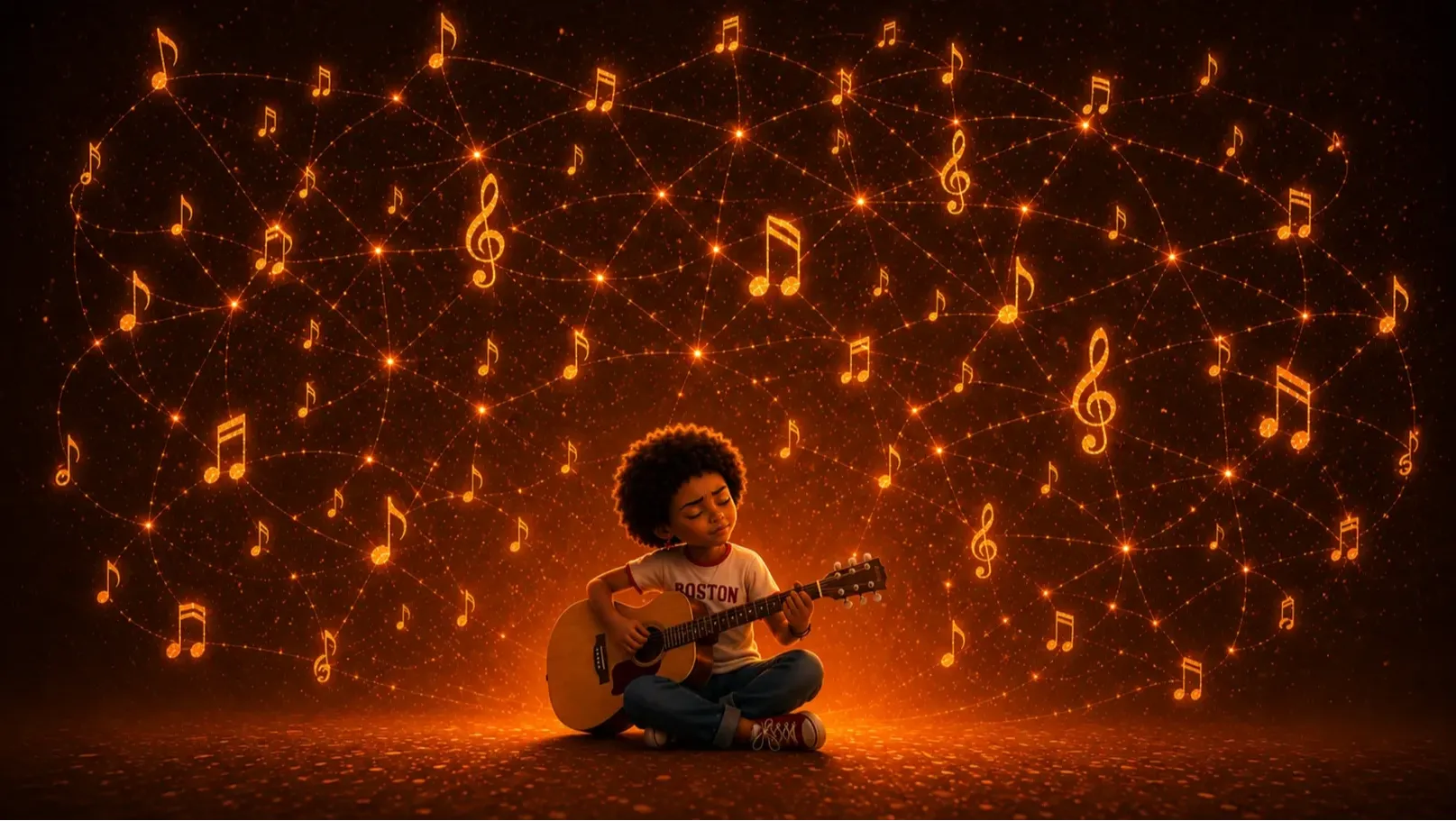
An animated VR short inspired by autistic musician Jen Msumba, who defies a system designed to erase her through synaesthetic music-making. It explores the universal need to be accepted for who we are. Participants journey through Jen’s life, from childhood, when the world feels confusing and “wonky”. Music is her safety and compass. While others read notes on a page, Jen sees visual maps that help her express emotions and navigate uncertainty. As a teenager, Jen’s mother becomes ill and her anxiety overwhelms her. Years of psychiatric institutions and medication leave her sedated, unable to play instruments. Her family sends her to the Judge Rotenberg Center, whose practices will later be described by the United Nations as torture. Over seven years of confinement and painful electric shocks, Jen is taught to believe she is “wrong”. Secretly composing music in her head becomes her refuge. Realising the centre will not support her independence, Jen writes to a judge and wins her freedom. She rediscovers music and invites us into her musical map, where participants touch and transform notes through movement, shifting melodies from classical to punk rock. We end with Jen performing on stage.
 A Spirit, a Deity, a Barbarian? Captive in the Subterranean
Director: Hannan Jones
Year: 2025
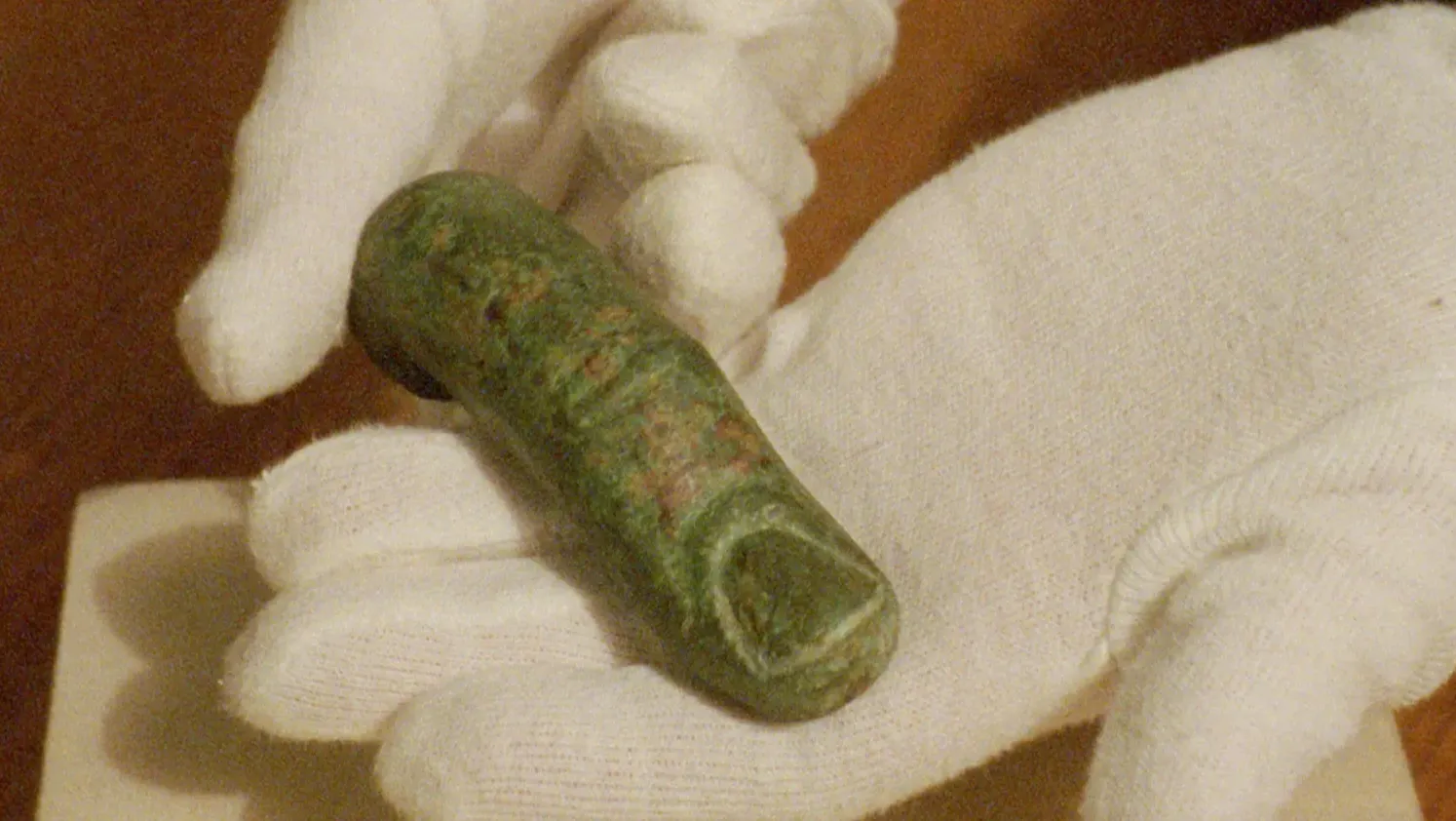
In the subterranean archive of the National Roman Legion Museum, where artefacts and imperial debris trace Britain’s imperial past, the possible first depiction of a Welshmen or “barbarian” becomes a catalyst to unsettle imperial narratives and surface long-suppressed voices.
 Benches
Director: Clare Richards
Year: 2026
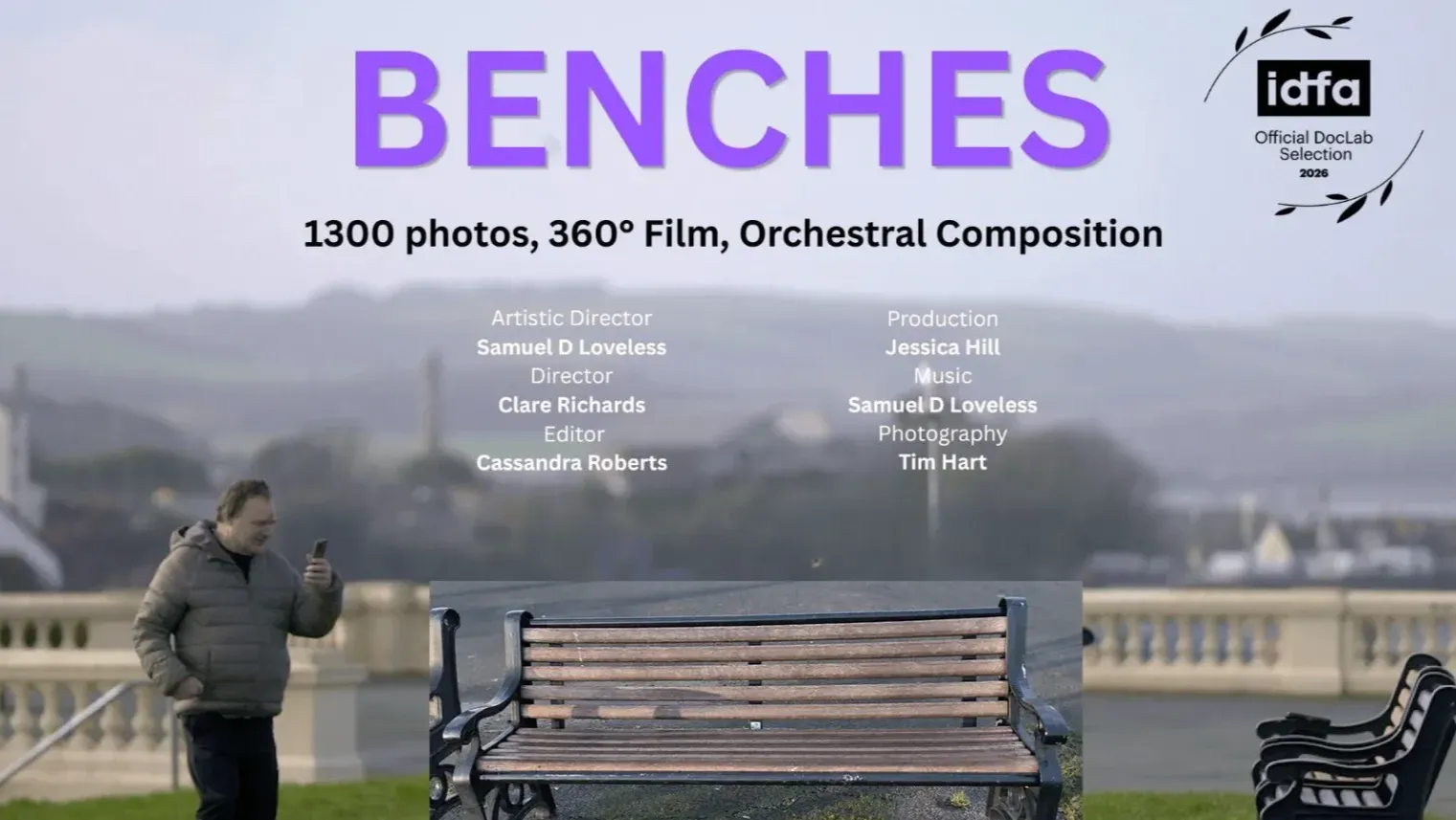
A split-screen dome projection is not something you see every day, yet its subject could hardly be more ordinary: public benches, located mainly in Plymouth, on the south coast of England. Whenever Tim Hart spots a new one, he takes a photograph, as he has done for 50 years. Just one photo, no more. “Cause it’s the same bench,” he explains amiably in Clare Richards’s documentary, which fills one half of the projection. On the other half, an orchestra performs Samuel D Loveless’ score, also titled BENCHES. His music follows the rhythm of Hart’s daily life as he walks from bench to bench, photographs them, sometimes sits down for a while, then moves on. And not just benches: Hart also photographs telephone booths, fairs, and more. Neurodivergent composer Loveless discovered the photographic archive of his autistic uncle Tim and was struck by the beauty of the everyday, patiently collected over decades. It gave Loveless an opportunity to celebrate a neurodivergent way of seeing the world, not by explaining it, but by sharing it.