
I Heard That They Are Not Going To See Each Other Anymore

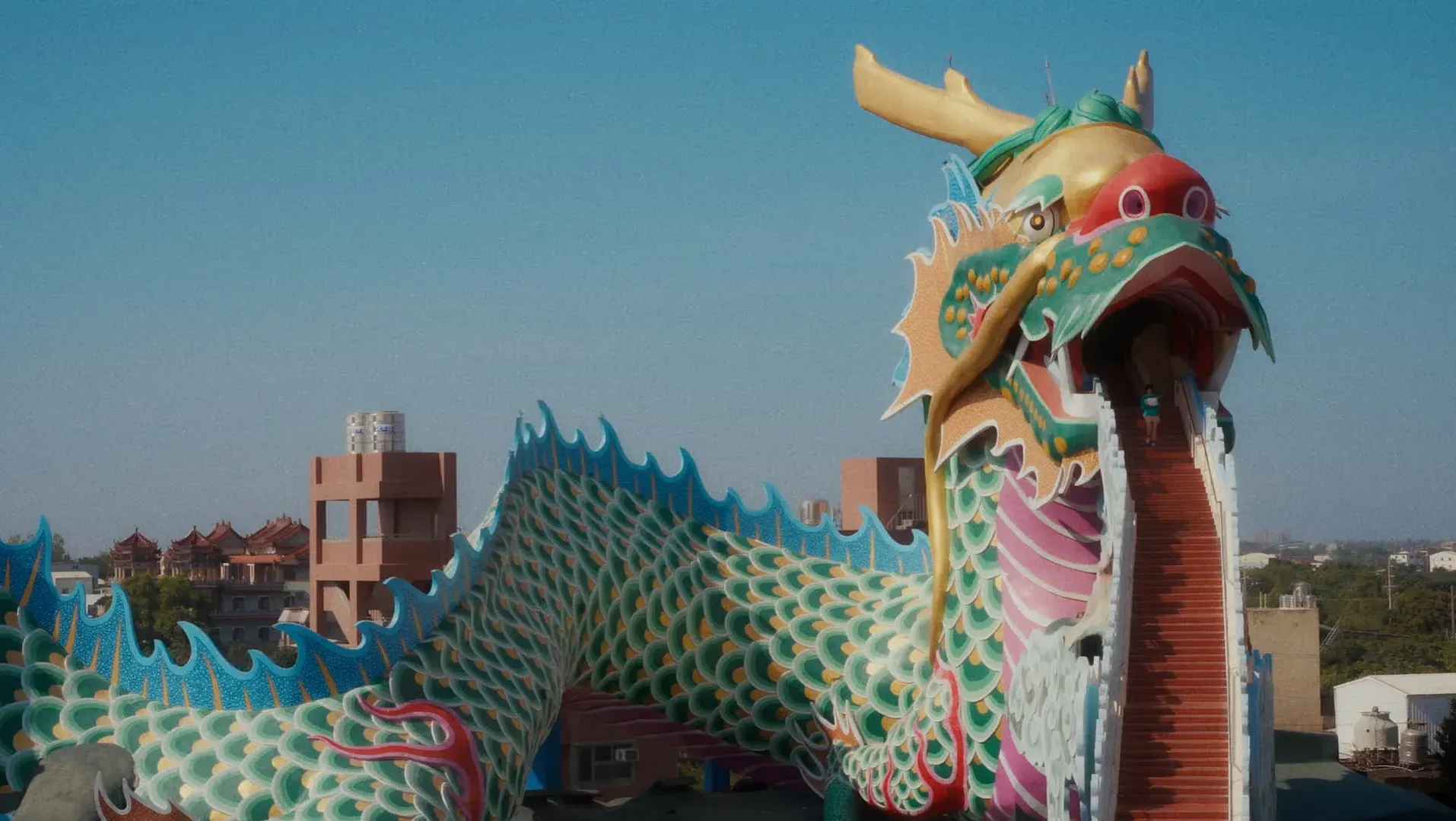
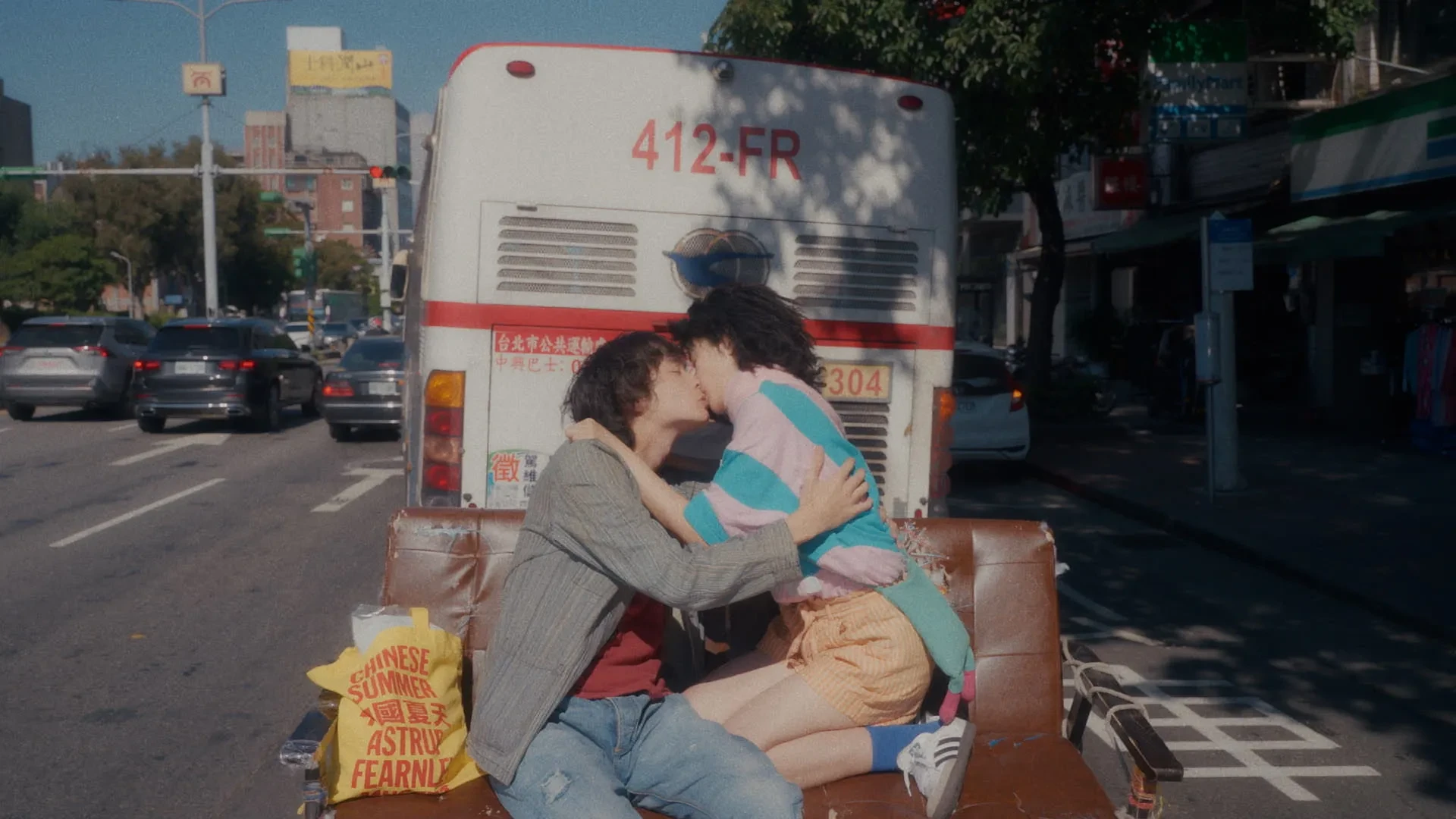
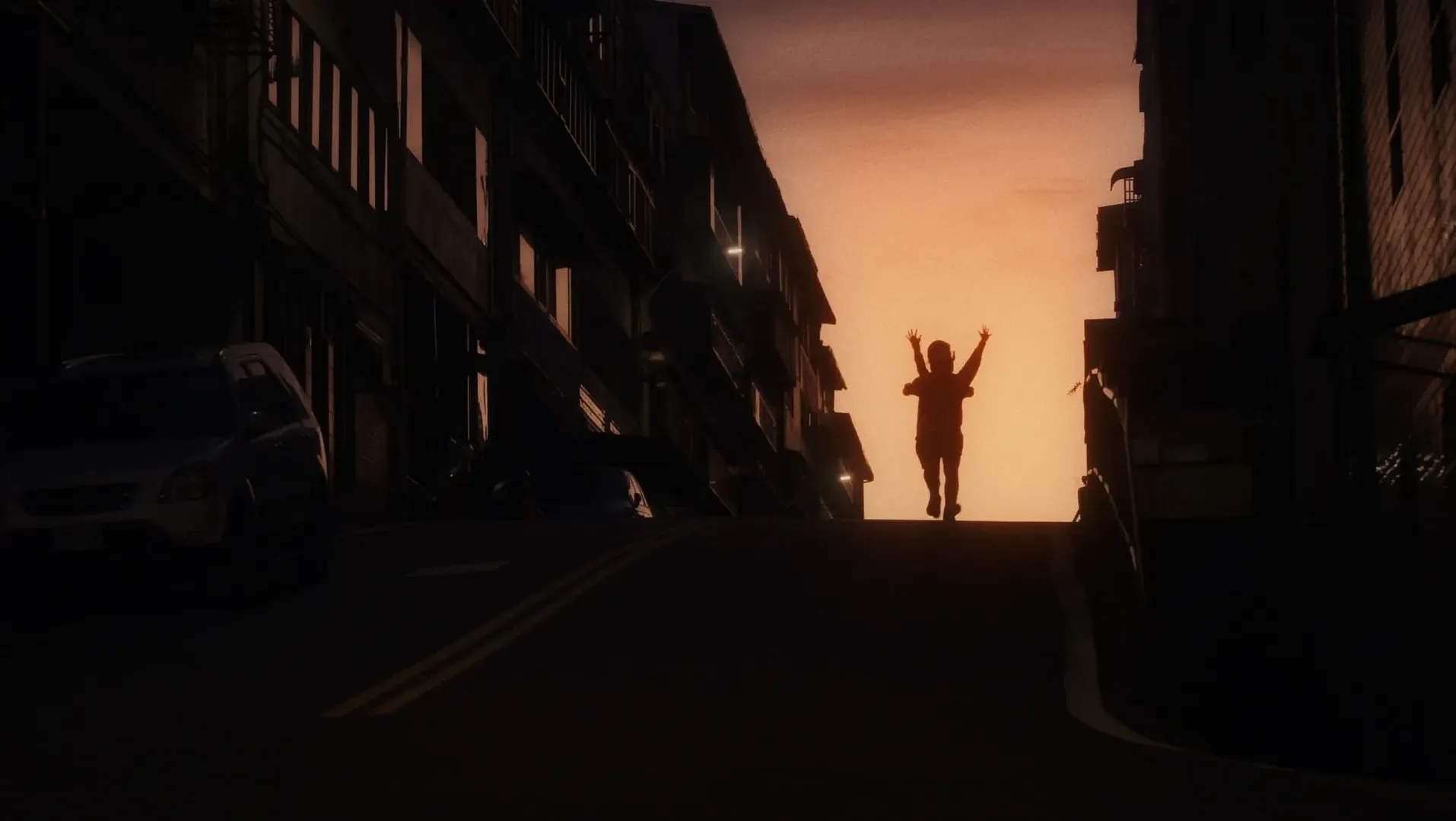
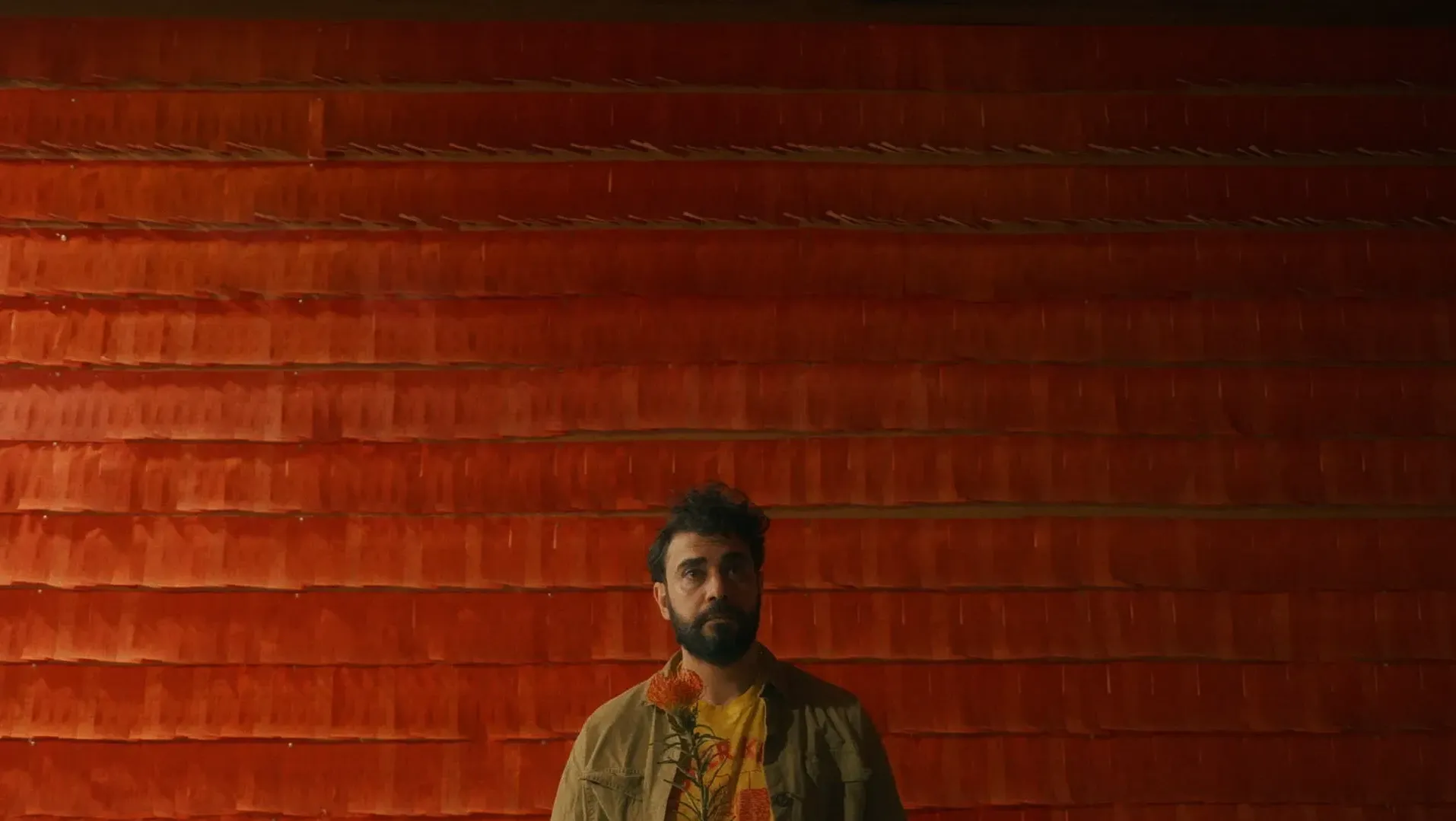
Synopsis
Meanwhile, Melih, having left Istanbul for Taipei, owns a noodle shop. One night, he receives an unexpected flower from the perpetually drunk Ping. Melih begins to stare into the flower from time to time, experiencing the tale of Tao and Shin and revealing his own unspoken desire and failed attempts to connect with Ping.
As Melih digs deeper into the tale, he confronts his struggles to form meaningful relationships. His struggle gradually mirrors Tao’s struggle with Shin. As Tao grows closer to Shin, Shin vanishes, leaving Tao to realize that these recollections, retained only by her, might be mere figments of imagination. Tao’s tale then makes Melih question if it’s better to forget everything, as he contemplates whether letting go of solitary memories might finally bring him peace.
Official selection CPH:DOX Copenhagen International Documentary Festival 2026 - Next:Wave Competition (World Premiere)
Details
- Year
- 2026
- Type of project
- Features
- Running time
- 86 min
- Format
- Digital
- Director
-
Ka Ki Wong 1st Feature
- Producer
- Ka Ki Wong, Ping-chia Chen
- Executive Producer
- Ka Leung Ng, King Lun Yeung
- Editor
- Ka Ki Wong, Yuen Ting Yung, Natalie A. Chao
- Screenwriter
- Ka Ki Wong, Ka Hei Tang, Elizabeth Tang Tao, Melih Selçuk, Shin Cheung Yuk Hin, Yu-ping Wang
- Director of Photography
- Ka Hei Tang
- Production Designer
- Ka Ki Wong, Elizabeth Tang
- Sound
- Tsai-en Huang
- Composer
- Peter Czibolya
- Principal cast
- Elizabeth Tang Tao, Melih Selçuk, Shin Cheung Yuk Hin, Yu-ping Wang
Production Status
Production Company
Ka Ki Wong
128 Yarmouth CrescentN17 9PH
London
UK
Sales Company
Ka Ki Wong
128 Yarmouth CrescentN17 9PH
London
UK
Page updates
This page was last updated on 27th July 2026. Please let us know if we need to make any amendments or request edit access by clicking below.
See also
You may also be interested in other relevant projects in the database.
 India's Circularity: Not a Trend, But Tradition from Margins
Director: Purva Tavri
Year: 2026
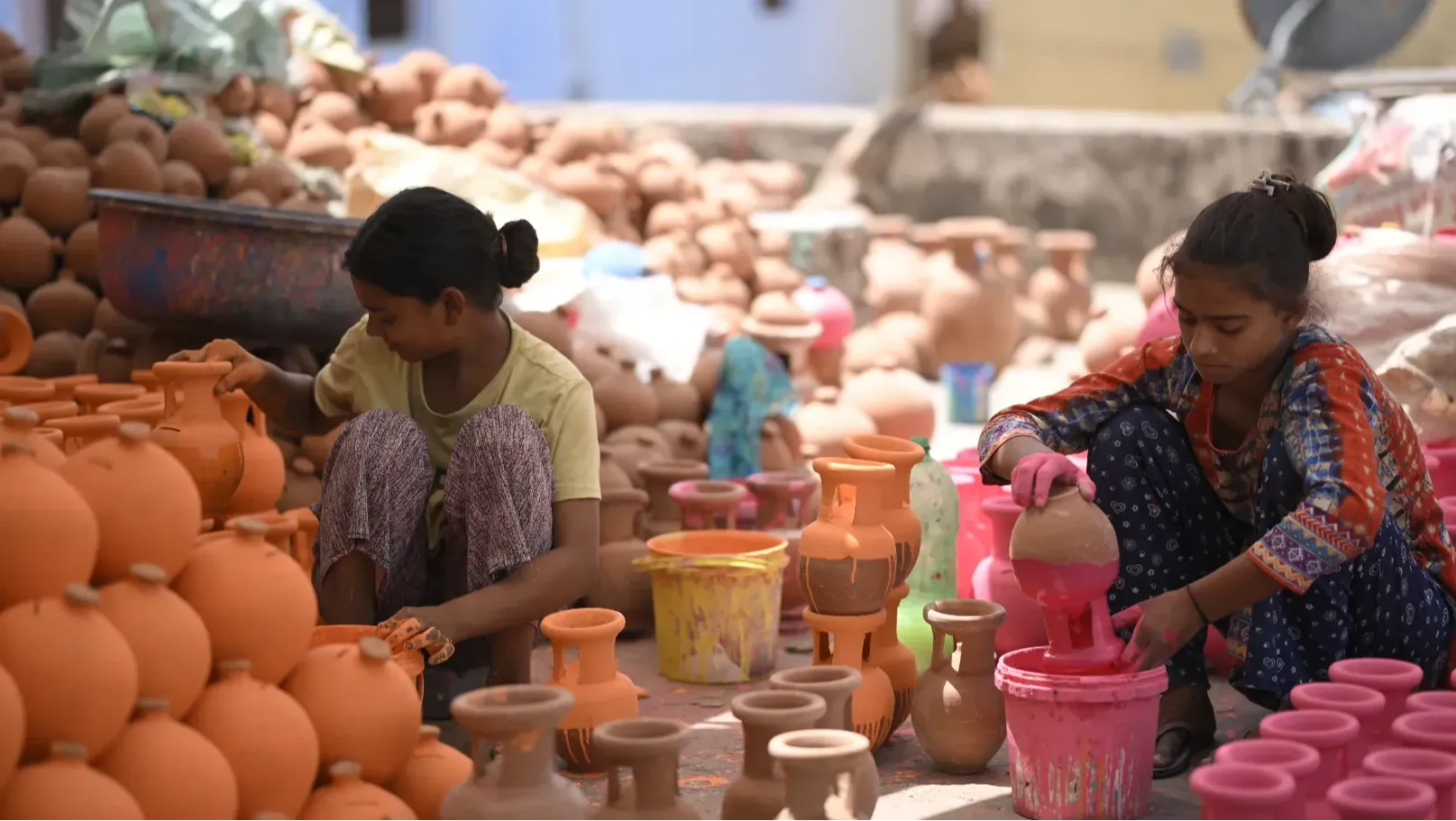
Across India’s overlooked margins, India’s Circularity – Not a Trend, But a Tradition from the Margins reveals how reuse, repair, and regeneration are not innovations - but inherited ways of life rooted in culture, necessity, and care. Featuring voices across sectors - artists, makers, NGO leaders, entrepreneurs, government officials, planners, engineers, institutions, and homemakers - the film journeys through terracotta clusters in Rajasthan, bamboo-timber homes in Sikkim, palm-leaf artisans in Kerala, and community commons in Chhattisgarh. One story is deeply personal: the director’s mother, whose regenerative practices shaped the director’s own circular worldview long before her professional work in sustainability. With poetic narration, immersive visuals, and grounded research, the film reframes circularity as a lived tradition, not a future policy aspiration.
 The Atlas of Sound
Director: Siobhan Silén
Year: 2027
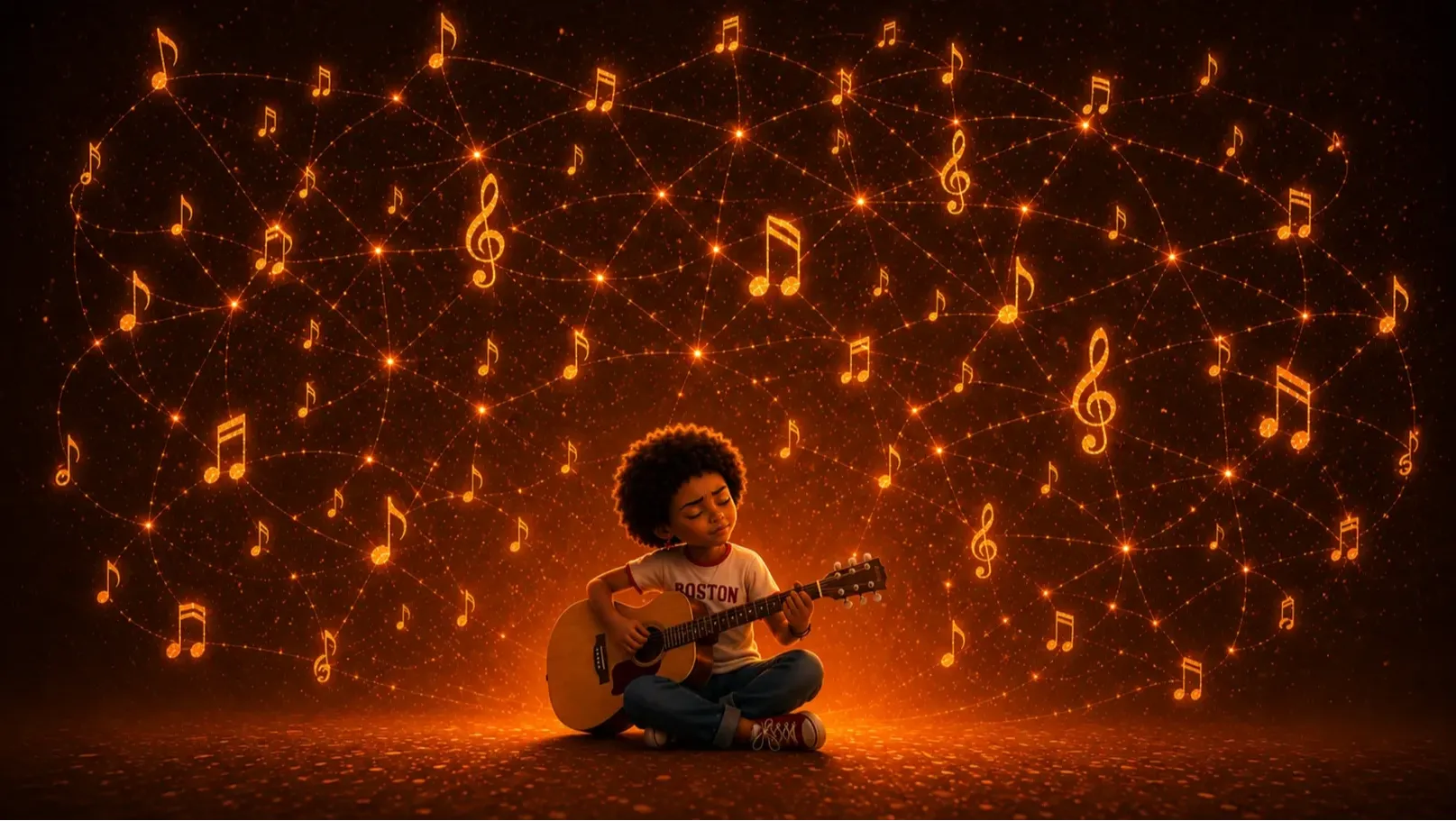
An animated VR short inspired by autistic musician Jen Msumba, who defies a system designed to erase her through synaesthetic music-making. It explores the universal need to be accepted for who we are. Participants journey through Jen’s life, from childhood, when the world feels confusing and “wonky”. Music is her safety and compass. While others read notes on a page, Jen sees visual maps that help her express emotions and navigate uncertainty. As a teenager, Jen’s mother becomes ill and her anxiety overwhelms her. Years of psychiatric institutions and medication leave her sedated, unable to play instruments. Her family sends her to the Judge Rotenberg Center, whose practices will later be described by the United Nations as torture. Over seven years of confinement and painful electric shocks, Jen is taught to believe she is “wrong”. Secretly composing music in her head becomes her refuge. Realising the centre will not support her independence, Jen writes to a judge and wins her freedom. She rediscovers music and invites us into her musical map, where participants touch and transform notes through movement, shifting melodies from classical to punk rock. We end with Jen performing on stage.
 Benches
Director: Clare Richards
Year: 2026
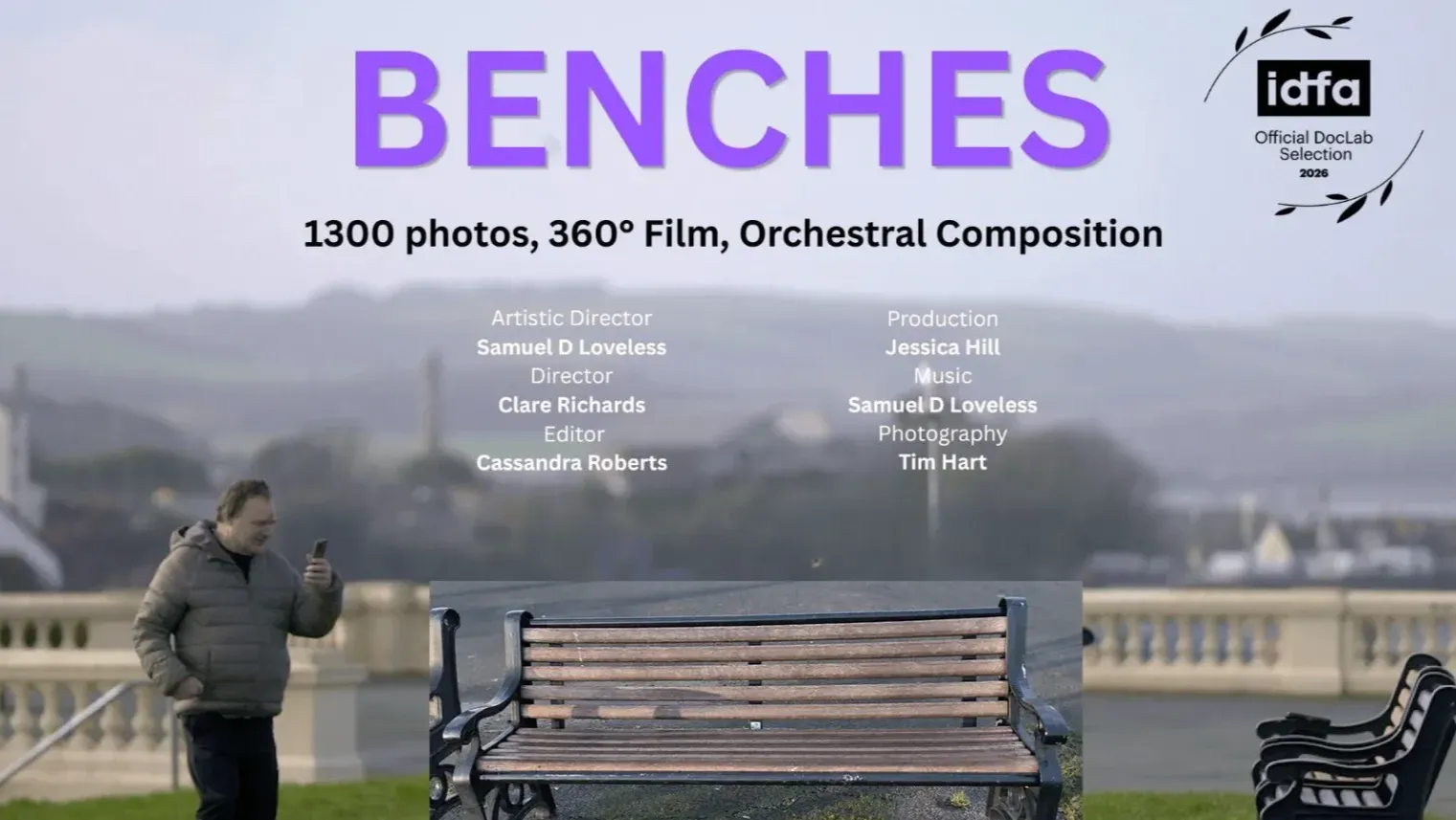
A split-screen dome projection is not something you see every day, yet its subject could hardly be more ordinary: public benches, located mainly in Plymouth, on the south coast of England. Whenever Tim Hart spots a new one, he takes a photograph, as he has done for 50 years. Just one photo, no more. “Cause it’s the same bench,” he explains amiably in Clare Richards’s documentary, which fills one half of the projection. On the other half, an orchestra performs Samuel D Loveless’ score, also titled BENCHES. His music follows the rhythm of Hart’s daily life as he walks from bench to bench, photographs them, sometimes sits down for a while, then moves on. And not just benches: Hart also photographs telephone booths, fairs, and more. Neurodivergent composer Loveless discovered the photographic archive of his autistic uncle Tim and was struck by the beauty of the everyday, patiently collected over decades. It gave Loveless an opportunity to celebrate a neurodivergent way of seeing the world, not by explaining it, but by sharing it.