
KanZeOn

Synopsis
As a documentary, KanZeOn does not seek to explain as much as to enlighten, taking the viewer on a hypnotic sensual journey from the timeless to the modern by way of a mystical parade of images that resonate seamlessly with the sounds.
Details
- Year
- 2011
- Type of project
- Features
- Running time
- 87 mins
- Format
- Digi-beta Tape
- Director
-
Neil Cantwell, Tim Grabham 1st Feature
- Producer
- Neil Cantwell, Tim Grabham
- Editor
- Tim Grabham
- Principal cast
- Eri Fujii, Akihiro Iitomi, Akinobu Tatsumi
Genre
Production Status
Production Company
Cinema Iloobia, www.iloobia.com
in association with The SRK www.thesrk.comPage updates
This page was last updated on 12th May 2025. Please let us know if we need to make any amendments or request edit access by clicking below.
See also
You may also be interested in other relevant projects in the database.
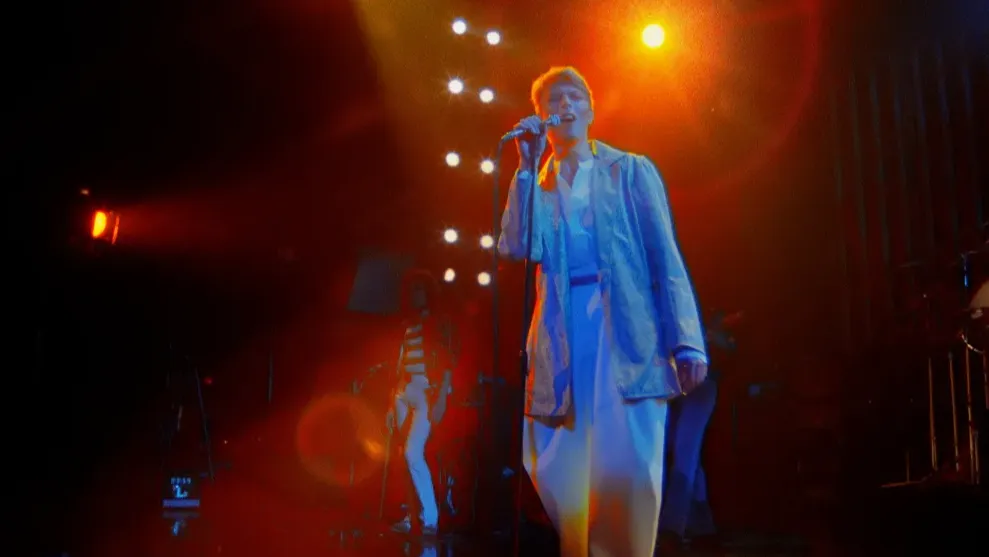 Stage
Director: Brett Morgen
Year: 2027
An arena-scale cinematic experience built out of long-lost, remastered 35mm footage originally shot by British director David Hemmings. The film features previously unseen concert footage of David Bowie from his 1978 Isolar II World Tour, in support of his landmark 'Heroes' album. Using a three-screen presentation, transparent LED screens and large-scale projections, it is described as an “immersive and sound light experience”. Official Selection Berlin International Film Festival 2027 - World premiere
 India's Circularity: Not a Trend, But Tradition from Margins
Director: Purva Tavri
Year: 2026
Across India’s overlooked margins, India’s Circularity – Not a Trend, But a Tradition from the Margins reveals how reuse, repair, and regeneration are not innovations - but inherited ways of life rooted in culture, necessity, and care. Featuring voices across sectors - artists, makers, NGO leaders, entrepreneurs, government officials, planners, engineers, institutions, and homemakers - the film journeys through terracotta clusters in Rajasthan, bamboo-timber homes in Sikkim, palm-leaf artisans in Kerala, and community commons in Chhattisgarh. One story is deeply personal: the director’s mother, whose regenerative practices shaped the director’s own circular worldview long before her professional work in sustainability. With poetic narration, immersive visuals, and grounded research, the film reframes circularity as a lived tradition, not a future policy aspiration.
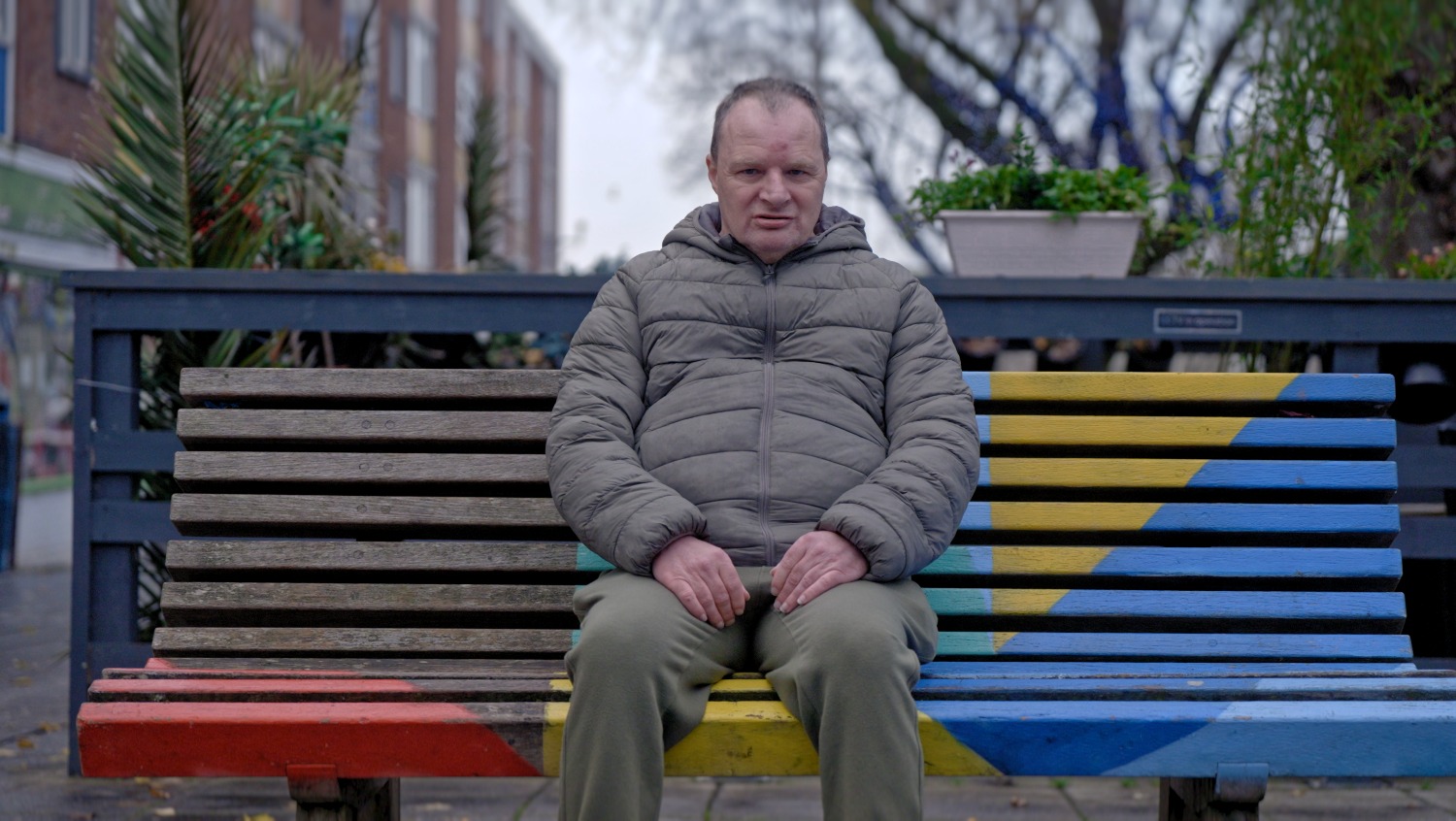 Benches
Director: Clare Richards
Year: 2026
A split-screen dome projection is not something you see every day, yet its subject could hardly be more ordinary: public benches, located mainly in Plymouth, on the south coast of England. Whenever Tim Hart spots a new one, he takes a photograph, as he has done for 50 years. Just one photo, no more. “Cause it’s the same bench,” he explains amiably in Clare Richards’s documentary, which fills one half of the projection. On the other half, an orchestra performs Samuel D Loveless’ score, also titled BENCHES. His music follows the rhythm of Hart’s daily life as he walks from bench to bench, photographs them, sometimes sits down for a while, then moves on. And not just benches: Hart also photographs telephone booths, fairs, and more. Neurodivergent composer Loveless discovered the photographic archive of his autistic uncle Tim and was struck by the beauty of the everyday, patiently collected over decades. It gave Loveless an opportunity to celebrate a neurodivergent way of seeing the world, not by explaining it, but by sharing it.