
Law of the Dragon
Synopsis
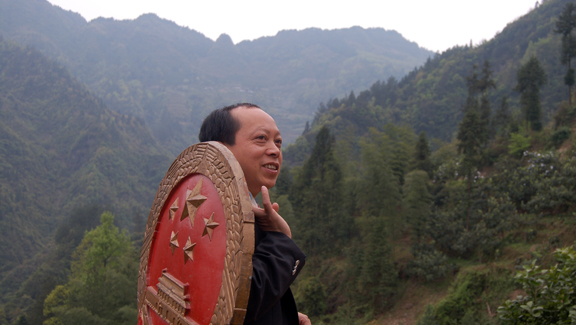
Principally following the austere Judge Chen as he travels around the rural and sparsely populated Xuan-en province, resolving the grievances of the residents and dispensing nuggets of Confucian-Communist wisdom, the series will immerse itself in what matters most to the people who make up much of China’s billion strong population. This is an insightful, refreshing but not rose-tinted look at how justice is being served at grass roots level in this vast and beautiful region.
Details
- Year
- 2011
- Type of project
- Features
- Running time
- 29 (x4)
- Format
- HDV
- Director
-
Weijun Chen
- Producer
- Lawrence Elman
- Executive Producer
- Nick Fraser, Kate Townsend, Mette Hoffmann Meyer, John Lloyd
- Editor
- Gigi Wong
- Director of Photography
- Weijun Chen
- Composer
- Qianli Hu
- Production Manager
- Jody Collins, Brandon C. M. Wong
- Production Assistants
- Chen Shan, Lao Chengze, Sarah Slater, Emily Murfin
Genre
Categories
Production Status
Production Company
Drive Thru Pictures
21 Ganton Street4th Floor
London
W1F 9BN
UK
Sales Company
DR International Sales
DR ByenEmil Holms
Kanal 20
opg. 2-4
DK-0999
Copenhagen C
Denmark
Page updates
This page was last updated on 12th May 2025. Please let us know if we need to make any amendments or request edit access by clicking below.
See also
You may also be interested in other relevant projects in the database.
 Biggest Chinese Restaurant In The World
Director: Weijun Chen
Year: 2009
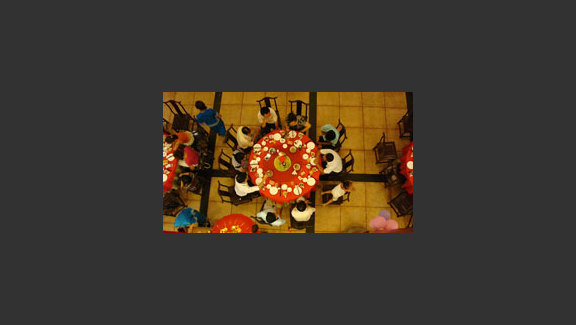
The 5000-seater West Lake Restaurant in the Chinese city of Changsha is the setting for this feature-doc. Old traditions and new money come together in a vibrant and colourful exploration of modern China. Central to the story is the restaurant's owner, the unstoppable Mrs Qin, a Communist Party member with a love of singing. Between mouth-watering and 'exotic' Chinese food and the rousing Communist songs sung by the staff, the film examines how China has been transformed over the last few decades. It also poses the question: in this new affluent and ambitious China, who is thriving and who is left behind? Many of life's most important events take place on the West Lake's stage and it is through these celebrations - a wedding between a wealthy property developer and his beautiful bride, a baby banquet and a grandmother's birthday party - that the film explores the struggles and hopes of Chinese people today.
 The Contract of the Century
Director: Christina D. Bartson
Year: 2027
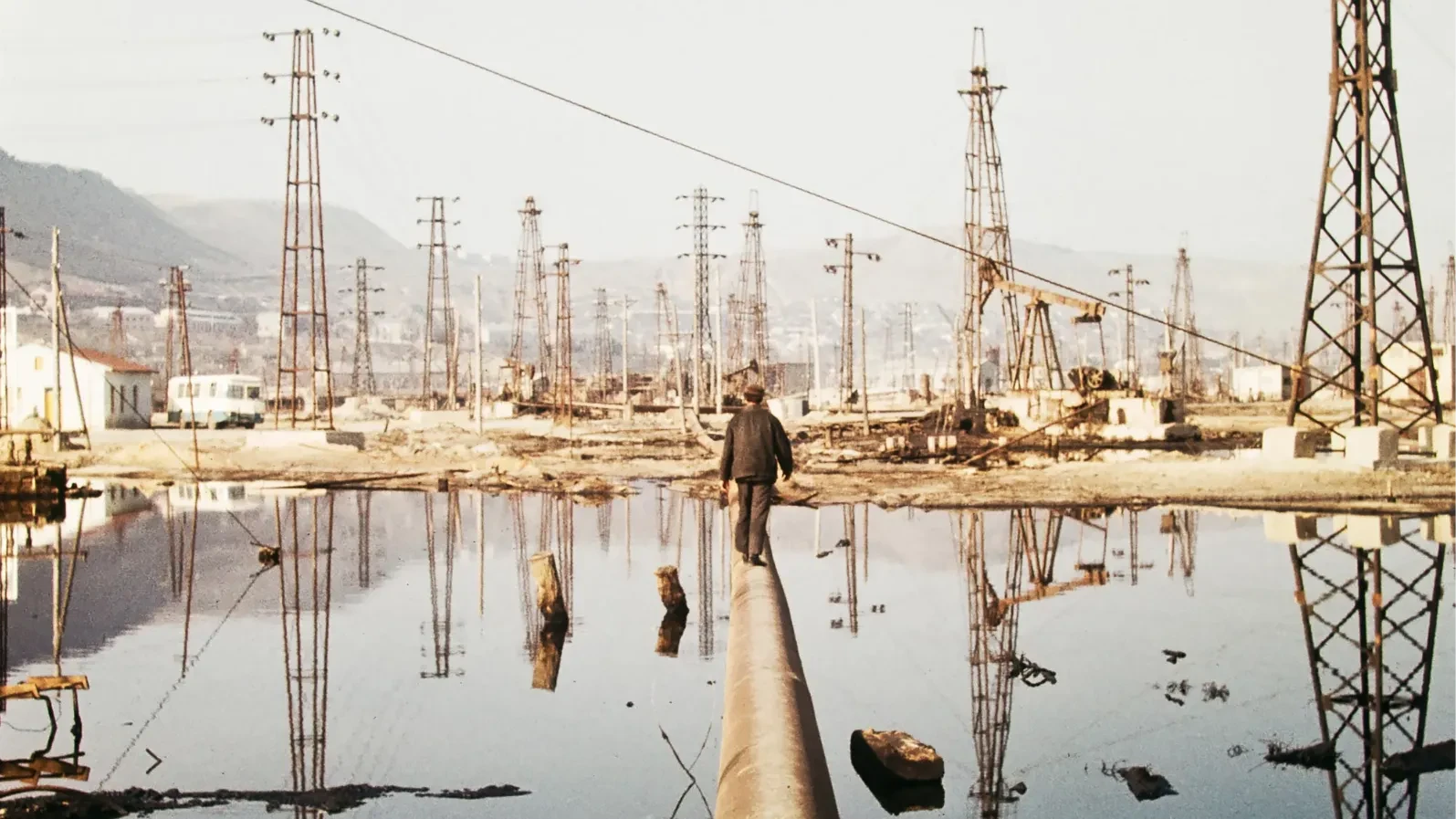
An all-archival film which tells the story of the Baku-Tbilisi-Ceyhan pipeline - one of the most ambitious energy projects of the 21st Century - and the scientists, activists, and farmers that came close to stopping it. Part ghost story, part road trip film, the feature documentary examines how the ghosts of the empire haunt the present, as the world burns.
 Matter of Britain
Director: Peter Treherne
Year: 2026
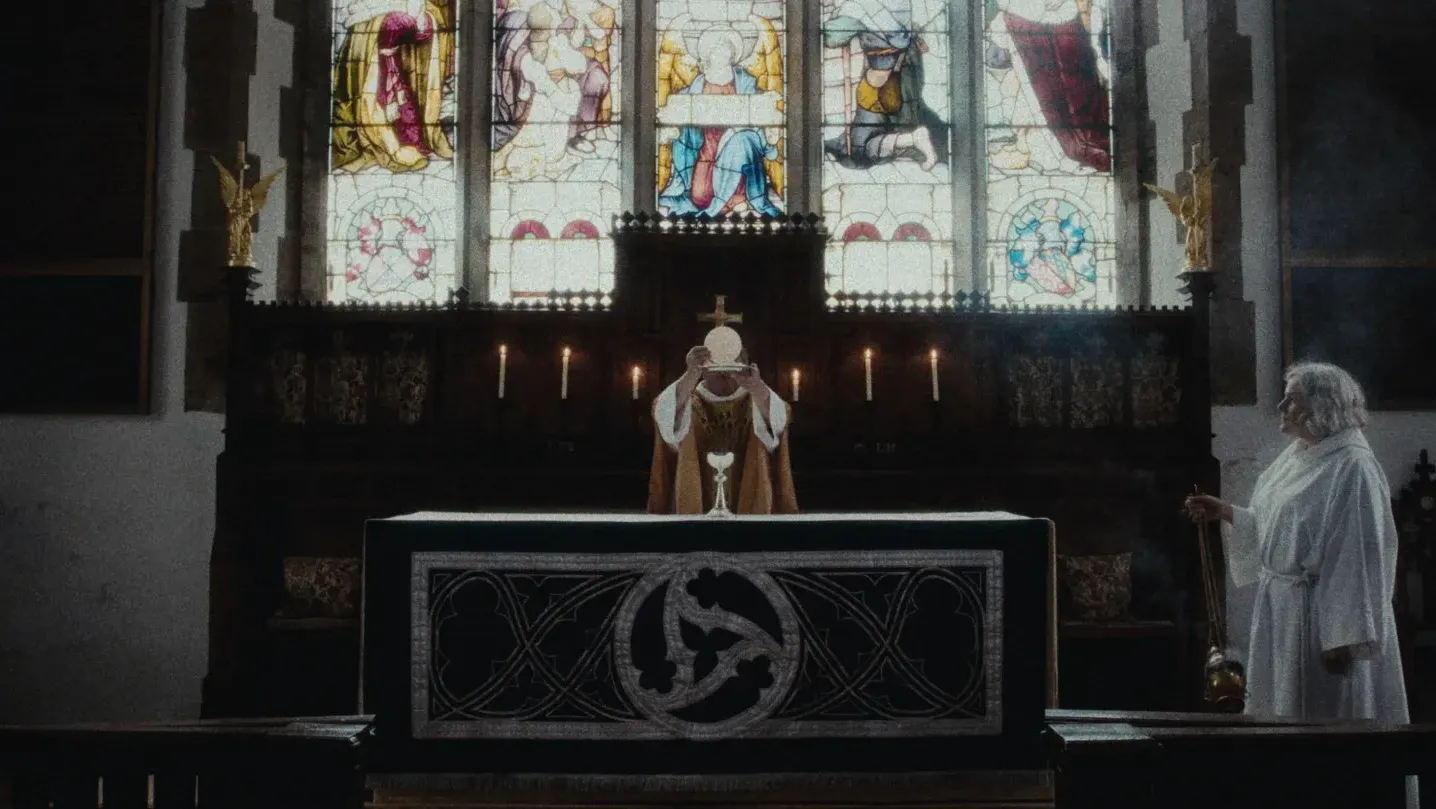
MATTER OF BRITAIN was an English country village’s performance of the Holy Grail myth. In that myth, King Arthur’s knights quest for the Holy Grail in order to heal their wasted land. The performance took place over 12 months from 2023 to 2024 in multiple locations across the parish of Mayfield, East Sussex. Over 300 members of the community took part as questing knights, angelic choirs, guiding anchorites and tempting devils. The performance was documented and subsequently made into an ethnographic fantasy that has screened at the Museum of Modern Art, CPH:DOX, Cinéma du Réel and Open City Documentary Film Festival. The work was supported by an Arts Council England Project Grant, the Lund Trust, High Weald AONB, East Sussex Arts Partnership, the University of Reading and the Museum of English Rural Life.