
Liliesleaf Farm Mayibuye: In Search of the Spectres of History

Synopsis
Liliesleaf Farm, located in Rivonia South Africa, was the headquarters of the military wing of the African National Congress, (‘Umkhonto we Sizwe') in the early 1960s. Nelson Mandela lived at Liliesleaf under an alias. ‘Operation Mayibuye’ was an ANC undercover campaign of sabotage intended to bring down the apartheid government.
Ideas for the film originated with 8mm film footage and photographs of
Gaal-Holmes’ immigrant family at Liliesleaf. Her German and Hungarian parents had recently moved to settle in South Africa, and Liliesleaf became their family home for a short time in the late 1960s.
Official Selection BFI London Film Festival 2016 - Experimenta Strand - World premiere
Details
- Year
- 2016
- Type of project
- Shorts
- Running time
- 10 mins
- Format
- 8mm, 16mm
- Director
-
Patti Gaal-Holmes
- Editor
- Patti Gaal-Holmes
- Screenwriter
- Patti Gaal-Holmes
- Composer
- Emily Barker
- Archival Material
- Gaál family archive and Liliesleaf Museum
Genre
Categories
Production Status
Production Company
UK, South Africa coproduction
Supported by Arts Council England and residencies at the Hosking Houses
Trust (UK) and the Nirox Foundation (South Africa).Itinerant Films
Patti Gaal-HolmesSales Company
c/o Itinerant Films
Patti Gaal-HolmesPage updates
This page was last updated on 12th May 2025. Please let us know if we need to make any amendments or request edit access by clicking below.
See also
You may also be interested in other relevant projects in the database.
 Fevers
Director: James Richards
Year: 2026
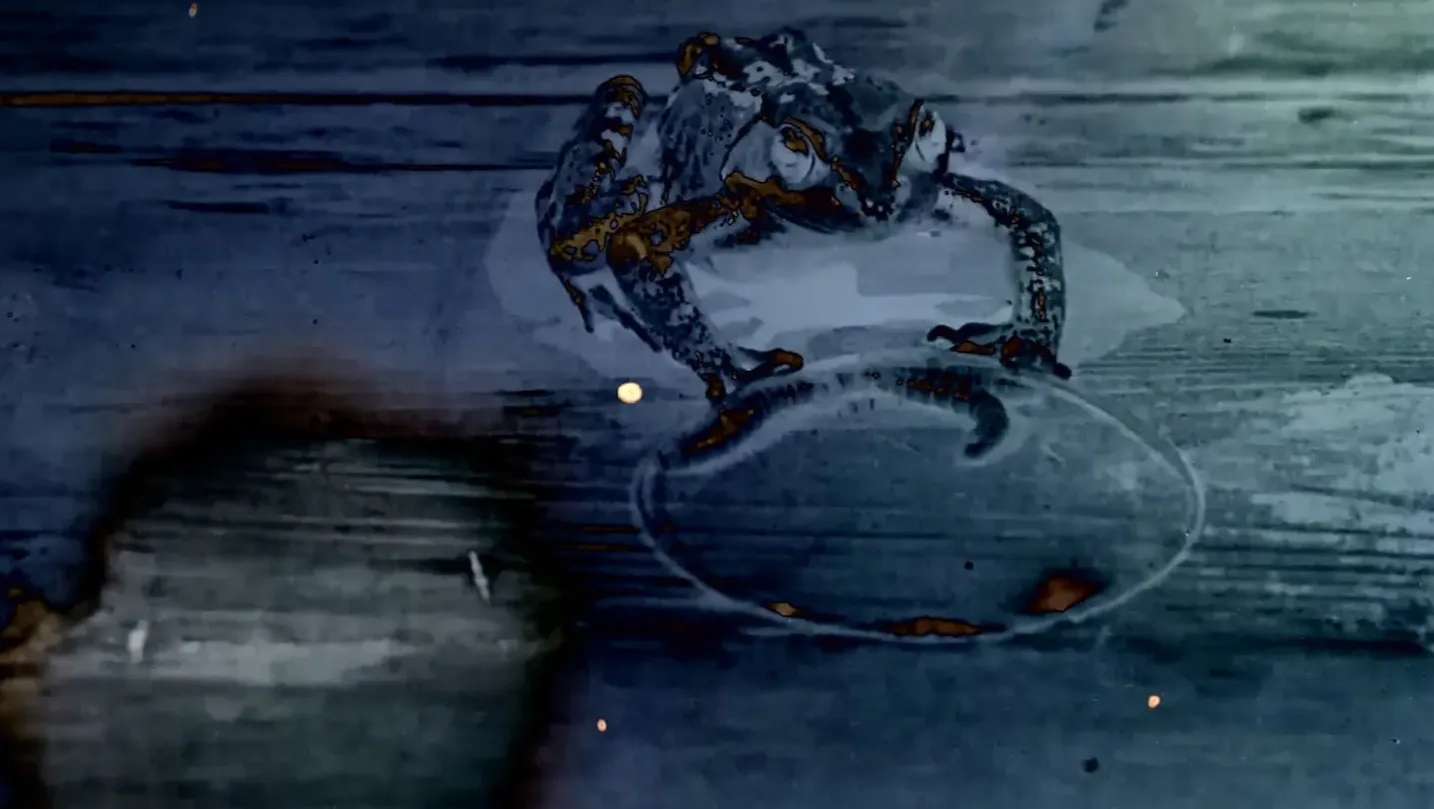
Taking as his starting point - less by way of invocation than summoning - the text from Marguerite Duras’ 'Les Mains négatives' and Tony Conrad’s 'The Flicker', James Richards weaves together stirring fragments composed from 2022-2026, including repurposed material from friends and collaborators including Steve Reinke. The screen is filled with images and impressions, depicting a frantic yet melancholic quest for meaning between language, gesture, and sensation. Official Selection Toronto International Film Festival 2026 - World premiere
 The Atlas of Sound
Director: Siobhan Silén
Year: 2027
An animated VR short inspired by autistic musician Jen Msumba, who defies a system designed to erase her through synaesthetic music-making. It explores the universal need to be accepted for who we are. Participants journey through Jen’s life, from childhood, when the world feels confusing and “wonky”. Music is her safety and compass. While others read notes on a page, Jen sees visual maps that help her express emotions and navigate uncertainty. As a teenager, Jen’s mother becomes ill and her anxiety overwhelms her. Years of psychiatric institutions and medication leave her sedated, unable to play instruments. Her family sends her to the Judge Rotenberg Center, whose practices will later be described by the United Nations as torture. Over seven years of confinement and painful electric shocks, Jen is taught to believe she is “wrong”. Secretly composing music in her head becomes her refuge. Realising the centre will not support her independence, Jen writes to a judge and wins her freedom. She rediscovers music and invites us into her musical map, where participants touch and transform notes through movement, shifting melodies from classical to punk rock. We end with Jen performing on stage.
 A Spirit, a Deity, a Barbarian? Captive in the Subterranean
Director: Hannan Jones
Year: 2025
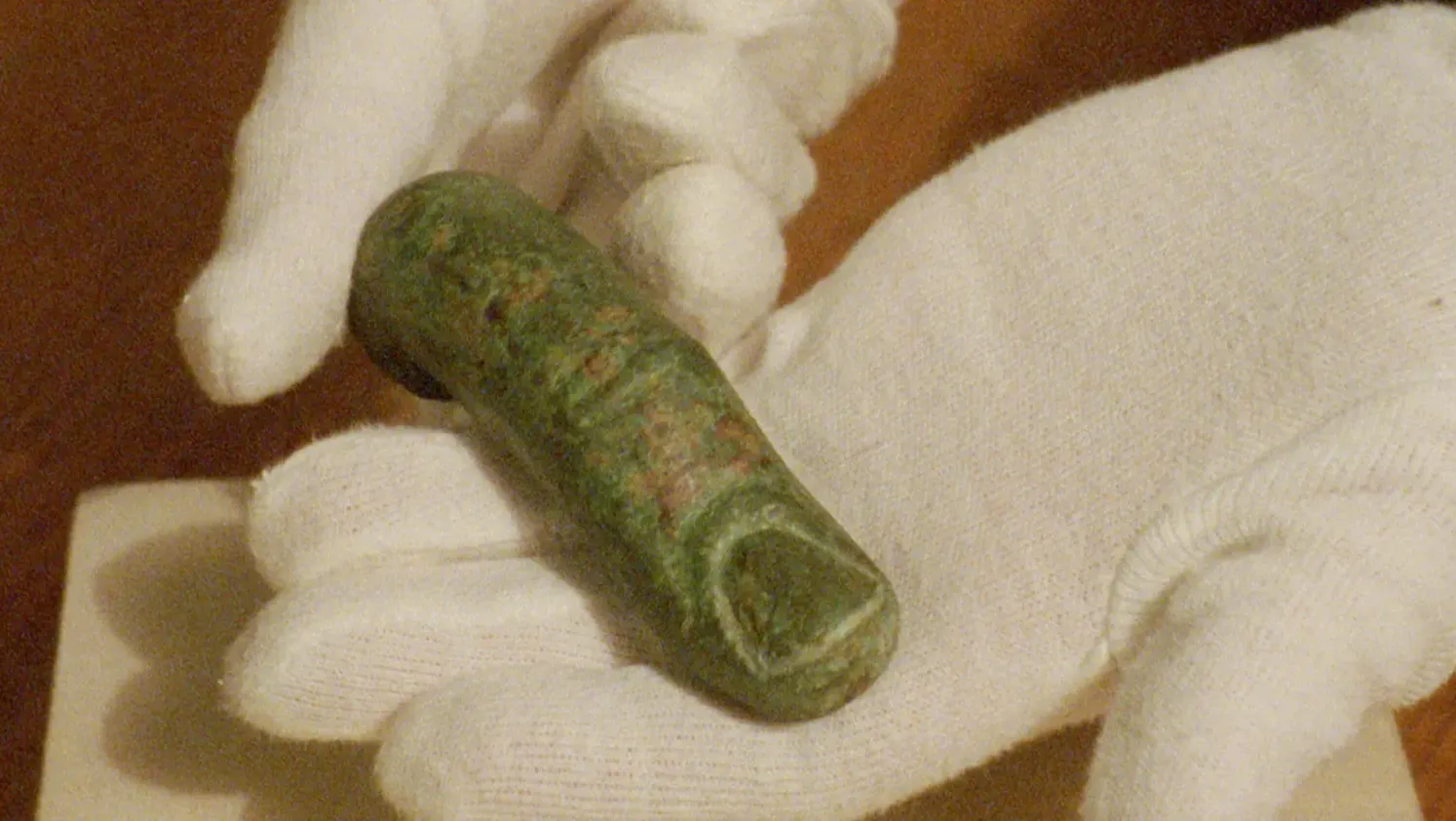
In the subterranean archive of the National Roman Legion Museum, where artefacts and imperial debris trace Britain’s imperial past, the possible first depiction of a Welshmen or “barbarian” becomes a catalyst to unsettle imperial narratives and surface long-suppressed voices.