
Lost Every Day

Synopsis
Details
- Year
- 2010
- Type of project
- Shorts
- Running time
- 10 mins
- Format
- HD Cam
- Director
-
Michelle Coomber
- Producer
- Rebecca Day
- Executive Producer
- Rachel Wexler
- Editor
- Emiliano Battista
- Director of Photography
- Michelle Coomber, Jon Cardwell
- Sound
- Michelle Coomber, Jon Cardwell
- Composer
- Max Cooper
Categories
Production Status
Production Company
Medina Films
Bungalow Town
Page updates
This page was last updated on 12th May 2025. Please let us know if we need to make any amendments or request edit access by clicking below.
See also
You may also be interested in other relevant projects in the database.
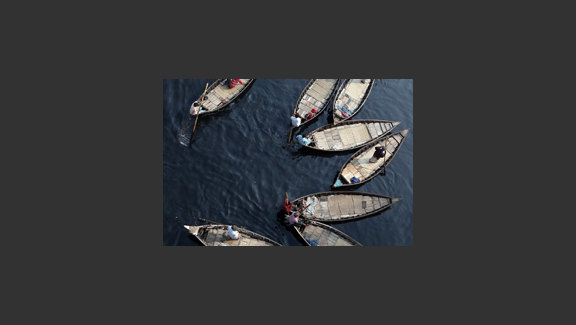 Buriganga
Director: Michelle Coomber
Year: 2011
Four lives that coalesce around the Buriganga River in Bangladesh.
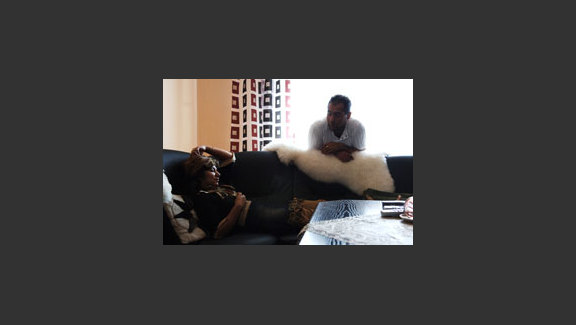 Trial of a Child Denied
Director: Michelle Coomber
Year: 2009
When Helena Fereníková was 19 years old and in the throes of labor with her first child, she was told to sign a document. Only afterwards did she realize she had authorized her own sterilization. Eleven years previously, the same happened to Elena Gorolová. Both women are fighting for justice. Helena has chosen legal action, and became the first Roma woman to win a case in Central Europe against the hospital that sterilized her in 2001. Elena addresses international audiences to ensure this never happens again.Helena and Elena's situations are a microcosm for the multiple sources of social injustice facing today's Roma. Through their poignant and unnerving stories, this film unearths the shocking anachronism of the practice of forced sterilization that continued long after the Communist mandate.
 Hello You
Director: May Abdalla, Barry Gene Murphy
Year: 2026
Hello You is an autopsy of your reflection. This mirror has two sides: one that observes, and another that follows. Exploring stories of altered perception, from phantom limbs to the feeling of being a stranger in your own body, the experience stretches the split-second act of self-recognition into something you can watch unfold. Here you are asked not to look at yourself, but at the lenses through which you look.