
Marvin Hamlisch: What He Did For Love

Synopsis
Details
- Year
- 2013
- Type of project
- Features
- Running time
- 82 mins
- Director
-
Dori Berinstein
- Producer
- Dori Berinstein
- Executive Producer
- Alan Deutsch
- Editor
- Penelope Falk
- Screenwriter
- Dori Berinstein
- Director of Photography
- Alan Deutsch, Jimmy O'Donnell
- Sound
- Jack Norflus
- Principal cast
- Ann-Margret, Idina Menzel, Liza Minnelli
Categories
Production Status
Production Company
Dori Berinstein
dori@dramaticforces.com
Sales Company
Public Broadcasting Service (PBS)
2100 Crystal DrArlington, VA 22202
USA
http://www.pbs.org/
Tel: +1 703 682 7500Page updates
This page was last updated on 12th May 2025. Please let us know if we need to make any amendments or request edit access by clicking below.
See also
You may also be interested in other relevant projects in the database.
 Africa Express
Director: Emilio Guerrero Alexander
Year: 2026
Founded in 2004 by Damon Albarn and Ian Birrell, the UK music collective Africa Express has spent two decades bringing artists together across borders. In February 2024 it arrived in the Americas for the first time. Over eight days in Las Estacas, Mexico, more than 60 musicians from Africa, Latin America, Europe and the United States came together to rehearse, perform and create an album from scratch. Following Africa Express from Mexico through Europe and back, the film becomes a poetic journey through music, memory and imagination, celebrating the power of collaboration and community as reality slowly blurs with fantasy. With no single protagonist, the collective itself is the main character and music is its language. Africa Express is a portrait of a fleeting community and of what strangers from different worlds can build when they truly listen to each other.
 The Lives of Brian
Director: Bill Jones, Ben Timlett
Year: 2027
An intimate and wildly entertaining portrait of rock legend Brian Johnson, THE LIVES OF BRIAN charts his journey from working-class Newcastle to fronting AC/DC and recording the best-selling rock album of all time, told with his trademark wit, raw honesty, and a touch of Monty Python flair.
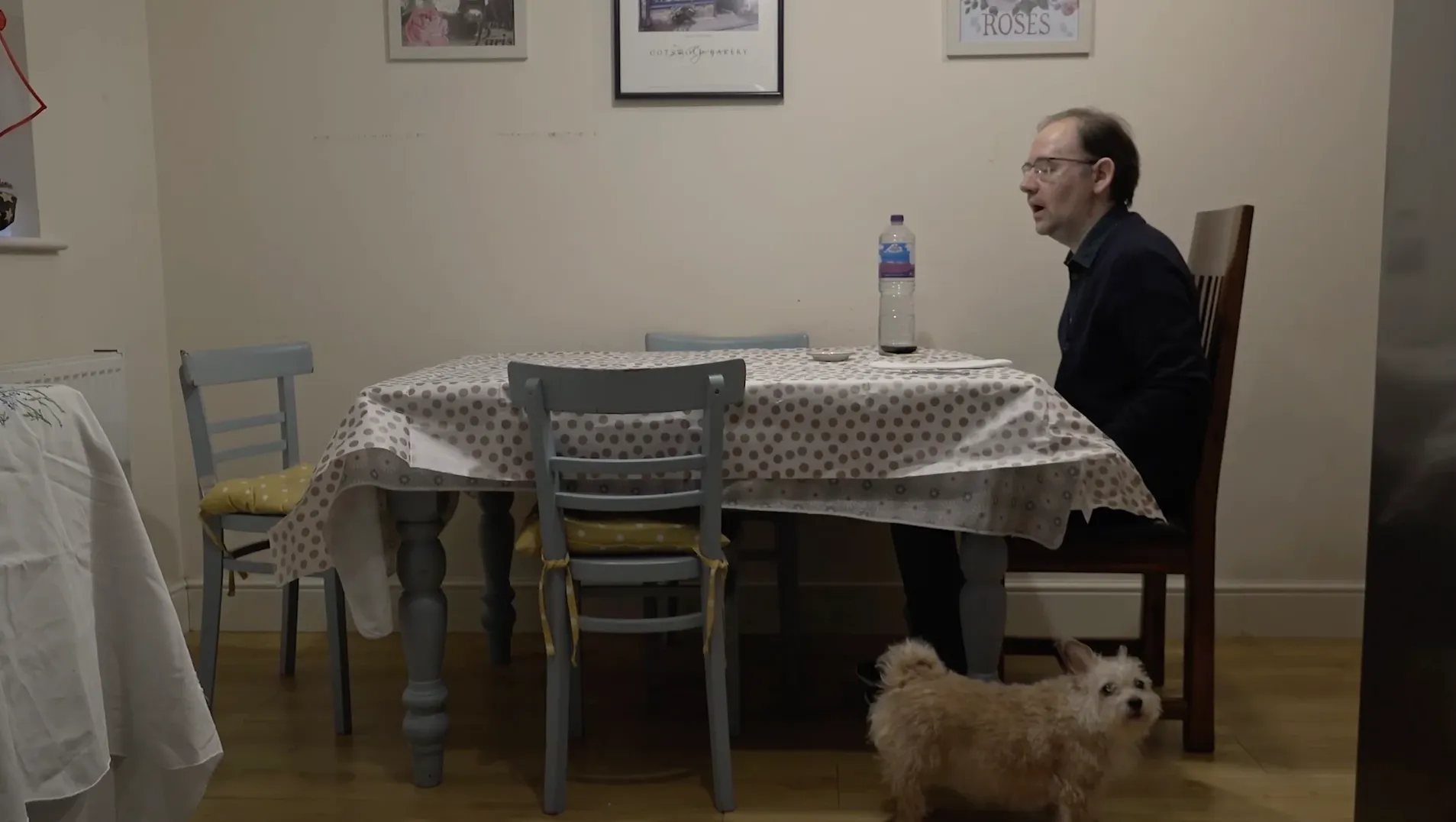 I was Paolo
Director: Ian McDonald
Year: 2027
An intimate portrait of Paolo Avenati, a once-aspiring filmmaker living with a progressive fatal mitochondrial disease, and his fiercely devoted mother, Loretta. As the illness takes over Paolo's mind and body, leaving him completely dependent on his mother, she becomes his voice, revealing the quiet realities of caregiving and anticipatory grief. Moving between moments of tenderness, humour and sorrow, the film traces a mother’s enduring love as she learns that sometimes the deepest expression of love is learning how to let go.