
Nureyev: An Orgy of One (aka Nureyev)

Synopsis
Details
- Year
- 2017
- Type of project
- Features
- Running time
- 100 mins (tbc)
- Director
-
David Morris, Jacqui Morris
- Producer
- Treavor Beattie, Jacqui Morris
- Executive Producer
- Jeremy Chatterton, Aaron Lau, Angus Neill
- Editor
- David Fairhead, Tim Moss
- Screenwriter
- David Morris, Jacqui Morris
- Director of Photography
- Michael Wood
- Composer
- Alex Baranowski
Categories
Production Status
Production Company
Frith Street Films
50 Frith StreetLondon
W1D 4SQ
Page updates
This page was last updated on 12th May 2025. Please let us know if we need to make any amendments or request edit access by clicking below.
See also
You may also be interested in other relevant projects in the database.
 Savage World
Director: Adam Lewis Jacob
Year: 2027
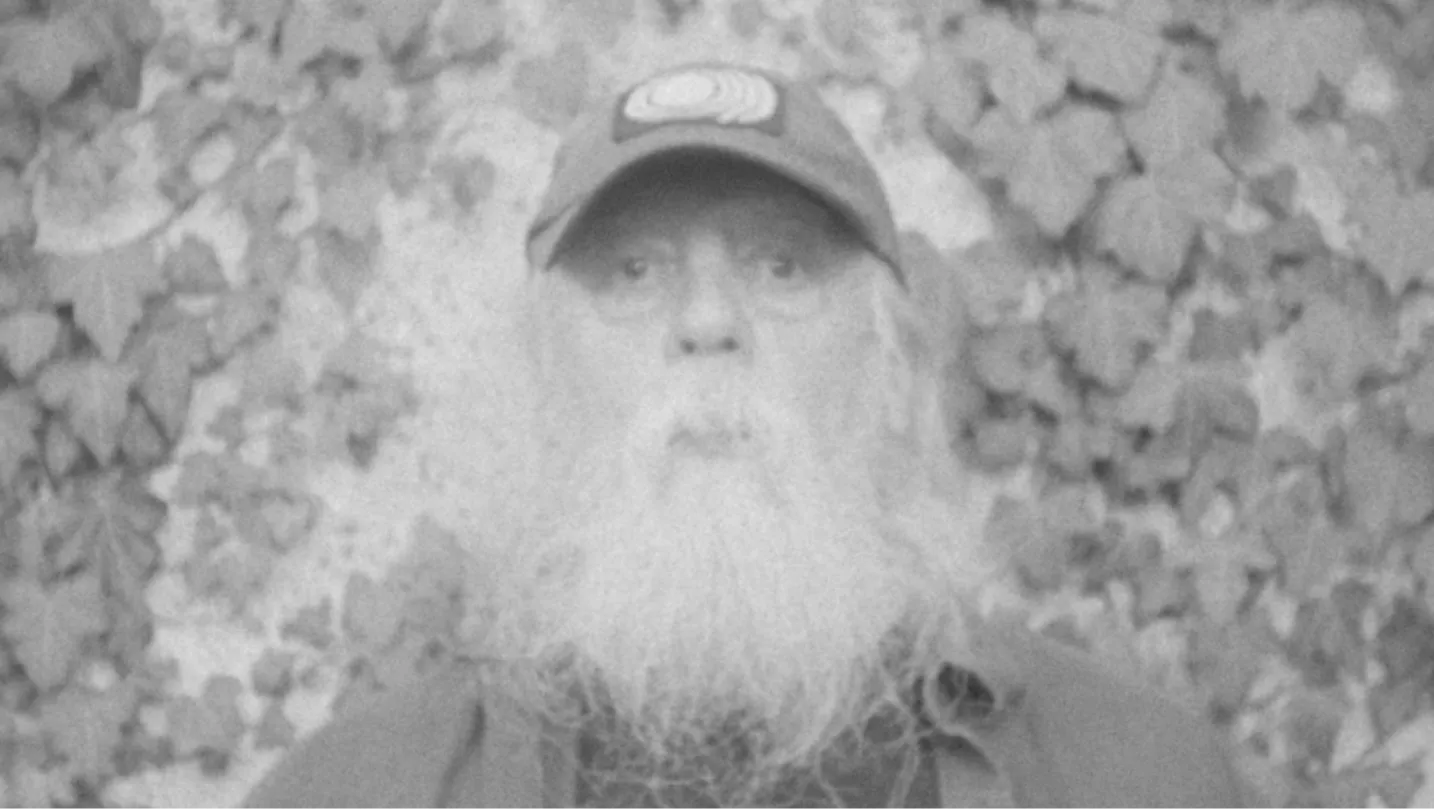
In a collision of underground aesthetics and experimental filmmaking, artist Adam Lewis Jacob presents an immersive exploration of the anarchic mind of artist, writer and musician Edwin Pouncey AKA Savage Pencil. The film disregards any conventional documentary approach through psychedelic and confrontational expressions, creating a unique way into Edwin’s Savage World. The work becomes a conduit, with Pouncey as subject and guide, for his ink-soaked universe of sonic mayhem, subversive comix and noir-drenched aesthetics. Employing a deliberately eclectic visual approach with grimy 16mm, VHS and scorched digital, the film pulses with the raw energy of underground DIY culture.
 Gustaf Broms Shadow Play
Director: Peter Bromley
Year: 2026
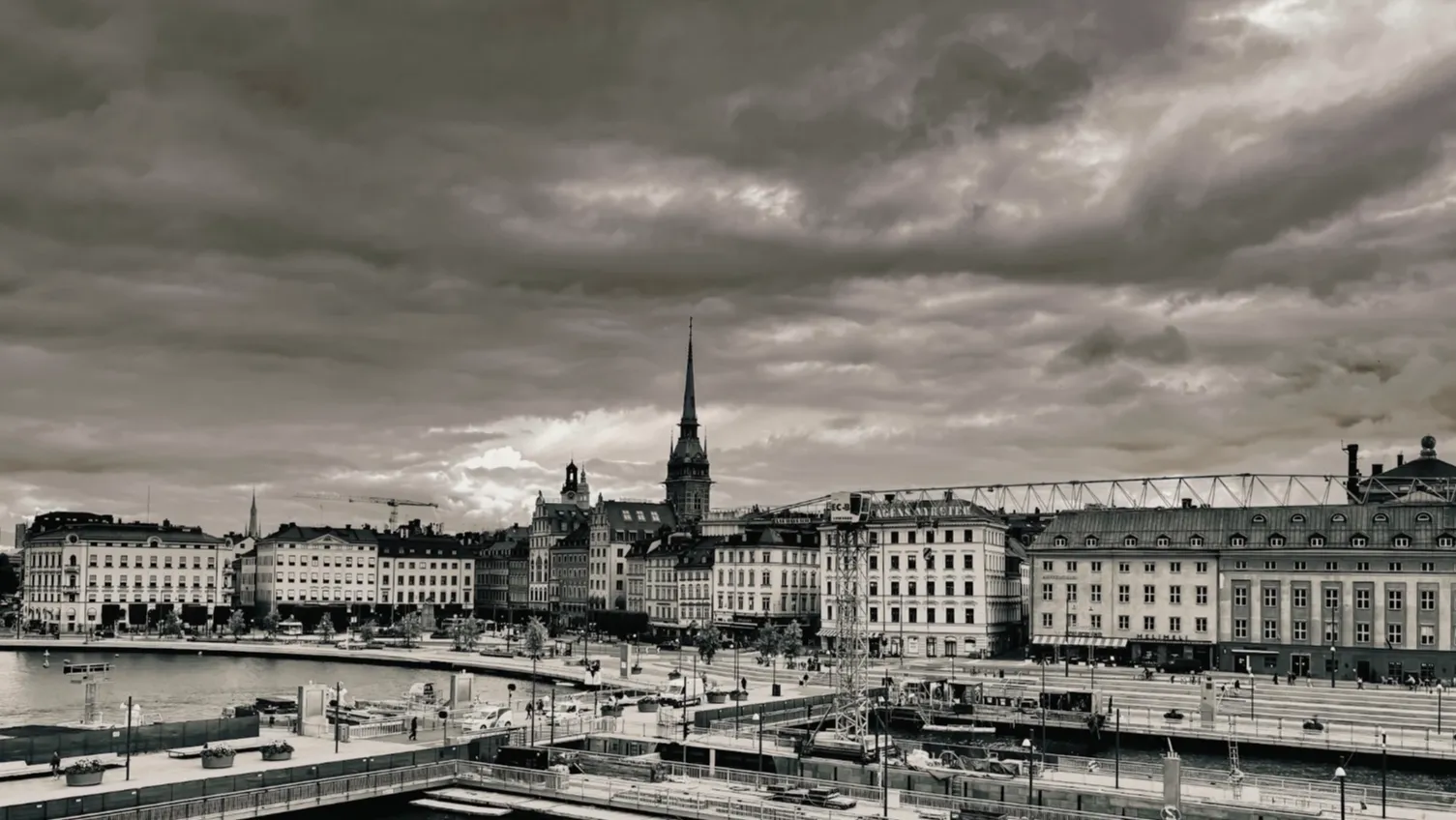
Filmed in Sweden, this observational documentary follows performance artist Gustaf Broms as he develops and inhabits his work. Interwoven with intimate interviews, the film stays close to the process, exploring the relationship between body, landscape, time, and presence through carefully observed moments rather than narration or explanation.
 Turf
Director: Georgia Parkinson, Cameron Robbins
Year: 2026
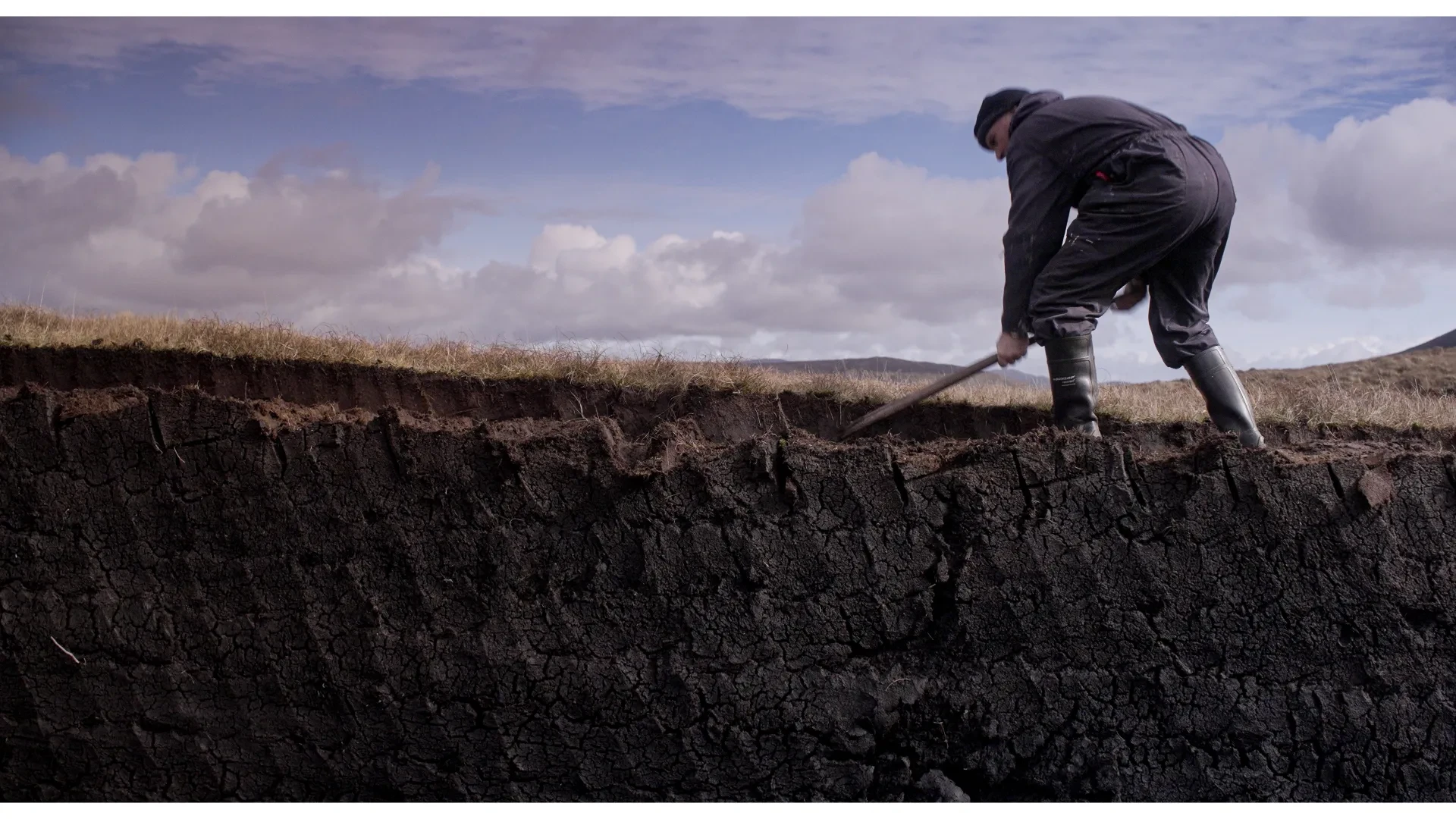
Over the course of a year in Donegal, a group of turf cutters dig, stack and dry the sods that will warm their homes through winter. Following the rhythms of this age-old work, ‘Turf’ offers an intimate portrait of a community whose culture is bound to the bog. But the environmental damage caused by turf cutting brings their way of life into conflict with the need to protect the landscape. For those who have worked the bog for generations, the prospect of change poses a difficult question: who bears the cost when a tradition can no longer continue? Radio archive forms an unsettling counterpoint to the rhythms of the cutters’ daily work. A portrait of intergenerational change, ‘Turf’ asks what it means when a way of life is judged incompatible with the modern world.