
Red Herring

Synopsis
What follows is Kit’s journey into the depths of the soul. As both filmmaker and character, he examines the nuances of living with a terminal disease and dissects the fear that comes with it. The film weaves a tapestry of each character's experience that unravels from a single moment that tore their lives apart and creates a powerful portrait of a dysfunctional family battling with issues of spirituality, kinship and death, whilst proving that humour and love always prevail.
Official Selection True/False Film Festival 2023 - World premiere
Official Selection Thessaloniki International Documentary Festival 2023 - European premiere
Official Selection Sheffield DocFest 2023
Details
- Year
- 2023
- Type of project
- Features
- Running time
- 94 min
- Format
- 4k
- Director
-
Kit Vincent 1st Feature
- Producer
- Edward Owles
- Co-Producer
- Dea Gjinovci
- Executive Producer
- Hannah Bush Bailey, Rachel Wexler, Jez Lewis, Alex Lieberman, Gary Lieberman
- Editor
- Harriet Brooks-Ward, David Higgs
- Director of Photography
- Kit Vincent, Rik Burnell
- Sound
- Adina Istrate
- Composer
- Xav Clarke
Categories
Production Status
Production Company
A Good Kid Films production in association with Bright West Entertainment and Postcode Films, supported by BFI Doc Society, The Whickers, France Televisions, Jewish Story Partners, Sundance Institute Documentary Film Program, Jewish Film Institute
Good Kid Films
c/o Ed OwlesEuropa House
Goldstone Villas
Hove
BN 3RQ
Sales Company
Cinephil
Olivier Tournaud18 Levontin Street
Tel Aviv 6511207
Israel
Page updates
This page was last updated on 12th May 2025. Please let us know if we need to make any amendments or request edit access by clicking below.
See also
You may also be interested in other relevant projects in the database.
 The Atlas of Sound
Director: Siobhan Silén
Year: 2027
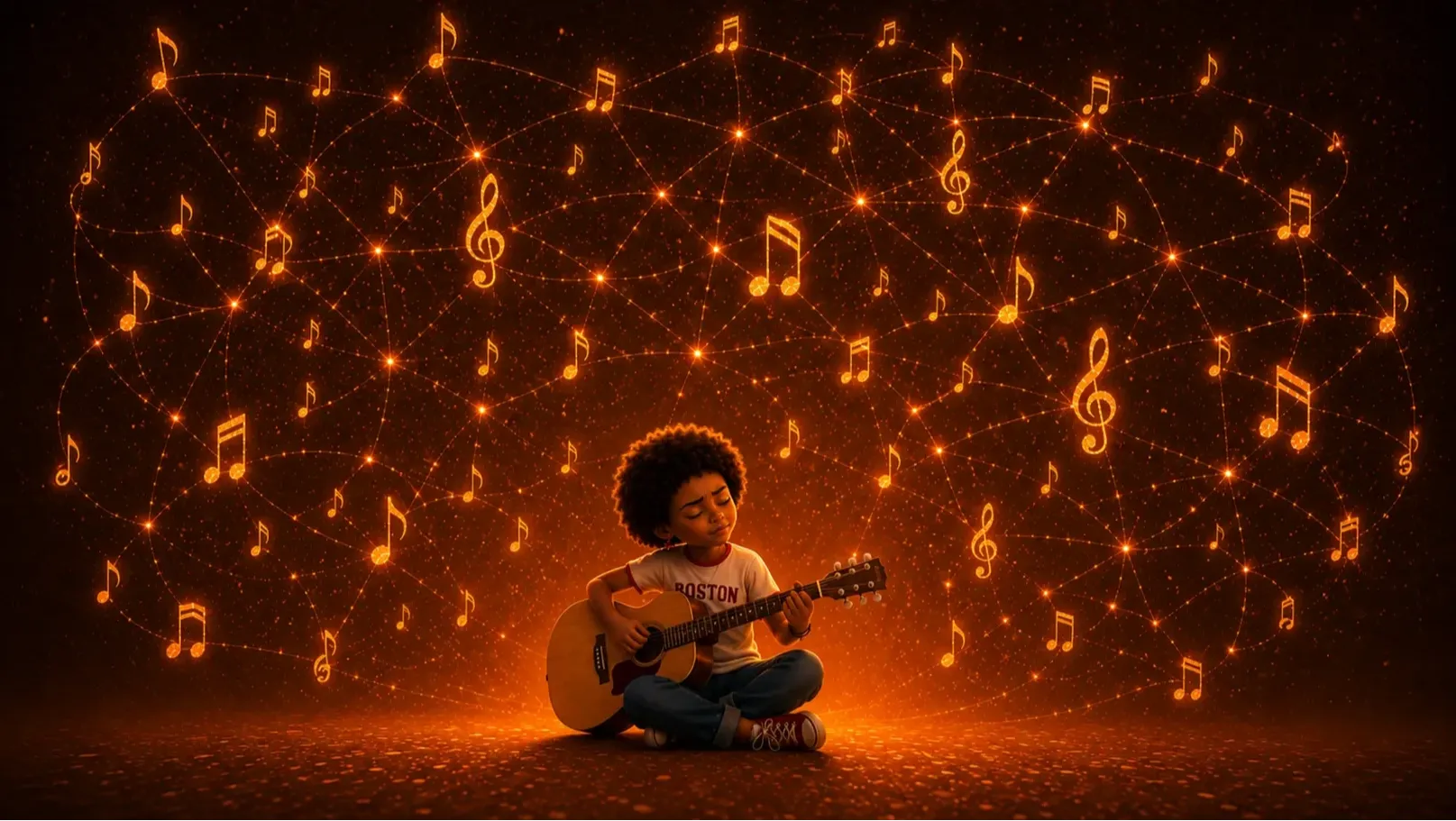
An animated VR short inspired by autistic musician Jen Msumba, who defies a system designed to erase her through synaesthetic music-making. It explores the universal need to be accepted for who we are. Participants journey through Jen’s life, from childhood, when the world feels confusing and “wonky”. Music is her safety and compass. While others read notes on a page, Jen sees visual maps that help her express emotions and navigate uncertainty. As a teenager, Jen’s mother becomes ill and her anxiety overwhelms her. Years of psychiatric institutions and medication leave her sedated, unable to play instruments. Her family sends her to the Judge Rotenberg Center, whose practices will later be described by the United Nations as torture. Over seven years of confinement and painful electric shocks, Jen is taught to believe she is “wrong”. Secretly composing music in her head becomes her refuge. Realising the centre will not support her independence, Jen writes to a judge and wins her freedom. She rediscovers music and invites us into her musical map, where participants touch and transform notes through movement, shifting melodies from classical to punk rock. We end with Jen performing on stage.
 A Spirit, a Deity, a Barbarian? Captive in the Subterranean
Director: Hannan Jones
Year: 2025
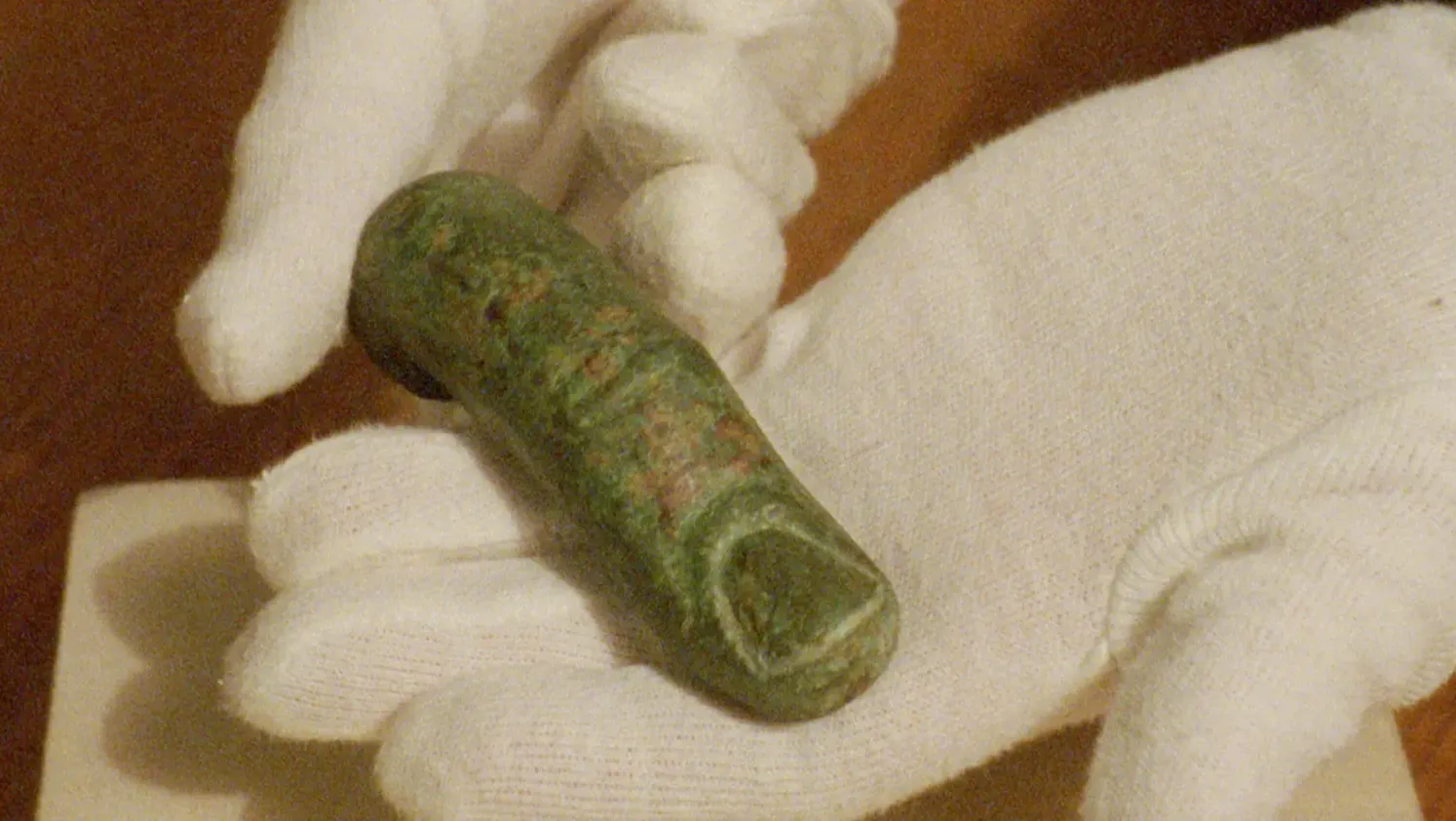
In the subterranean archive of the National Roman Legion Museum, where artefacts and imperial debris trace Britain’s imperial past, the possible first depiction of a Welshmen or “barbarian” becomes a catalyst to unsettle imperial narratives and surface long-suppressed voices.
 Benches
Director: Clare Richards
Year: 2026
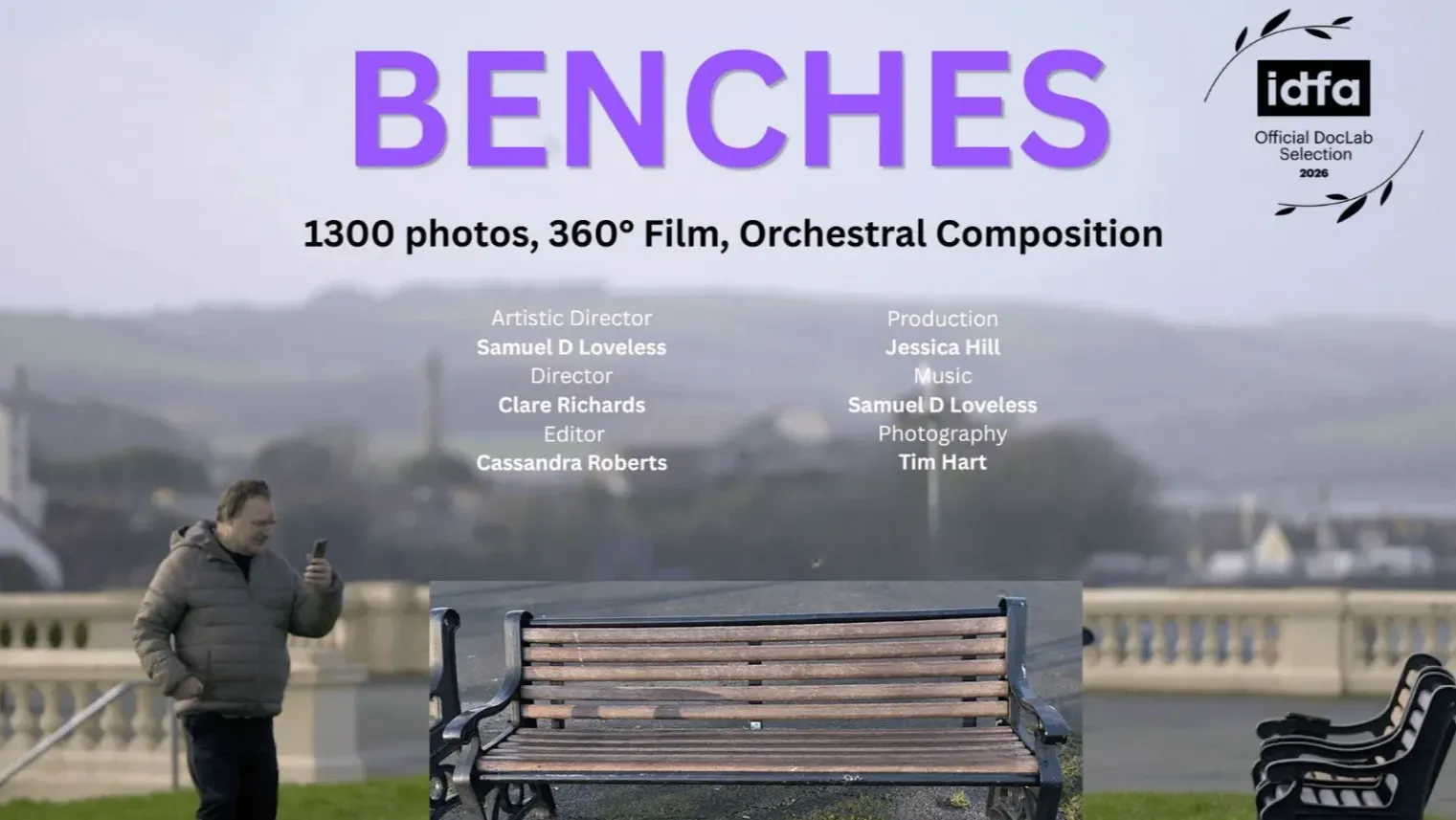
A split-screen dome projection is not something you see every day, yet its subject could hardly be more ordinary: public benches, located mainly in Plymouth, on the south coast of England. Whenever Tim Hart spots a new one, he takes a photograph, as he has done for 50 years. Just one photo, no more. “Cause it’s the same bench,” he explains amiably in Clare Richards’s documentary, which fills one half of the projection. On the other half, an orchestra performs Samuel D Loveless’ score, also titled BENCHES. His music follows the rhythm of Hart’s daily life as he walks from bench to bench, photographs them, sometimes sits down for a while, then moves on. And not just benches: Hart also photographs telephone booths, fairs, and more. Neurodivergent composer Loveless discovered the photographic archive of his autistic uncle Tim and was struck by the beauty of the everyday, patiently collected over decades. It gave Loveless an opportunity to celebrate a neurodivergent way of seeing the world, not by explaining it, but by sharing it.