
Rudeboy: The Story of Trojan Records
Synopsis
Official Selection BFI London Film Festival 2018 - Create Strand - World premiere
Official Selection IDFA 2018 - International premiere
We Are One: A Global Film Festival 2020 - Selection Curated by BFI London Film Festival
Details
- Year
- 2018
- Type of project
- Features
- Running time
- 86 min
- Director
-
Nicolas Jack Davies
- Producer
- Sam Bridger, Vivienne Perry
- Executive Producer
- Thomas Benski, Marisa Clifford, Kathy Rivkin Daum, Justus Haerder, Brian Levy
- Editor
- Chris Duveen
- Director of Photography
- Jonas Mortensen
- Sound
- Steven Hodge
- Supervising Sound Editor, Sound Effects Editor
- Jay Price
- Re-recording Mixer
- John Rogerson
Categories
Production Status
Production Company
UK, Jamaica co-production
Pulse Films
17 Hanbury StreetLondon
E1 6QR
Sales Company
Submarine Entertainment
197 Grand Street, Suite 6WNew York
NY 10013
USA
Page updates
This page was last updated on 12th May 2025. Please let us know if we need to make any amendments or request edit access by clicking below.
See also
You may also be interested in other relevant projects in the database.
 The Atlas of Sound
Director: Siobhan Silén
Year: 2027
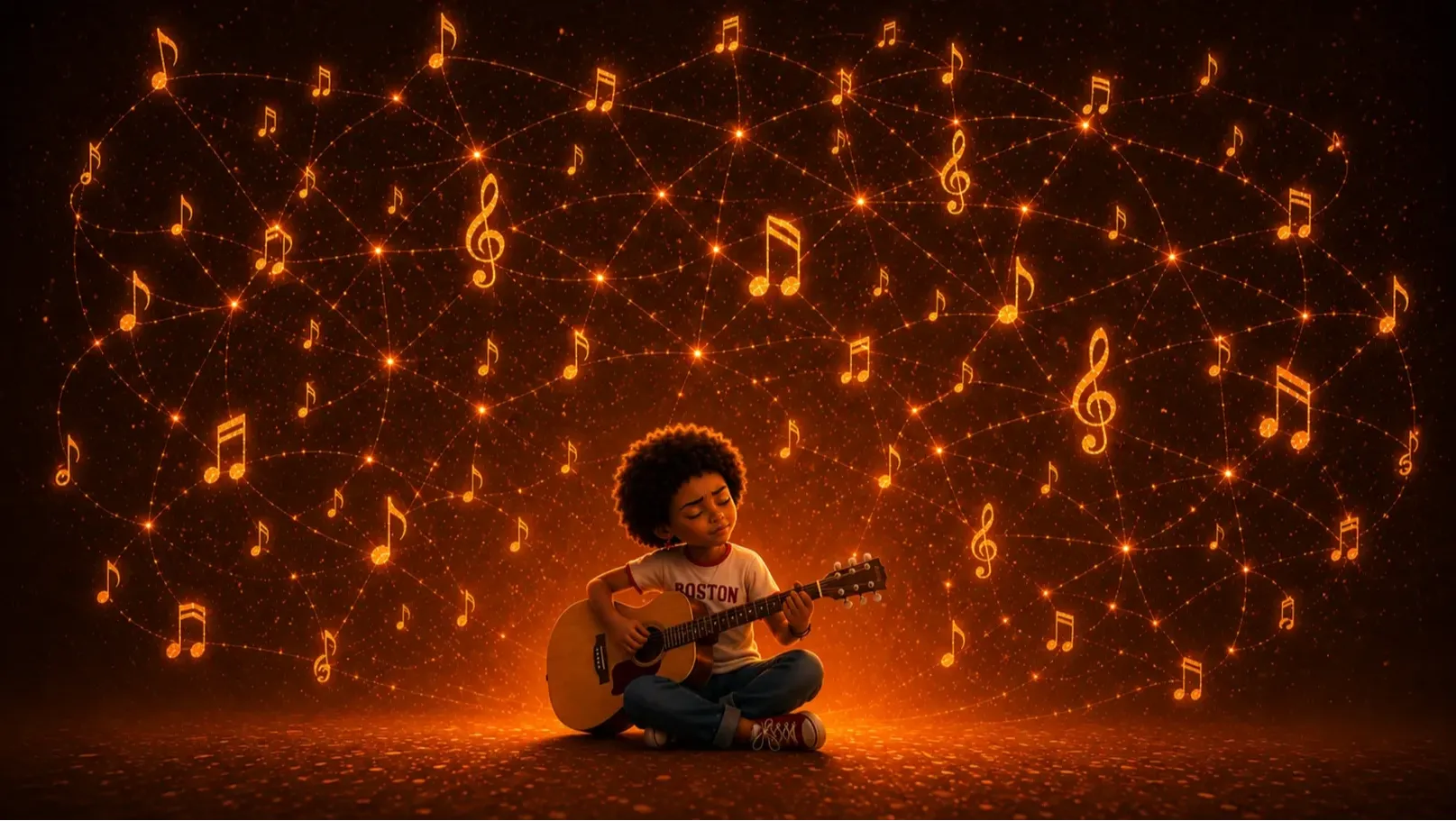
An animated VR short inspired by autistic musician Jen Msumba, who defies a system designed to erase her through synaesthetic music-making. It explores the universal need to be accepted for who we are. Participants journey through Jen’s life, from childhood, when the world feels confusing and “wonky”. Music is her safety and compass. While others read notes on a page, Jen sees visual maps that help her express emotions and navigate uncertainty. As a teenager, Jen’s mother becomes ill and her anxiety overwhelms her. Years of psychiatric institutions and medication leave her sedated, unable to play instruments. Her family sends her to the Judge Rotenberg Center, whose practices will later be described by the United Nations as torture. Over seven years of confinement and painful electric shocks, Jen is taught to believe she is “wrong”. Secretly composing music in her head becomes her refuge. Realising the centre will not support her independence, Jen writes to a judge and wins her freedom. She rediscovers music and invites us into her musical map, where participants touch and transform notes through movement, shifting melodies from classical to punk rock. We end with Jen performing on stage.
 A Spirit, a Deity, a Barbarian? Captive in the Subterranean
Director: Hannan Jones
Year: 2025
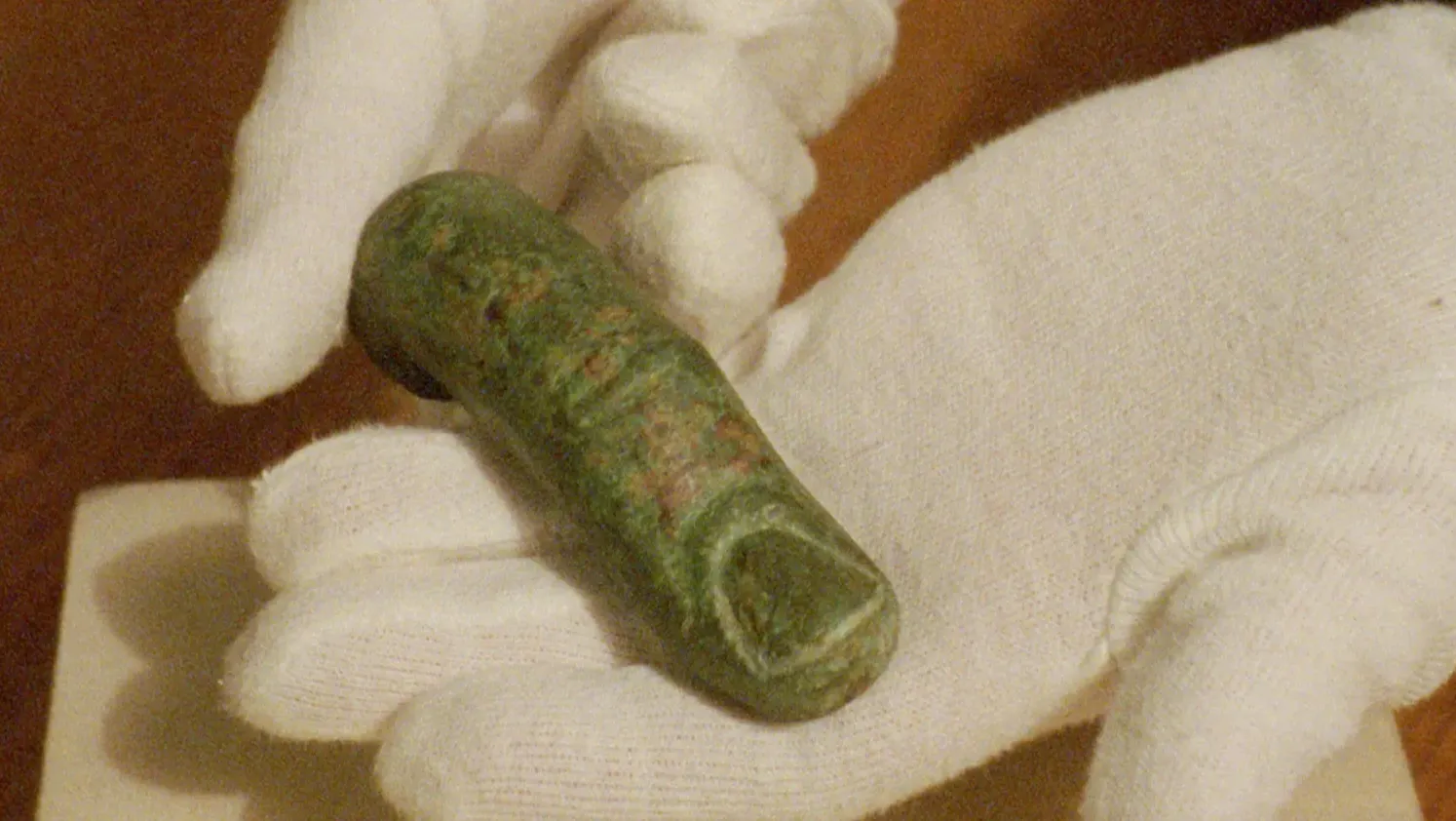
In the subterranean archive of the National Roman Legion Museum, where artefacts and imperial debris trace Britain’s imperial past, the possible first depiction of a Welshmen or “barbarian” becomes a catalyst to unsettle imperial narratives and surface long-suppressed voices.
 Benches
Director: Clare Richards
Year: 2026
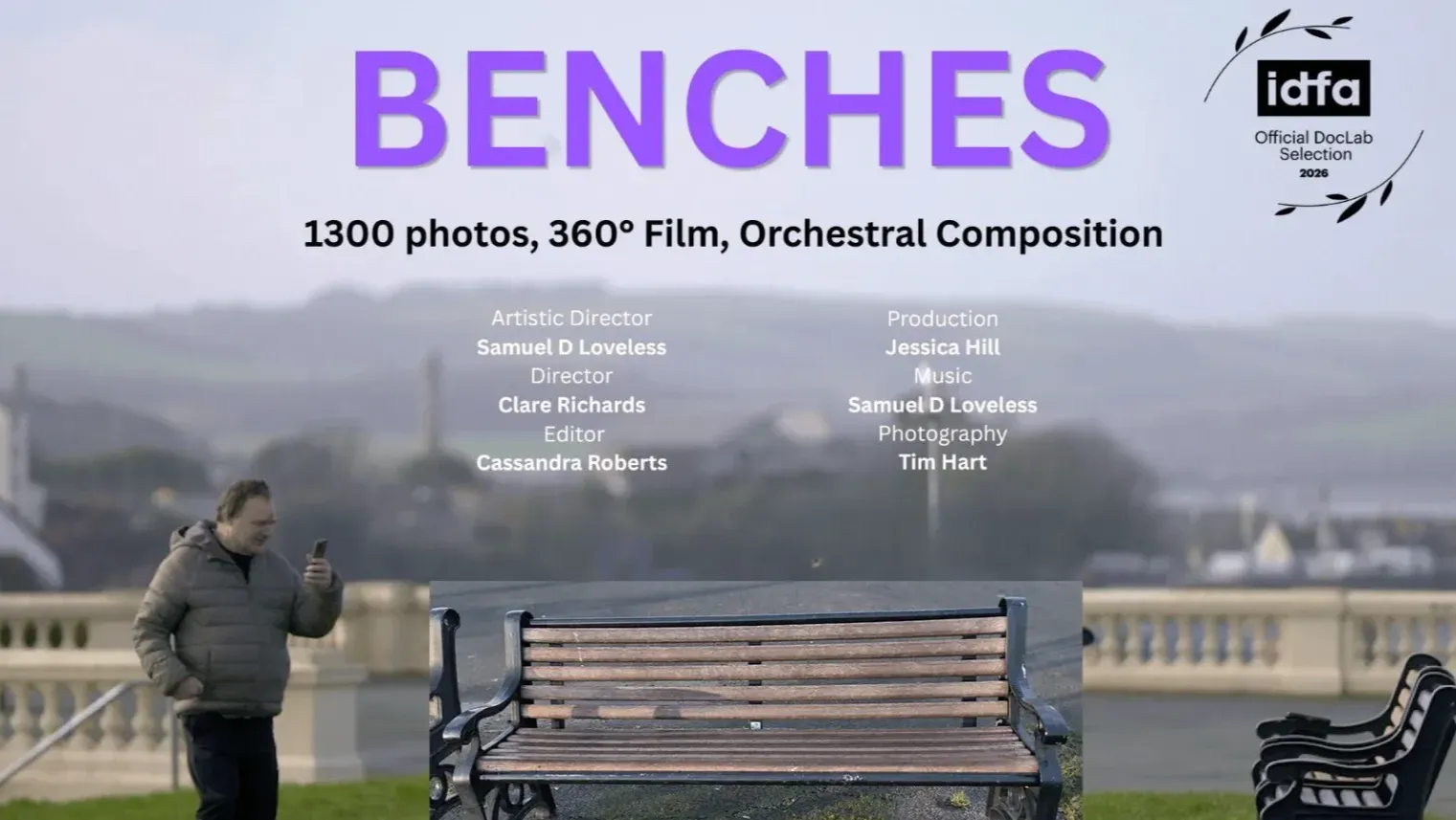
A split-screen dome projection is not something you see every day, yet its subject could hardly be more ordinary: public benches, located mainly in Plymouth, on the south coast of England. Whenever Tim Hart spots a new one, he takes a photograph, as he has done for 50 years. Just one photo, no more. “Cause it’s the same bench,” he explains amiably in Clare Richards’s documentary, which fills one half of the projection. On the other half, an orchestra performs Samuel D Loveless’ score, also titled BENCHES. His music follows the rhythm of Hart’s daily life as he walks from bench to bench, photographs them, sometimes sits down for a while, then moves on. And not just benches: Hart also photographs telephone booths, fairs, and more. Neurodivergent composer Loveless discovered the photographic archive of his autistic uncle Tim and was struck by the beauty of the everyday, patiently collected over decades. It gave Loveless an opportunity to celebrate a neurodivergent way of seeing the world, not by explaining it, but by sharing it.