
Shut Up and Play the Piano

Synopsis
The documentary follows Chilly Gonzales from his native Canada to late '90s underground Berlin, and via Paris to the world's great philharmonic halls. Diving deep into the dichotomy of Gonzales' stage persona, where self-doubt and megalomania are just two sides of the same coin. The playfulness of his character is mirrored in the look of the film. Using Gonzales' extensive video archive in a rather unorthodox manner... Reality and fiction blur together as we embark on a trip through Chilly Gonzales' world.
Official Selection Berlinale 2018 - Panorama Dokumente - World premiere
Details
- Year
- 2018
- Type of project
- Features
- Running time
- 82 mins
- Format
- Cinemascope
- Director
-
Philipp Jedicke 1st Feature
- Producer
- Stephan Holl, Antoinette Köster
- Co-Producer
- Chilly Gonzales, Melinda Cody
- Editor
- Henrik Drees, Carina Mergens
- Screenwriter
- Philipp Jedicke
- Director of Photography
- Marcus Winterbauer, Marcel Kolvenbach
- Sound
- Ralf Weber; Sound Designer and Re-recording Mixer: Andreas Hildebrandt
- Principal cast
- With appearances and performances by: Chilly Gonzales, Kaiser Quartett, Joe Flory, Sibylle Berg, Adam Traynor, Peaches, Leslie Feist, Raz Ohara, Paul PM aka Mr. Maloke, Raik Hölzel, Renaud Letang, Cornelius Meister, Jarvis Cocker
Categories
Production Status
Production Company
Germany, France, UK coproduction
Rapid Eye Movies (DE), Gentle Threat (UK)
Gentle Threat
Melinda CodySales Company
Charades
Nicolas Rebeschini4 rue Manuel
75009 Paris
France
Page updates
This page was last updated on 12th May 2025. Please let us know if we need to make any amendments or request edit access by clicking below.
See also
You may also be interested in other relevant projects in the database.
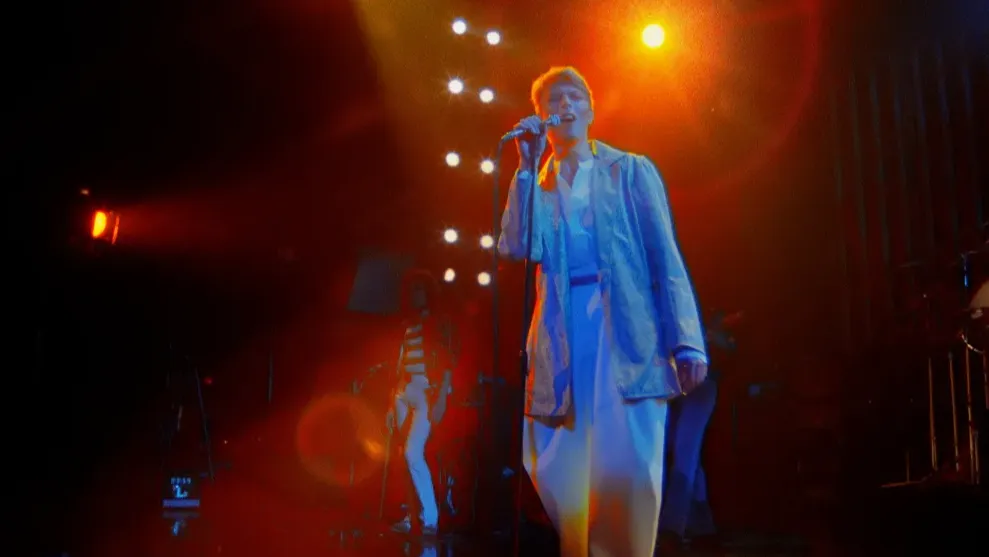 Stage
Director: Brett Morgen
Year: 2027
An arena-scale cinematic experience built out of long-lost, remastered 35mm footage originally shot by British director David Hemmings. The film features previously unseen concert footage of David Bowie from his 1978 Isolar II World Tour, in support of his landmark 'Heroes' album. Using a three-screen presentation, transparent LED screens and large-scale projections, it is described as an “immersive and sound light experience”. Official Selection Berlin International Film Festival 2027 - World premiere
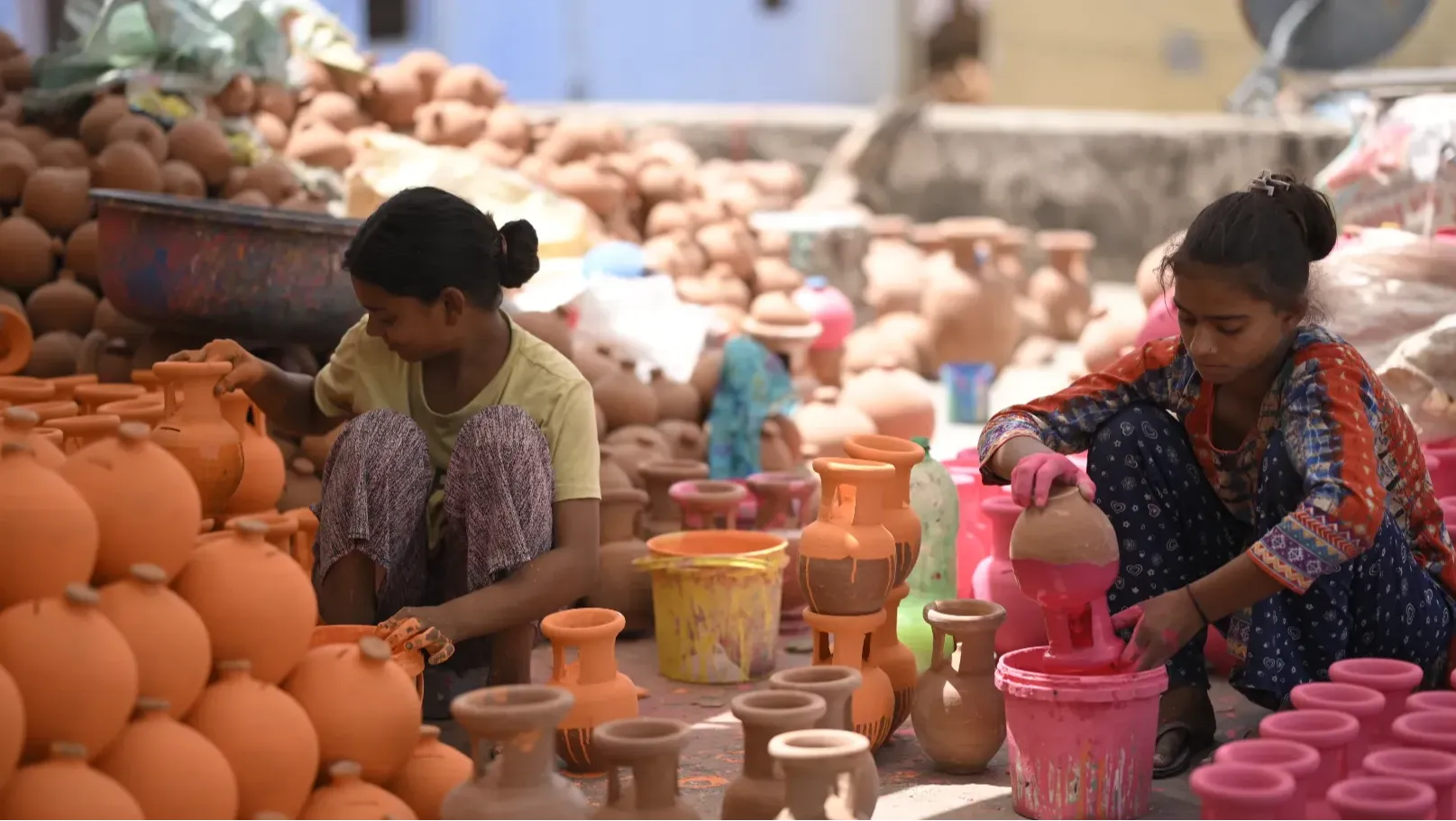 India's Circularity: Not a Trend, But Tradition from Margins
Director: Purva Tavri
Year: 2026
Across India’s overlooked margins, India’s Circularity – Not a Trend, But a Tradition from the Margins reveals how reuse, repair, and regeneration are not innovations - but inherited ways of life rooted in culture, necessity, and care. Featuring voices across sectors - artists, makers, NGO leaders, entrepreneurs, government officials, planners, engineers, institutions, and homemakers - the film journeys through terracotta clusters in Rajasthan, bamboo-timber homes in Sikkim, palm-leaf artisans in Kerala, and community commons in Chhattisgarh. One story is deeply personal: the director’s mother, whose regenerative practices shaped the director’s own circular worldview long before her professional work in sustainability. With poetic narration, immersive visuals, and grounded research, the film reframes circularity as a lived tradition, not a future policy aspiration.
 A Spirit, a Deity, a Barbarian? Captive in the Subterranean
Director: Hannan Jones
Year: 2025
In the subterranean archive of the National Roman Legion Museum, where artefacts and imperial debris trace Britain’s imperial past, the possible first depiction of a Welshmen or “barbarian” becomes a catalyst to unsettle imperial narratives and surface long-suppressed voices.