
Skate in Japan
Synopsis
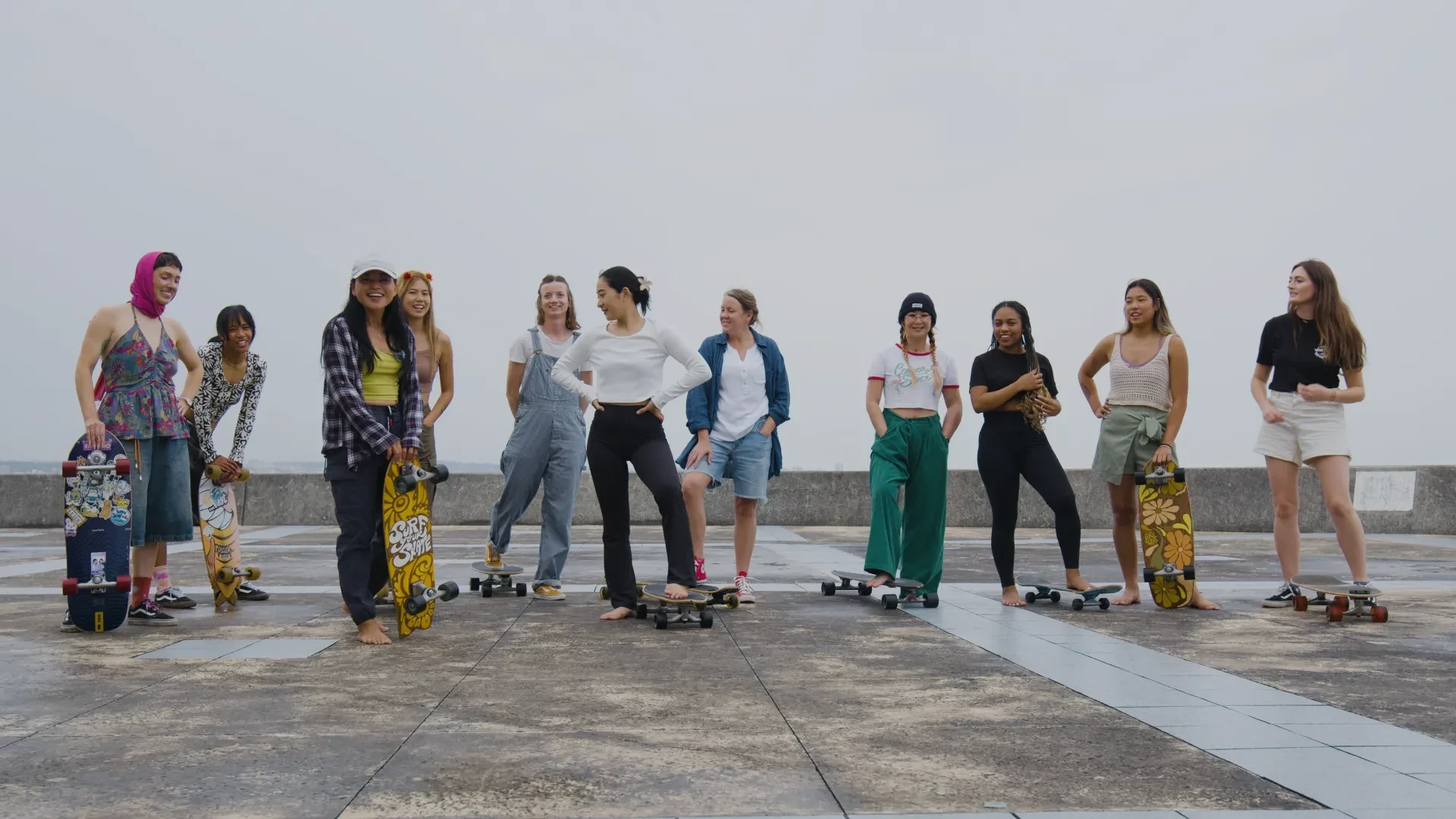
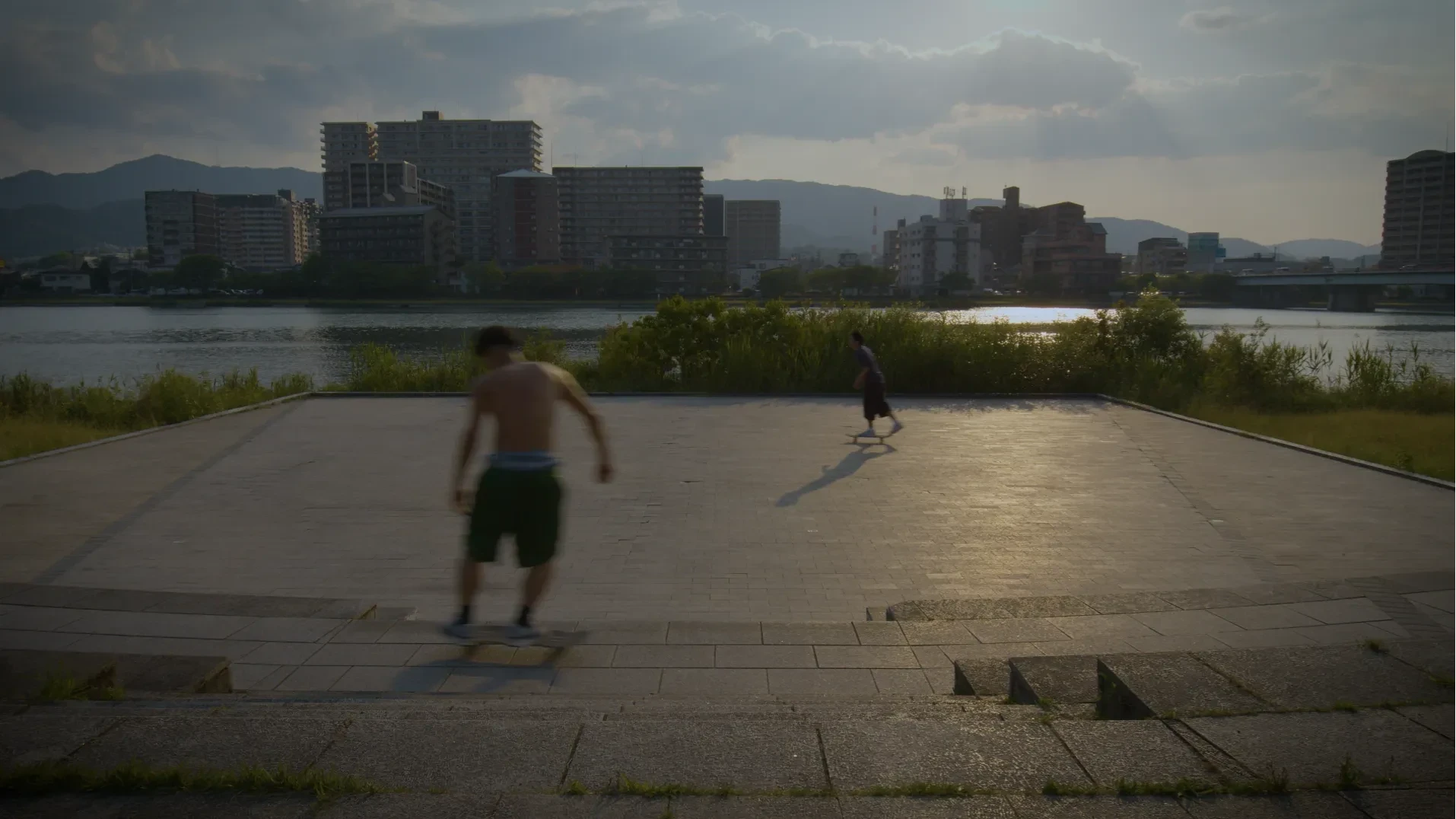
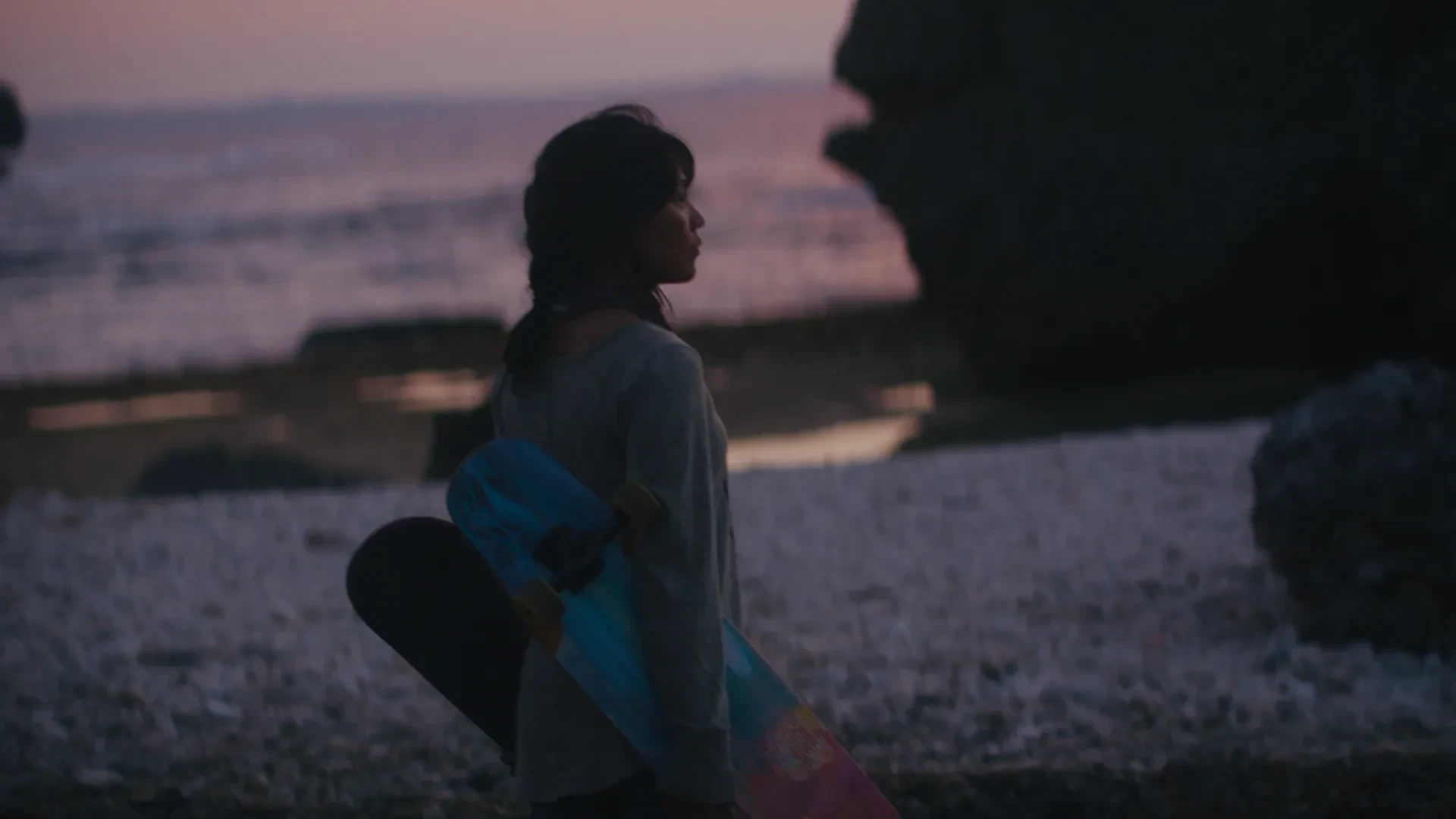
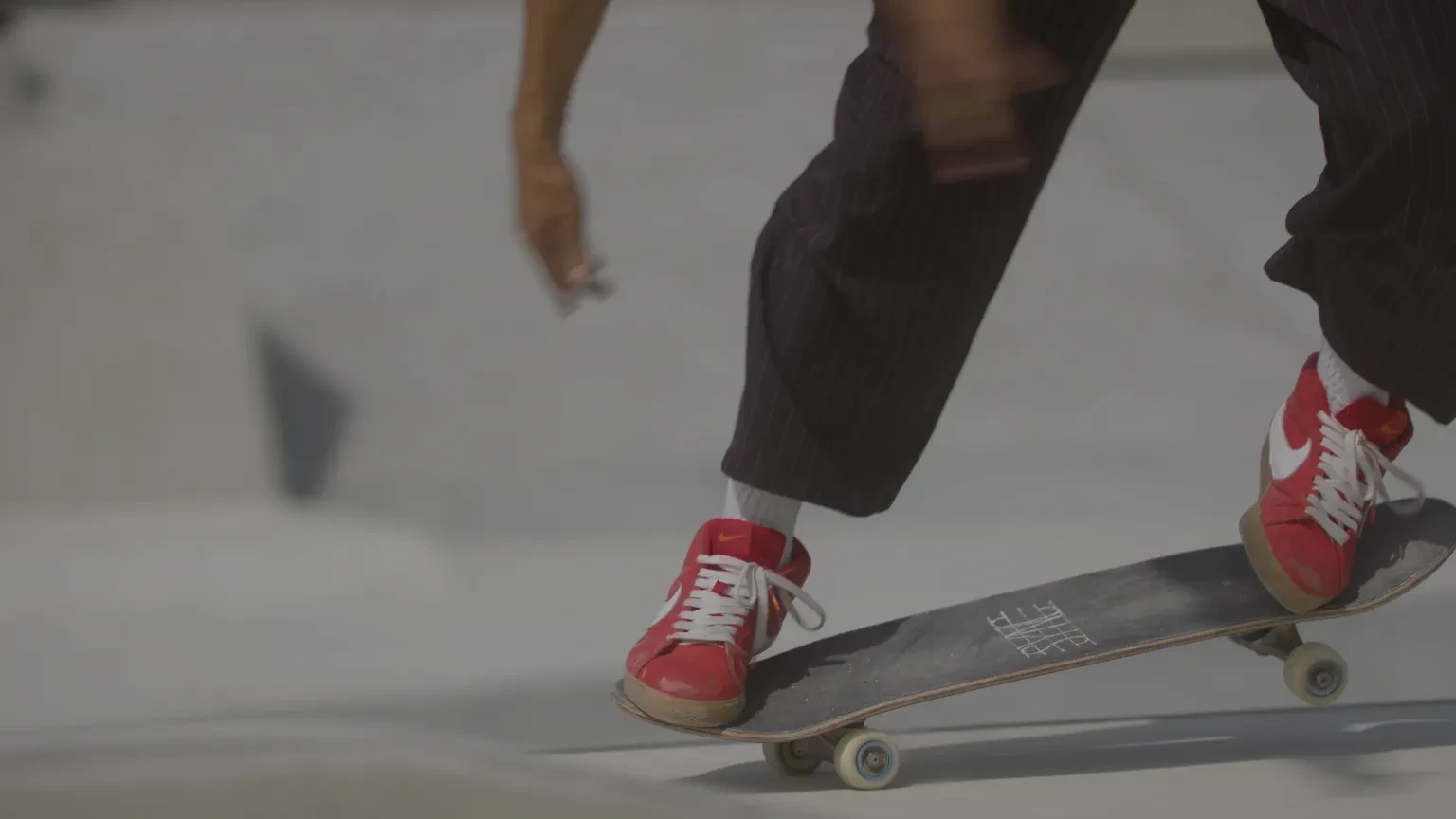
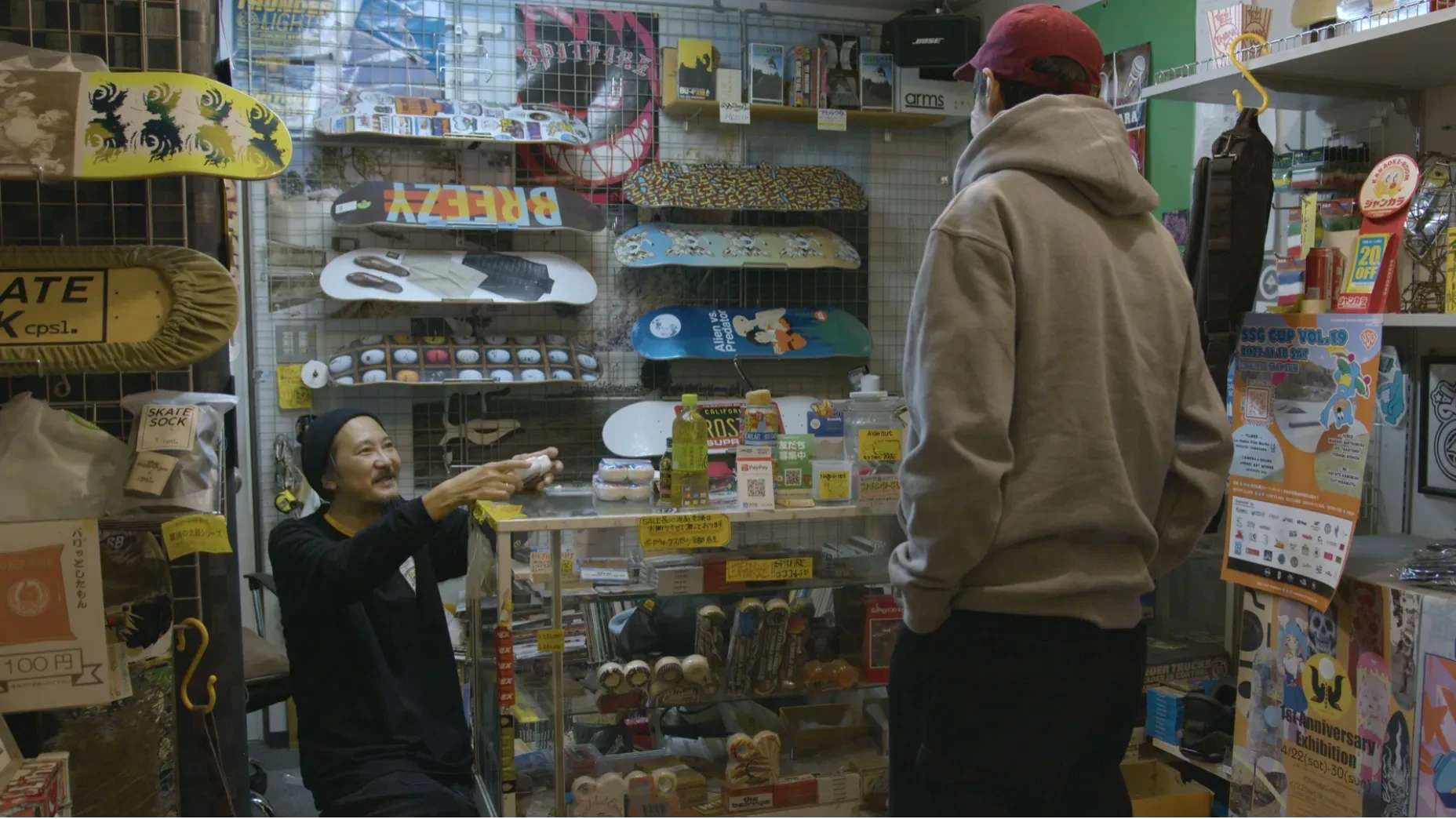
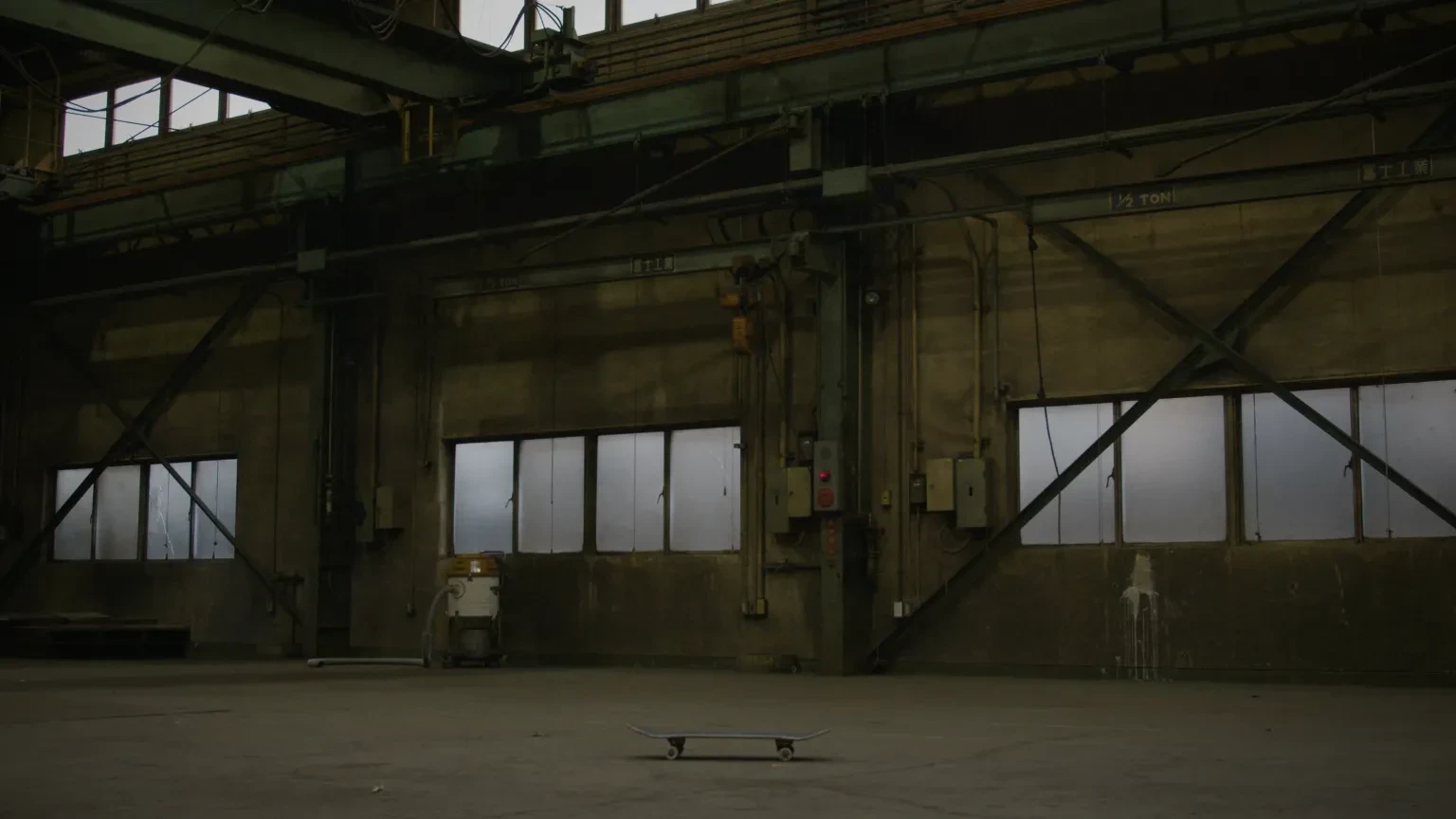
Moving between street spots, domestic interiors and the shifting landscapes of Kyoto, the film approaches skateboarding as both a personal and collective language. In the fluid, almost choreographic movement of skater Issei Morinaka, it reveals an expression that resists containment, fleeting, yet deeply felt.
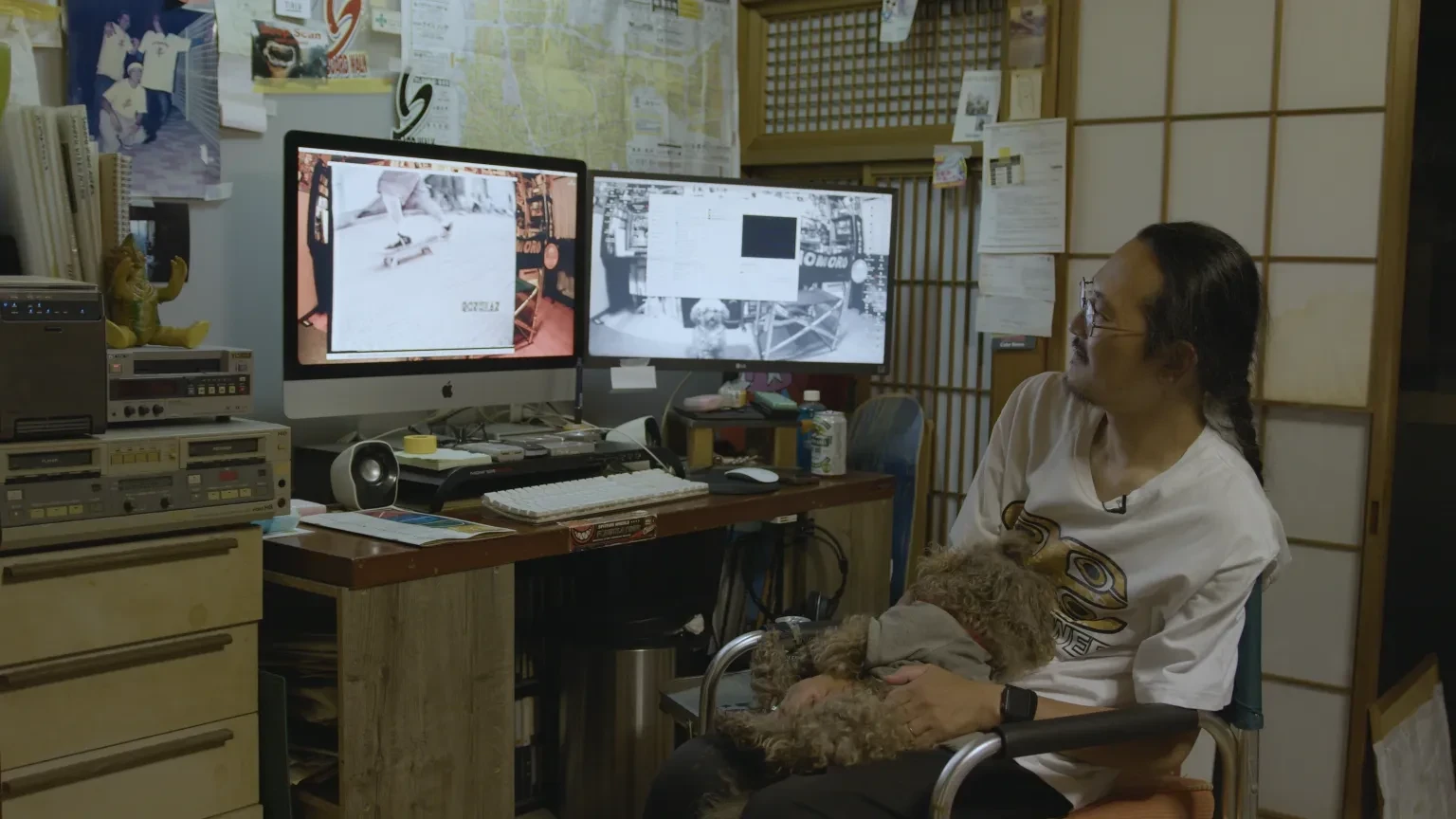
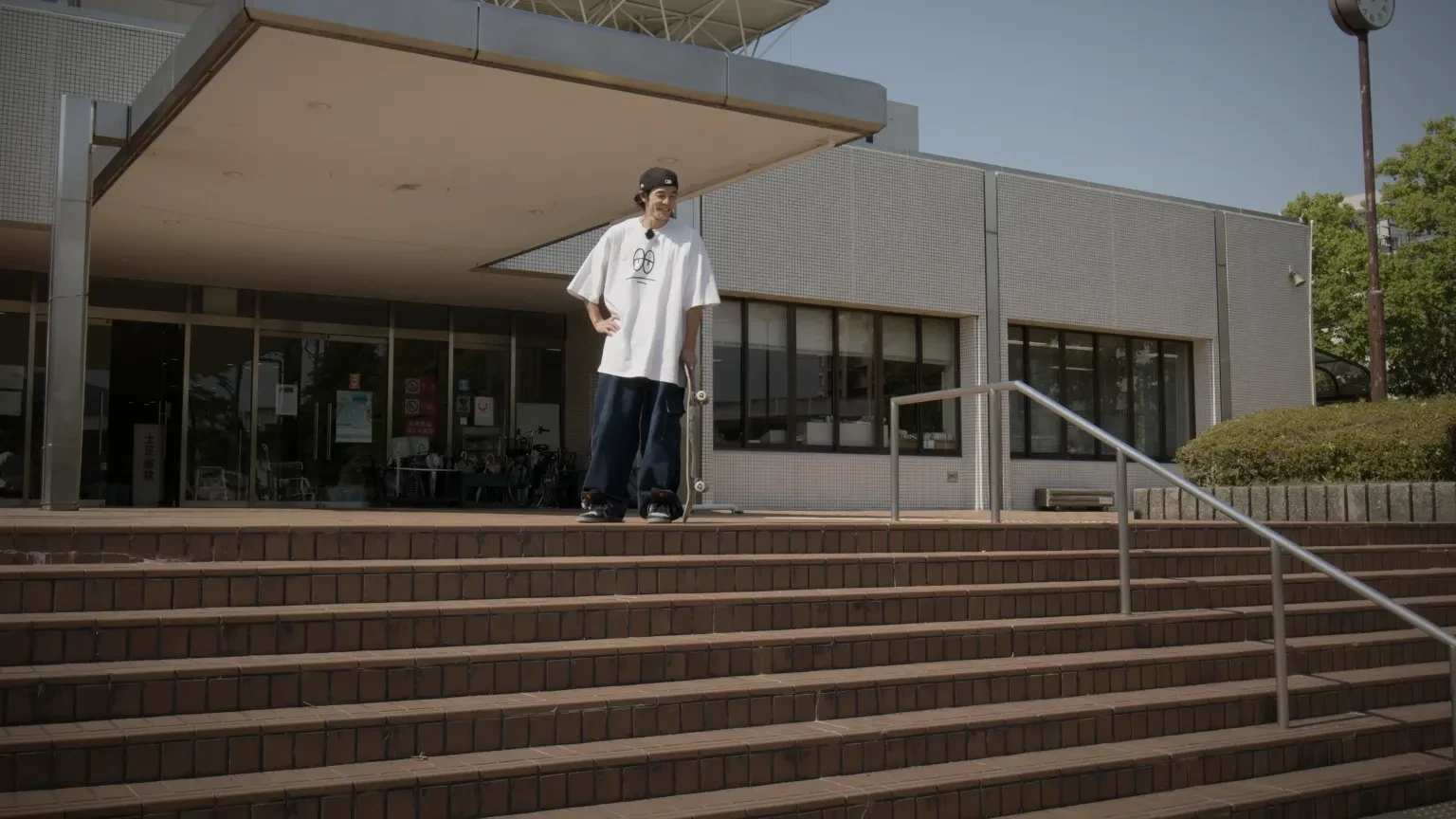
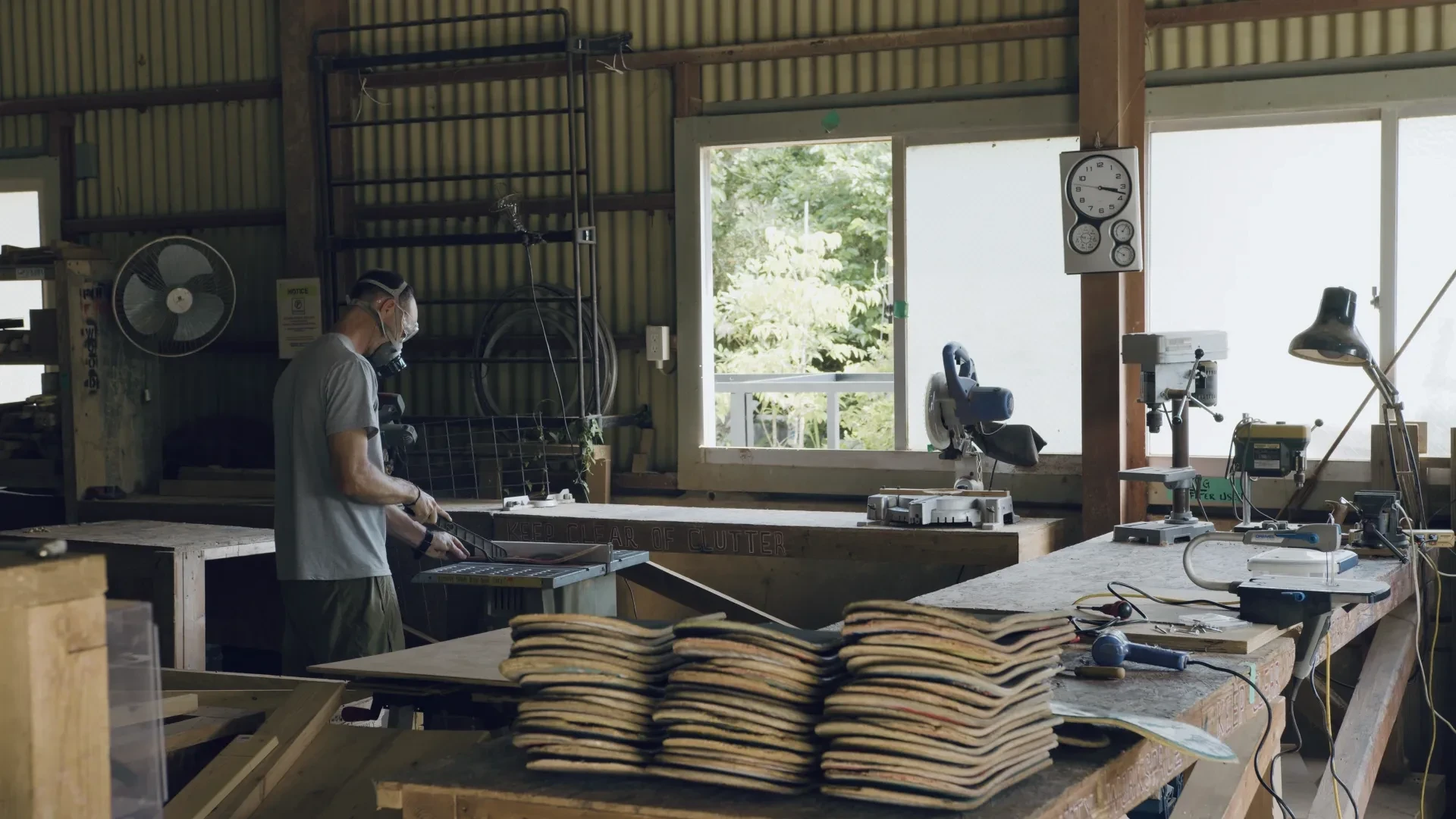
At its centre are individuals whose lives have unfolded at the edges of visibility. Homoro, a skate shop-owner whose own practice has been altered by injury, supports a younger generation of Boardwalk skaters. Alongside him is Caba, a once-renowned figure whose life was transformed by disability, and Hide, who leads efforts to realise a long-awaited public skatepark.
As the skatepark takes shape in Kyoto, it marks a subtle cultural negotiation between tradition and change. Accompanied by an original score, the film unfolds as a quiet meditation on time, belonging and the persistence of identity.
Details
- Year
- 2026
- Type of project
- Features
- Running time
- 80 min
- Format
- Blackmagic RAW (BRAW), with additional mixed digital and archival formats
- Director
-
Steffan Roe Griffiths 1st Feature
- Producer
- Kimberley Anne Santos
- Editor
- Steffan Roe Griffiths
- Director of Photography
- Steffan Roe Griffiths
- Sound
- Ivano Milo
- Composer
- Ivano Milo
- Principal cast
- With contributions from: Yusuke 'Homoro' Arakawa, Issei Morinaka, Hideyuki 'Hide' Imai, Yamato Aketa, Shouta Sumi, Shigeru 'Caba' Omura, Hazel Cruzado, Chris Roome
- Production Assistant
- Lexi Budd
Genre
Categories
Production Status
Production Company
Kimberley Anne Santos
Page updates
This page was last updated on 2nd September 2026. Please let us know if we need to make any amendments or request edit access by clicking below.
See also
You may also be interested in other relevant projects in the database.
 I Want To Kill My Grandfather
Director: Lilyana Torres, Carlos Morales
Year: 2027
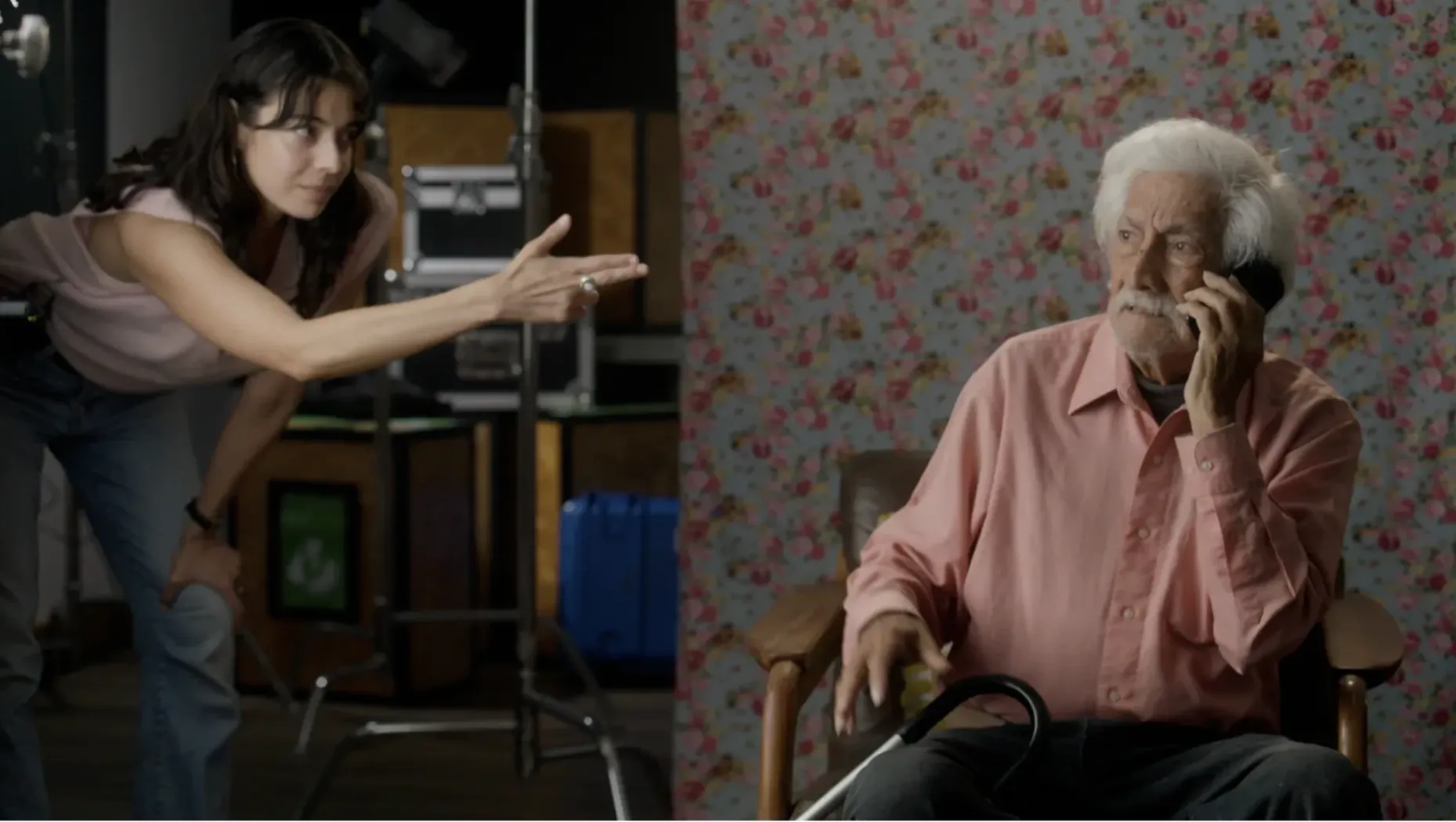
When filmmaker Lilyana Torres learns that her grandfather hired hitmen to nearly kill her father, she sets out to confront him in Tamaulipas, Mexico, and force an apology. The attack left her father with cracked ribs, a broken nose, and loose teeth. Its architect was his own father. Like much of Lilyana’s family history, nobody spoke of it again. So she begins planning his murder. In darkly comic fictional reenactments, Lilyana trains for revenge with the help of a retired detective. Some methods are efficient, others grotesque, all adapted to an ageing man. Against these fantasies, family home videos reveal a more unsettling contradiction: birthday parties, tenderness, and a grandfather who once appeared devoted to his son and granddaughter. How could a parent put their own child’s life at risk? Before Lilyana reaches him, her grandfather dies peacefully in bed, taking every explanation with him. Determined to complete the film, she casts an actor named Perfecto to play him and kills him on screen, again and again. But the performance exposes the question she cannot escape: what does revenge actually resolve? Lilyana confronts the possibility that the violence she wants to destroy may already live inside her.
 Rehearsals for a Revolution
Director: Pegah Ahangarani
Year: 2026
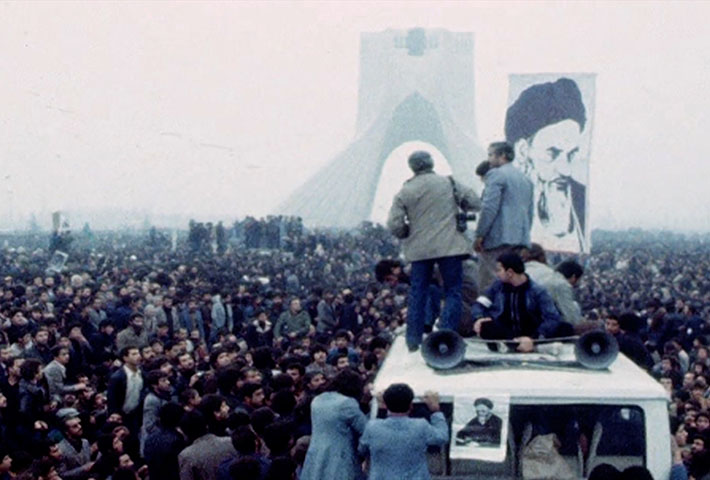
Through five portraits of relatives and mentors, five expressions of resistance, director Pegah Ahangarani sketches her life story. Drawing from personal archives, home videos, street protests footage, newspapers, and recorded voices, she retraces more than 40 years of Iran’s history. From the early days of 1979, until the war that began in 2026, she pieces together intimate and collective memories, forming the portrait of a country shaped by political repression and in constant hope for a revolution. Official Selection Cannes Film Festival 2026 - Special Screenings Official Selection Telluride Film Festival 2026
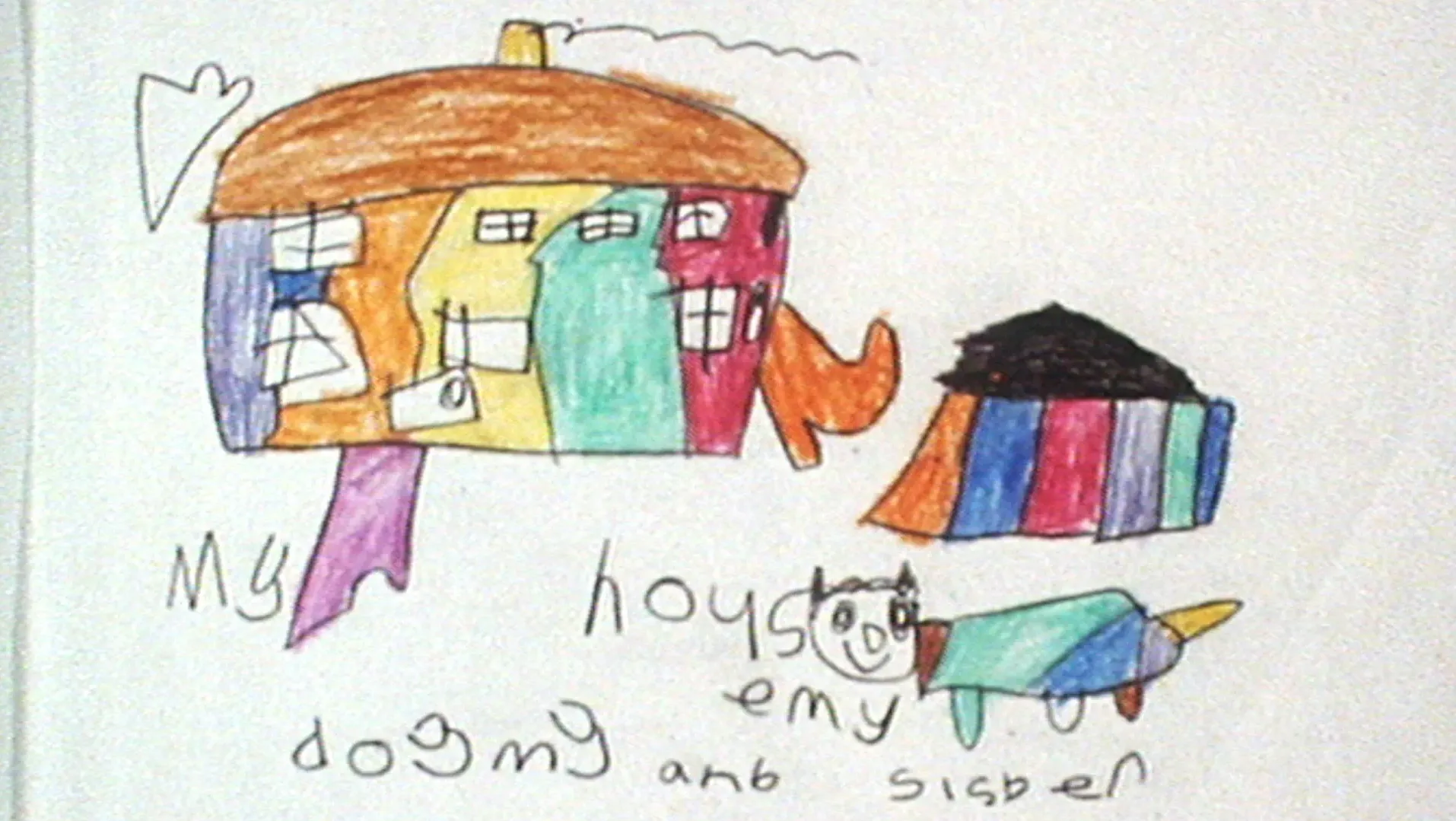 A Is for Autism
Director: Tim Webb
Year: 1992
A short glimpse into the world of autism, in which the words, drawings, music and animation are all contributed by autistic people. Every design comes from drawings by autistic children and adults, the narration is in their own voices, and the piano and flute music was specially recorded by two autistic performers, the pianist also composing some of it. Commissioned by Channel 4 for its Disabling World season.