
Songs for While I'm Away
Synopsis
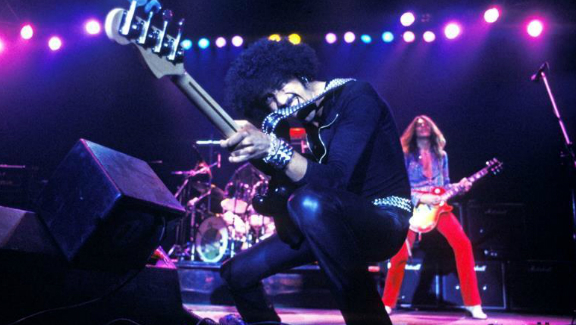
Told extensively through the words of Phil himself, and focusing on his iconic songs, the film weaves together audiotapes and rare home movies; features rarely and never-before seen archive, magnificent photographs and portraits; celebrates and explores the recollections and stories of those who knew and loved him - his family, his friends, his collaborators, and those inspired by him; deconstructs the songs and the songwriter; features loud and proud the glorious Lizzy performances; all woven in a collage of voice, image, memory and opinion, offering a powerful and definitive insight into the life and work of this iconic rock star.
Details
- Year
- 2020
- Type of project
- Features
- Running time
- 112 mins
- Director
-
Emer Reynolds
- Producer
- Alan Maher, John Wallace, Peter Worsley
- Editor
- Tony Cranstoun
- Director of Photography
- Kate McCullough
- Composer
- Ray Harman
- Principal cast
- Carl Shaaban
- Assistant Editor
- Jackie Jarvis
Categories
Production Status
Production Company
Ireland, UK co-production
A Cowtown Pictures (IE), Eagle Rock Productions (UK) production with support from Universal Music Globe Production, Screen Ireland
Eagle Rock Productions
c/o Eagle Rock EntertainmentEagle House
22 Armoury Way
London
SW18 1EZ
+44 (0)20 8870 5670 / +44 (0)20 8875 8791 (ext. 510)
Cowtown Pictures
Alan MaherSales Company
Eagle Rock Entertainment
22 Armoury WayLondon
SW18 1EZ
Page updates
This page was last updated on 12th May 2025. Please let us know if we need to make any amendments or request edit access by clicking below.
See also
You may also be interested in other relevant projects in the database.
 The Contract of the Century
Director: Christina D. Bartson
Year: 2027
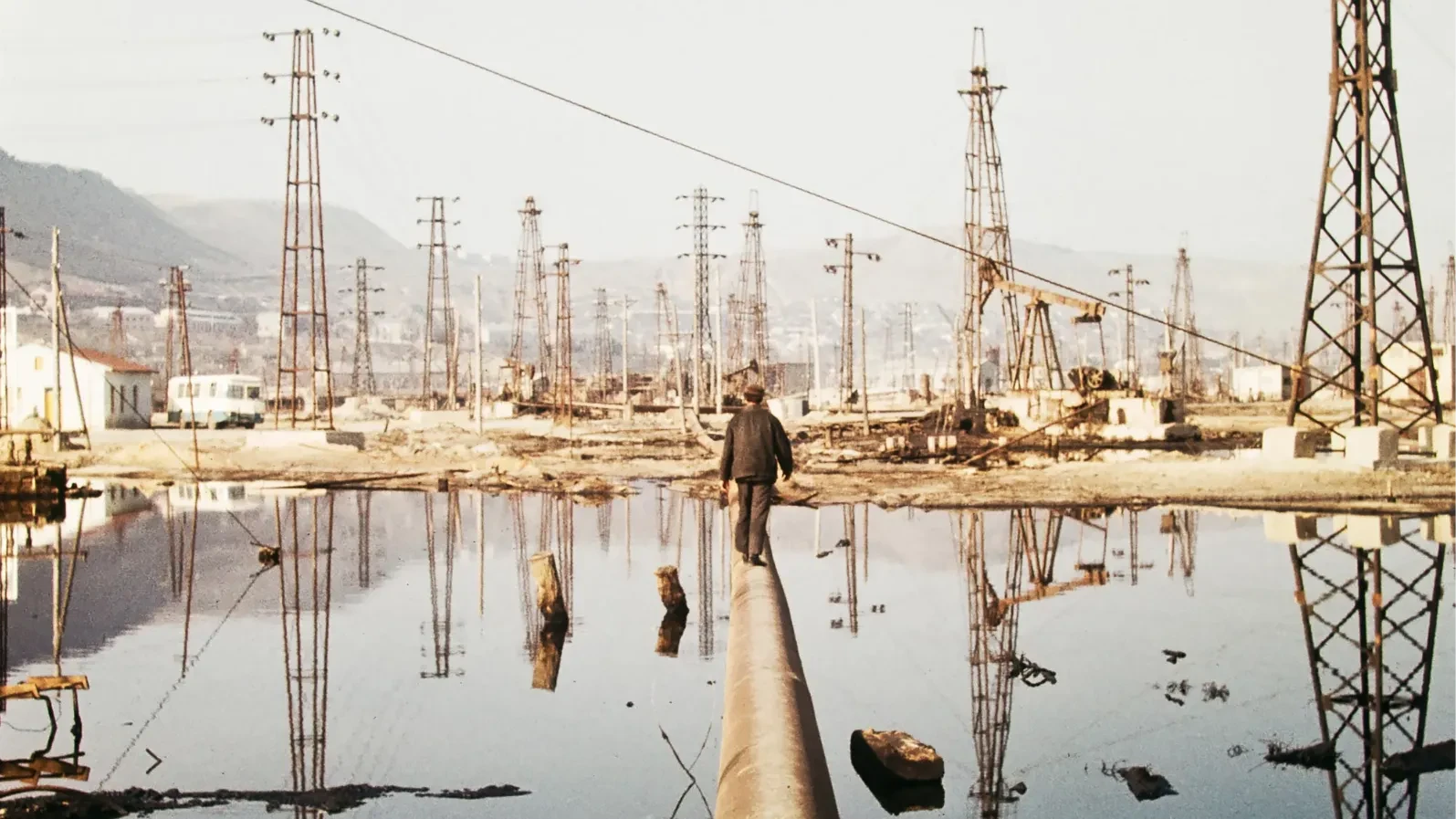
An all-archival film which tells the story of the Baku-Tbilisi-Ceyhan pipeline - one of the most ambitious energy projects of the 21st Century - and the scientists, activists, and farmers that came close to stopping it. Part ghost story, part road trip film, the feature documentary examines how the ghosts of the empire haunt the present, as the world burns.
 Matter of Britain
Director: Peter Treherne
Year: 2026
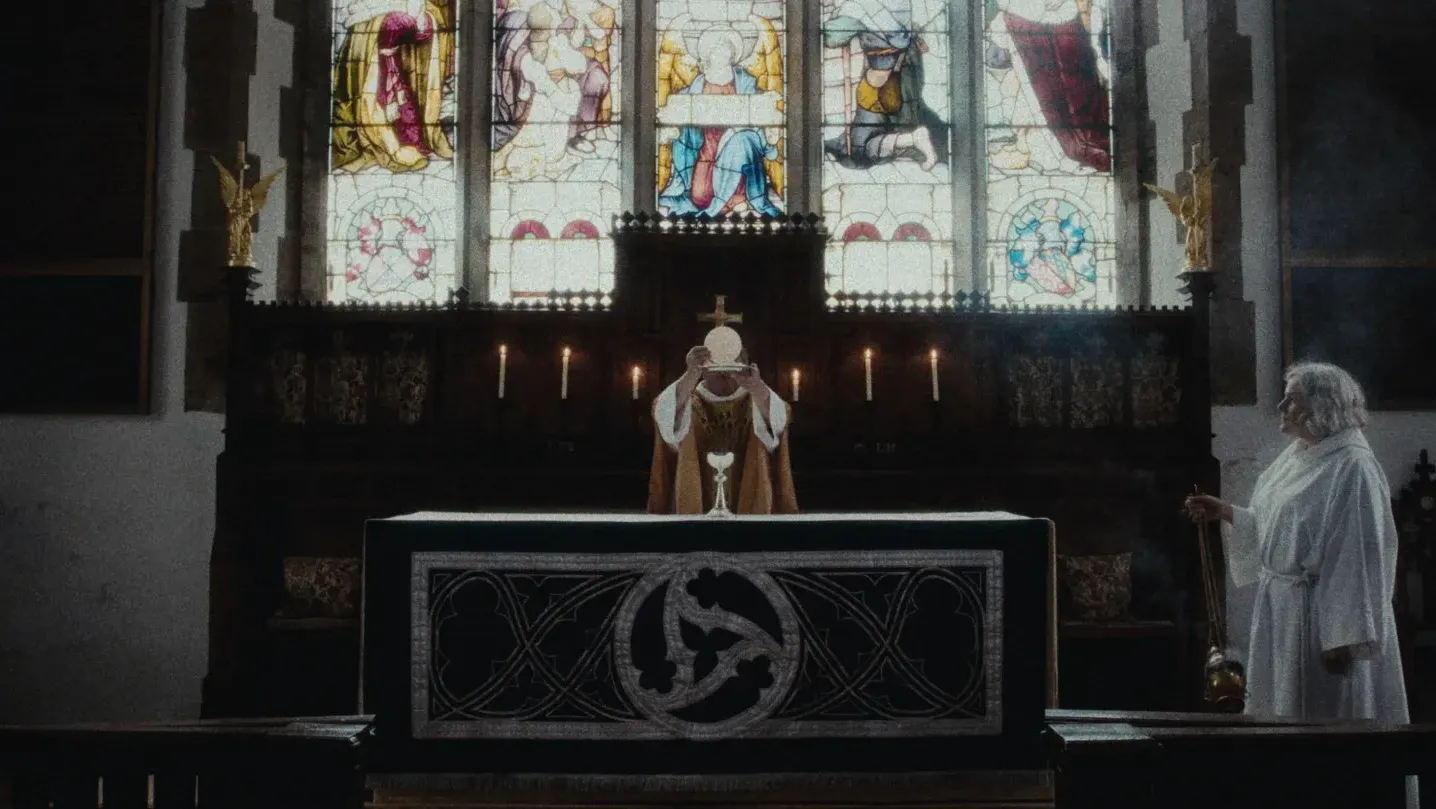
MATTER OF BRITAIN was an English country village’s performance of the Holy Grail myth. In that myth, King Arthur’s knights quest for the Holy Grail in order to heal their wasted land. The performance took place over 12 months from 2023 to 2024 in multiple locations across the parish of Mayfield, East Sussex. Over 300 members of the community took part as questing knights, angelic choirs, guiding anchorites and tempting devils. The performance was documented and subsequently made into an ethnographic fantasy that has screened at the Museum of Modern Art, CPH:DOX, Cinéma du Réel and Open City Documentary Film Festival. The work was supported by an Arts Council England Project Grant, the Lund Trust, High Weald AONB, East Sussex Arts Partnership, the University of Reading and the Museum of English Rural Life.
 Mother's Influence
Director: Meg Wriggles
Year: 2025
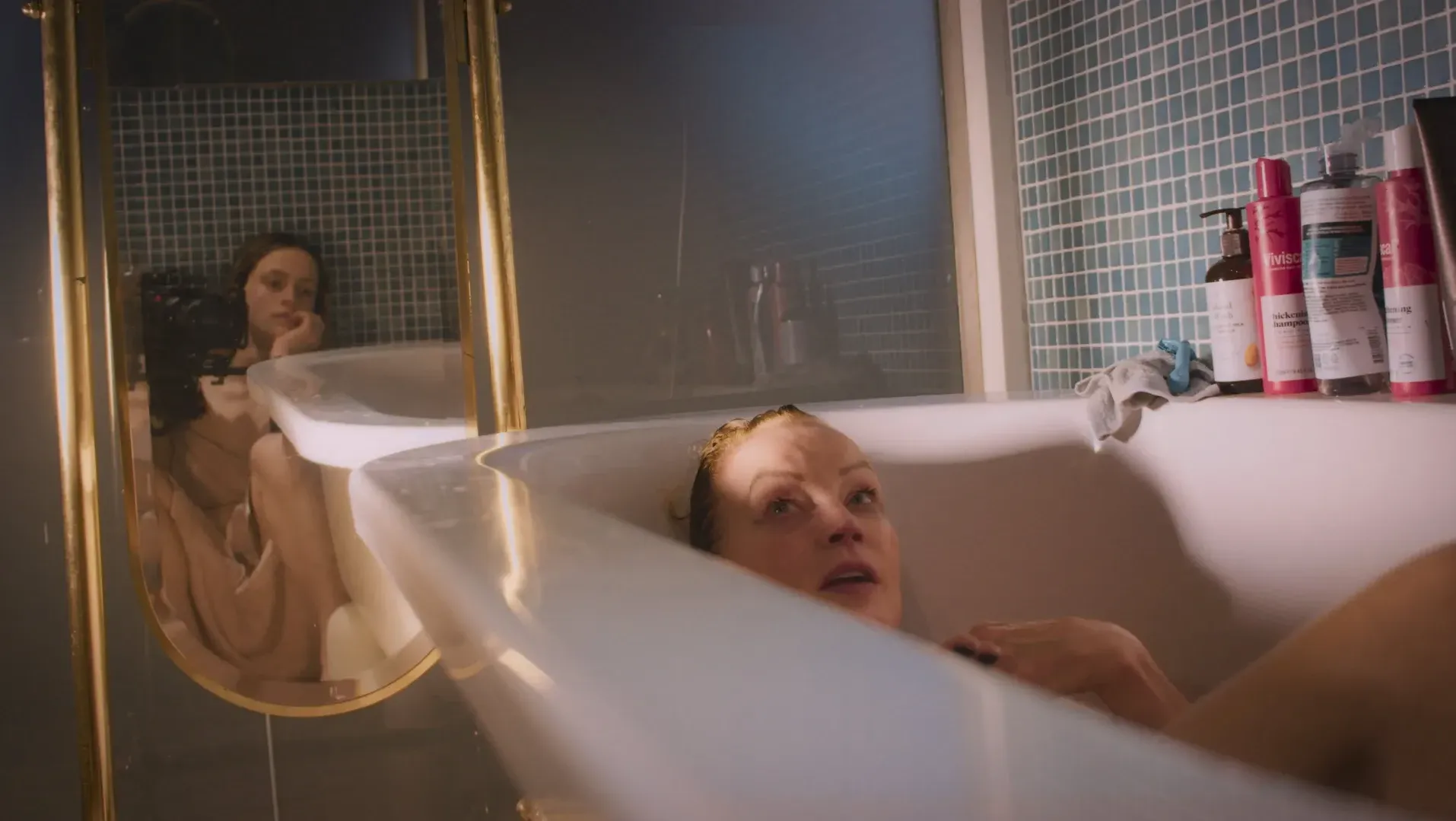
Growing up with an unconventional single mother – an influencer navigating aging and body dysmorphia, Meg admires her but questions how it shaped her own self-image. Through laughter and vulnerability, they unpack identity, influence, and the complexities of their evolving relationship. Official Selection Edinburgh International Film Festival 2026 – World Premiere