
The Artist Who Disappeared

Synopsis
But when Sergei suddenly disappears without trace on Papa Westray three months into filming, the filmmaker is forced to embark on a profound journey of discovery and contemplation. As the filmmaker interviews those left behind, each in their own way trying to make sense of Sergei’s vanishing, the film gravitates towards Tszman as she attempts to come to terms with her grief by creating an elegiac and moving tribute to Sergei on the island.
Shot over several years, THE ARTIST WHO DISAPPEARED includes profoundly moving scenes with Tszman and their daughter Snaedis in the wake of Sergei’s disappearance, interviews with islanders, artists and close family members. THE ARTIST WHO DISAPPEARED goes to the very heart of what it means to be an artist, how we judge success and failure, and the nature of loss.
Details
- Year
- 2024
- Type of project
- Features
- Running time
- 75 min
- Format
- HD Video
- Director
-
David Kew
- Producer
- David Kew, Sarah Hamilton, Tsz Man Chan
- Editor
- David Kew
- Director of Photography
- David Kew
- Composer
- James Hesford
Categories
Production Status
Production Company
Q Films Limited
Hermitage Moorings16 Wapping High Street
London
E1W 1NG
Page updates
This page was last updated on 12th May 2025. Please let us know if we need to make any amendments or request edit access by clicking below.
See also
You may also be interested in other relevant projects in the database.
 India's Circularity: Not a Trend, But Tradition from Margins
Director: Purva Tavri
Year: 2026
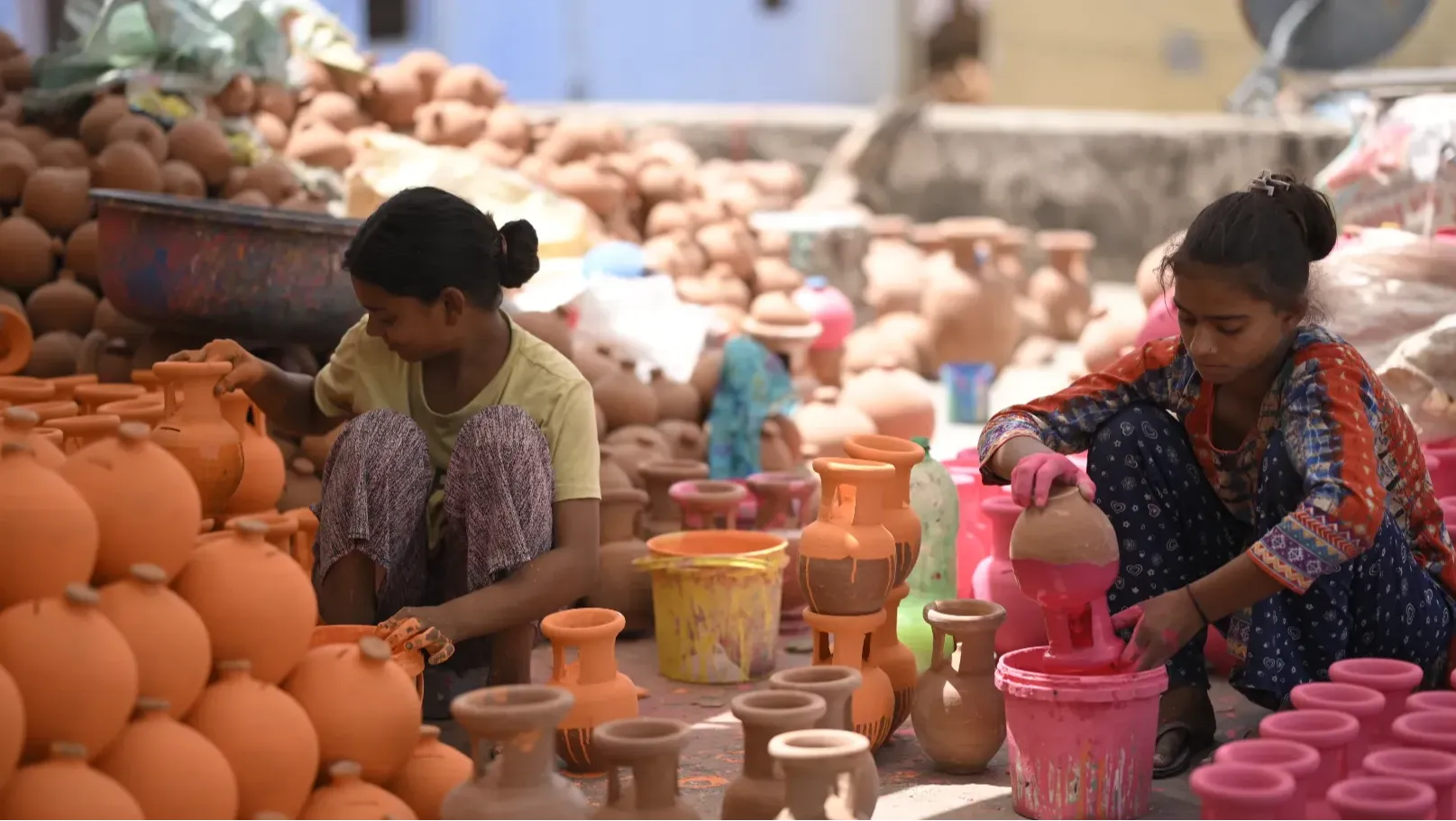
Across India’s overlooked margins, India’s Circularity – Not a Trend, But a Tradition from the Margins reveals how reuse, repair, and regeneration are not innovations - but inherited ways of life rooted in culture, necessity, and care. Featuring voices across sectors - artists, makers, NGO leaders, entrepreneurs, government officials, planners, engineers, institutions, and homemakers - the film journeys through terracotta clusters in Rajasthan, bamboo-timber homes in Sikkim, palm-leaf artisans in Kerala, and community commons in Chhattisgarh. One story is deeply personal: the director’s mother, whose regenerative practices shaped the director’s own circular worldview long before her professional work in sustainability. With poetic narration, immersive visuals, and grounded research, the film reframes circularity as a lived tradition, not a future policy aspiration.
 A Spirit, a Deity, a Barbarian? Captive in the Subterranean
Director: Hannan Jones
Year: 2025
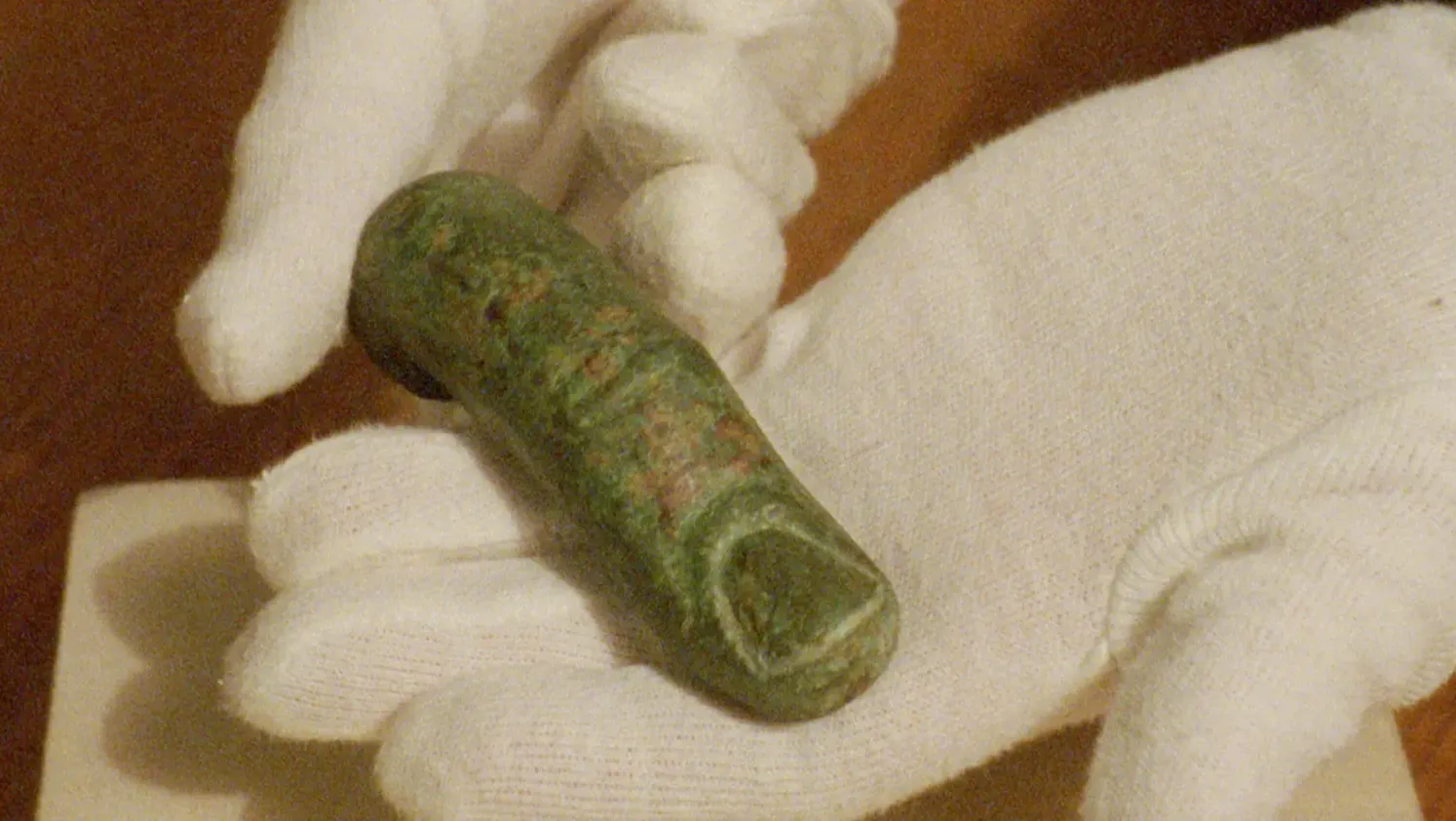
In the subterranean archive of the National Roman Legion Museum, where artefacts and imperial debris trace Britain’s imperial past, the possible first depiction of a Welshmen or “barbarian” becomes a catalyst to unsettle imperial narratives and surface long-suppressed voices.
 The Atlas of Sound
Director: Siobhan Silén
Year: 2027
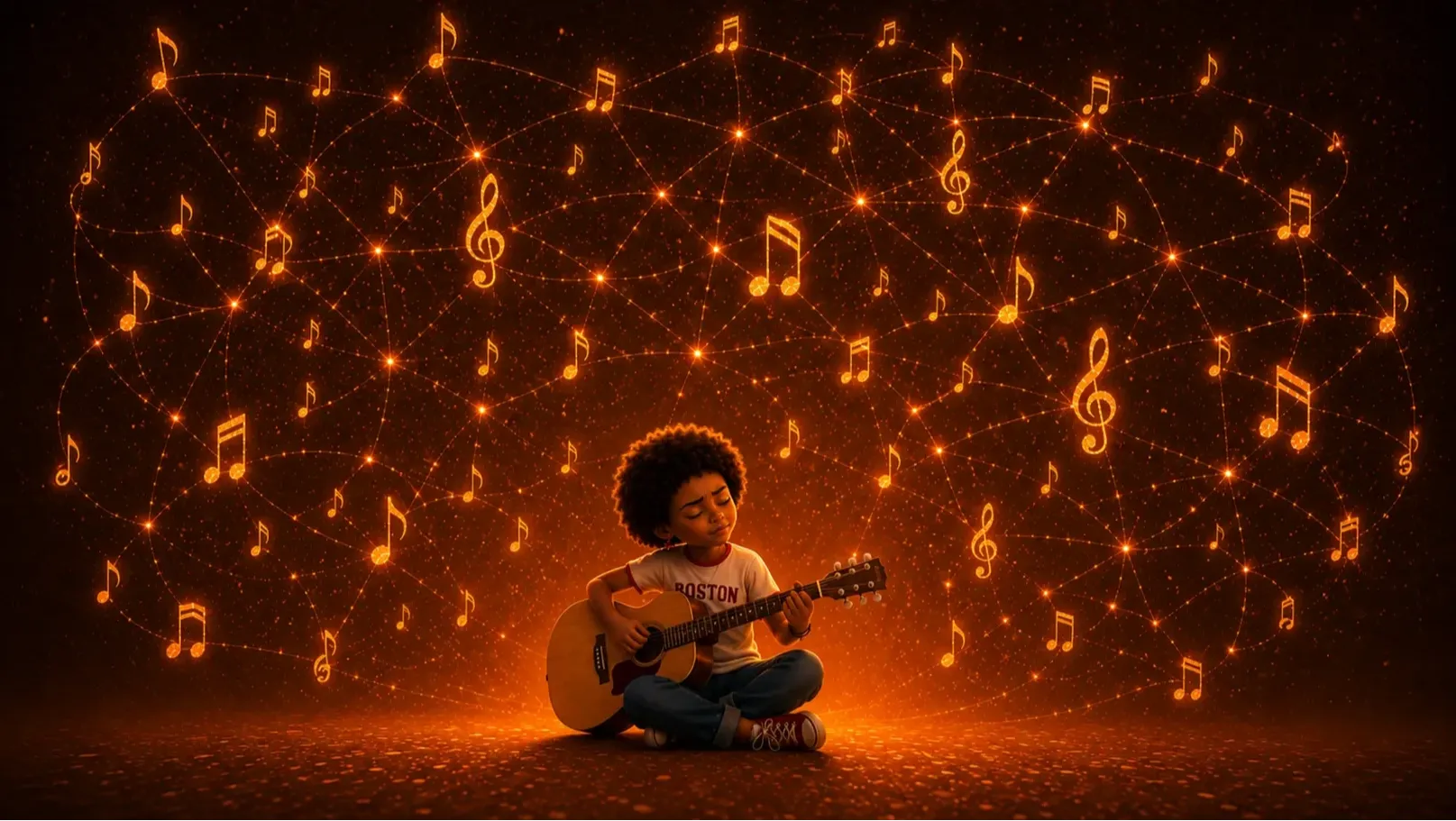
An animated VR short inspired by autistic musician Jen Msumba, who defies a system designed to erase her through synaesthetic music-making. It explores the universal need to be accepted for who we are. Participants journey through Jen’s life, from childhood, when the world feels confusing and “wonky”. Music is her safety and compass. While others read notes on a page, Jen sees visual maps that help her express emotions and navigate uncertainty. As a teenager, Jen’s mother becomes ill and her anxiety overwhelms her. Years of psychiatric institutions and medication leave her sedated, unable to play instruments. Her family sends her to the Judge Rotenberg Center, whose practices will later be described by the United Nations as torture. Over seven years of confinement and painful electric shocks, Jen is taught to believe she is “wrong”. Secretly composing music in her head becomes her refuge. Realising the centre will not support her independence, Jen writes to a judge and wins her freedom. She rediscovers music and invites us into her musical map, where participants touch and transform notes through movement, shifting melodies from classical to punk rock. We end with Jen performing on stage.