
The Ballad of A J Weberman
Synopsis
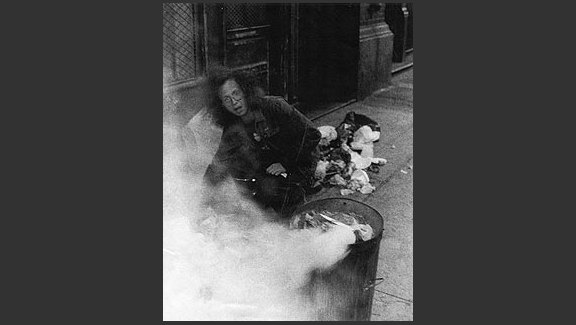
At times hilarious, at other times disturbing, this film is an interesting observation on our unbalanced desires to know more about celebrities and how far we are willing to go to get that information. Weberman does not see himself as a stalker and insists that Dylan should be grateful that he is around: 'I would have been to Dylan what Verlaine was to Rimbaud'. It's hard to see this as a tale of poet and critic, but rather a look at the bizarre relationship between the obsessed and the object of his obsession and how it can completely take over a man's life.
A hilarious recorded telephone conversation between A J Weberman and Bob Dylan from the 1970s punctuates the film in the form of animations, creating connections between Weberman's past and present. The film also enjoys a memorable cast of secondary characters including New York street poet David Peel, former child dancer Jay Byrd and Aaron Kay 'The Pieman'. To top it all, the film features a vivid Americana soundtrack performed by cast members, which adds a surreal commentary to the proceedings, creating a documentary like no other.
Details
- Year
- 2008
- Type of project
- Features
- Running time
- 83 mins
- Format
- Beta/ DV Cam
- Director
-
James Bluemel, Oliver Ralfe 1st Feature
- Producer
- James Bluemel, Oliver Ralfe
- Editor
- James Bluemel
Categories
Production Status
Production Company
Sheepshead Films
3 Barnet StreetOxford OX4 3AN
UK
T+ 44 (0)18 6525 0204
Page updates
This page was last updated on 12th May 2025. Please let us know if we need to make any amendments or request edit access by clicking below.
See also
You may also be interested in other relevant projects in the database.
 Grin
Grin
Director: Lawrence Fowler
Year: 2026
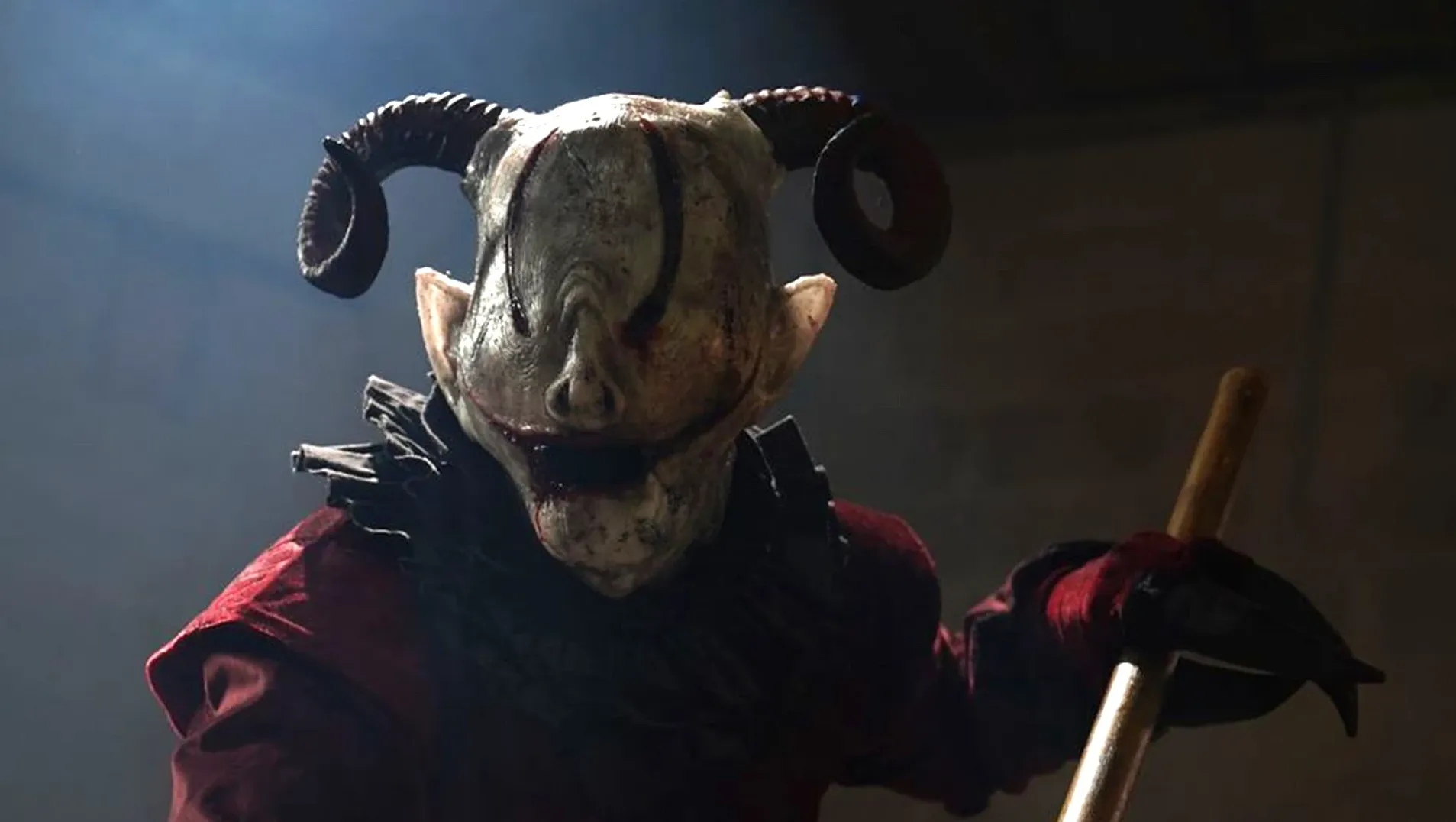
Following a horrific crime committed when they were young, a group of four friends think it will remain a secret forever until they discover and play a vintage board game. When the game unwittingly summons the grotesque clown demon ‘Grin’, it soon becomes clear the demon targets those who have committed terrible sins. Official selection FrightFest 2026
 The Public
Director: Asa Gartland
Year: 2026
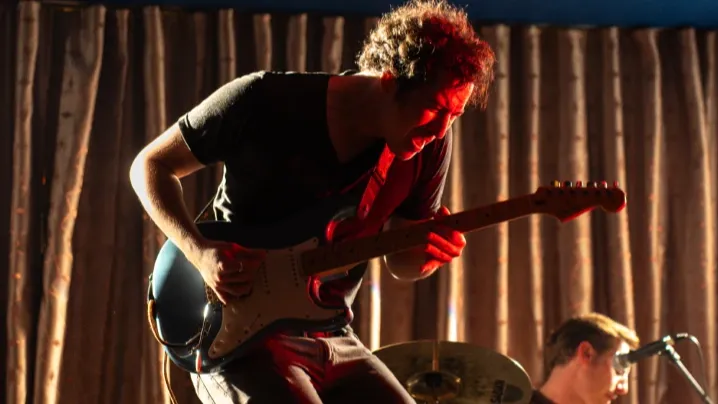
The Public have just played the best gig of their lives, and for the first time, someone in a suit is interested. It feels like the moment they have been waiting for, but celebrations quickly descend into chaos. Andy, the band's quiet and devoted guitarist, watches as his dream begins to dissolve around him. A chain reaction is set in motion as secrets are exposed, loyalties shift, and buried tensions explode to the surface. As the night spirals further out of control, the frontman, Ted, is pulled toward a future that could take him away for good. Andy becomes desperate to save Ted from himself and hold everything together, even as it becomes clear that some things will never be the same.
 (In)Visible
Director: Sam Joseph
Year: 2025
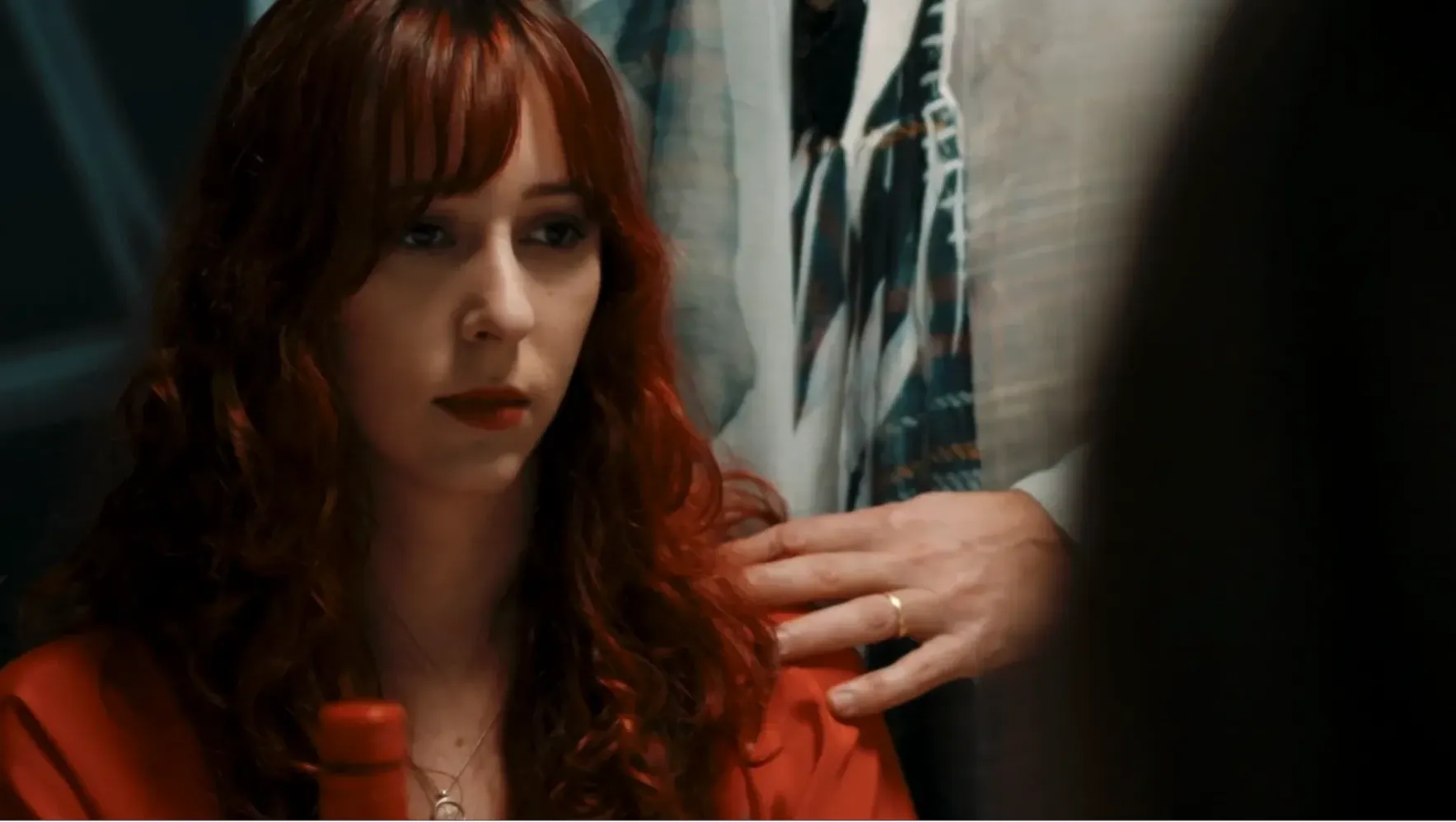
(IN)VISIBLE explores the psychological effects of domestic abuse and society’s complicity in trial and judgement. A young wife, abused by her older husband, is misread as cold and detached while he charms his friends. When he suddenly leaves during a very awkward and tense pre-dinner gathering against the backdrop of a symbolic art exhibition, she finds herself at the centre of an uncomfortable, damning trial by those who only know his version of the story. The trial unfolds around a contemporary table setting, echoing iconic scenes from art history, showing the historical repeated patterns of how women are seen, silenced, and judged. The film’s emotional power lies in what remains unsaid, and it reveals the insidious nature of domestic abuse and the ease with which a perpetrator can shape a victim's story; in this narrative, the wife endures a hostile societal trial and judgment with strength, dignity and resilience.