
The Blood of the Rose
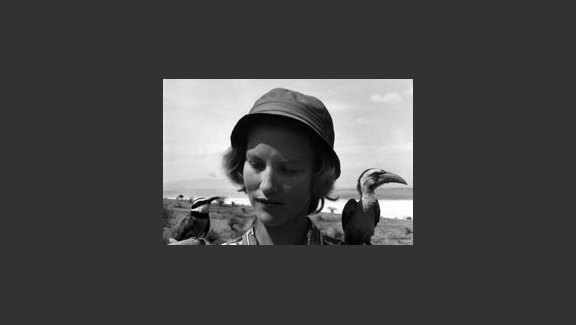
Synopsis
Details
- Year
- 2009
- Type of project
- Features
- Running time
- 92 mins
- Format
- HD
- Director
-
Henry Singer
- Producer
- Magnus Temple, Charlotte Moore
- Co-Producer
- Magnus Temple, Charlotte Moore
- Editor
- Ben Stark
- Director of Photography
- Jonathan Partridge
- Sound
- Paul Paragon
- Composer
- Andy Cowton
Categories
Production Status
Production Company
Dragonfly Film and Television
120-124 Curtain RoadLondon EC2A 3SQ
UK
T:+44 (0)207 033 2300
F:+44 (0)207 729 3086Sales Company
Niki Page
C4i Distribution21-25 St Anne's Court
London W1F 0BJ
UK
T: +44 (0)207 494 5790
F: +44 (0)207 494 5791Page updates
This page was last updated on 12th May 2025. Please let us know if we need to make any amendments or request edit access by clicking below.
See also
You may also be interested in other relevant projects in the database.
 Adlais
Director: Alex Darby, George Leith, Sophie Mei Birkin
Year: 2026
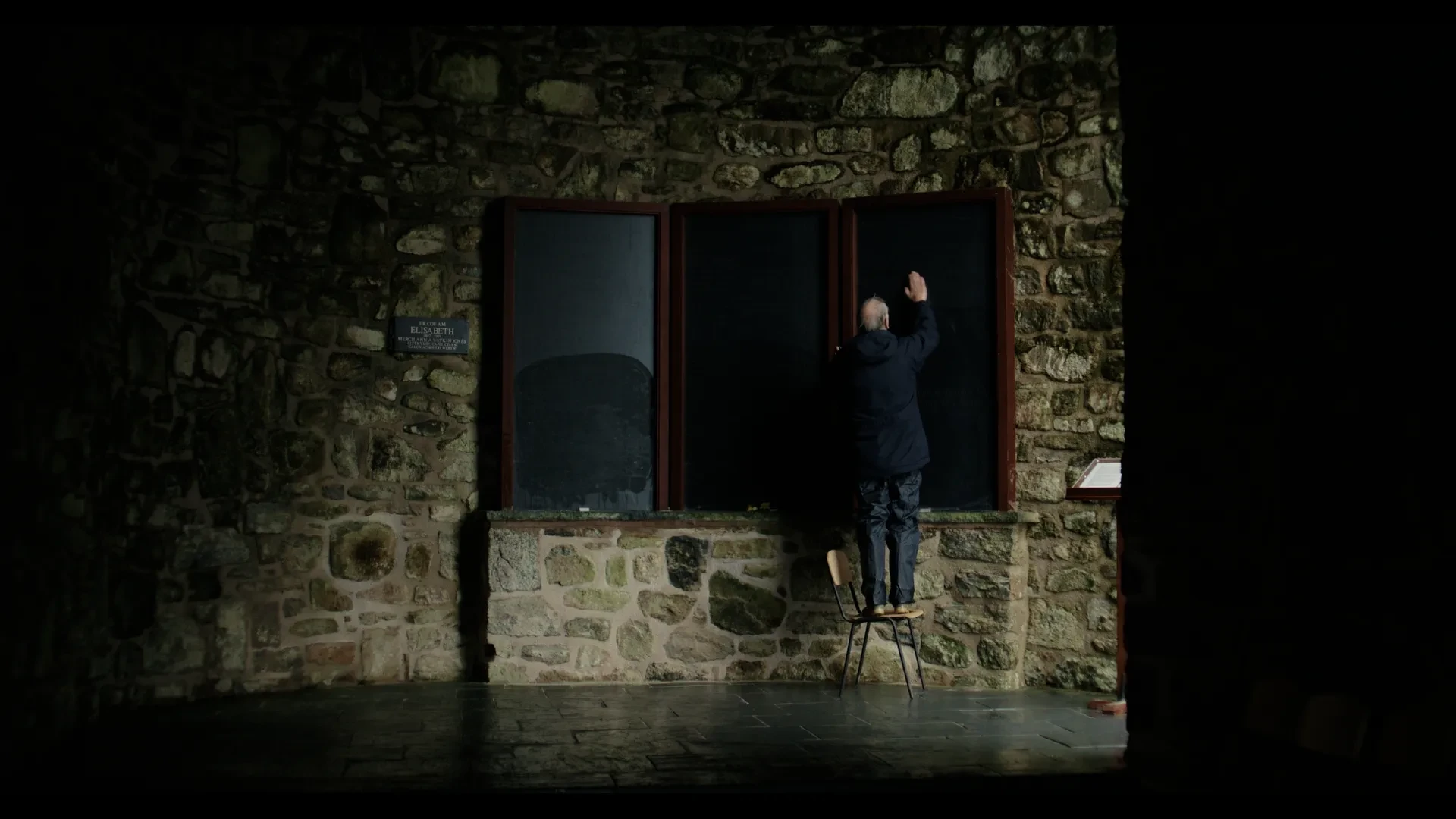
Adlais (Echo) weaves Welsh language folklore and histories through their shared subjects of poetry and drowning – and asks whether we’re listening to the past as it surfaces today.
 The End of Times
Director: Luca Anzalone
Year: 2026
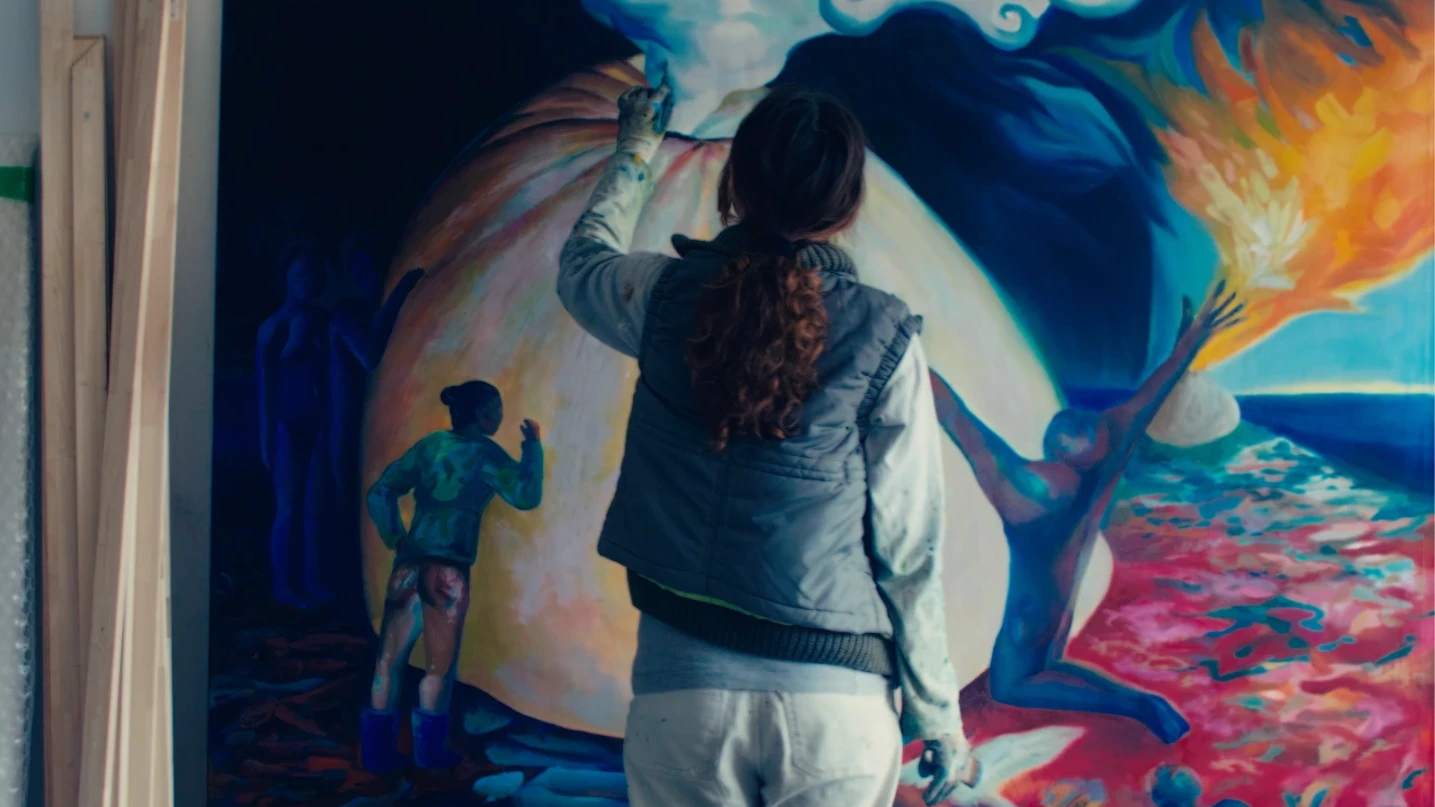
Caught between her indigenous Buryat roots—where art is a shamanic window between worlds—and a Western market that treats culture as a commodity, artist Yuma Radne constructs a monumental canvas to confront the psychological distortions of colonization at the edge of an irreversible era. "Either you make art, or you suffer. It’s like a curse." For painter Yuma Radne, the act of creation is not an aesthetic choice, but an ancestral code carried in the blood. Moving from a remote Siberian village to the high-stakes European art world, Yuma finds herself navigating a surreal landscape where sacred cultural identity is rapidly converted into a luxury product. Through intimate studio dialogues and raw philosophical reflections, the film captures the gruelling physical and mental labour behind her graduation masterpiece, The End of Times. Centred around a gargantuan erupting booze (a traditional Buryat dumpling) mutated into an absurd, monumental symbol of a colonised and erased national identity, the film transcends a typical artist portrait. It becomes a vital, cosmic meditation on why humanity continues to create art in the face of systemic collapse—and a powerful testament to an indigenous culture refusing to be reduced to a souvenir.
 Tobias and the Angel
Director: Mark Forbes
Year: 2021
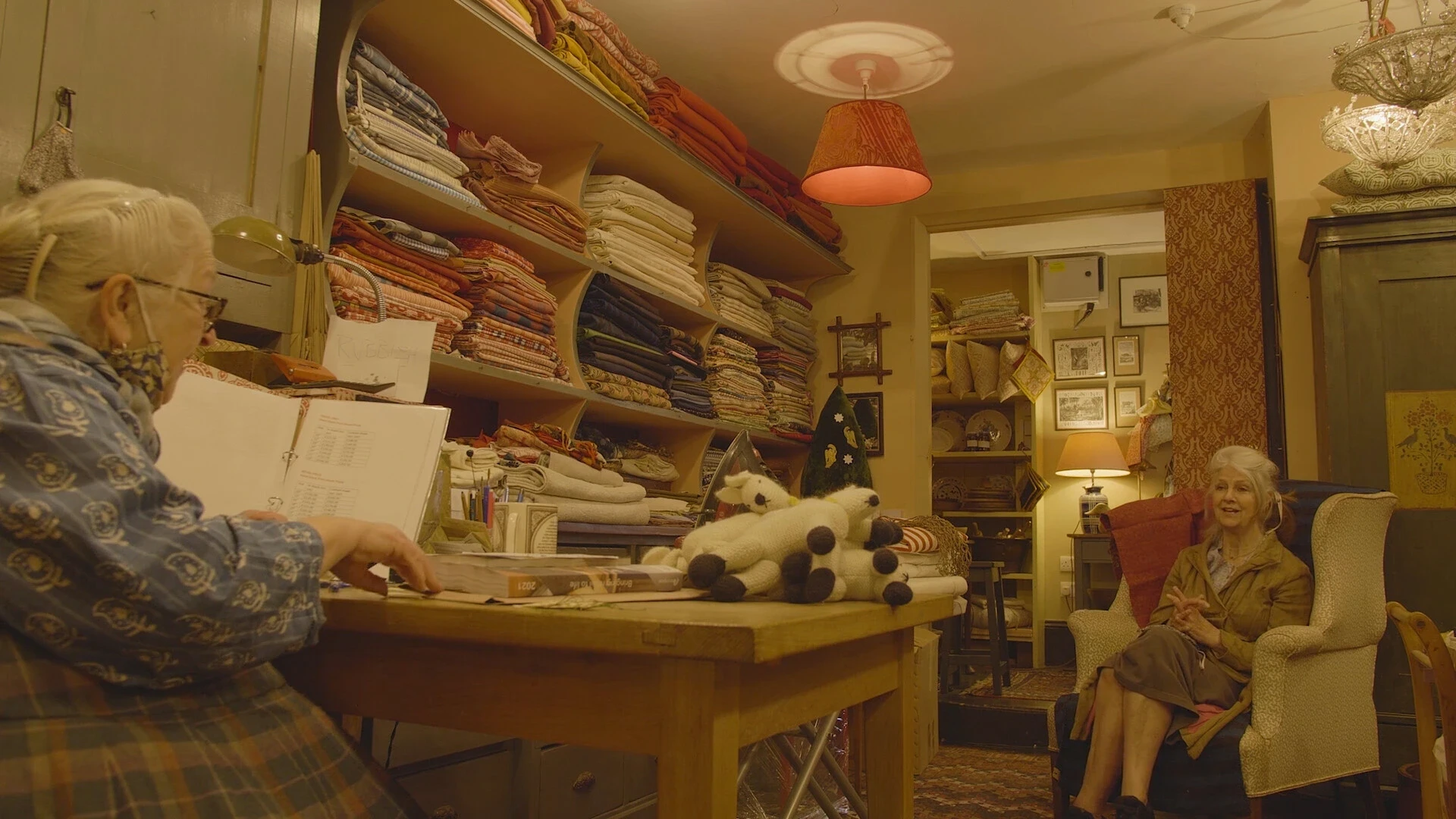
Tobias & The Angel are famous for their shop in West London where all the different aspects of what they do that are combined to make it feel like home. The shop is owned and run by Angel Hughes and has a story to tell about her family beginnings.