
The Great North
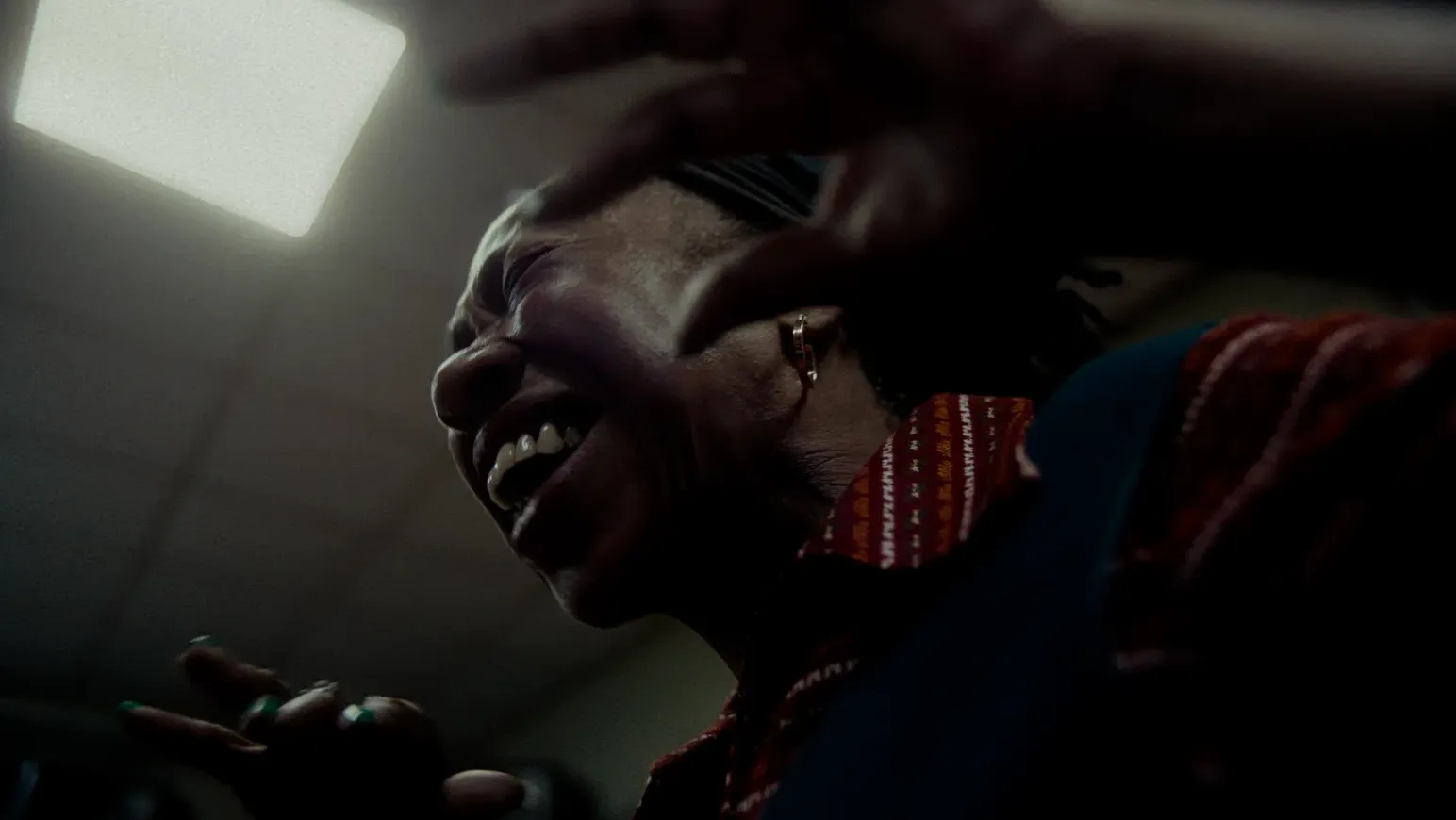
Synopsis
Taking Manchester’s industrial history as a starting point, THE GREAT NORTH moves through the city’s Black communities and spaces – from living rooms in Moss Side to social clubs and community centres in Hulme. THE GREAT NORTH is the story of Manchester told through its Black, Asian and Irish communities, spanning outwards to the North of England and the rest of the world.
Official Selection International Film Festival Rotterdam (IFFR) 2025
Official Selection BlackStar Film Festival 2025
Details
- Year
- 2024
- Type of project
- Shorts
- Running time
- 52 min 1 sec
- Format
- Digital Video
- Director
-
Jenn Nkriu
- Producer
- Aya Kaido, Nkem Nwaneri, Mikal Habteab, Nina Franklin, Steph Clarke
- Executive Producer
- Gabrielle Jenks, Hayley Pepler
- Editor
- Jermaine Quanioo
- Screenwriter
- Jenn Nkiru
- Director of Photography
- Fraser Rigg
- Production Designer
- Sami Khan
- Composer
- Lord Tusk, A Guy Called Gerald, Barry Adamson
- Principal cast
- Jordan Afi Lambert, Niall Cunningham, Adele Jones, Janette Martin, Michael McMillin, Stephen Mustchin, Nkita Potter, Gerald Rydel Simpson, Akil Scafe-Smith, Edmond Smith, Tim Williams, Kelise Gordon-Harrison, Riaz Ali, Dammy Aminu, Hope Bello, Reisso Bhaker, Gillian Bojang, Stephen Brown, Alfonso Buller, Annika Campbell-Hypolite, Esme Davis, Lilly Davis, Monique Dixon, Harry 'Hazza D Dolan a.k.a Hazza D, Tia Ellis, Kelise Gordon-Harrison, Mark Heselwood, Cleopatra Higgins, Yonah Higgins, Larry Highman, Andrew Jones, Jorden Afi Lambert, Zayne Macdonald, Feya Mattis, Patrick J. Maxwell, Jackie McNiesh, Tommy Nelson, Emilly Yeboah Obeng, Zia Opara, Aaron Orr, Luna Reid, Shameem Riaz, Trevor Roots, Rayal Rowe, Renee Rowe, Ann Sargé, Lucas Sharples, Rose Silver, Leon Smith, Denise Southworth, Eden Spencer, Elias Spencer, Ella Spencer, Joshua Spencer, Ronnie 'The General' Walfall, Juliet Williams
Genre
Categories
Production Status
Production Company
A Factory International, Mothership production
Factory International
Callum KirkwoodAviva Studios
Water Street
Manchester
M3 4JQ
Page updates
This page was last updated on 28th January 2026. Please let us know if we need to make any amendments or request edit access by clicking below.
See also
You may also be interested in other relevant projects in the database.
 Rehearsals for a Revolution
Director: Pegah Ahangarani
Year: 2026
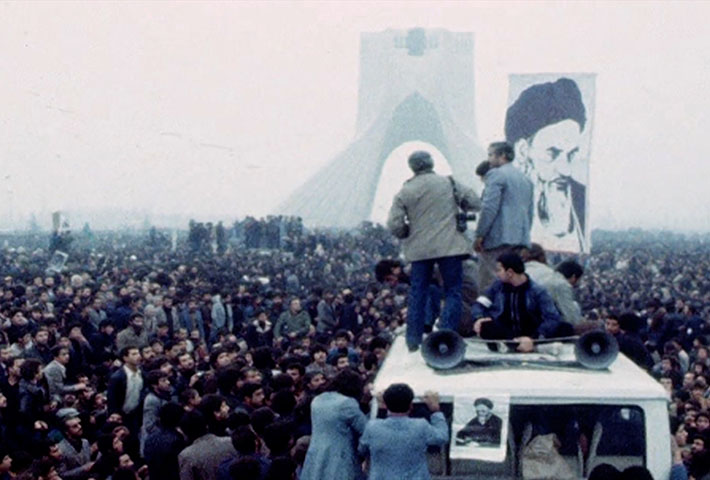
Through five portraits of relatives and mentors, five expressions of resistance, director Pegah Ahangarani sketches her life story. Drawing from personal archives, home videos, street protests footage, newspapers, and recorded voices, she retraces more than 40 years of Iran’s history. From the early days of 1979, until the war that began in 2026, she pieces together intimate and collective memories, forming the portrait of a country shaped by political repression and in constant hope for a revolution. Official Selection Cannes Film Festival 2026 - Special Screenings Official Selection Telluride Film Festival 2026
 Hello You
Director: May Abdalla, Barry Gene Murphy
Year: 2026
Hello You is an autopsy of your reflection. This mirror has two sides: one that observes, and another that follows. Exploring stories of altered perception, from phantom limbs to the feeling of being a stranger in your own body, the experience stretches the split-second act of self-recognition into something you can watch unfold. Here you are asked not to look at yourself, but at the lenses through which you look.
 Half-Life
Director: Emma McGordon, Chris Neilan
Year: 2026
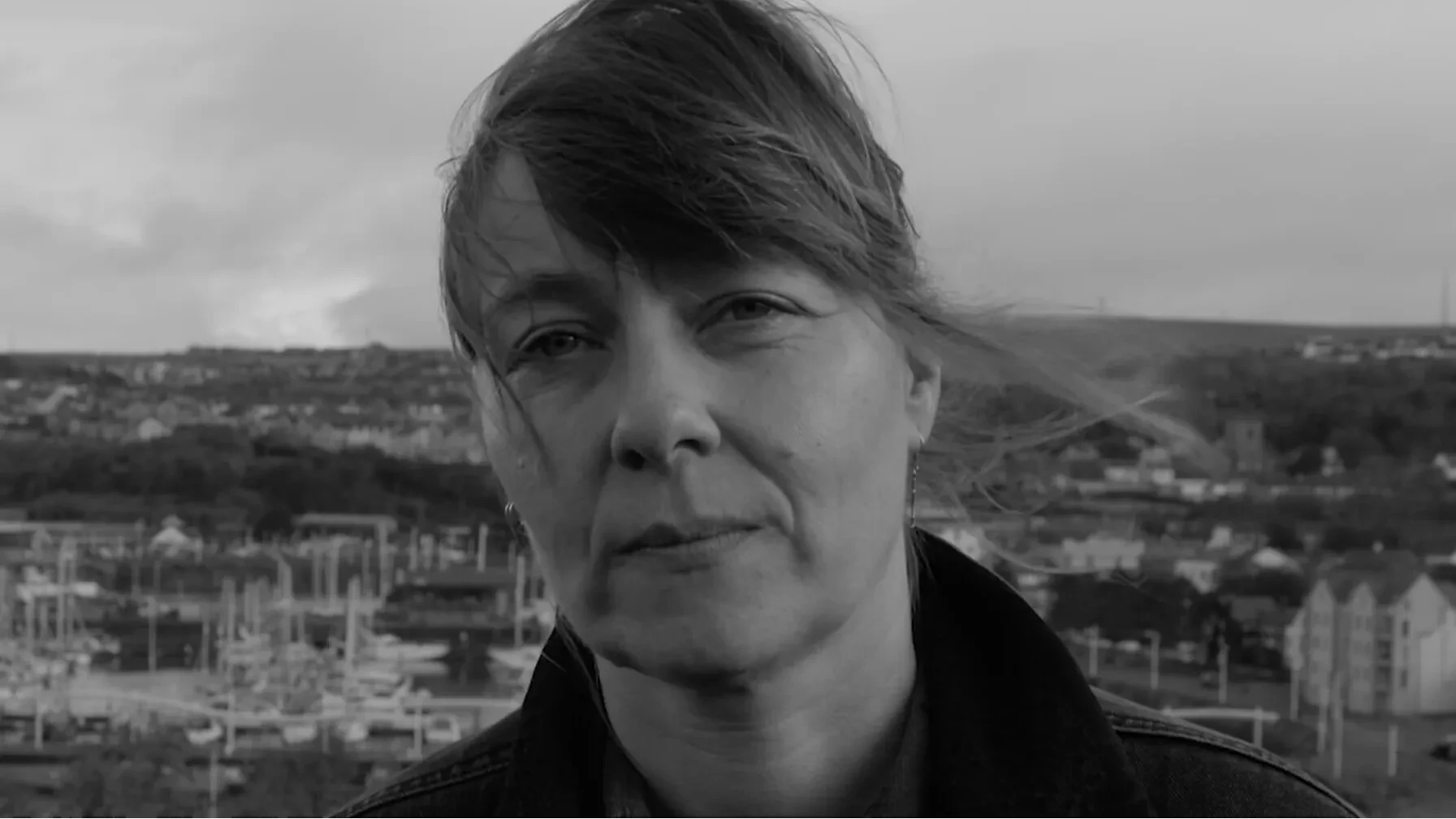
Cumbrian poet Emma McGordon wrestles with mental health and class-based barriers as she tries to turn her poem into a film.