
the thought of the innermost being
Synopsis
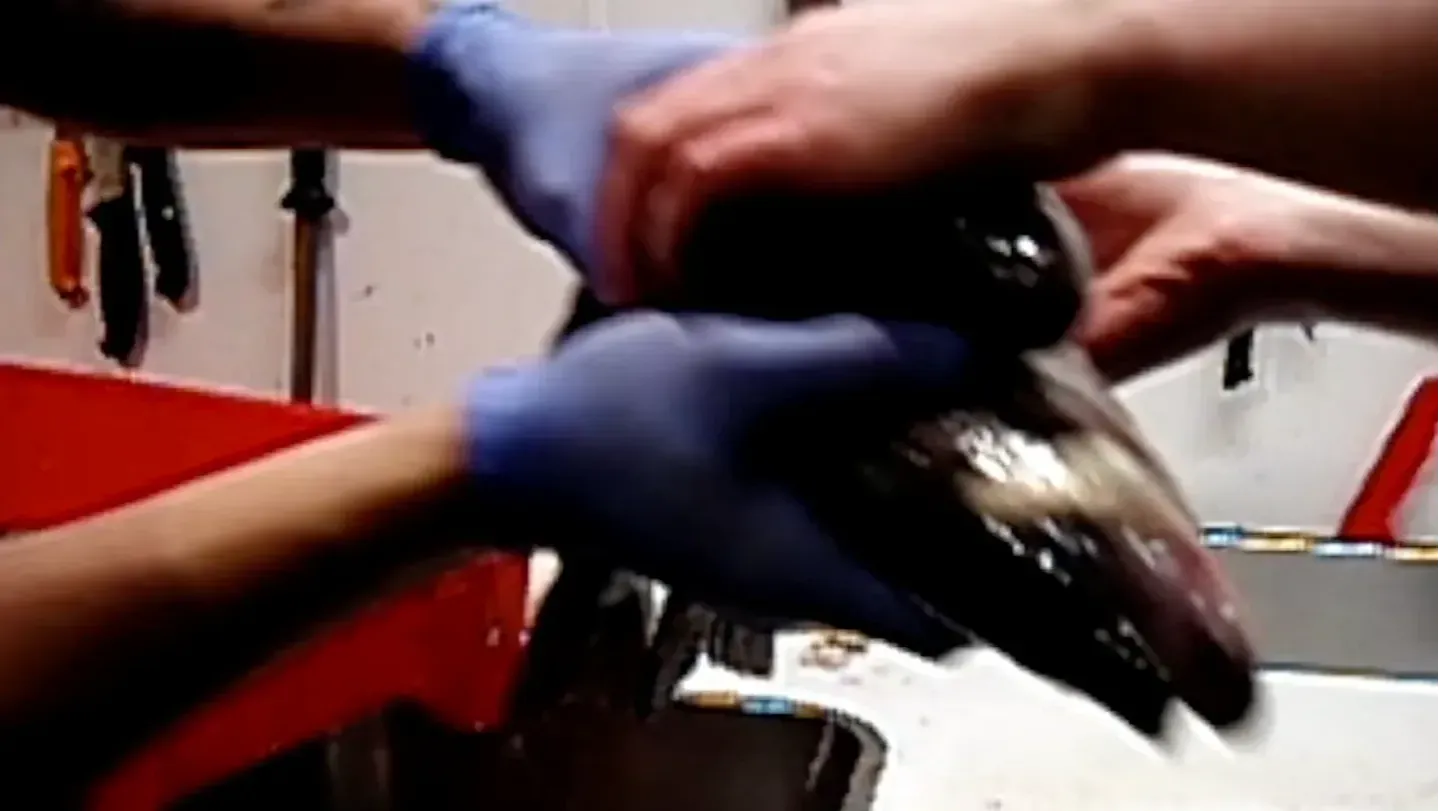
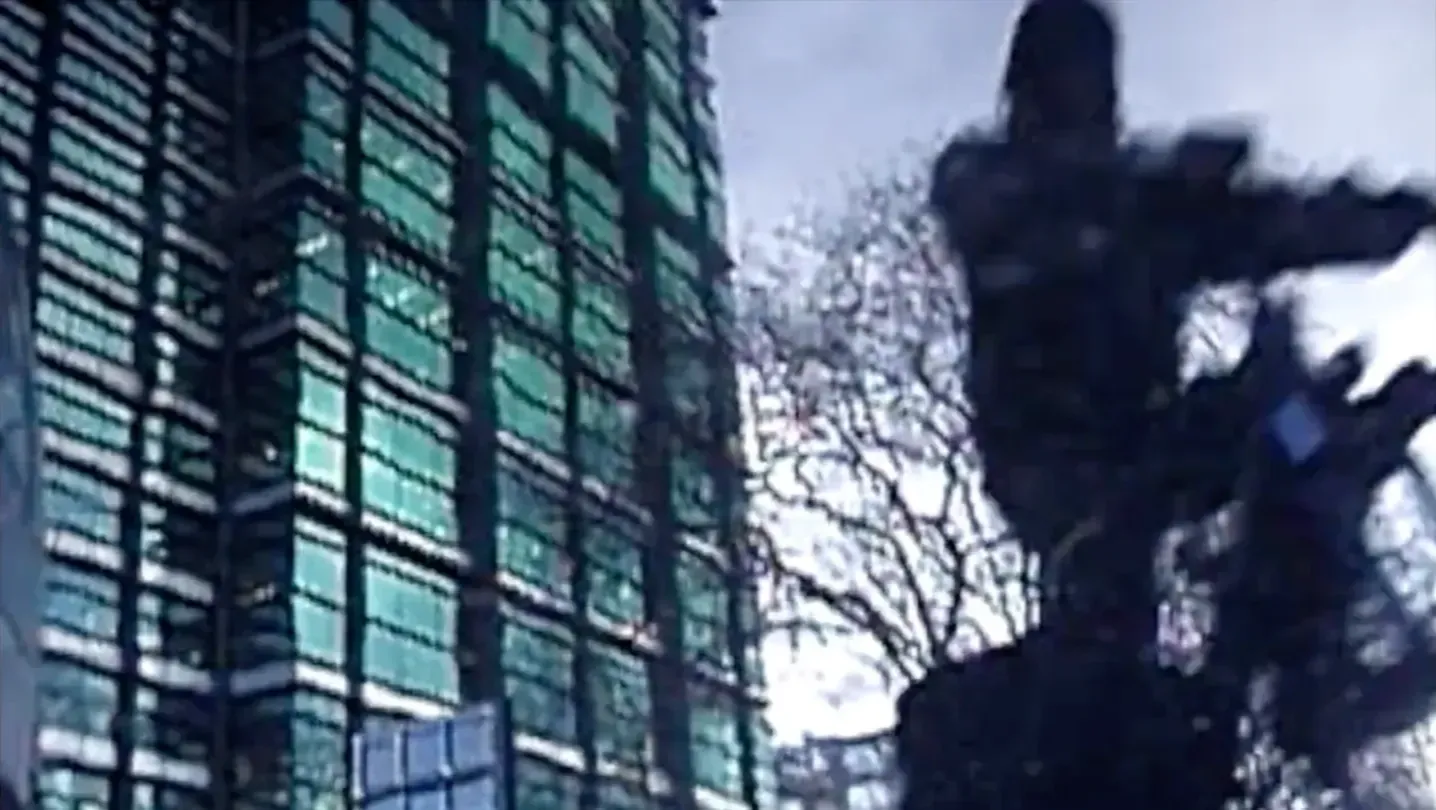
The film's title is inspired by Maurice Blanchot’s ‘The Book to Come’ which incited my exploration of whether images can capture anything sacred in a world of dispossession. A diaristic, psychogeographic journey through a city that metastasises uncontrollably before me, the film captures a form of alienation that supersedes and confounds the trajectory of grief. What is lost when all becomes gloss?
Official Selection BFI London Film Festival 2026
Details
- Year
- 2026
- Type of project
- Shorts
- Running time
- 10 min 52 sec
- Director
-
Jack Jeffreys
- Producer
- Cici Peng
- Editor
- Jack Jeffreys
- Screenwriter
- Jack Jeffreys
- Director of Photography
- Jack Jeffreys
- Sound
- Nathan Geyer
Genre
Categories
Production Status
Page updates
This page was last updated on 18th September 2026. Please let us know if we need to make any amendments or request edit access by clicking below.
See also
You may also be interested in other relevant projects in the database.
 Between Us and the World
Director: Wallace Minchong Li
Year: 2026
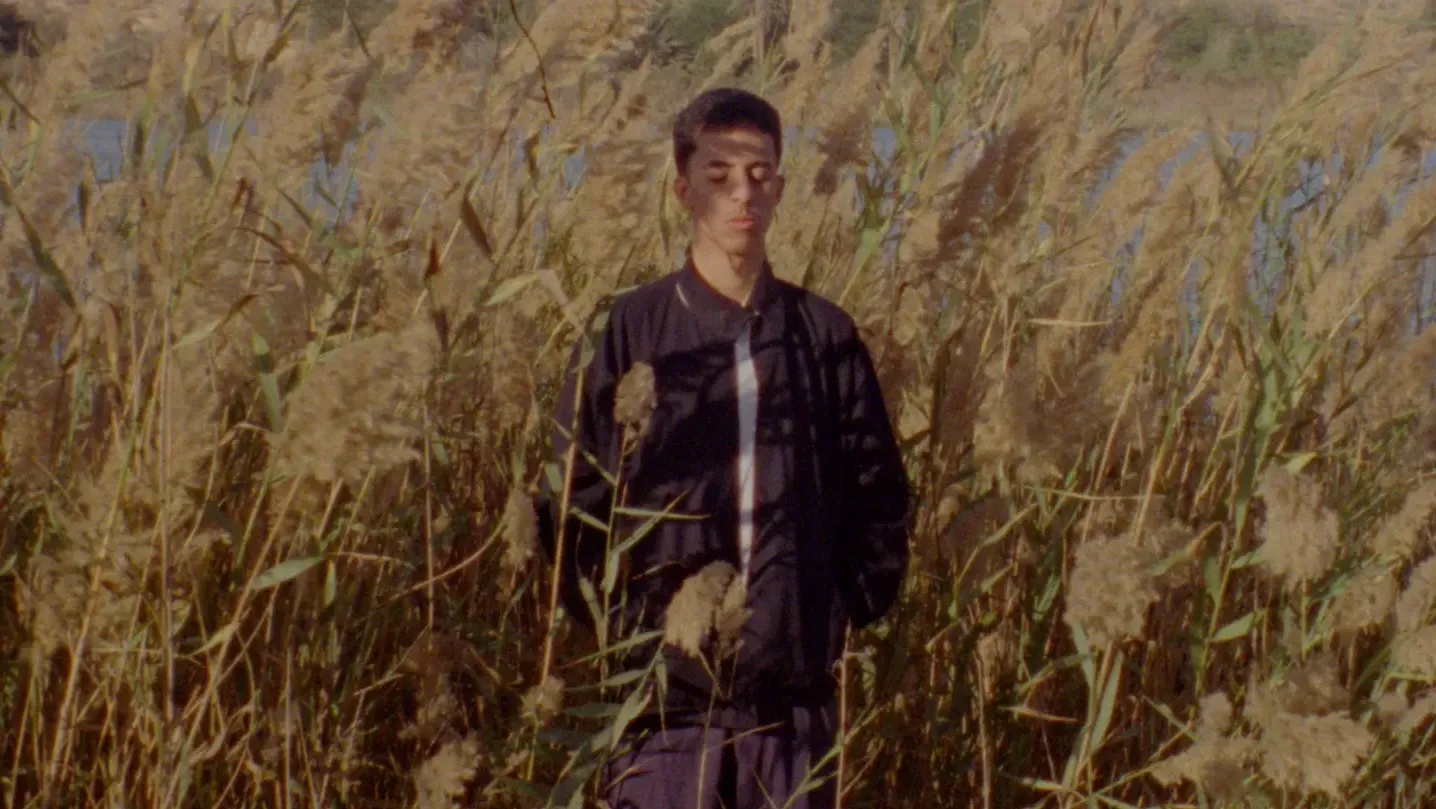
European archival footage from the 1950s documents the life of indigenous, nomadic Sahrawi children and youth in Western Sahara / Morocco. Seventy years later, local young people from Laayoune (El Aaiún) revisit locations that may have appeared in the footage. From ocean to desert to oasis, under trembling starlight, they share their thoughts on life, dreams, and utopia as they search for an uncertain upstream. Official Selection BFI London Film Festival 2026
 The Centre Cannot Hold
Director: Ufuoma Essi
Year: 2026
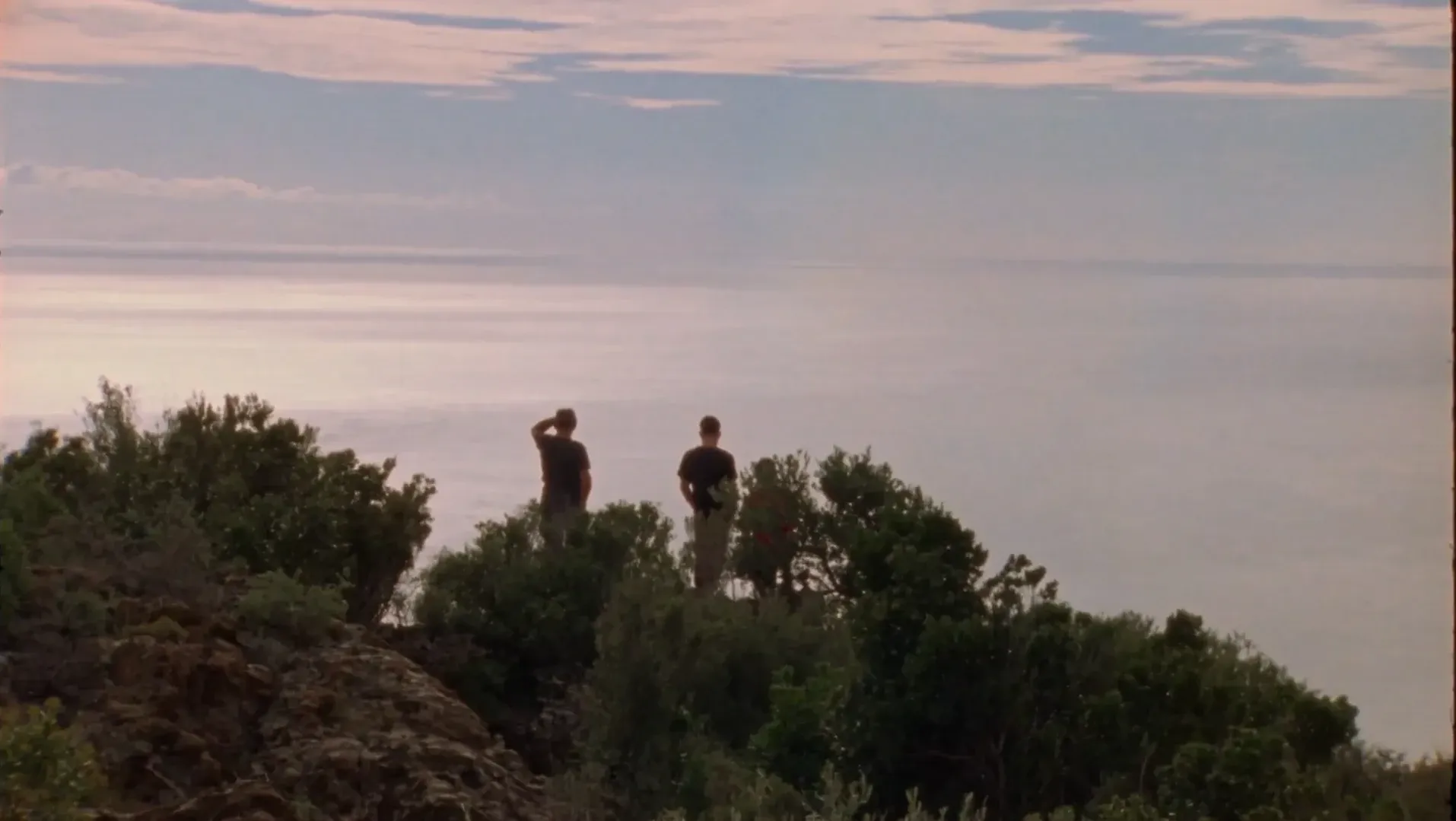
Narrated by actress Guslagie Malanda, THE CENTRE CANNOT HOLD is an essay film that explores what it means to exist on an island, as well as the tensions of living in the shadows of French colonialism. Set across a single day and shot on 16mm, the film recalls a speculative relationship to the island of Corsica. Official Selection BFI London Film Festival 2026
 Landscapes of Shame
Director: Patrick Hough
Year: 2026
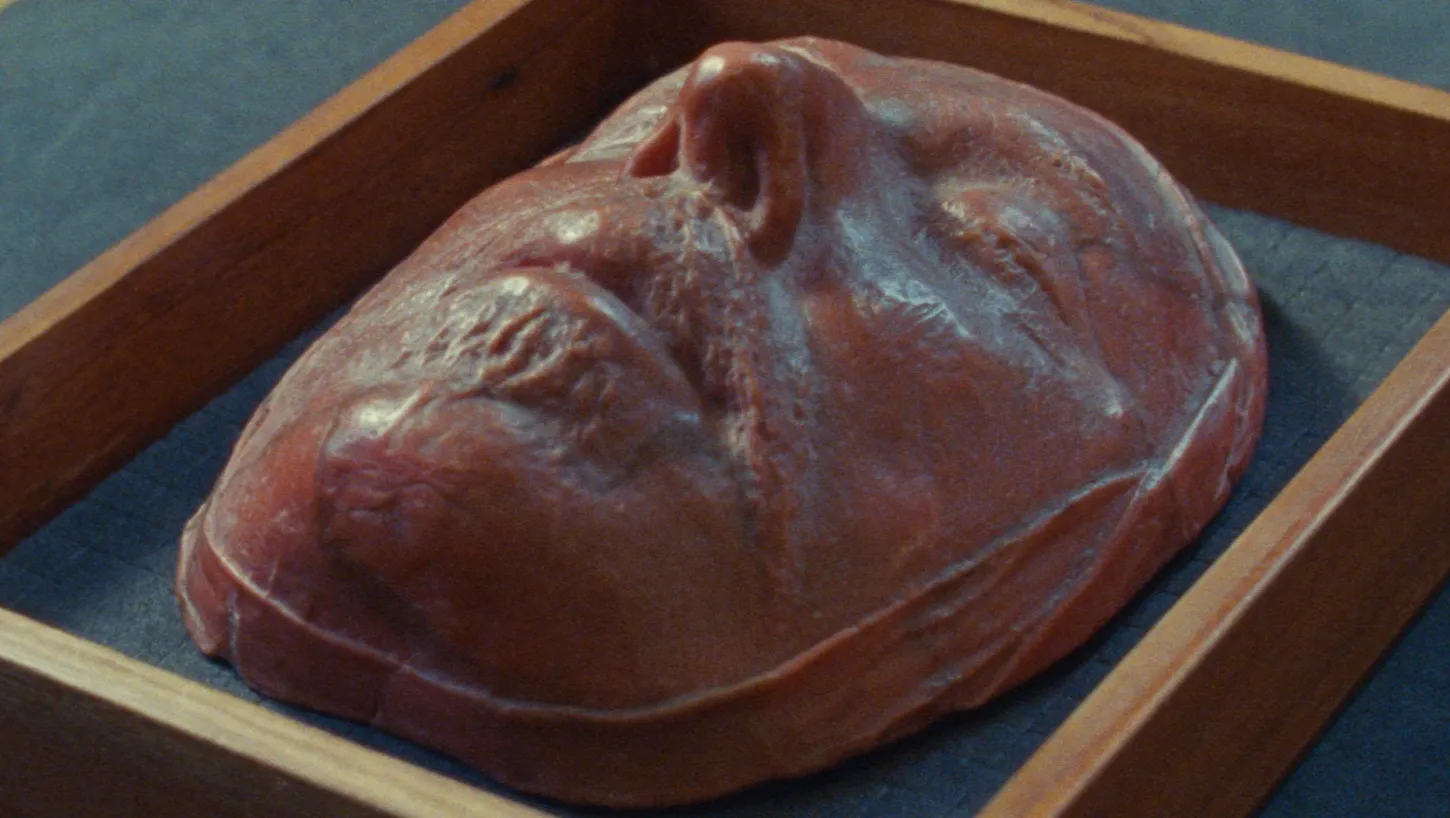
Filmmaker Patrick Hough journeys through the haunted landscapes of Ireland, where colonial violence, ecological loss and queer desire remain inscribed in the land. Moving between forests, mountains, archives and cruising grounds, the film traces the extinction of the Irish grey wolf alongside the cultural suppression that followed Cromwellian conquest of Ireland. Fragments of history surface through objects and places: a death mask of Oliver Cromwell, medieval myths of werewolves, maps drawn to measure and divide conquered territory, and landscapes where wolves were once hunted to disappearance. These materials are interwoven with contemporary nocturnal scenes of queer gathering and protest, where shame gives way to transformation, pleasure and resistance. Blending essay film, documentary and poetic fiction, LANDSCAPES OF SHAME asks how violence survives in landscapes, language and bodies - and what forms of wildness still remain. Official Selection BFI London Film Festival 2026