
The Voice of the Unicorn

Synopsis
This film shows the artists, the art and the woman that made it possible. It’s a testament to integration and the remarkable minds of the people that inhabit the building that is Atelier Corners. The film is part documentary and part artists’ moving image, a reflective and thoughtful account exploring the experience of disability in Japan, what is positive in the act of creation and the struggle against social exclusion, and how to foster and nurture the spirit of human life in a country that has traditionally excluded and hidden its disabled population from view.
Details
- Year
- 2020
- Type of project
- Features
- Running time
- 60 mins
- Director
-
Richard Butchins
- Producer
- Richard Butchins
- Co-Producer
- Partrick Knill
- Executive Producer
- Richard Lloyd
- Editor
- Melanie Quigley
- Director of Photography
- Richard Butchins, Roger Walch
- Sound
- Patrick Knill, Richard Butchins
- Composer
- Gemma Williams, Patrick Knill
- Graphics
- Beepee.xyz
Genre
Production Status
Production Company
Richard Butchins
Page updates
This page was last updated on 12th May 2025. Please let us know if we need to make any amendments or request edit access by clicking below.
See also
You may also be interested in other relevant projects in the database.
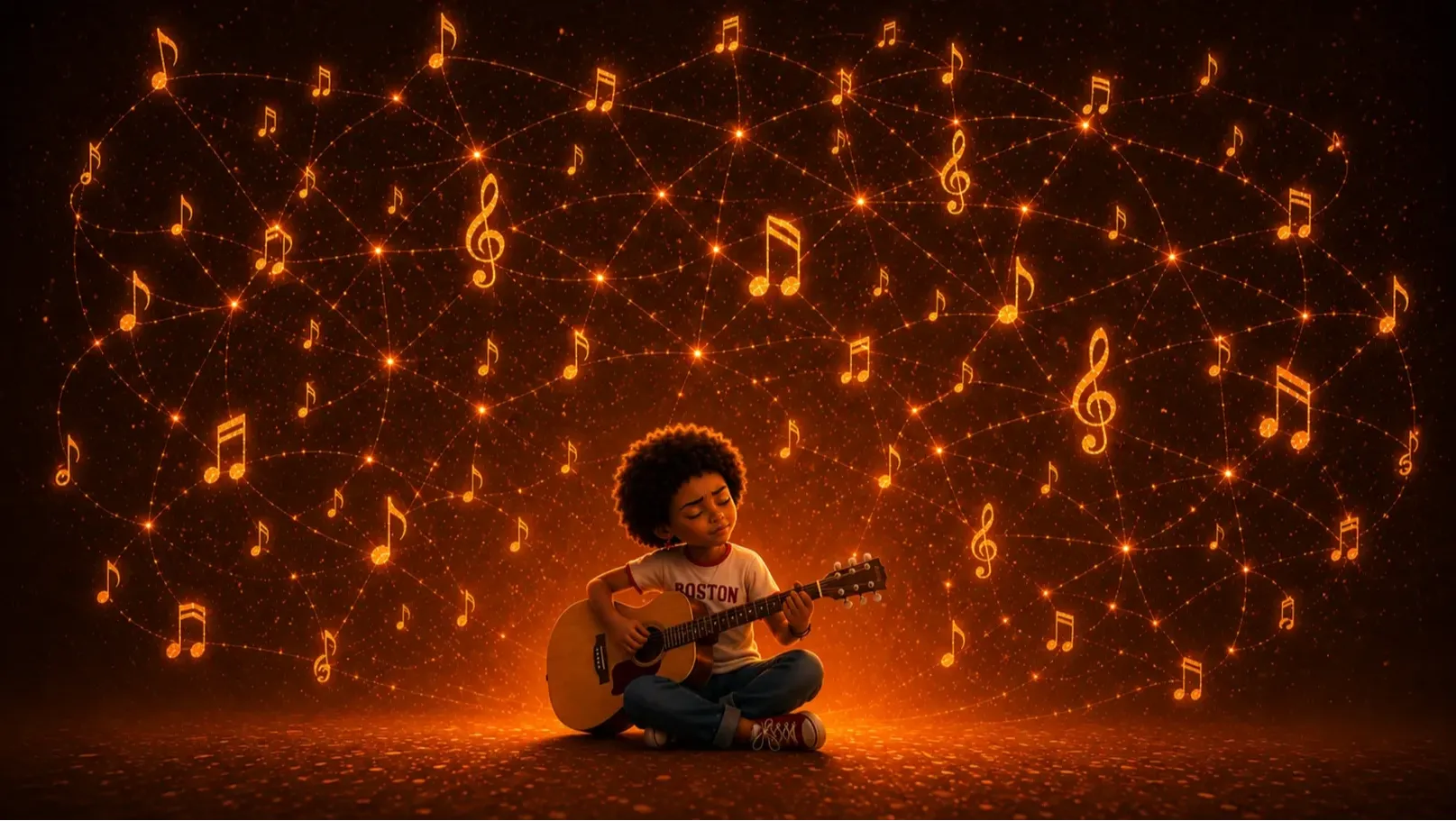 The Atlas of Sound
Director: Siobhan Silén
Year: 2027
An animated VR short inspired by autistic musician Jen Msumba, who defies a system designed to erase her through synaesthetic music-making. It explores the universal need to be accepted for who we are. Participants journey through Jen’s life, from childhood, when the world feels confusing and “wonky”. Music is her safety and compass. While others read notes on a page, Jen sees visual maps that help her express emotions and navigate uncertainty. As a teenager, Jen’s mother becomes ill and her anxiety overwhelms her. Years of psychiatric institutions and medication leave her sedated, unable to play instruments. Her family sends her to the Judge Rotenberg Center, whose practices will later be described by the United Nations as torture. Over seven years of confinement and painful electric shocks, Jen is taught to believe she is “wrong”. Secretly composing music in her head becomes her refuge. Realising the centre will not support her independence, Jen writes to a judge and wins her freedom. She rediscovers music and invites us into her musical map, where participants touch and transform notes through movement, shifting melodies from classical to punk rock. We end with Jen performing on stage.
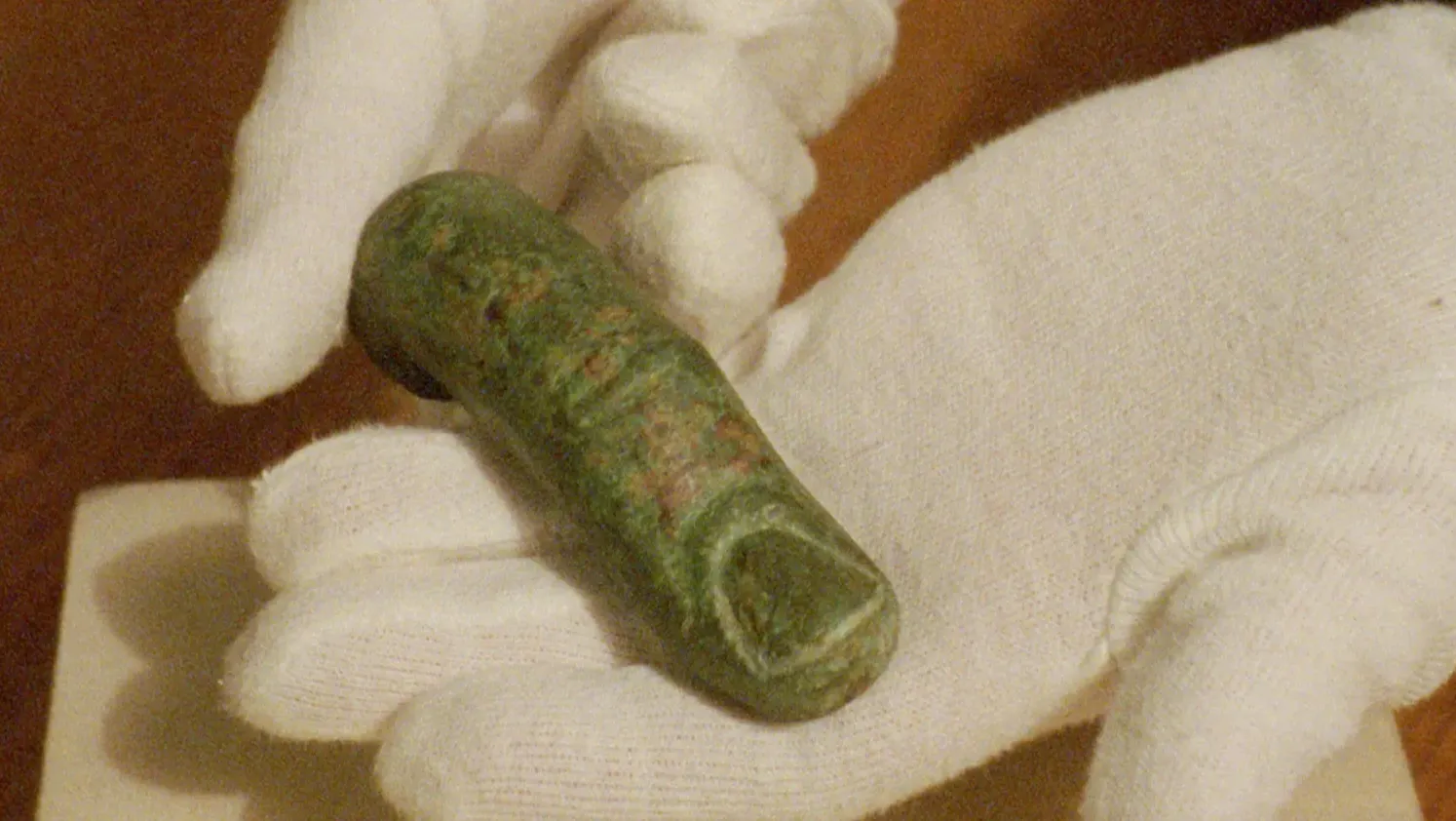 A Spirit, a Deity, a Barbarian? Captive in the Subterranean
Director: Hannan Jones
Year: 2025
In the subterranean archive of the National Roman Legion Museum, where artefacts and imperial debris trace Britain’s imperial past, the possible first depiction of a Welshmen or “barbarian” becomes a catalyst to unsettle imperial narratives and surface long-suppressed voices.
 House Bound
Director: Emily Ng
Year: 2025
A trapped couple feeling the pressures of the COVID-19 pandemic and the situations that occur behind closed doors truly testing their relationship.