
The White World According to Daliborek
Synopsis
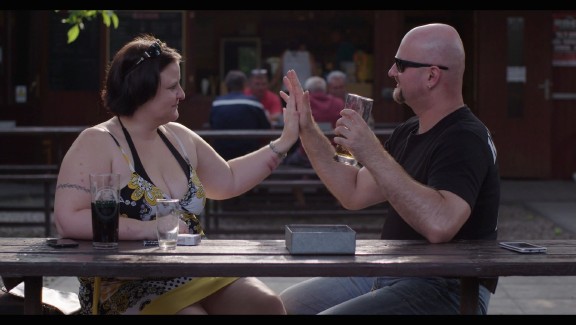
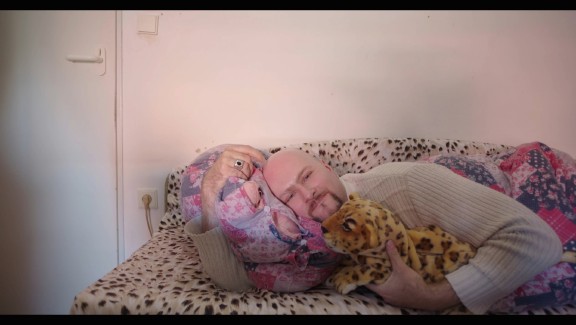
The filmmakers started filming this “portrait of an ordinary Czech neo-Nazi” at the point when Dalibor's mother Vra met Vladimír (47) on Facebook. A former cop from Topol’any, Slovakia, Vladimír also claims to be an active neo-Nazi, one of his favourite lines is that he’d love to “turn gypsies into tarmac”. At first Dalibor is blustered and opposed to his mother “bringing an intruder into his territory”. His attitude changes, however, when he himself meets Jana (29), a married neighbour, on Facebook. Jana takes Dalibor’s mother’s place in helping Dalibor make his videos, but eventually their relationship collapses. The story culminates with Jana’s initiative of bringing the main characters on a trip to the concentration camp in Auschwitz, where Dalibor learns that he has Jewish ancestors...
Official Selection Karlovy Vary Film Festival 2017 - World premiere
Details
- Year
- 2017
- Type of project
- Features
- Running time
- 108 mins
- Format
- 4K
- Director
-
Vit Klusak
- Producer
- Vit Klusak, Filip Remunda
- Co-Producer
- BritDoc
- Editor
- Jana Vlckova
- Screenwriter
- Vit Klusak
- Director of Photography
- Adam Krulis
- Production Designer
- Marianna Stranska
- Sound
- Richard Muller
- Composer
- Vladimir Godar
- Principal cast
- Dalibor Krupicka, Vera Krupickova, Jana Pavlikova, Vladimir Mihalik
Categories
Production Status
Production Company
Czech Republic, Slovakia, Denmark, UK coproduction
A Hypermarket Film Ltd. (CZ) film coproduced with support of BritDoc (UK)
Hypermarket Film Ltd.
Martina StruncovaMyslikova 28
Prague
Czech Republic
Page updates
This page was last updated on 12th May 2025. Please let us know if we need to make any amendments or request edit access by clicking below.
See also
You may also be interested in other relevant projects in the database.
 Joy of Joys
Director: Jonathan Glazer
Year: 2026
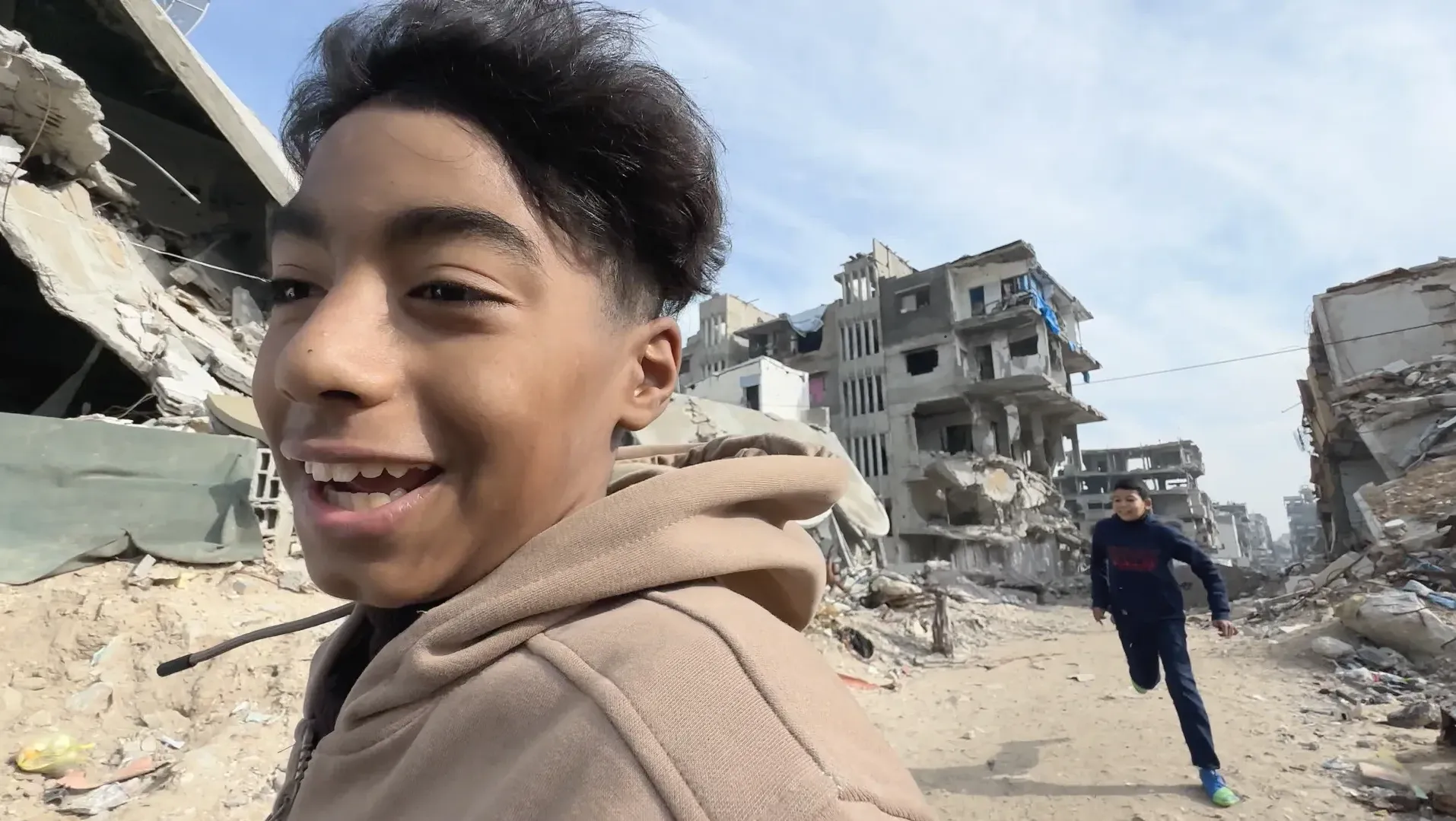
JOY OF JOYS is a short documentary about the recording sessions for War Child Records' HELP(2) at Abbey Road Studios, directed by Jonathan Glazer and devised by Mica Levi and Glazer. Children in London film themselves and the musicians, including Olivia Rodrigo, Arctic Monkeys, Damon Albarn, Cameron Winter, Fontaines DC and Pulp. While children in Gaza Ukraine, Sudan and Yemen film themselves and their surroundings. The documentary interweaves these layers across continents and backgrounds to show a universal innocence and the joy of childhood itself. Glazer and Levi describe the film as being “by children, for children”. Official Selection BFI London Film Festival 2026
 Queer Edward II
Director: Theo Rollason
Year: 2026
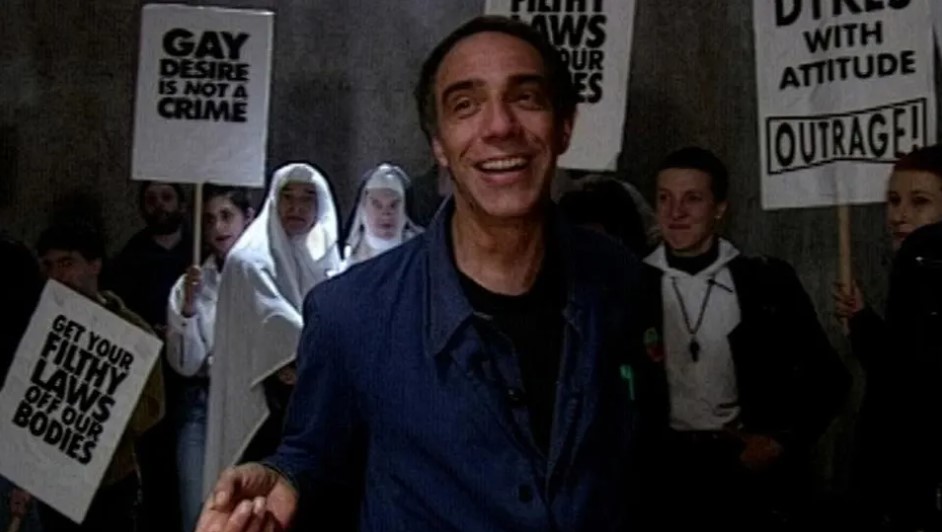
Spring 1991: queer life is under renewed attack in Britain, and filmmaker Derek Jarman is adapting Christopher Marlowe’s Edward II into a radical protest film. Drawing on extraordinary never-before-seen footage shot by Seamus McGarvey on Jarman’s set, QUEER EDWARD 11 is about the refusal to separate art from life, politics from pleasure. Official Selection Venice Film Festival 2026 Official Selection BFI London Film Festival 2026
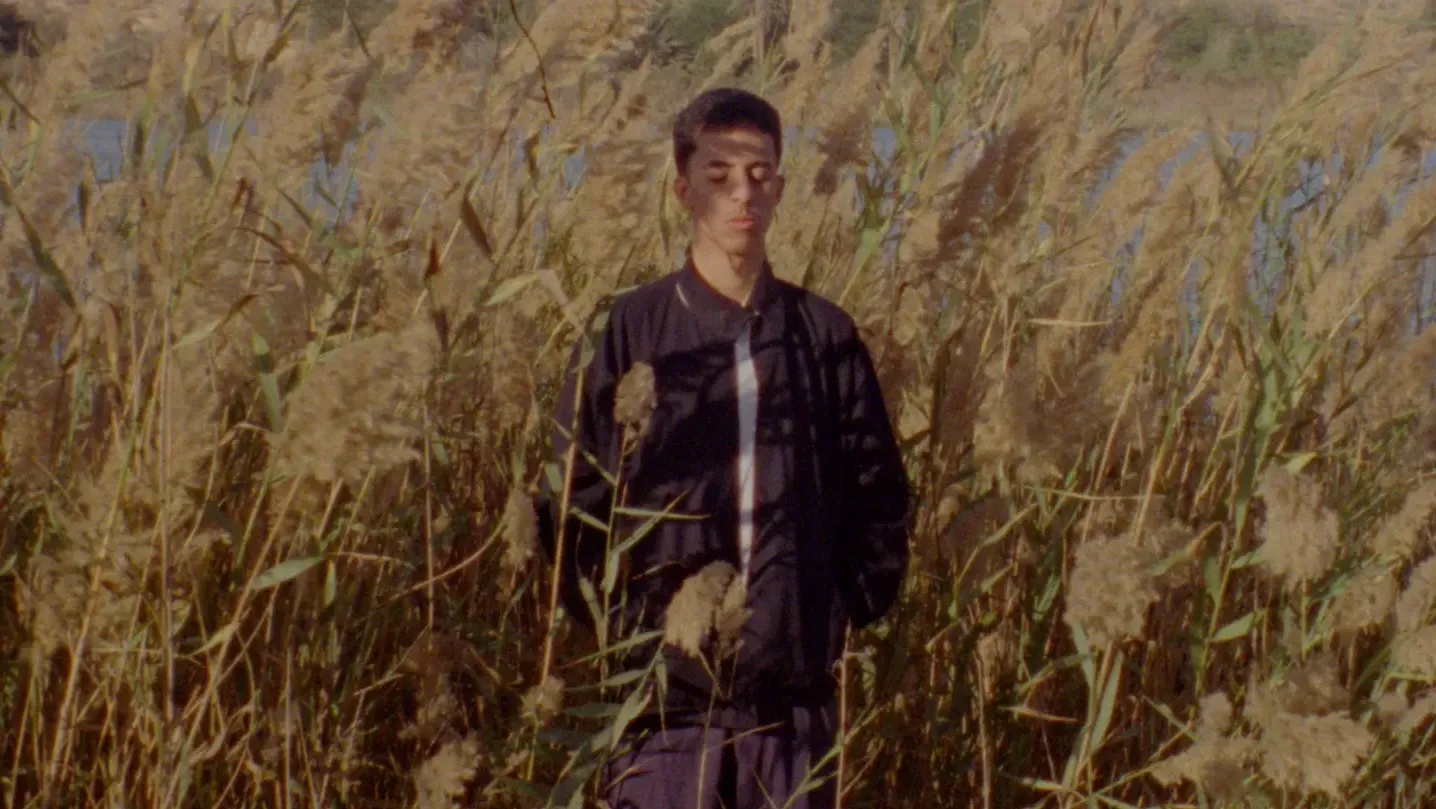 Between Us and the World
Director: Wallace Minchong Li
Year: 2026
European archival footage from the 1950s documents the life of indigenous, nomadic Sahrawi children and youth in Western Sahara / Morocco. Seventy years later, local young people from Laayoune (El Aaiún) revisit locations that may have appeared in the footage. From ocean to desert to oasis, under trembling starlight, they share their thoughts on life, dreams, and utopia as they search for an uncertain upstream. Official Selection BFI London Film Festival 2026