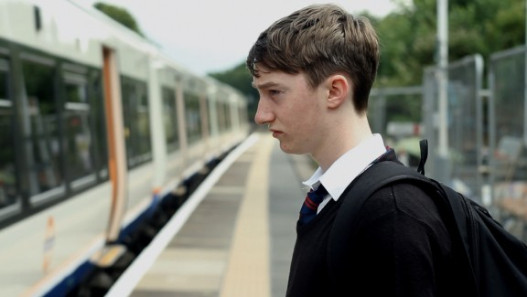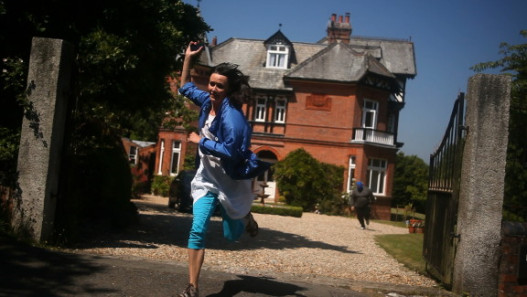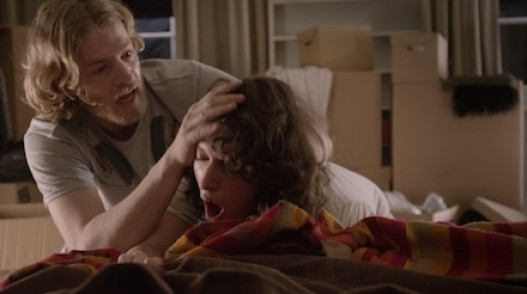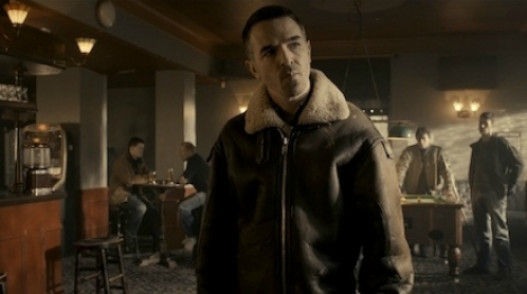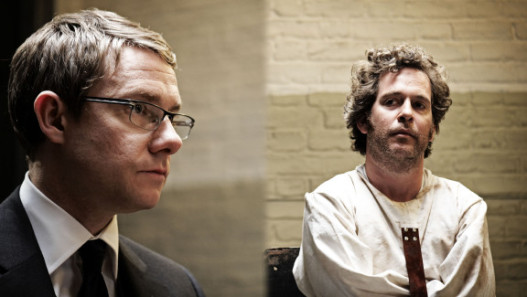
Tom is perceived as having everything: a great career, a beautiful wife - an ideal life. But behind this façade of perfection, Tom is living a lie. When his wife threatens to leave him, Tom's tightly wound composure finally cracks. He lashes out and the consequences are something to be
reckoned with. Tom is sent to prison and his life, as he knew it, is gone forever. After losing his job, his wife and his identity he is forced to start afresh alone. Self-doubt and loneliness now seem to dominate his days. What is he going to do with the rest of his life?
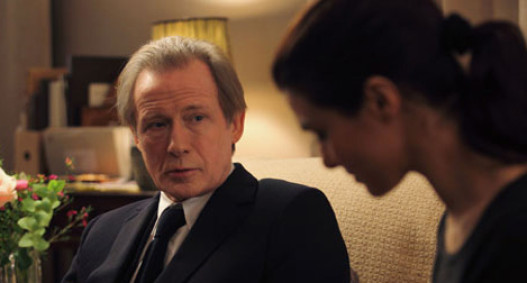
He eventually befriends a young girl called PJ and his life seems to regain a bit of colour and warmth from their slowly ensuing friendship. But then Tom meets his beautiful French neighbour Inès. A tender connection develops among them. This quietly mysterious woman intrigues Tom. When he finds out about her life, it finally puts everything in Tom's own story into perspective.
There might be damage, but there is always hope.
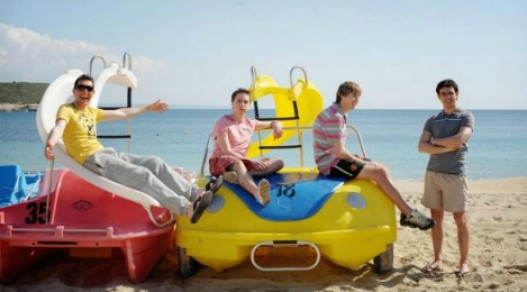
The hilarious true story of two nobodies who took on the biggest somebody on earth, from the writers of 'The Commitments'.
Neil McCormick, a punk schoolboy in Dublin in the 1970s wants to be famous, more than famous, he's certain his destiny is to be a rock god. He and his little brother Ivan have it all worked out: the platinum albums, the stadium concerts, the screaming girls, the quest for world peace. There's one thing they hadn’t counted on, the small boy quietly sitting on the other side of the classroom has plans of his own. And his name is Bono. And there’s another thing, Bono tells Neil he wants Ivan for his band. And Neil’s not going to tell him.
The fear of getting old and the world losing its infinite possibilities grows everyday for Henry, and working in a nursing home serves as a constant reminder that a powerless future is dawning. Following an encounter with one of his former charges, Henry reconnects with himself and those who love him.
The latest film by Frame on Frame was made in the style of Mike Leigh and Alexander Sokurov.
It is an exceptional piece of experimental film-making and was shot from beginning to end in less than 100 minutes, using 6 cameras strategically placed in a large private garden in Hammersmith.
Twenty-four actors took part and although they worked to a plot, all the dialogue was improvised during the shoot with no rehearsals beforehand. Only Morrison was made aware of the final scene before the shoot.
Today's the day Kevin gets to meet Marjorie, his birth mother. He's looking for answers and he's looking for all the love he feels he missed out on as a kid. But will Marjorie be able to give him what he's looking for?
This film is about my Italian mother and her confessions about life in Greece. The content is based on an interview with her in which she talks to me about her arrival in Athens during the 70’s after the fall of the dictatorship.
After years of trying for a baby, the now middle-aged couple realise they are unable to conceive. At this sensitive time in their relationship, an uninvited and heavily pregnant visitor comes to stay. Will they welcome into their home what they desire most?
An isolated air-traffic controller in an island of the Azores archipelago receives a transatlantic emergency signal from a lost plane. As the engagement with the lone pilot unfolds, it emerges that their new found friendship will not last through the night.
1944: after the failure of the D-day landings, a German counterattack lands on British soil. Within a month, half of Britain is occupied.
Sarah Lewis, a 26 year-old farmer's wife, wakes to find her husband Tom has disappeared. On the same morning the other women in the isolated Welsh border valley of Olchon discover their husbands have gone, too. Assuming their men have joined the resistance, the women in this tiny community pull together, taking on the running of the farms themselves and waiting, desperate for news.
A German patrol arrives in the valley, the purpose of its mission a mystery. When a severe winter forces the two groups into co-operation, a fragile mutual dependency develops. Sarah begins a faltering acquaintance with the patrol's commanding officer, Albrecht.
But as the chaos of the war presses in on them, Albrecht feelings for Sarah deepen and he confesses to her the secret of his mission. Soon the valley’s delicate state of harmony begins to falter and the women and soldiers are forced to make decisions that will change their lives forever.
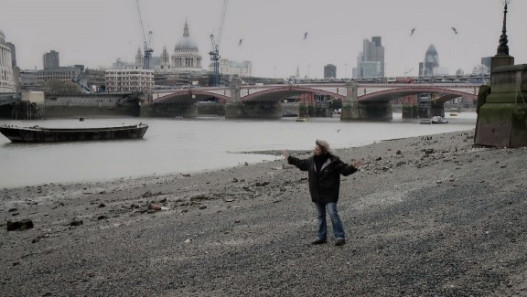
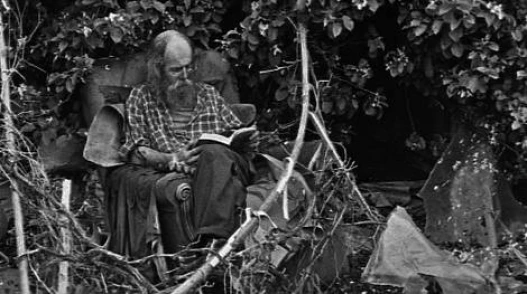
Robinson in Ruins is an account of a journey by a wandering, erratic scholar, through landscapes in the south of England. Its fictional narration begins: 'When a man called Robinson was released from Edgcott open prison, he made his way to the nearest city, and looked for somewhere to haunt'.
Robinson ‘believed he could communicate with a network of non-human intelligences determined to preserve the possibility of life’s survival on the planet’ and ‘was equipped with an ancient ciné camera, with which he made images of his everyday surroundings’. He surveyed the centre of the island on which he was shipwrecked: 'The location,' he wrote, 'of a Great Malady, that I shall dispel, in the manner of Turner, by making picturesque views, on journeys to sites of scientific and historic interest.'
The film consists of these views. The cinematography began in January 2008 and continued until November, just after the peak of that year’s global banking crisis. The film’s unplanned journey ‘rediscovers’ several locations associated with capitalism’s development since the 16th century and resistance to it. Vanessa Redgrave’s narration includes references to the deepening economic crisis, climate change and mass-extinction, but manages to reach an optimistic conclusion.
Artist Gillian Wearing places an ad asking, 'Would you like to be in a film? You can play yourself or a fictional character'.
Her film 'Self Made' documents the intense, revealing and sometimes disturbing experiences of seven people who sign up for the project. They take part in a series of workshops led by Method acting teacher Sam Rumbelow, who uses different techniques to help them access their memories and personal experiences so that each participant can create a vivid and authentic moment of performance. Gradually, we see five members of the group working towards their own individual end scenes, filmed dramatic vignettes that directly emerge from their personal histories. The scenes range from episodes of violence, to images of imagined love, via an excerpt from Shakespeare's King Lear. As the lights finally go off in the studio, the participants leave the experiment having for the first time confronted and articulated deep truths about themselves.
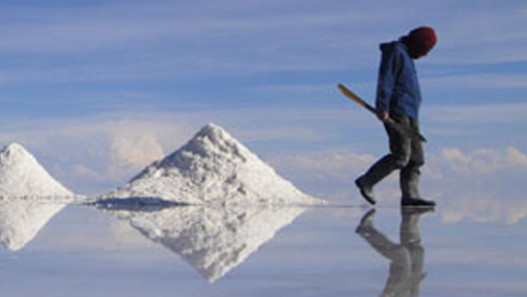
Slow Action is a post-apocalyptic science fiction film which exists somewhere between documentary, ethnographic study and fiction.
Slow Action applies the idea of island biogeography - the study of how species and eco-systems evolve differently when isolated and surrounded by unsuitable habitat - to a conception of the Earth in the distant future, when the sea level has risen to absurd heights, forming new isolated archipelagos. Accounts from a great library of Utopias are read by two voices.