
Across the Waters
Synopsis
Details
- Year
- 2005
- Type of project
- Shorts
- Running time
- 28 mins
- Format
- DigiBeta
- Director
-
Sana Bilgrami
- Producer
- Noe Mendelle, Mary Margaret Murray
- Co-Producer
- Noe Mendelle, Mary Margaret Murray
- Editor
- Sitar Rose
- Director of Photography
- John MacKinnon
- Sound
- Marcelo de Oliveira
- Composer
- Phamie Gow
Genre
Categories
Production Status
Production Company
Pilton Video
30 Ferry Road AvenueEdinburgh EH4 4BA, Scotland
UK
T +44 (0)13 1343 1151
info@piltonvideo.org
Sales Company
Sana Bilgrami
6/6 Viewforth TerraceEdinburgh EH10 4LH, Scotland
UK
T +44 (0)7788 825 868
Page updates
This page was last updated on 12th May 2025. Please let us know if we need to make any amendments or request edit access by clicking below.
See also
You may also be interested in other relevant projects in the database.
 Across the Waters
Director: Sana Bilgrami
Year: 2005
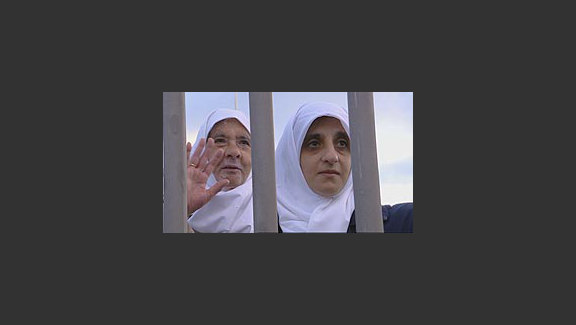
In 1955, a young girl travelled from a village in Pakistan to the remote and beautiful Scottish island of Lewis. When, fifty years later, her granddaughter is leaving the island, three generations of Pakistani Muslim women and an old Gaelic islander tell us a story of exile and belonging.
 Tree Fellers
Director: Sana Bilgrami
Year: 2006
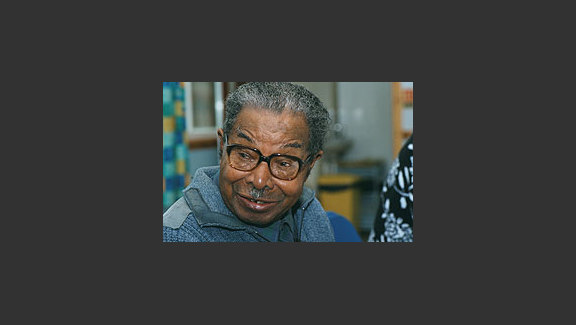
Tree Fellers is the story of the 900 Belizean lumberjacks who in 1942 left the tropical rainforests of British Honduras to help Britain fight fascism by felling trees in Scotland. Sam (93), Eric (87) and Amos (86) were among those who stayed on after the war to make new lives in a country where, for better or worse, the colour of their skin marked them out. Newly discovered archive, long-cherished memories and a last reunion are intertwined in this lyrical and moving documentary testament.
 The Atlas of Sound
Director: Siobhan Silén
Year: 2027
An animated VR short inspired by autistic musician Jen Msumba, who defies a system designed to erase her through synaesthetic music-making. It explores the universal need to be accepted for who we are. Participants journey through Jen’s life, from childhood, when the world feels confusing and “wonky”. Music is her safety and compass. While others read notes on a page, Jen sees visual maps that help her express emotions and navigate uncertainty. As a teenager, Jen’s mother becomes ill and her anxiety overwhelms her. Years of psychiatric institutions and medication leave her sedated, unable to play instruments. Her family sends her to the Judge Rotenberg Center, whose practices will later be described by the United Nations as torture. Over seven years of confinement and painful electric shocks, Jen is taught to believe she is “wrong”. Secretly composing music in her head becomes her refuge. Realising the centre will not support her independence, Jen writes to a judge and wins her freedom. She rediscovers music and invites us into her musical map, where participants touch and transform notes through movement, shifting melodies from classical to punk rock. We end with Jen performing on stage.