
After the Dance
Synopsis
Details
- Year
- 2014
- Type of project
- Features
- Running time
- 77 mins
- Director
-
Daisy Asquith
- Producer
- Alan Maher, Doireann de Buitlear
- Executive Producer
- Nick Fraser, Rory Gilmartin, Kate Townsend
- Editor
- Alan Mackay
- Screenwriter
- Daisy Asquith
Categories
Production Status
Production Company
alan.maher@roads.co
Page updates
This page was last updated on 12th May 2025. Please let us know if we need to make any amendments or request edit access by clicking below.
See also
You may also be interested in other relevant projects in the database.
 Queerama
Director: Daisy Asquith
Year: 2017
A film created from the treasure trove of BFI archive. The story traverses a century of gay experiences, encompassing persecution and prosecution, injustice, love and desire, identity, secrets, forbidden encounters, sexual liberation and pride. The soundtrack weaves the lyrics and music of John Grant and Hercules & Love Affair with the images and guides us intimately into the relationships, desires, fears and expressions of gay men and women in the 20th century- a century of incredible change. Starting with the first gay relationship on film released in 1919, 'Different From the Others', this documentary offers a wealth of unknown newsreel and amateur film from the 20s and 30s, the sub textual references in 40s cinema, the arrests and prosecutions of gay men for ‘gross indecency’ in the 50s, the early gay rights marches and decriminalisation of the 60s and 70s, the campaigns for an equal age of consent and against section 28, the Pride movement and AIDS crisis in the 80s and 90s, the sexual liberation of the 00s queer and transgender scene and the chemsex, gay parenting and marriage campaign of recent years. Official Selection Sheffield Doc/Fest 2017 - World premiere
 GMF: Greatest Mother Fucker
Director: Daisy Asquith
Year: 2018
An intimate portrait of John Grant, one of the best singer-songwriters of our generation. From the privacy of his bedroom to the pyramid stage at Glastonbury, the film follows Grant’s personal and artistic renaissance, on the verge of becoming a huge international start.
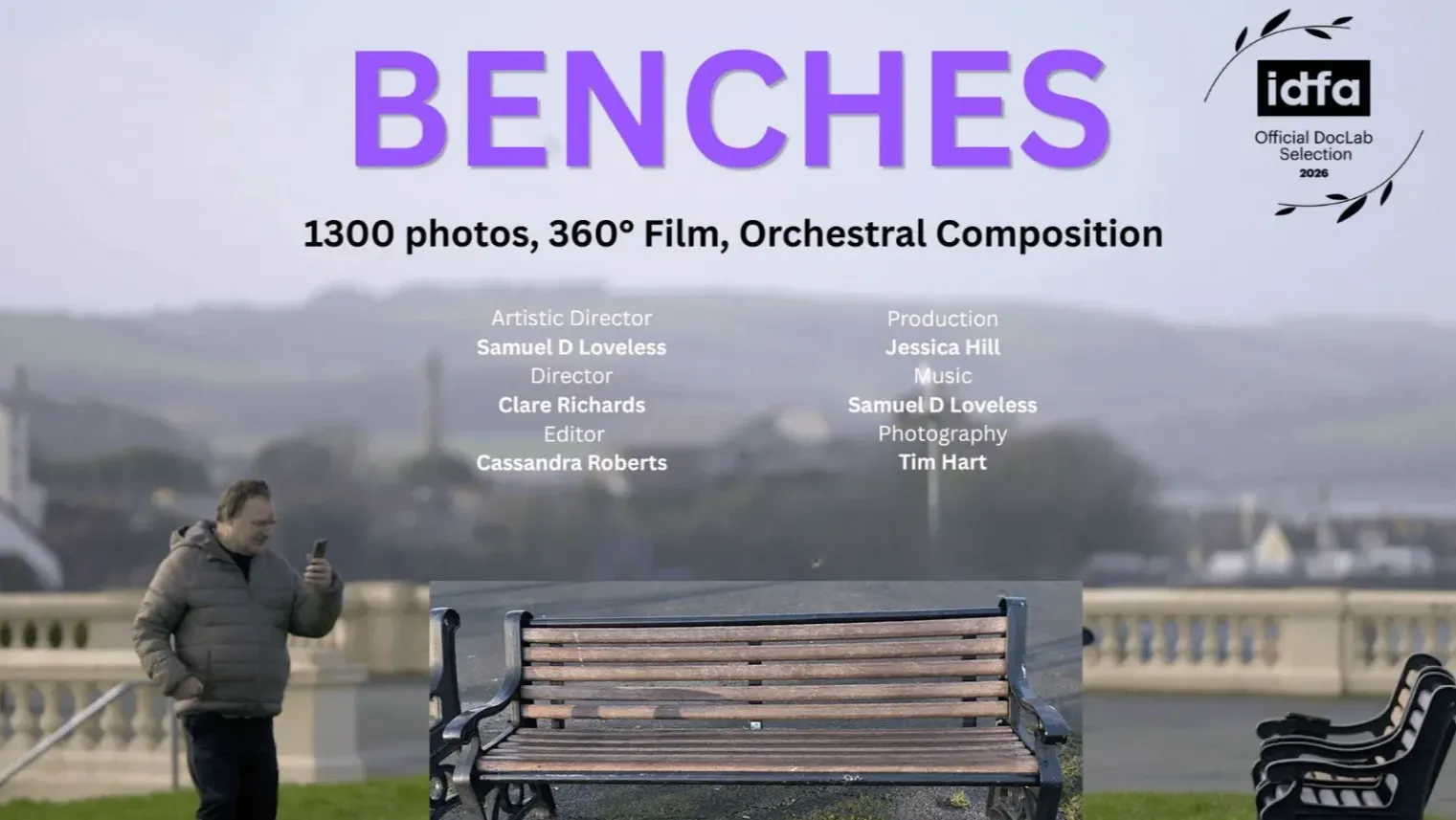 Benches
Director: Clare Richards
Year: 2026
A split-screen dome projection is not something you see every day, yet its subject could hardly be more ordinary: public benches, located mainly in Plymouth, on the south coast of England. Whenever Tim Hart spots a new one, he takes a photograph, as he has done for 50 years. Just one photo, no more. “Cause it’s the same bench,” he explains amiably in Clare Richards’s documentary, which fills one half of the projection. On the other half, an orchestra performs Samuel D Loveless’ score, also titled BENCHES. His music follows the rhythm of Hart’s daily life as he walks from bench to bench, photographs them, sometimes sits down for a while, then moves on. And not just benches: Hart also photographs telephone booths, fairs, and more. Neurodivergent composer Loveless discovered the photographic archive of his autistic uncle Tim and was struck by the beauty of the everyday, patiently collected over decades. It gave Loveless an opportunity to celebrate a neurodivergent way of seeing the world, not by explaining it, but by sharing it.