
Black Biscuit

Synopsis
Chet is a freewheeling life model who begins working as a male escort in order to bring in some extra cash, as he concentrates on realizing his true dream of becoming a filmmaker. But his discipline and outlook on life begin to change, due to the new influences of his lifestyle, and the rewards and comforts of dirty money. He must face the question of choosing his destiny. Black Biscuit was created under the PINK8 manifesto - a new maverick way of creating raw, poetic, un-polished Punk Cinema. Shot on mobile phones and childrens cameras, and featuring an array of street superstars (homeless people, prostitutes, handicapped folk, and an ex child ping pong champion). The spirit of a generation gap has been defined like lightning in a bottle. Cinema will never be the same again.
Details
- Year
- 2012
- Type of project
- Features
- Running time
- 127 mins
- Format
- Digital
- Director
-
Fabrizio Federico 1st Feature
- Producer
- Fabrizio Federico
- Co-Producer
- Fabrizio Federico
- Executive Producer
- Fabrizio Federico
- Editor
- Fabrizio Federico
- Screenwriter
- Fabrizio Federico
- Director of Photography
- Fabrizio Federico; Cinematographers: Jason Harts, Richard Howe, Alexander James Kelly, Paulo Martinho, Jason Mathis
- Production Designer
- Fabrizio Federico
- Sound
- Fabrizio Federico
- Composer
- Fabrizio Federico
- Principal cast
- Daniel Angelus, Victoria Howard, Fabrizio Federico,
Genre
Categories
Production Status
Production Company
Sales Company
Page updates
This page was last updated on 12th May 2025. Please let us know if we need to make any amendments or request edit access by clicking below.
See also
You may also be interested in other relevant projects in the database.
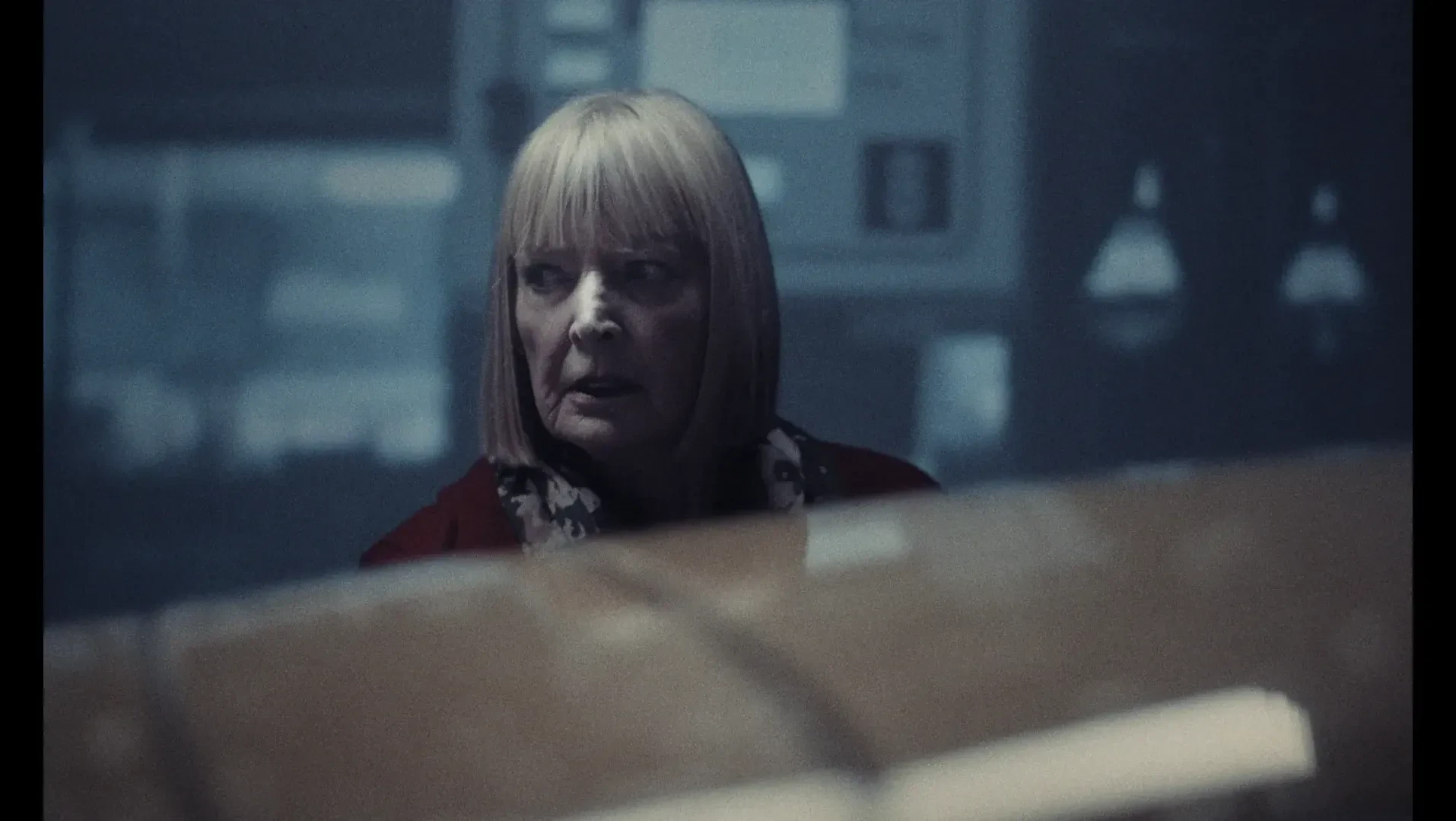 Last Strike
Director: Helen Lyons-Curran
Year: 2026
A woman's New Year's Eve plans are thrown off course in a taut and tense thriller.
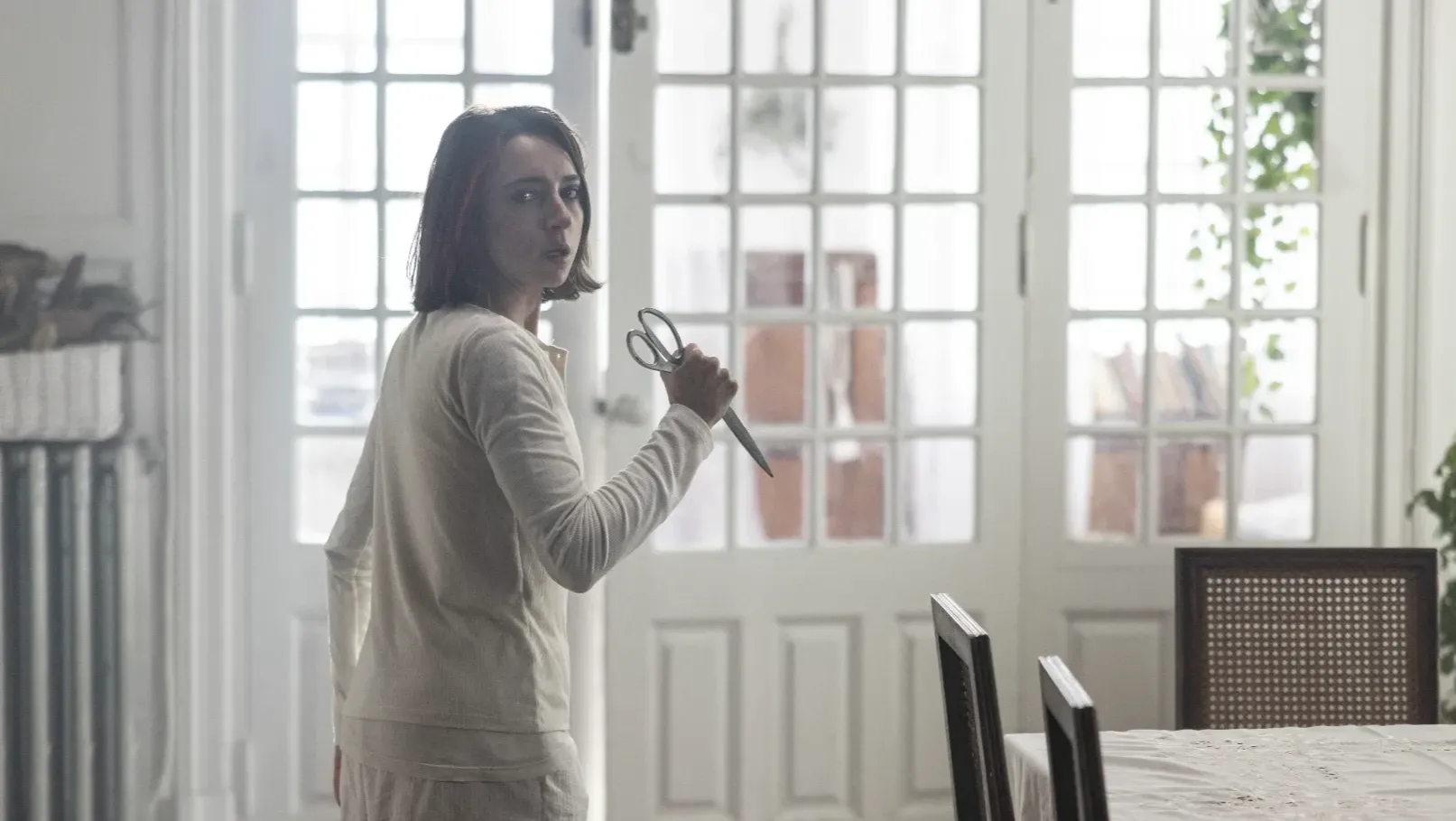 The Daughters (Las hijas)
Director: Daniel Romero
Year: 2026
When Basque woman, Ane (20), is kidnapped by a male taxi driver, she wakes up in a mysterious house in the countryside and discovers that the three other women being held captive act as the kidnapper’s ‘daughters’, with the eldest ‘daughter’ released back into society each time a new daughter is brought into the house. Terrified, Ane must convince the other ‘daughters’ to escape, but they have other plans.
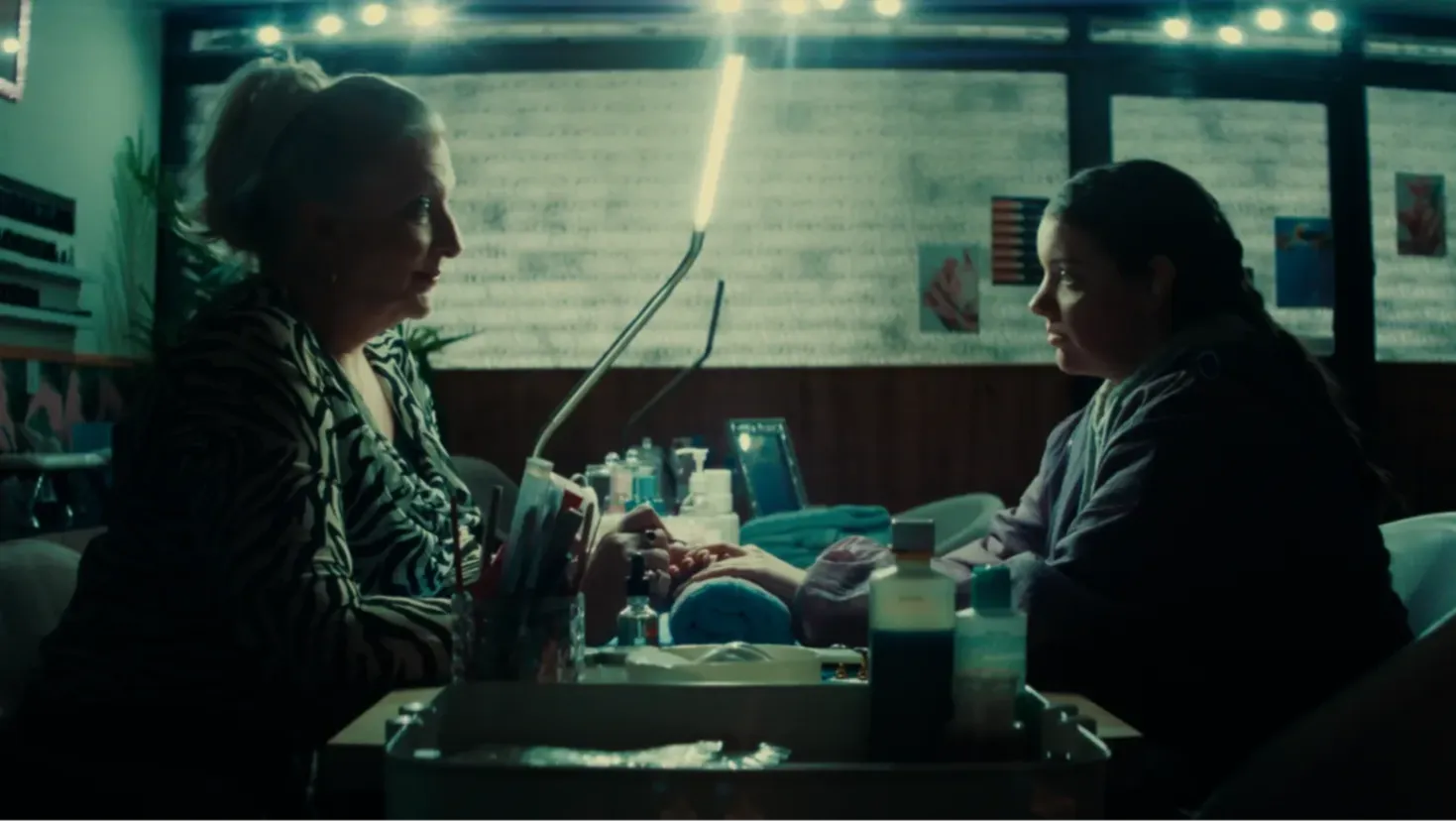 Sharks Never Sleep
Director: Kieran Stringfellow
Year: 2026
Whilst doing work experience at her aunt’s nail salon, 16-year-old Saskia struggles to find her place among the women around her. But as she begins to settle in, an unexpected discovery forces her to see her aunt in a new light.