
Border as interface
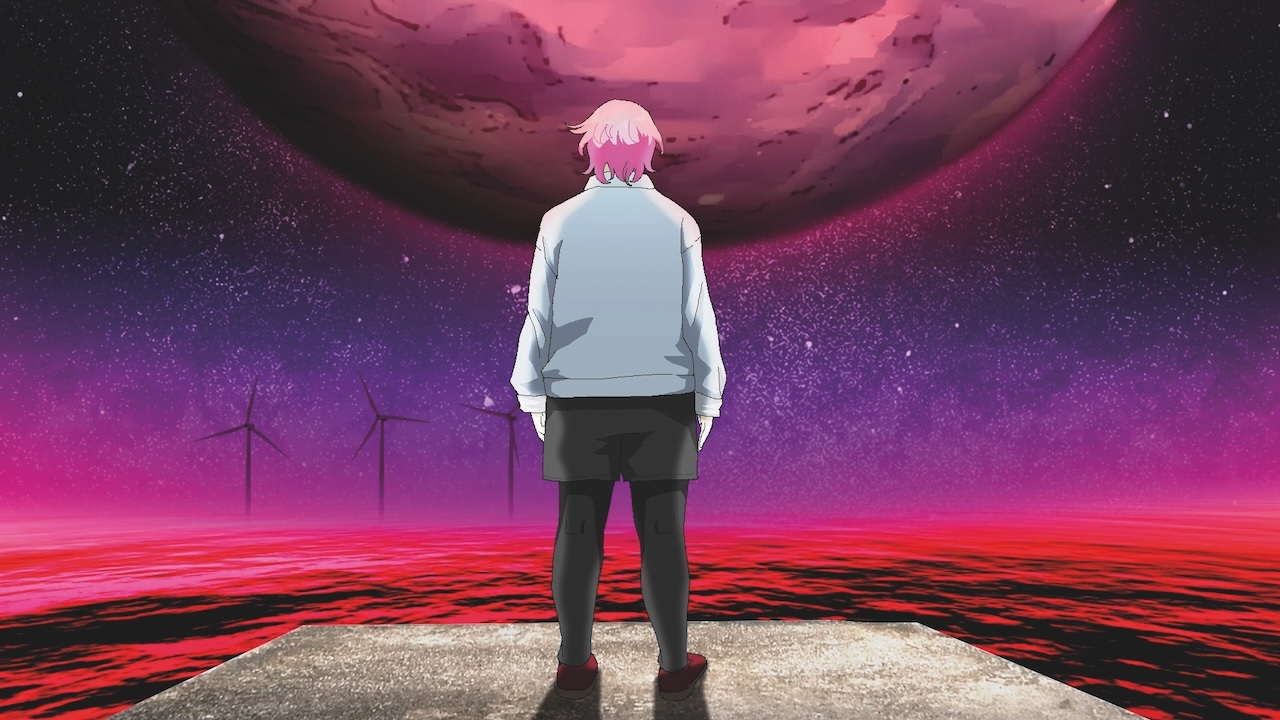
Synopsis
The "interface" concept here is fluid and multifaceted; an interface, whether in software, digital screens, or one’s language or body, is a site of entanglement and movement. How the interface manifests and the supposed borders it enacts are recalibrated with every connection that is made. It’s a place of transience with its own set of rules and oscillating perspectives that only make sense within the shifting internal logic of the borderlands.
The work explores how these dynamic zones can reshape entrenched perspectives. It questions "where images end and bodies begin, where truth or the real might reside,"[*] and where the boundary between spectator and screen dissolves into “life.” Such interfaces function as special conduits to the virtual, positioning the body as a node of mediation in our techno-political landscape. They also reveal what is created or lost in cross-cultural interactions; miscalculations, strange pairings and redundancy live within the hybridity zones of Border and Interface.
*From Deborah Levitt’s ‘The Animatic Apparatus’.
Official Selection BFI London Film Festival 2025
Details
- Year
- 2024
- Type of project
- Shorts
- Running time
- 18 min 49 sec
- Format
- digital video (16:9)
- Director
-
Petra Szemán
- Producer
- Petra Szemán
- Editor
- Petra Szemán
- Screenwriter
- Petra Szemán
- Director of Photography
- Petra Szemán
- Production Designer
- Petra Szemán
- Sound
- Petra Szemán
- Composer
- Petra Szemán
Categories
Production Status
Production Company
UK, Japan co-production
Awaiting contacts
Page updates
This page was last updated on 2nd October 2025. Please let us know if we need to make any amendments or request edit access by clicking below.
See also
You may also be interested in other relevant projects in the database.
 Vanishing
Director: Mandy Williams
Year: 2023
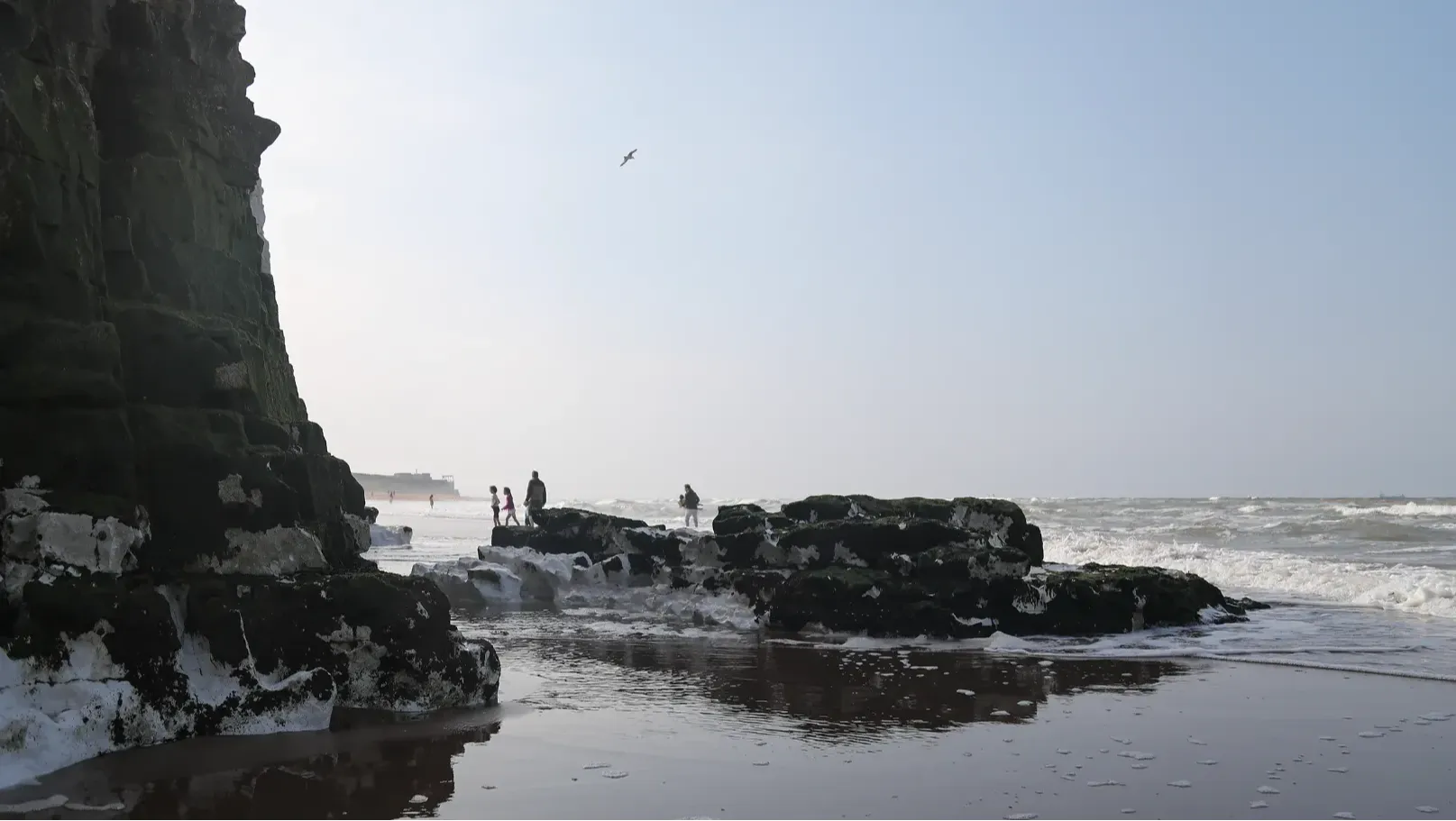
A six-minute experimental film about the climate crisis with a narration arranged in seven sequences. The themes of coastal erosion and rising sea levels emerge and submerge throughout the film, drawing on history as well as possible futures. The video's exploration of coastal erosion and the role of fossil fuels begins from a local south coast perspective, while highlighting the global crisis.
 Iron-Cock
Director: Gareth Bevan
Year: 2026
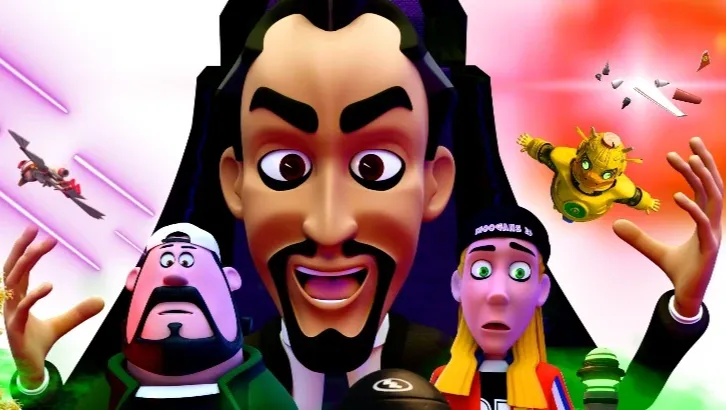
In a world where convenience store shenanigans reign supreme, one sinister billionaire - Leonardo - who has decided he must possess the ultimate secret: the Snoochie Boochies formula. If he can't have it, NO ONE CAN. With his nefarious Leonardo League at his side, he sets out to obliterate the Quick Stop, erase all traces of Snoochie Boochies, and bring an end to Jay and Silent Bob’s reign of lowbrow genius forever. But Leonardo messed with the wrong stoners. Jay and Silent Bob don their legendary alter egos - Iron Bob and The Cock - to take the fight to Leonardo, Leonardo, in an epic battle of wits, fists, and excessive profanity. Exploding bong grenades, slow-mo sequences, a heartfelt monologue about life, and an unnecessarily dramatic face-off in a convenience store parking lot - it’s all here. Will our heroes stop Leonardo before he forces the world into corporate-sponsored mediocrity? Will Jay remember to keep his pants on? Will Silent Bob say something deeply profound at just the right moment? Find out this November in… IRON-COCK: The Animated Adventures Episode 1: Snoochie Boochies: Endgame!!
 Again
Again
Director: Anastasia Sidorova
Year: 2026
A perfection-obsessed dancer traps herself in an endless rehearsal, pushing her body past its limits for a moment of applause.