
Is Folkestone the Birthplace of Television?
Synopsis
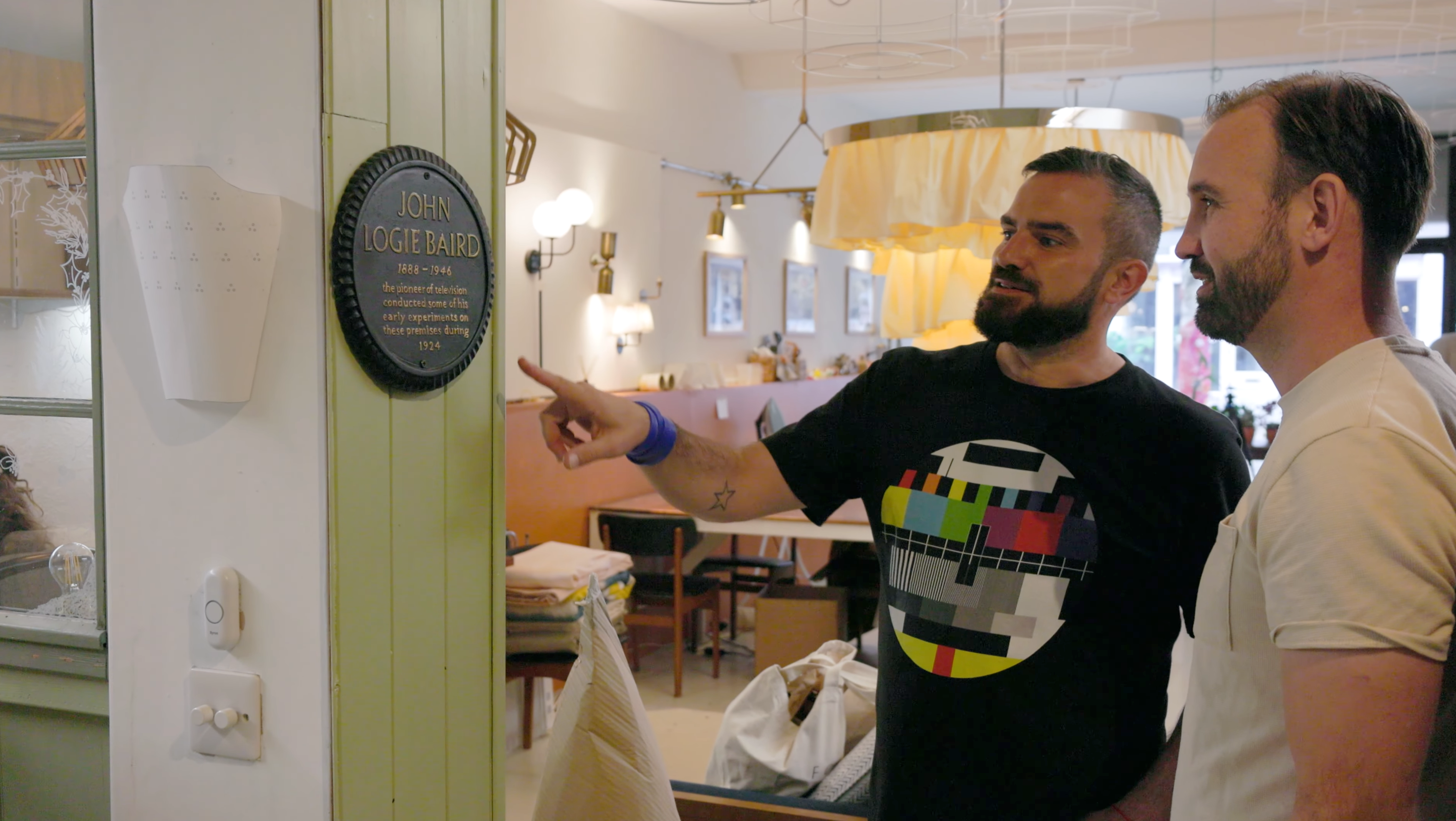
Beginning with a forgotten plaque in Folkestone, filmmaker Ben Barton follows a trail left by television pioneer John Logie Baird – and re-examines where television first sparked to life.
Details
- Year
- 2026
- Type of project
- Shorts
- Running time
- 6 min
- Format
- Digital
- Director
-
Ben Barton
- Editor
- Alexander Saxby
- Screenwriter
- Ben Barton
- Director of Photography
- Alexander Saxby
- Production Designer
- Scott Gibson
- Composer
- Alex Grohl
- Principal cast
- Ben Barton
- Other Lead Creative(s)
- Alexander Saxby
- Graphic Designer
- Nick Payton
Genre
Production Status
Production Company
Roundeye
Ben BartonSales Company
Roundeye
Ben BartonPage updates
This page was last updated on 16th February 2026. Please let us know if we need to make any amendments or request edit access by clicking below.
See also
You may also be interested in other relevant projects in the database.
 Little Red
Director: Ben Barton
Year: 2011
"If you go down to the woods today you're sure of a big surprise. If you go down to the woods today, you'd better go in disguise..." An experimental reimagining of Little Red Riding Hood, this visual collage combines elements of fairytales and horror to reveal something unexpected lurking in the forest.
 Getting Ready
Director: Ben Barton
Year: 2010
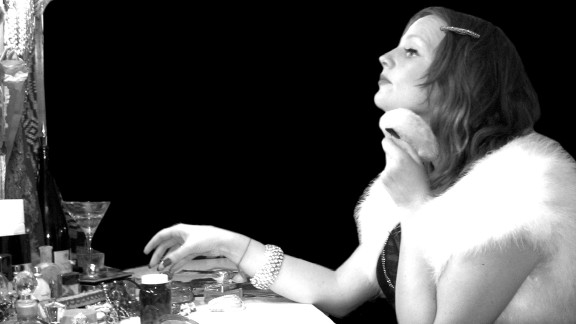
In 'Getting Ready' we watch a faded icon of stage and screen backstage as she prepares for the greatest performance of her life - a star-studded suicide. Captured on sumptuous super 8 film and evoking the spirit of old Hollywood, this vintage-style short premiered at the London Independent Film Festival.
 Matter of Britain
Director: Peter Treherne
Year: 2026
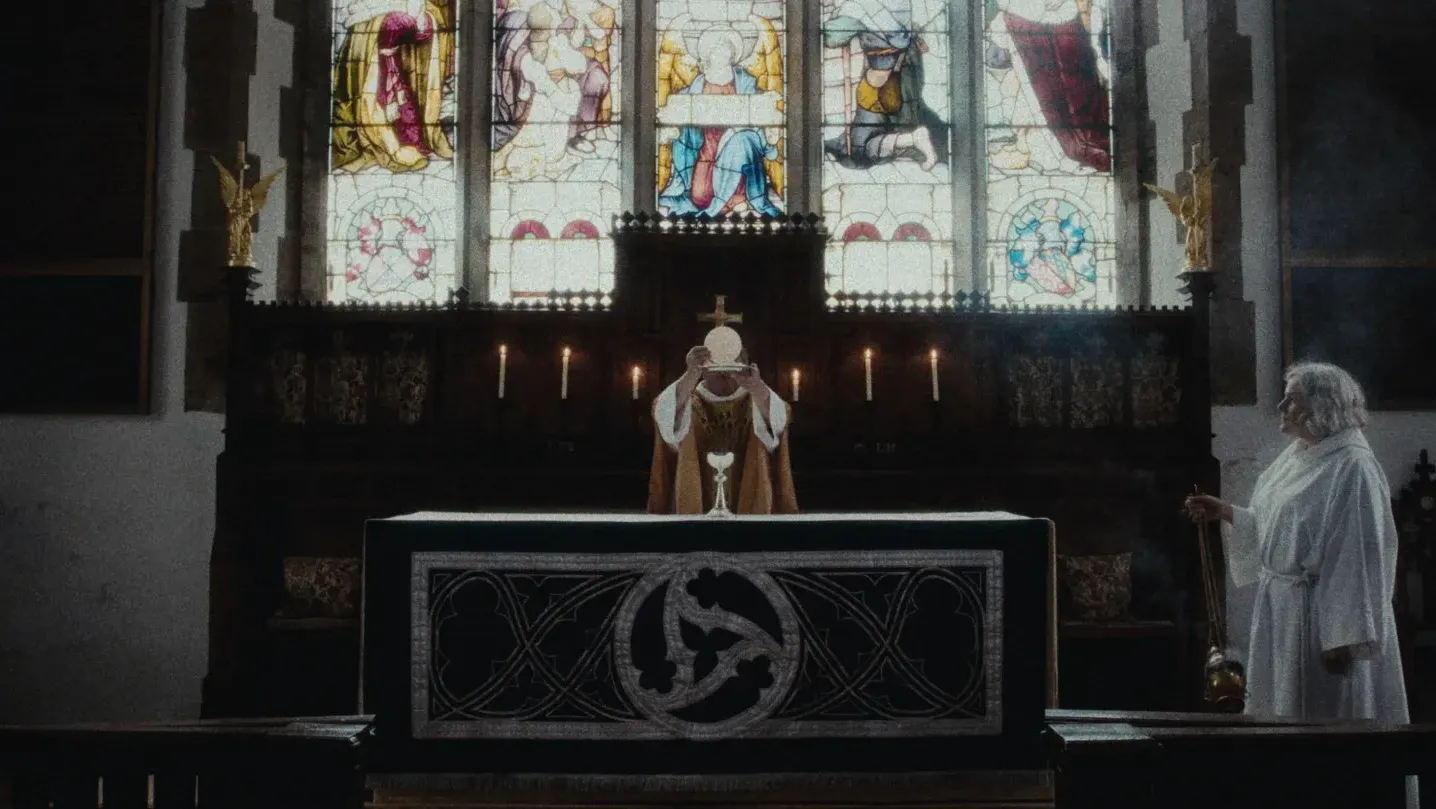
MATTER OF BRITAIN was an English country village’s performance of the Holy Grail myth. In that myth, King Arthur’s knights quest for the Holy Grail in order to heal their wasted land. The performance took place over 12 months from 2023 to 2024 in multiple locations across the parish of Mayfield, East Sussex. Over 300 members of the community took part as questing knights, angelic choirs, guiding anchorites and tempting devils. The performance was documented and subsequently made into an ethnographic fantasy that has screened at the Museum of Modern Art, CPH:DOX, Cinéma du Réel and Open City Documentary Film Festival. The work was supported by an Arts Council England Project Grant, the Lund Trust, High Weald AONB, East Sussex Arts Partnership, the University of Reading and the Museum of English Rural Life.