
Celluloid Underground
Synopsis
Official Selection BFI London Film Festival 2023 - Documentary Competition - World premiere
Details
- Year
- 2023
- Type of project
- Features
- Running time
- 80 min
- Director
-
Ehsan Khoshbakht
- Producer
- Mary Bell, Adam Dawtrey
- Executive Producer
- Mark Thomas, Sandra Whipham
- Editor
- Niyaz Saghari, Abolfazl Talooni
- Sound
- Rob Szeliga
- Composer
- Ekkehard Woelk
Categories
Production Status
Production Company
UK, Iran co-production supported by BFI Doc Society Fund
Bofa Productions
20 Westerton DriveBridge of Allan
Stirlingshire
FK9 4QL
Sales Company
Page updates
This page was last updated on 12th May 2025. Please let us know if we need to make any amendments or request edit access by clicking below.
See also
You may also be interested in other relevant projects in the database.
 Filmfarsi
Director: Ehsan Khoshbakht
Year: 2019
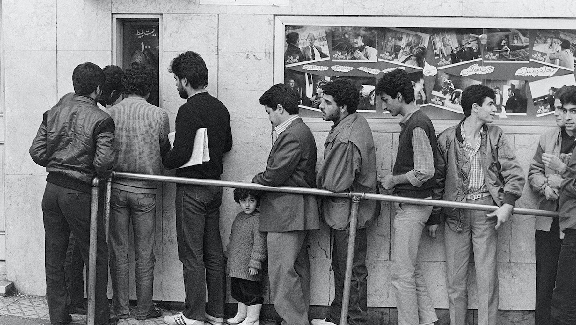
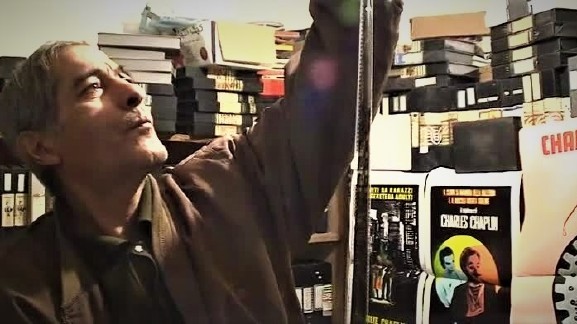
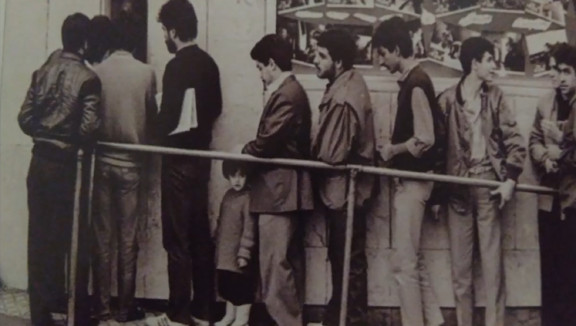
“Filmfarsi was the cinema of a nation with a split personality”, says filmmaker Ehsan Khoshbakht in this film-critical history of Iran under the Shah. Khoshbakht’s found-footage essay film salvages low budget thrillers and melodramas suppressed following the 1979 Islamic revolution. These films defined Iranian cinema in the 1960s and '70s, when the industry shared an equal percentage of the market with the USA. Little more than VHS rips remain. Khoshbakht here uncovers that which was thought destroyed. A cinema of titillation, action and big emotions, which also presented a troubling mirror for the country, as Iran struggled to reconcile its religious traditions with the turbulence of modernity, and the influences of the West. The often cheap, sleazy and derivative films offer an insight into Iran’s psyche. Among the scratched reels, some keystones of Iran’s extraordinary film culture emerge, too: Gheysar, whose title design was done by a young Abbas Kiarostami; the work of director Samuel Khachikian, a progenitor of Iranian noir; and The Deer, a film which more than any other symbolises the historic violent turns in Iran’s recent past. Filmfarsi presaged a revolution, and it became one of its first victims. — Yusef Sayed
 Matter of Britain
Director: Peter Treherne
Year: 2026
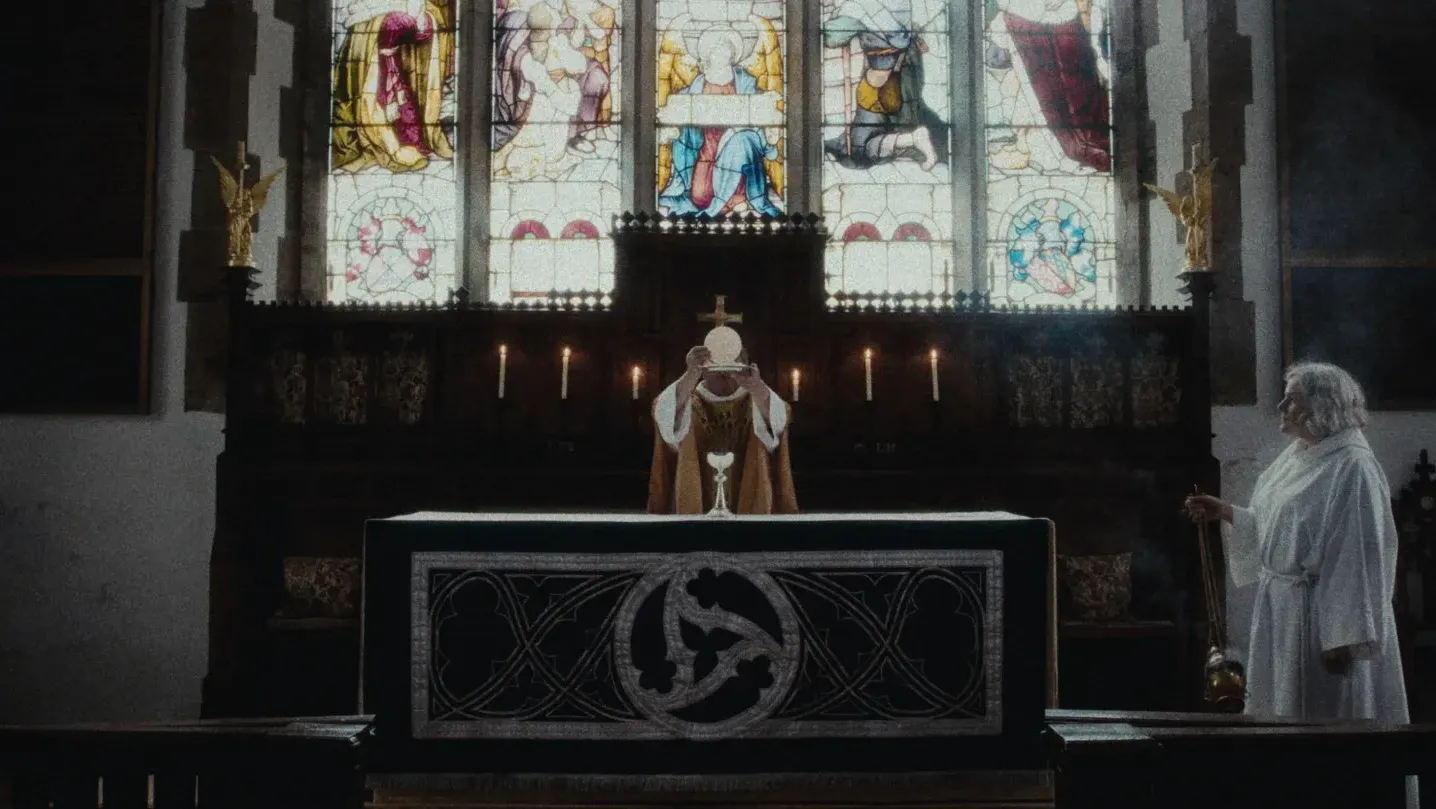
MATTER OF BRITAIN was an English country village’s performance of the Holy Grail myth. In that myth, King Arthur’s knights quest for the Holy Grail in order to heal their wasted land. The performance took place over 12 months from 2023 to 2024 in multiple locations across the parish of Mayfield, East Sussex. Over 300 members of the community took part as questing knights, angelic choirs, guiding anchorites and tempting devils. The performance was documented and subsequently made into an ethnographic fantasy that has screened at the Museum of Modern Art, CPH:DOX, Cinéma du Réel and Open City Documentary Film Festival. The work was supported by an Arts Council England Project Grant, the Lund Trust, High Weald AONB, East Sussex Arts Partnership, the University of Reading and the Museum of English Rural Life.
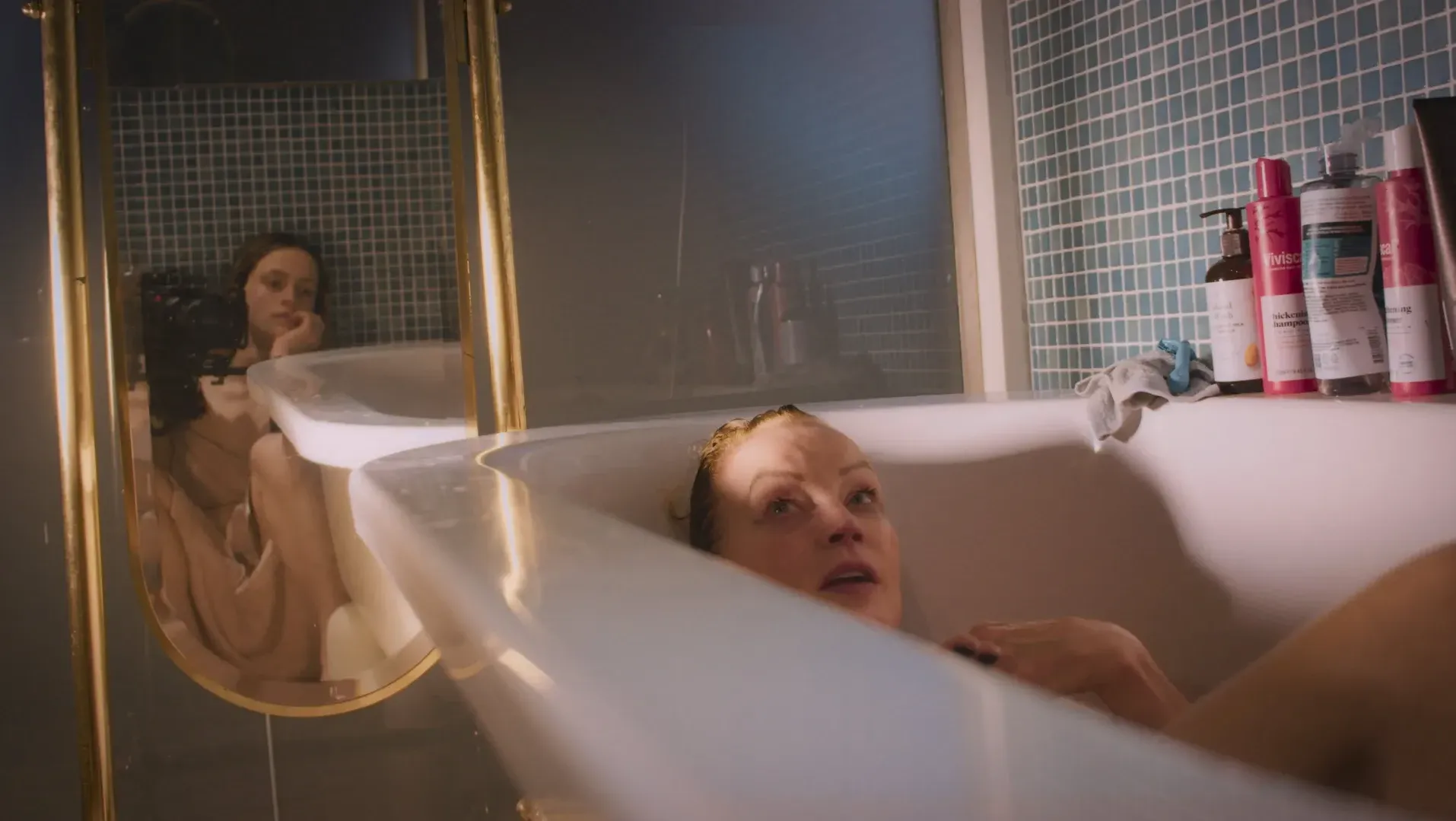 Mother's Influence
Director: Meg Wriggles
Year: 2025
Growing up with an unconventional single mother – an influencer navigating aging and body dysmorphia, Meg admires her but questions how it shaped her own self-image. Through laughter and vulnerability, they unpack identity, influence, and the complexities of their evolving relationship. Official Selection Edinburgh International Film Festival 2026 – World Premiere