
Filmfarsi

Synopsis
Khoshbakht here uncovers that which was thought destroyed. A cinema of titillation, action and big emotions, which also presented a troubling mirror for the country, as Iran struggled to reconcile its religious traditions with the turbulence of modernity, and the influences of the West.
The often cheap, sleazy and derivative films offer an insight into Iran’s psyche. Among the scratched reels, some keystones of Iran’s extraordinary film culture emerge, too: Gheysar, whose title design was done by a young Abbas Kiarostami; the work of director Samuel Khachikian, a progenitor of Iranian noir; and The Deer, a film which more than any other symbolises the historic violent turns in Iran’s recent past. Filmfarsi presaged a revolution, and it became one of its first victims. — Yusef Sayed
Details
- Year
- 2019
- Type of project
- Features
- Running time
- 83 min
- Director
-
Ehsan Khoshbakht 1st Feature
- Producer
- Ehsan Khoshbakht
- Editor
- Niyaz Saghari
- Screenwriter
- Ehsan Khoshbakht
- Director of Photography
- Ehsan Khoshbakht, Niyaz Saghari
- Sound
- Rob Szeliga
- Composer
- Naiel Ibarrola, Lander Macho
Genre
Categories
Production Status
Production Company
Ehsan Khoshbakht
Sales Company
Ehsan Khoshbakht
Page updates
This page was last updated on 12th May 2025. Please let us know if we need to make any amendments or request edit access by clicking below.
See also
You may also be interested in other relevant projects in the database.
 Celluloid Underground
Director: Ehsan Khoshbakht
Year: 2023
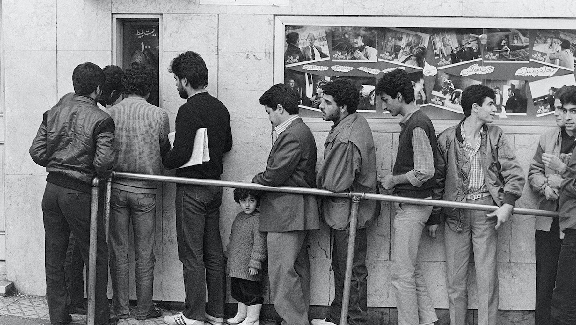
After the 1979 Islamic revolution in Iran, a boy grew up obsessed with all the movies he couldn't see. He met a mysterious film collector who saved thousands of films from destruction by the new regime. Despite arrest and torture, the collector refused to give up his secret hoard. Together they forged a friendship based on passion for cinema and resistance against tyranny. The boy escaped to exile in London to become a filmmaker, and tells their shared story of obsession and celluloid dreams. Official Selection BFI London Film Festival 2023 - Documentary Competition - World premiere
 Love Letters
Director: Daniel Cook
Year: 2027
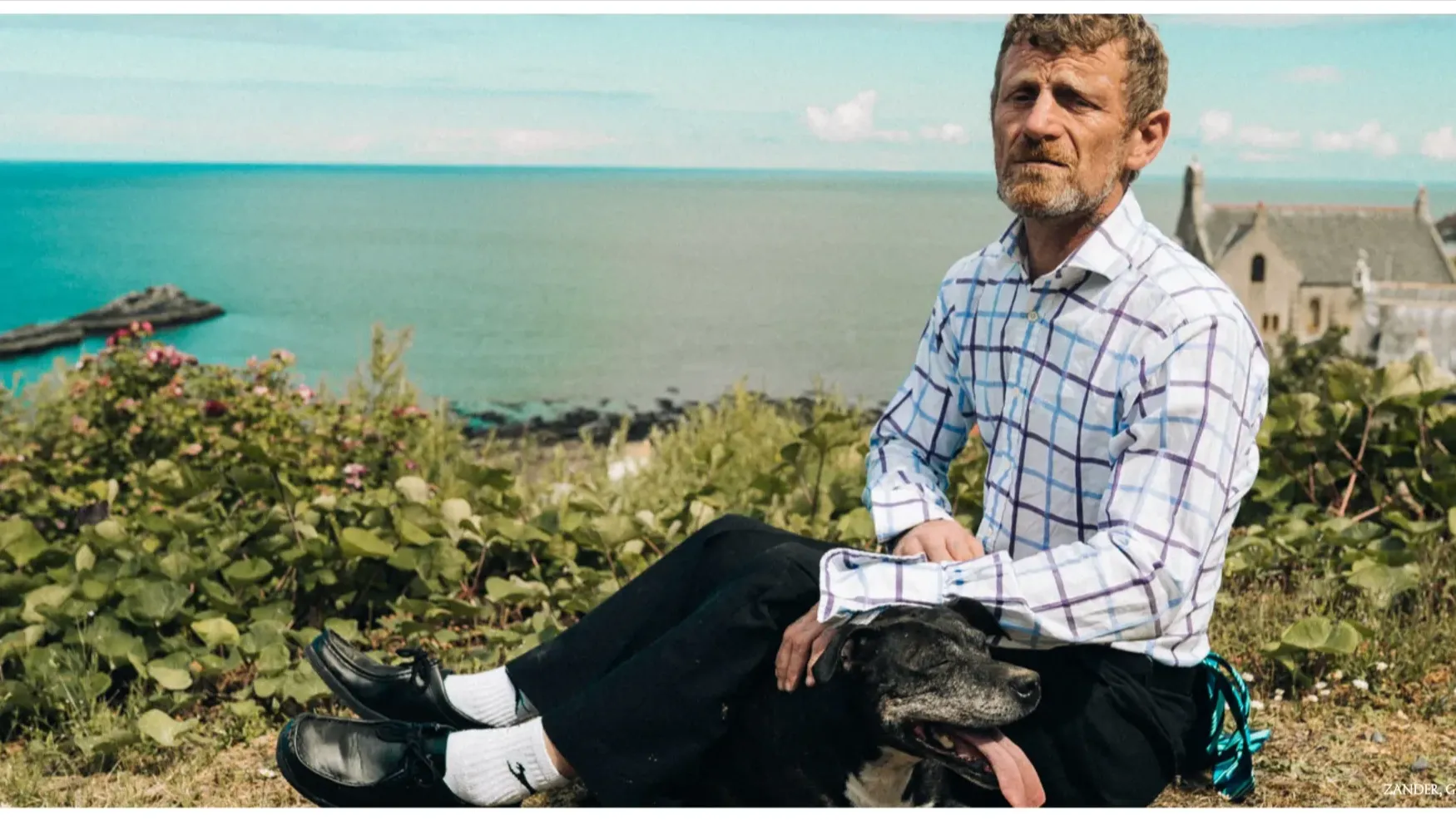
An intimate documentary that captures the daily ongoings in the historical fishing village of Gardenstown. At the heart lie Juliet and Bubbles and their eclectic extended family and friends. This film will document their resilience, joy, and profound connection to community in a lyrical exploration of human experiences.
 a way of living : kettle's yard
Director: Chris Vile
Year: 2026
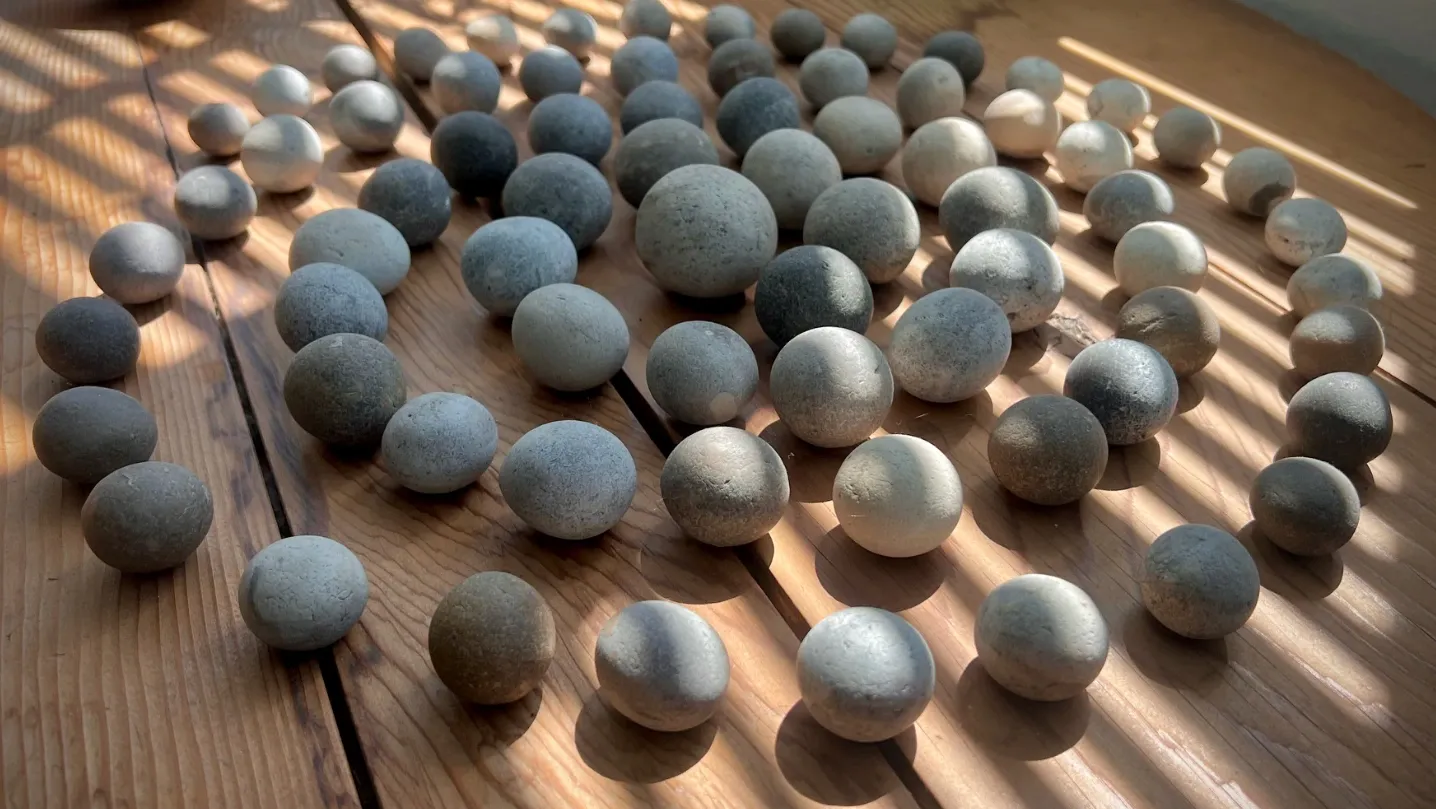
Henry Moore beside a pebble. Barbara Hepworth next to broken china. No labels. No velvet ropes. No explanation. Art stripped of its usual deference and curatorial esperanto. Art revealing its true power. Art for all. ‘You want to look at how it is and marvel at the ordinariness of it and the extraordinariness of it all’ (Lubaina Himid) Kettle’s Yard is a small, humble home. Created by a couple, Jim & Helen Ede, who, with little money, became supporters and friends of many of the most important artists of the 20th Century. Jim survived the trenches of the First World War but despaired of a society that could allow such horrors. His is a quiet, very British, revolution that has a powerful resonance today. ‘These fragments that you find all around Kettle’s Yard, they’re almost an equivalent to the fragments of a bomb blast that he’s trying to capture and hold, he’s trying to stop this explosive force of horror and warfare and people fighting’ (Andrew Nairne) Antony Gormley, Edmund de Waal, Cornelia Parker, Ai Weiwei and others, passionately explain why this humble place is so important to them and why Jim’s radical ideas are vital for us today.