
Contra-Internet: Jubilee 2033
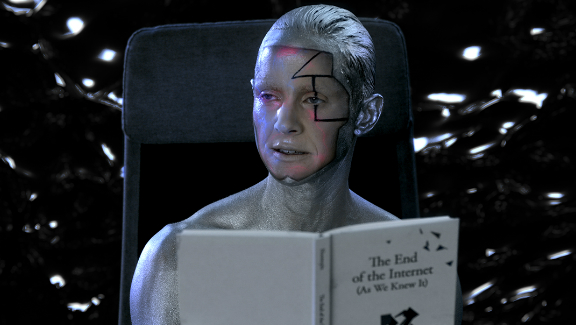
Synopsis
Official Selection Berlinale 2018 - Forum Expanded
Details
- Year
- 2018
- Type of project
- Shorts
- Running time
- 29 mins
- Director
-
Zach Blas
- Producer
- Ali Roche, Tiffany L. Gray, Tara De Maro, Jaclyn Amor (Extra Credit Studios)
- Editor
- Amy von Harrington
- Screenwriter
- Zach Blas
- Director of Photography
- Alison Kelly
- Production Designer
- Alexah Acuna, Kevin Gallo
- Sound
- Supervising Sound Editor: Tom Sedgwick; Sound Designer and Assistant Sound Editor: Benjamin Hurd; Sound Recording Engineers: Victoria Carrillo, Ada Douglas, Fred Oliveira
- Composer
- xin
- Principal cast
- Susanne Sachsse, Dany Naierman, Lindsay Hicks, Fusako Shiotani, Raquel Gutiérrez, Cassils
- Visual Effects Artists
- Harry Sanderson, Daniel Swan
Genre
Categories
Production Status
Production Company
US, UK coproduction
A Creative Capital, Extra Credit Studios project
Page updates
This page was last updated on 12th May 2025. Please let us know if we need to make any amendments or request edit access by clicking below.
See also
You may also be interested in other relevant projects in the database.
 Matter of Britain
Director: Peter Treherne
Year: 2026
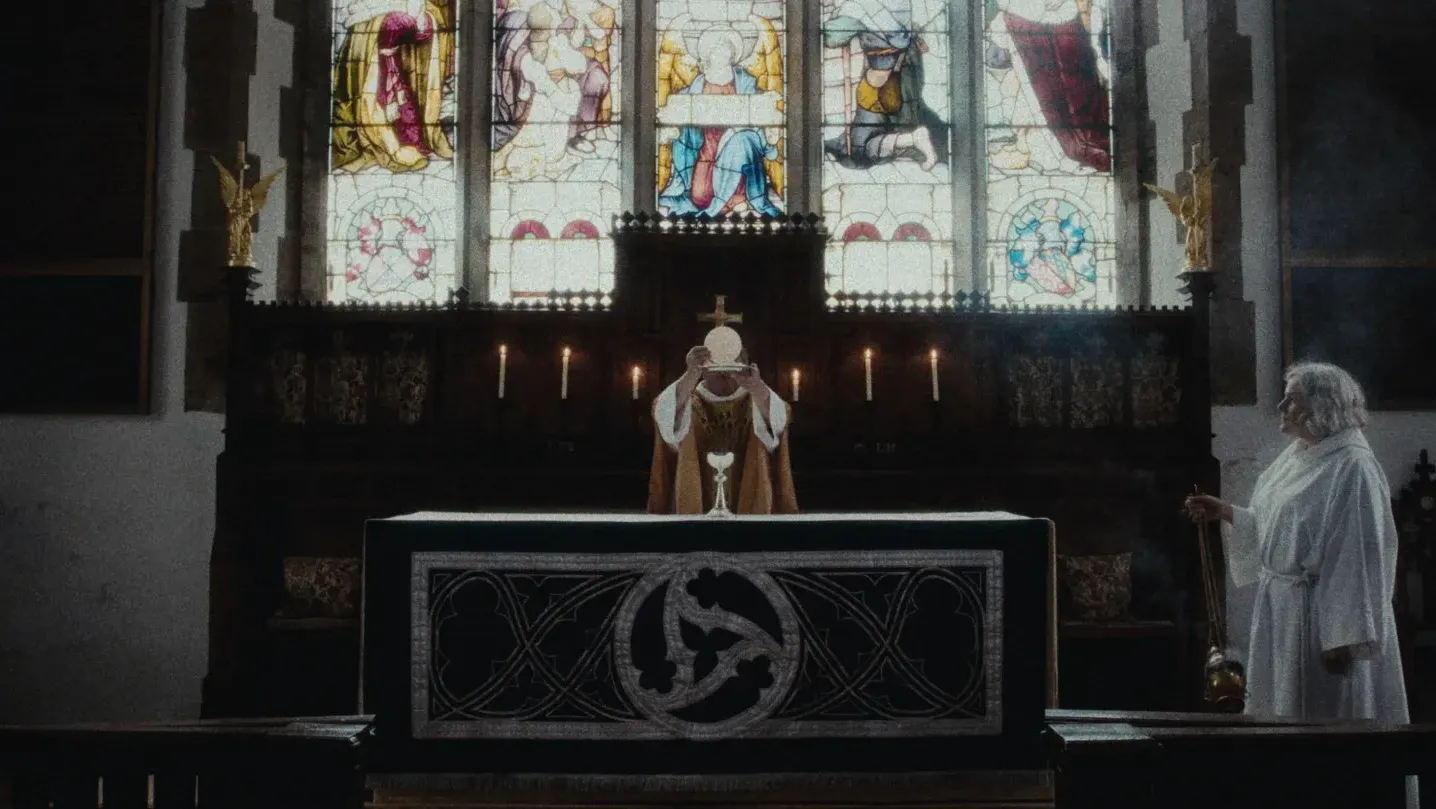
MATTER OF BRITAIN was an English country village’s performance of the Holy Grail myth. In that myth, King Arthur’s knights quest for the Holy Grail in order to heal their wasted land. The performance took place over 12 months from 2023 to 2024 in multiple locations across the parish of Mayfield, East Sussex. Over 300 members of the community took part as questing knights, angelic choirs, guiding anchorites and tempting devils. The performance was documented and subsequently made into an ethnographic fantasy that has screened at the Museum of Modern Art, CPH:DOX, Cinéma du Réel and Open City Documentary Film Festival. The work was supported by an Arts Council England Project Grant, the Lund Trust, High Weald AONB, East Sussex Arts Partnership, the University of Reading and the Museum of English Rural Life.
 Vanishing
Director: Mandy Williams
Year: 2023
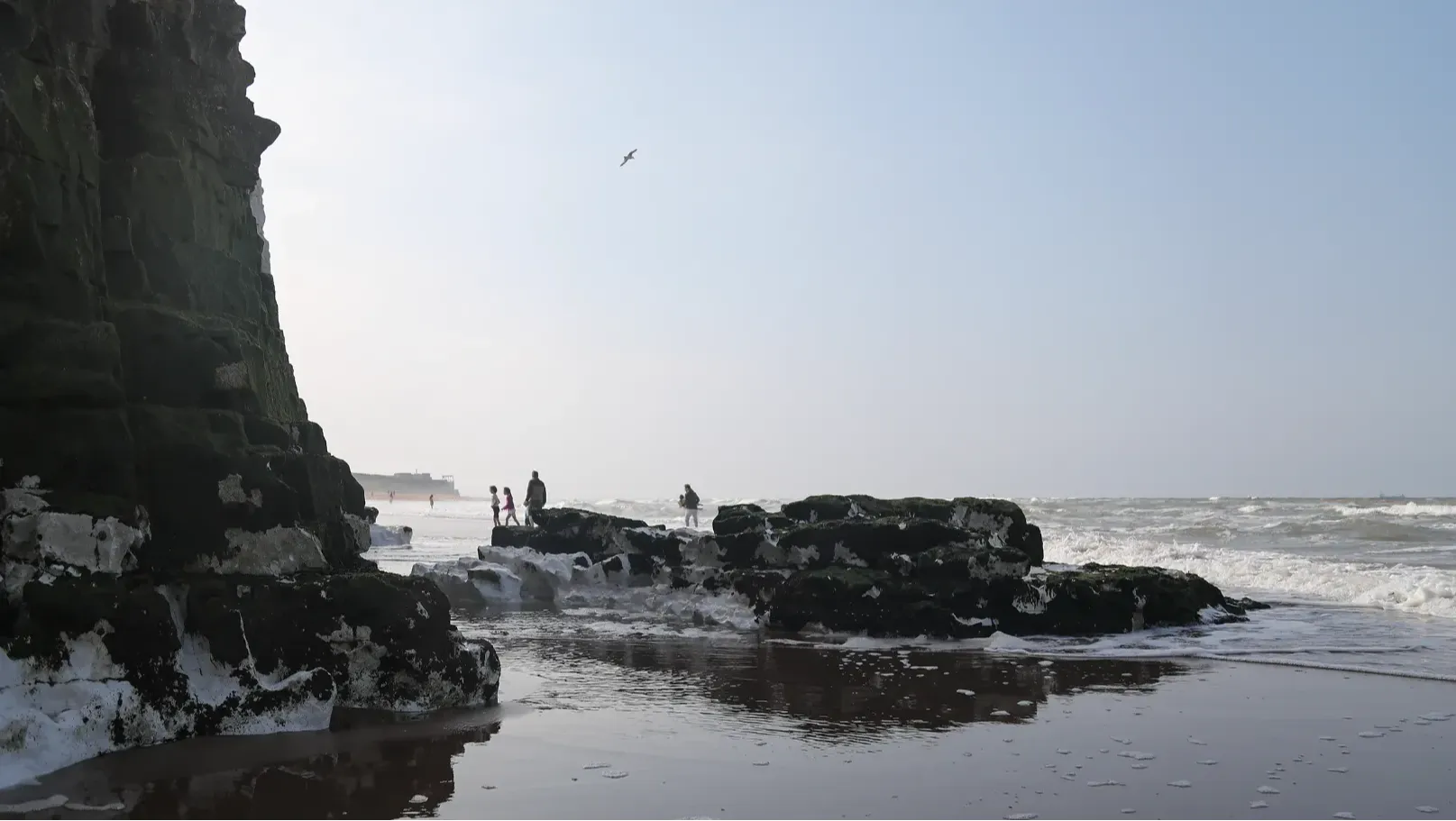
A six-minute experimental film about the climate crisis with a narration arranged in seven sequences. The themes of coastal erosion and rising sea levels emerge and submerge throughout the film, drawing on history as well as possible futures. The video's exploration of coastal erosion and the role of fossil fuels begins from a local south coast perspective, while highlighting the global crisis.
 Museum of Stolen Souls
Director: Chris Elliott
Year: 1993
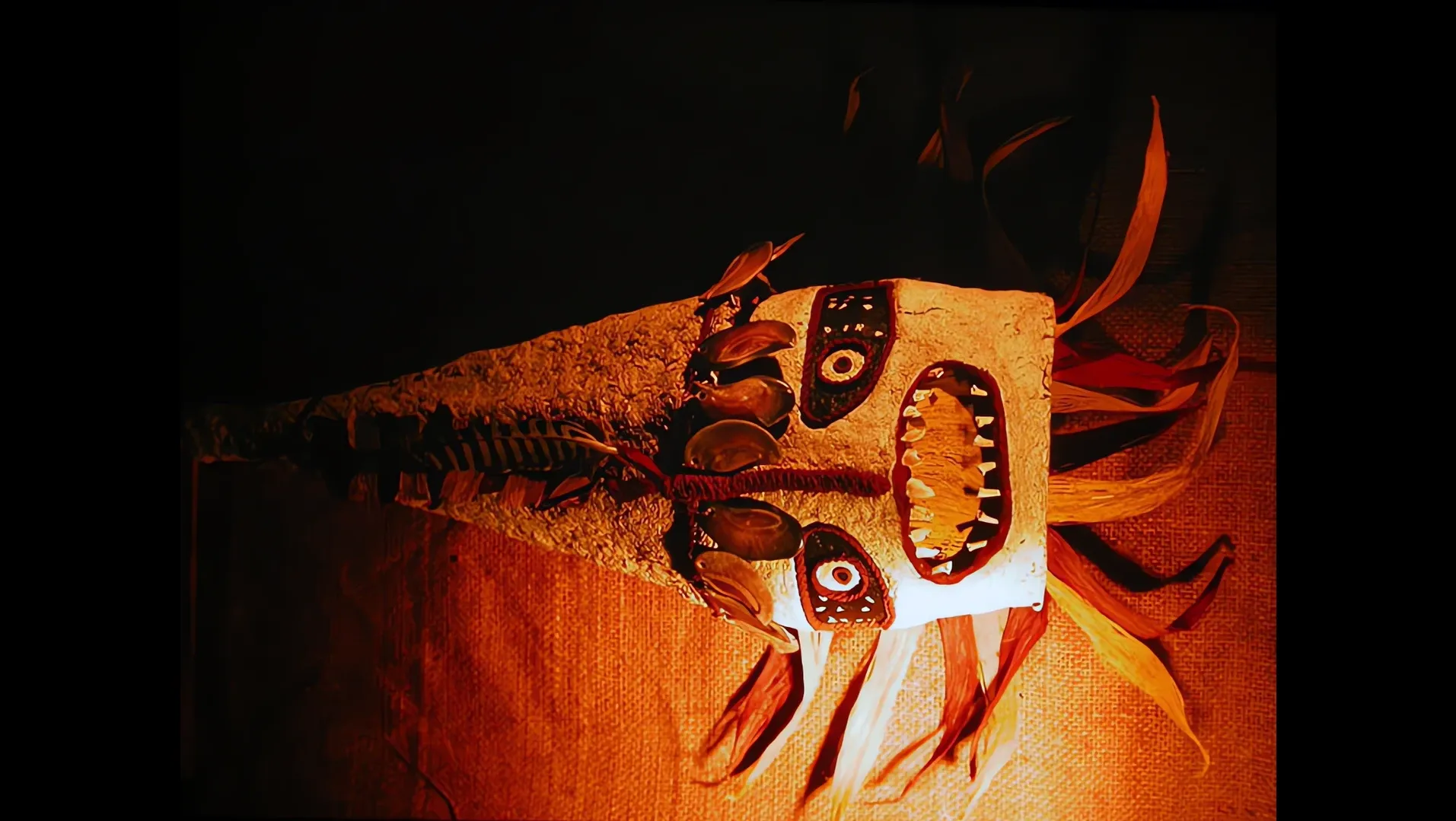
Face it, the objects have lives. From missionary madness to museum piece, the ‘history’ of rainforest peoples goes under the lens. Time to give it back…