
Going to the Dogs

Synopsis
Details
- Year
- 2025
- Type of project
- Features
- Running time
- 95 min
- Format
- Digital
- Director
-
Greg Cruttwell
- Producer
- Greg Cruttwell
- Executive Producer
- Jonny Tull
- Editor
- Peter J Hayes
- Screenwriter
- Greg Cruttwell
- Director of Photography
- Nathan Webber; Cinematographers: Peter J Hayes; Nathan Webber; Michael J Travers
- Sound
- Nic Cosenza
- Composer
- Northern Flowerhouse
- Principal cast
- With contributions from: Rab McNair, Liz McNair, Kevin Hutton, Donna Witchalls, David Titterton, Rosie Tungatt, Chris Hamblin, Richard Dunn, Robert Dunn, Shaun Reynolds, Kevin Boothby, Claudia Penna Rojas, Nathan McGovern
- Music Supervisor
- Angela Penhaligon
Categories
Production Status
Production Company
Park the Bus Ltd
Greg CruttwellCrabapple Cottage
Aldeburgh Road
Aldringham Cum Thorpe
Suffolk
IP16 4QJ
Page updates
This page was last updated on 12th May 2025. Please let us know if we need to make any amendments or request edit access by clicking below.
See also
You may also be interested in other relevant projects in the database.
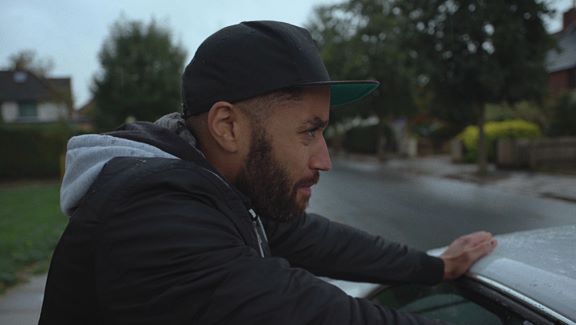 The Football Monologues
Director: Greg Cruttwell
Year: 2020
THE FOOTBALL MONOLOGUES is an absorbing, funny and poignant look at life across the playing fields and terraces. Writer, producer and director Greg Cruttwell's film tells the stories of seven different people living in and around the beautiful game. Amongst our subjects are Kimberly (Emma Amos), a straight-talking, no-nonsense businesswoman; experienced referee Colin (Mark Hadfield), a man in his late 50's and a stickler for the rules and Mark (Samuel Anderson), a professional player who should be in his prime but is feeling the pressure. Each of our subjects talks intimately to the camera, unveiling their innermost hopes and fears and one by one they touch on themes central to us all: the fragility of our mental selves, the failings of our bodies, the complexities of our relationships and ambitions and our need to connect.
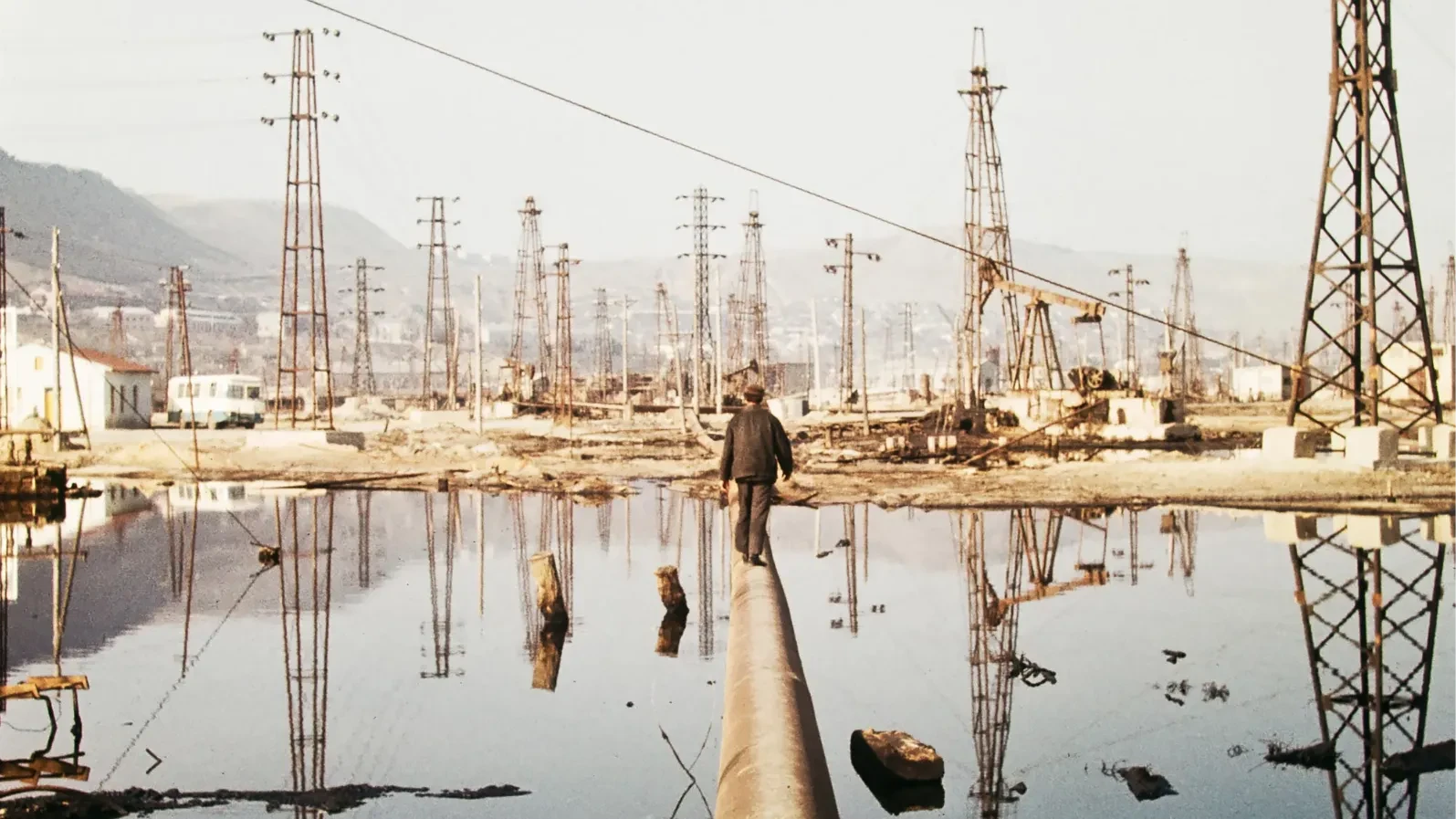 The Contract of the Century
Director: Christina D. Bartson
Year: 2027
An all-archival film which tells the story of the Baku-Tbilisi-Ceyhan pipeline - one of the most ambitious energy projects of the 21st Century - and the scientists, activists, and farmers that came close to stopping it. Part ghost story, part road trip film, the feature documentary examines how the ghosts of the empire haunt the present, as the world burns.
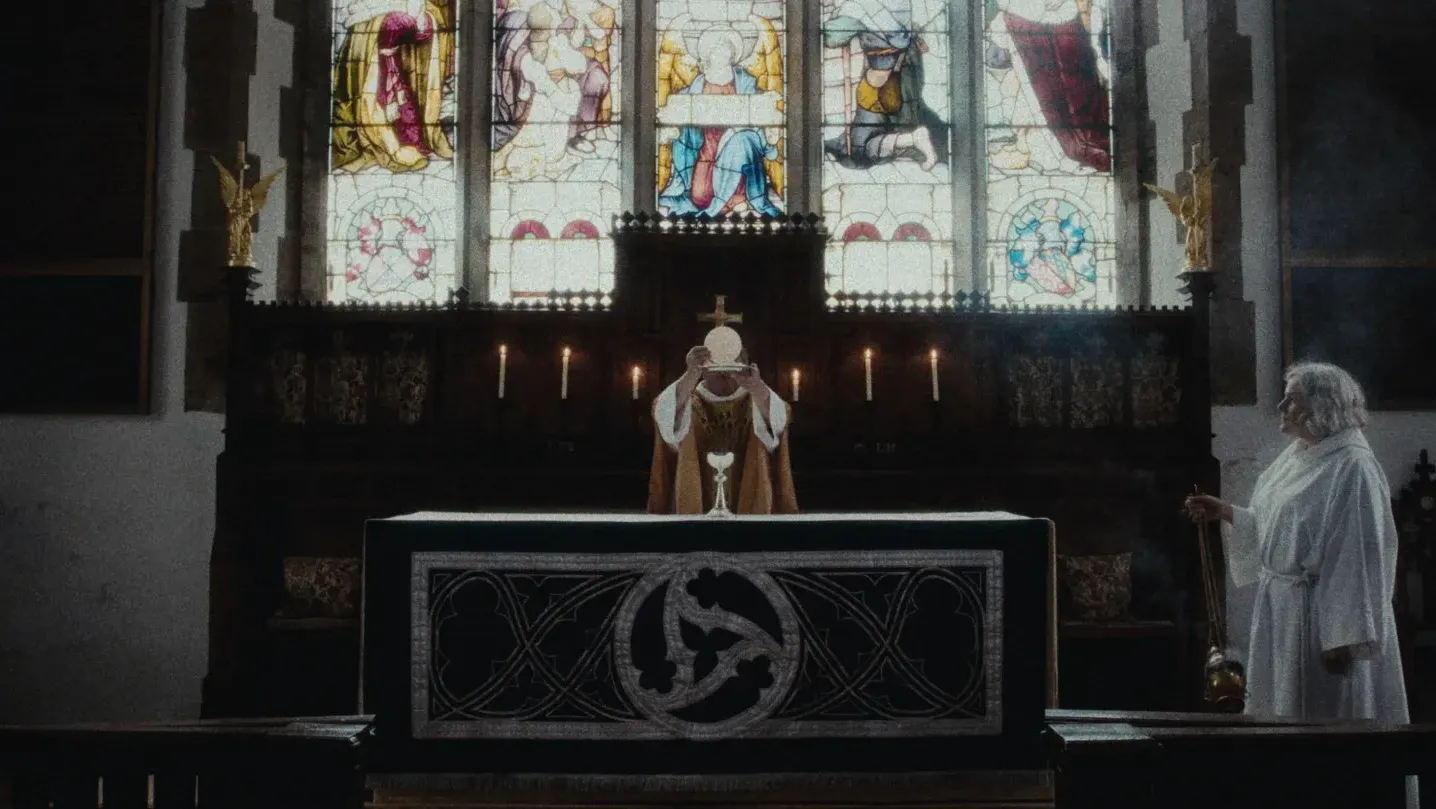 Matter of Britain
Director: Peter Treherne
Year: 2026
MATTER OF BRITAIN was an English country village’s performance of the Holy Grail myth. In that myth, King Arthur’s knights quest for the Holy Grail in order to heal their wasted land. The performance took place over 12 months from 2023 to 2024 in multiple locations across the parish of Mayfield, East Sussex. Over 300 members of the community took part as questing knights, angelic choirs, guiding anchorites and tempting devils. The performance was documented and subsequently made into an ethnographic fantasy that has screened at the Museum of Modern Art, CPH:DOX, Cinéma du Réel and Open City Documentary Film Festival. The work was supported by an Arts Council England Project Grant, the Lund Trust, High Weald AONB, East Sussex Arts Partnership, the University of Reading and the Museum of English Rural Life.