
Iorram (Boat Song)

Synopsis
Archive sound recordings of ghostly voices, stories and songs from the last century are mixed with stunning footage of daily life in the islands today, on land and sea, to create a lyrical and playful dialogue between past and present, and between sound and vision, set to an original score composed and performed by award-winning folk musician Aidan O’Rourke.
IORRAM began as an experiment to make a cinematic film entirely composed from archive sound and contemporary moving images. The sound archive at the heart of this project contains over 30,000 pieces of previously untranslated and largely unheard Scottish Gaelic recordings, representing a treasure trove of cultural history and memories which deserve to be heard.
Making documentaries from archive film footage is a long established practice, but there are also vast riches in sound archives around the world, which are gradually being digitized and restored, and represent a valuable resource for filmmakers interested to explore the relationship between past and present, and between the ears and the eyes. If cinema has historically prioritized vision over sound, IORRAM marks an ambitious effort to redress the balance, and provide audiences with a new and deeply satisfying kind of cinematic experience.
Details
- Year
- 2021
- Type of project
- Features
- Running time
- 96 min
- Format
- 4k digital
- Director
-
Alastair Cole
- Producer
- Adam Dawtrey, Alastair Cole
- Executive Producer
- Mary Bell, Mark Thomas, Margaret Mary Murray
- Editor
- Colin Monie
- Director of Photography
- Alastair Cole
- Composer
- Aidan O'Rourke
Categories
Production Status
Production Company
Bofa Productions and Tongue Tied Films, in association with Creative Scotland and MG Alba
+ 44 (0)7739 954106
Sales Company
n/a
Page updates
This page was last updated on 12th May 2025. Please let us know if we need to make any amendments or request edit access by clicking below.
See also
You may also be interested in other relevant projects in the database.
 Colours of the Alphabet
Director: Alastair Cole
Year: 2016
A beautiful, inspiring and bittersweet story about language and childhood in Africa. Steward, Elizabeth and M’barak are three first time school pupils in rural Zambia who struggle to make sense of an educational system where the language they speak at home is different from the language used in the classroom. Moments of perplexed incomprehension, both comedic and tragic ensue, as the children slowly come to terms with the fact that their tongue is no longer their own. At a time when nearly 40% of the world’s population lack access to education in their own language, this documentary offers an intimate and moving insight into a global phenomenon from the unique perspective of three innocent children.
 Stage
Director: Brett Morgen
Year: 2027
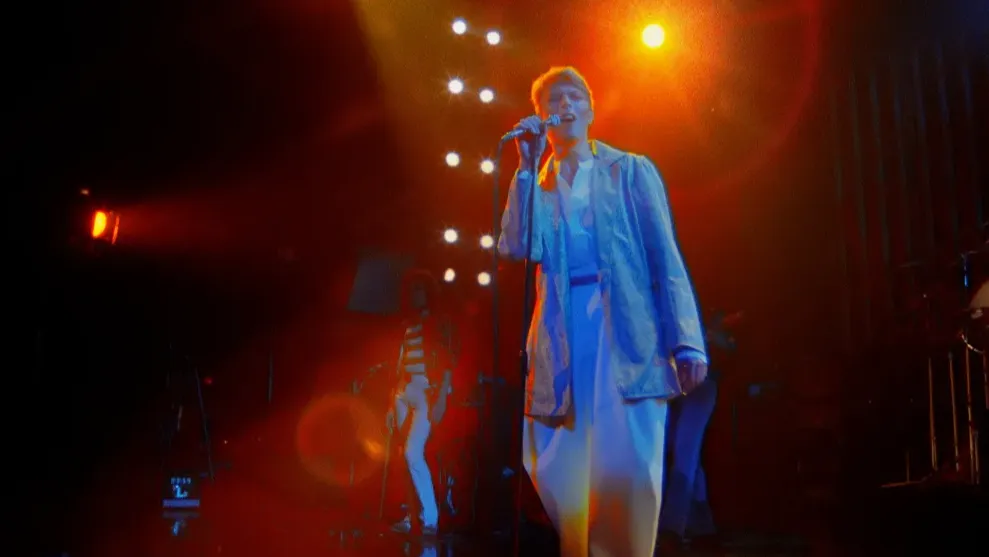
An arena-scale cinematic experience built out of long-lost, remastered 35mm footage originally shot by British director David Hemmings. The film features previously unseen concert footage of David Bowie from his 1978 Isolar II World Tour, in support of his landmark 'Heroes' album. Using a three-screen presentation, transparent LED screens and large-scale projections, it is described as an “immersive and sound light experience”. Official Selection Berlin International Film Festival 2027 - World premiere
 India's Circularity: Not a Trend, But Tradition from Margins
Director: Purva Tavri
Year: 2026
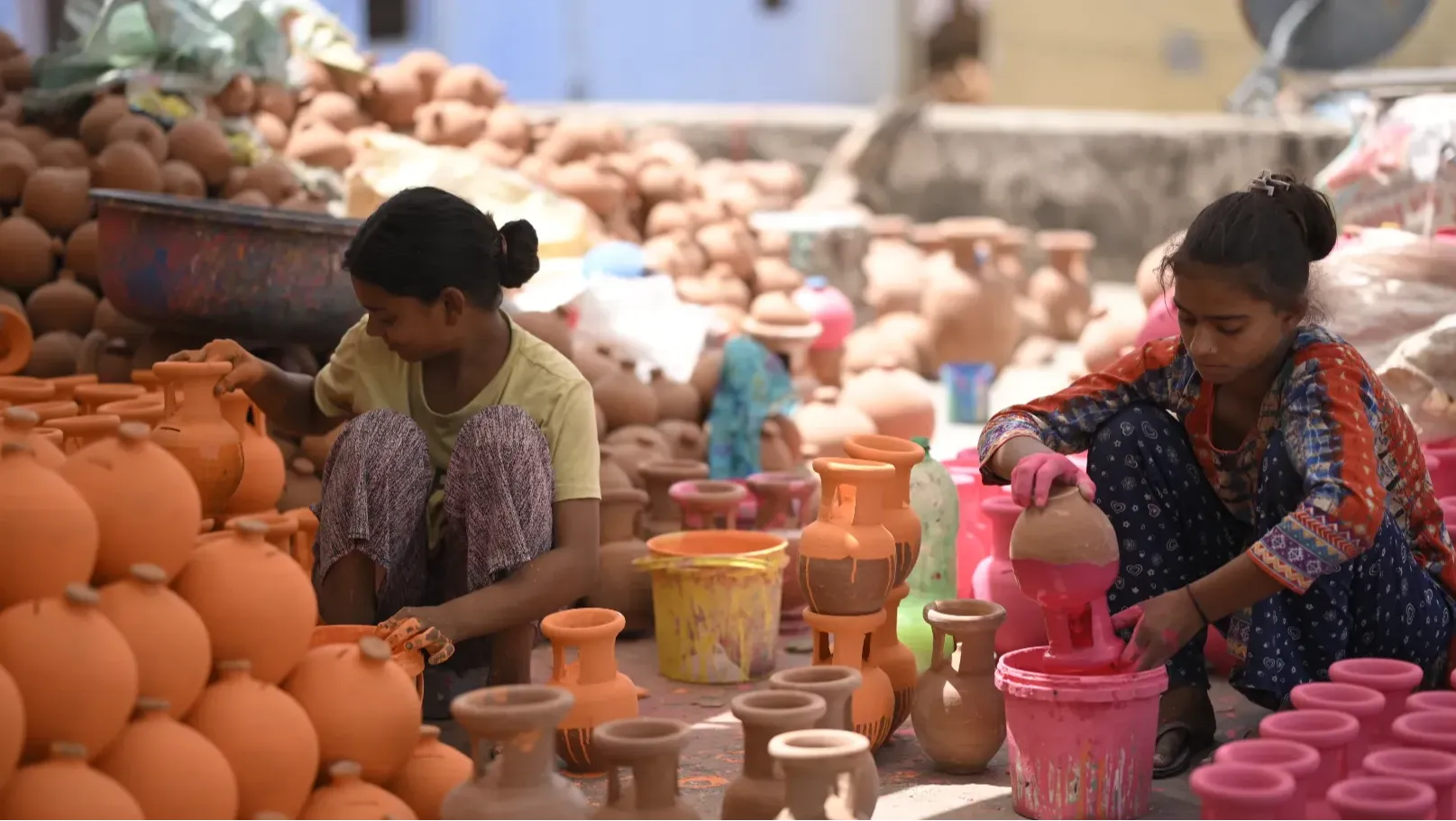
Across India’s overlooked margins, India’s Circularity – Not a Trend, But a Tradition from the Margins reveals how reuse, repair, and regeneration are not innovations - but inherited ways of life rooted in culture, necessity, and care. Featuring voices across sectors - artists, makers, NGO leaders, entrepreneurs, government officials, planners, engineers, institutions, and homemakers - the film journeys through terracotta clusters in Rajasthan, bamboo-timber homes in Sikkim, palm-leaf artisans in Kerala, and community commons in Chhattisgarh. One story is deeply personal: the director’s mother, whose regenerative practices shaped the director’s own circular worldview long before her professional work in sustainability. With poetic narration, immersive visuals, and grounded research, the film reframes circularity as a lived tradition, not a future policy aspiration.