
Londoners
Synopsis
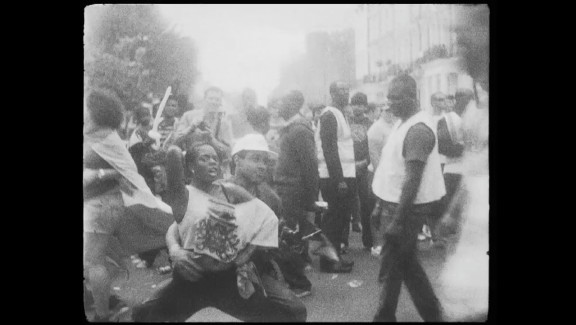
Shot entirely on a 100 year old wooden hand-cranked 35mm camera, 'Londoners' documents modern day London as never seen before: a snapshot of contemporary history about urban life in the UK today.
A Channel 4 co-production, completed in March 2012.
Details
- Year
- 2012
- Type of project
- Shorts
- Running time
- 11 mins
- Format
- 35mm
- Director
-
Joseph Ernst
- Producer
- Gwilym Gwillim
- Editor
- Adam Marshall
- Screenwriter
- Joseph Ernst
- Director of Photography
- Oliver Schofield
- Sound
- Ed Downham
- Composer
- Bat for Lashes (Natasha Khan)
- Principal cast
- N/A
- Production
- Gladis Haralski Ltd
- Co-Production
- Channel 4
Genre
Production Status
Production Company
Gladis Haralski Ltd
27A Cleveland TerraceLondon
W2 6QH
UK
Page updates
This page was last updated on 12th May 2025. Please let us know if we need to make any amendments or request edit access by clicking below.
See also
You may also be interested in other relevant projects in the database.
 Feeder
Director: Joseph Ernst
Year: 2010
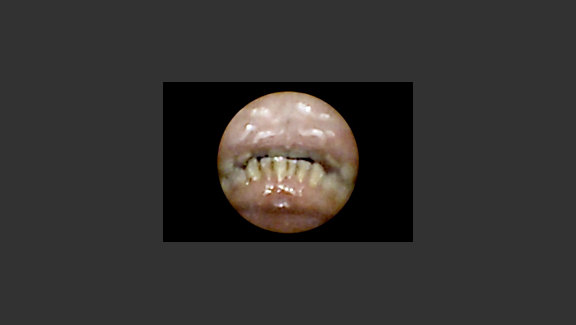
Feeder - A short film that will make you feel sick. We want it. We buy it. We eat it. We swallow it down whole. But what does our body see when we stick it in our mouth? Filmed entirely from inside the mouth, Feeder tells a story, a simple story of excess over the course of a single day, without characters, locations or dialogue.
 Mr. Nobody Against Putin
Director: David Borenstein (director), Pavel Talankin (co-director)
Year: 2025
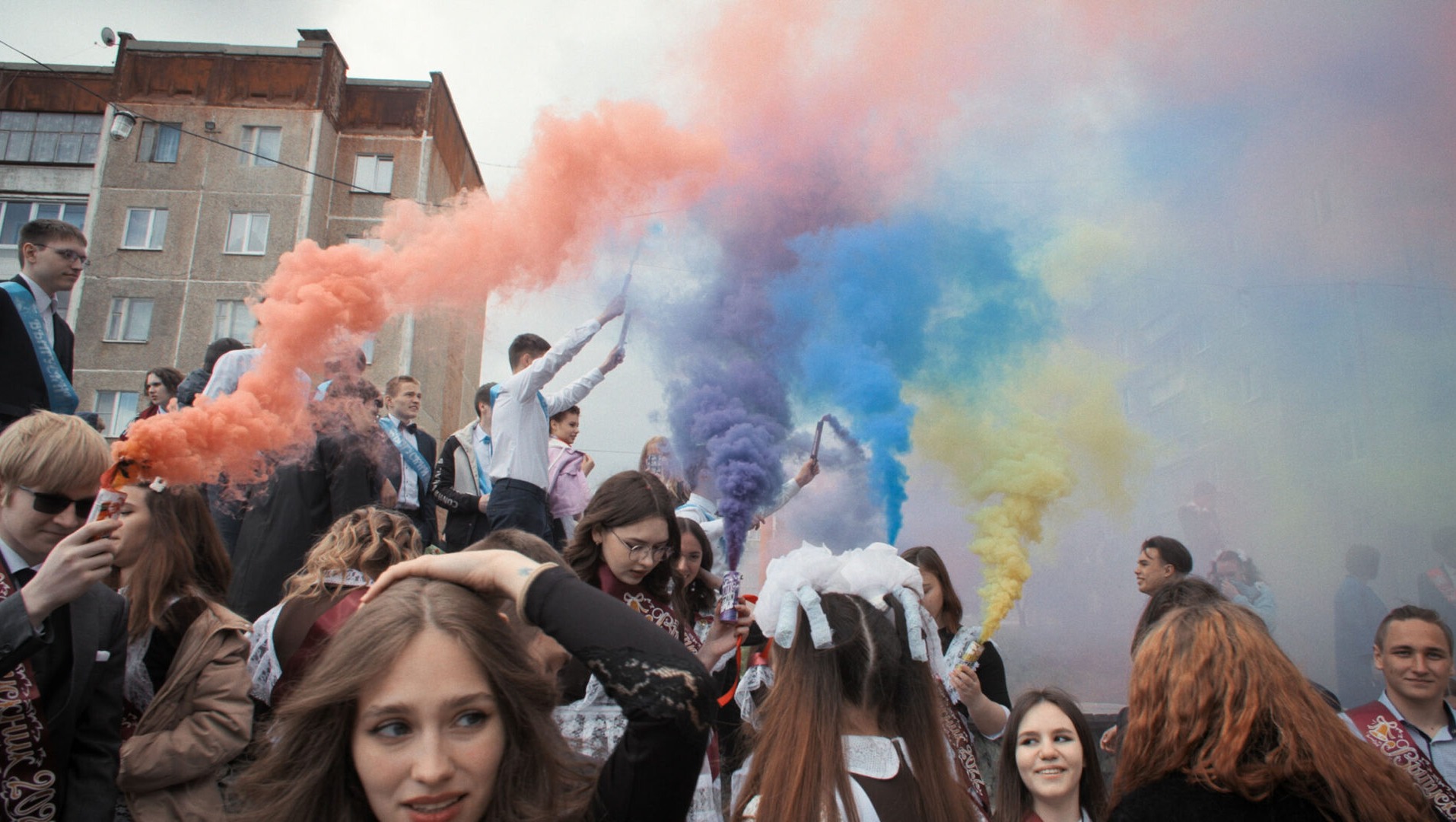
A Russian teacher secretly documents his small town school's transformation into a war recruitment center during the Ukraine invasion, revealing the ethical dilemmas educators face amid propaganda and militarization. Official Selection Sundance Film Festival 2025 - World premiere Official Selection CPH DOX 2025 Official Selection Sheffield DocFest 2025 BAFTA Awards 2026 - Winner - Best Documentary Academy Awards 2026 - Winner - Best Documentary Feature
 A Season in Secret
Director: Matthew Berka
Year: 2027
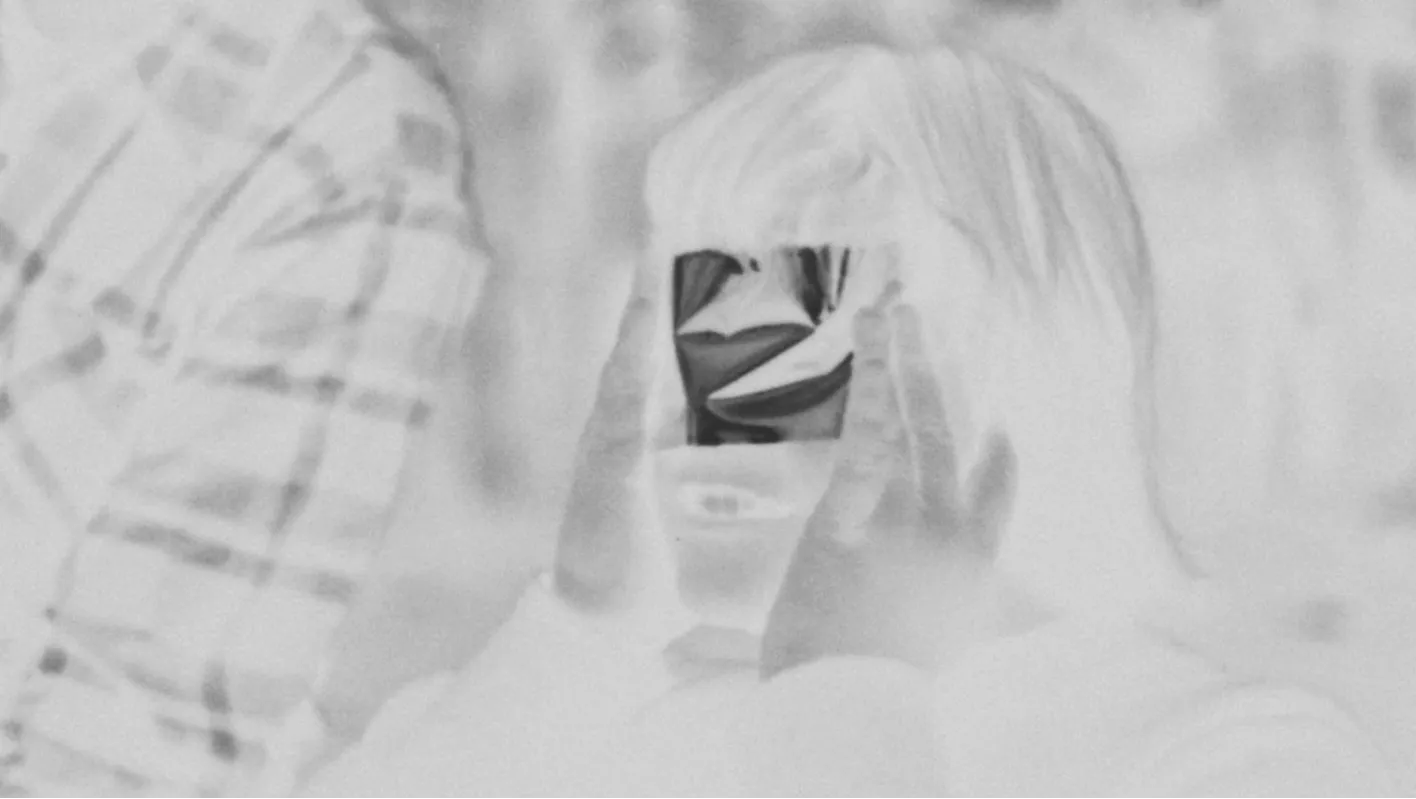
A SEASON IN SECRET brings together material both close at hand and far away. It is a meditation on things glimpsed at a distance and the limits of perception. What lies behind the screen is hidden and may only be hinted at through the language of visible images and sounds. The film takes some of its cues from the Japanese aesthetic concept of Yūgen, described in part by the 15th-century aesthetician Zeami Motokiyo: “...to stand upon the shore and gaze after a boat that disappears behind distant islands.”