
No Door, One Window, Only Light

Synopsis
Centering on an architectural model of the artist's childhood room, the film is entirely shot on super 8mm and accompanied by an immersive recording at the artist's home, as well as original music from London-based experimental group Langham Research Centre. The film draws from archival footage from journalistic report on May 1968, early artist filmmakers' home videos, as well as makes references to late 60s structural cinema that prioritises light and space, as an autonomous site for resistance.
Details
- Year
- 2023
- Type of project
- Shorts
- Running time
- 12 min 25 sec
- Director
-
Chris Zhongtian Yuan
- Producer
- Chris Zhongtian Yuan
- Co-Producer
- Clement Huang
- Editor
- Chris Zhongtian Yuan
- Screenwriter
- Chris Zhongtian Yuan
- Director of Photography
- Chris Zhongtian Yuan
- Production Designer
- Chris Zhongtian Yuan
- Sound
- Huiqi He
- Composer
- Langham Research Centre
Genre
Categories
Production Status
Production Company
Chris Zhongtian Yuan
Page updates
This page was last updated on 12th May 2025. Please let us know if we need to make any amendments or request edit access by clicking below.
See also
You may also be interested in other relevant projects in the database.
 All Trace is Gone, No Clamour for a Kiss
Director: Chris Zhongtian Yuan
Year: 2022
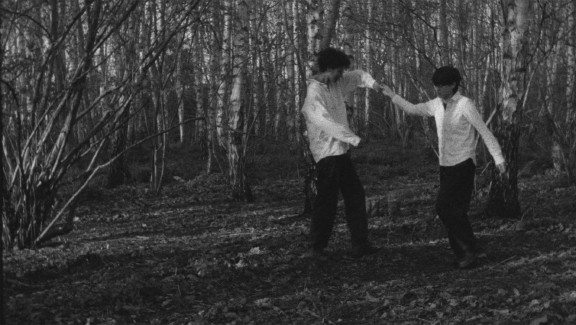
In a nondescript forest, two exiled individuals are about to reincarnate into the next life while striking up an intimate conversation on family legends, collective histories, love tales and folklore. The dialogue between the two characters appears only on screen, as the film is led by a sonic narrative – a score composed for the work by British trumpeter Kevin G. Davy. Juxtaposing analogue film and digital animation, the film collapses notions of time and space. The project explore queerness, migration, and colonial ghosts haunting relations amongst China, West Africa and the Caribbean past and now, drawing from both personal and historical perspectives. Official Selection International Film Festival Rotterdam 2023 - World premiere
 A Spirit, a Deity, a Barbarian? Captive in the Subterranean
Director: Hannan Jones
Year: 2025
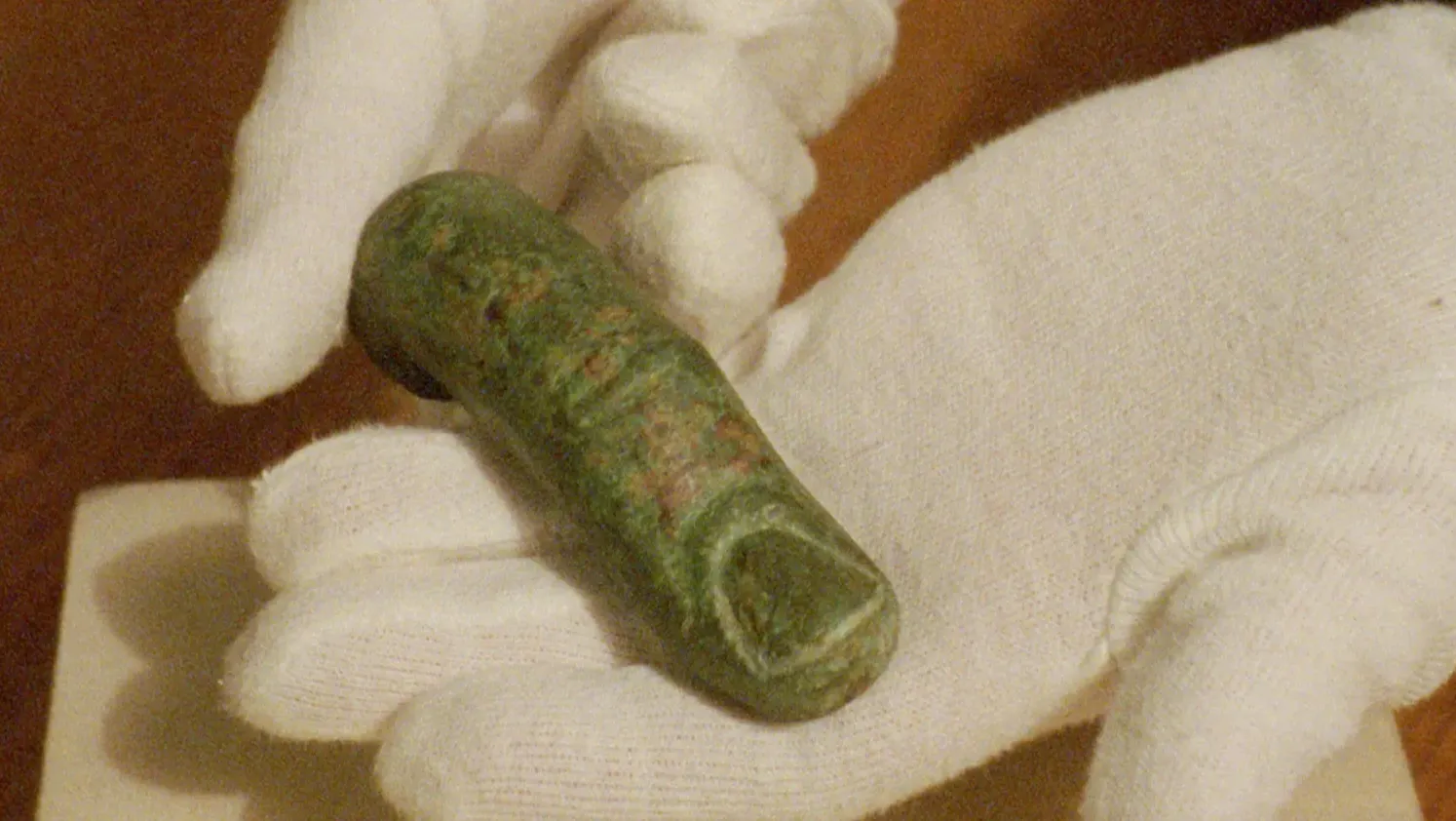
In the subterranean archive of the National Roman Legion Museum, where artefacts and imperial debris trace Britain’s imperial past, the possible first depiction of a Welshmen or “barbarian” becomes a catalyst to unsettle imperial narratives and surface long-suppressed voices.
 The Atlas of Sound
Director: Siobhan Silén
Year: 2027
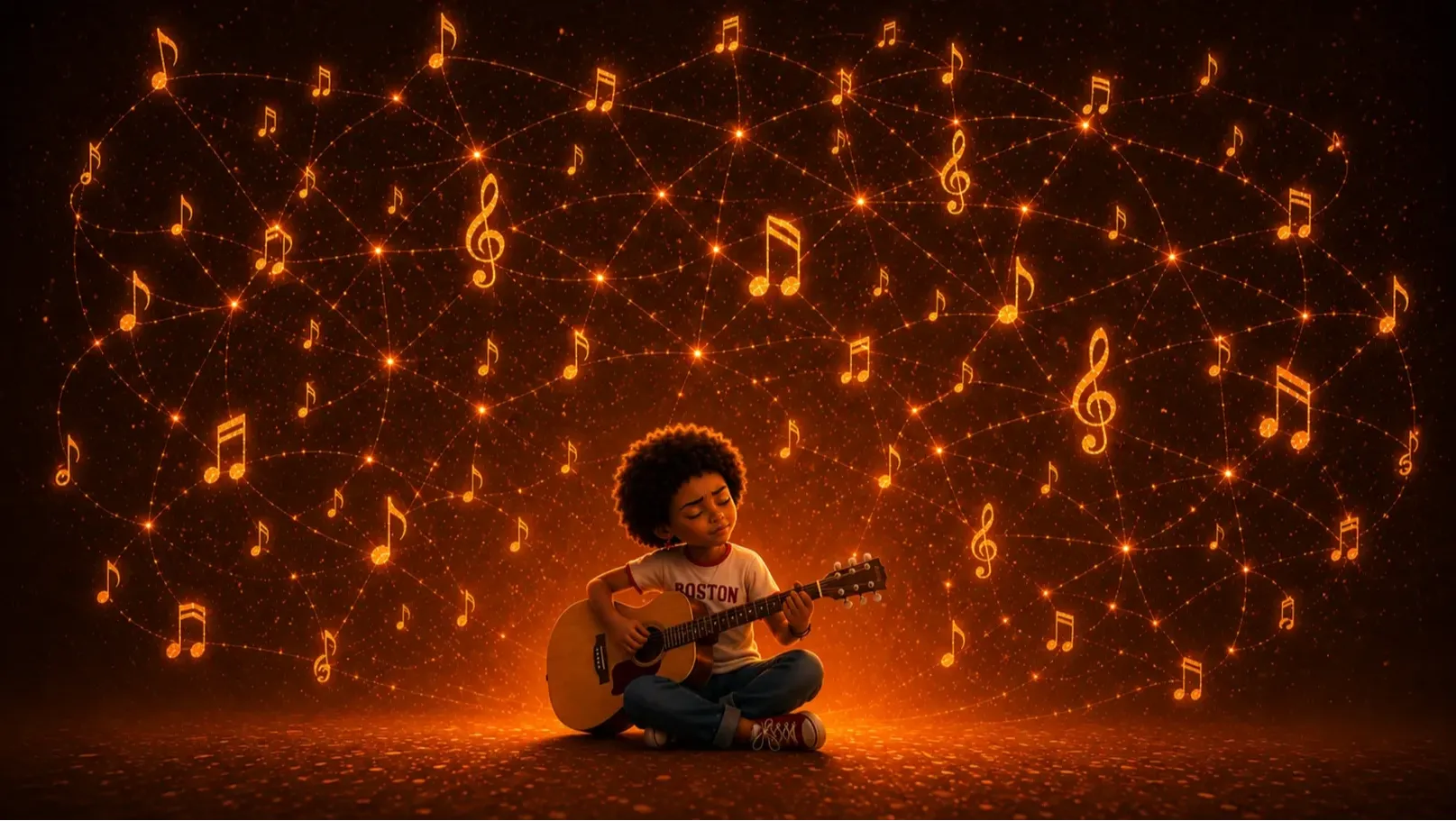
An animated VR short inspired by autistic musician Jen Msumba, who defies a system designed to erase her through synaesthetic music-making. It explores the universal need to be accepted for who we are. Participants journey through Jen’s life, from childhood, when the world feels confusing and “wonky”. Music is her safety and compass. While others read notes on a page, Jen sees visual maps that help her express emotions and navigate uncertainty. As a teenager, Jen’s mother becomes ill and her anxiety overwhelms her. Years of psychiatric institutions and medication leave her sedated, unable to play instruments. Her family sends her to the Judge Rotenberg Center, whose practices will later be described by the United Nations as torture. Over seven years of confinement and painful electric shocks, Jen is taught to believe she is “wrong”. Secretly composing music in her head becomes her refuge. Realising the centre will not support her independence, Jen writes to a judge and wins her freedom. She rediscovers music and invites us into her musical map, where participants touch and transform notes through movement, shifting melodies from classical to punk rock. We end with Jen performing on stage.