
One of Life's Players
Synopsis
One of Life's Players will be reminiscent of films such as Baraka (Ron Fricke, 1992), Koyaanisqatsi (Godfrey Reggio, 1983) and Man with a Movie Camera (Dziga Vertov, 1929), which don't really have a traditional narrative drive. These experimental masterpieces rely on the use of stunning cinematography to allow the audience to create their own story. One of Life's Players portrays images such as an empty room with just a fireplace, and a photograph spattered with blood to depict how life can often take a turn for the worst. Sometimes a lifetime can often feel like the blink of any eye, One of Life's Players depicts this by using images like a young woman's eye, which transforms into an old woman's eye and other similar juxtapositions. Although some of the imagery isn't always blatantly obvious. I'm hoping perhaps One of Life's Players will fuel thoughts about how at times we as a fast moving species tend to take the planet and its abundant fascinations for granted.
Details
- Year
- 2006
- Type of project
- Shorts
- Running time
- 1 min 40 secs
- Format
- Super8, BetaSP, DVD, MPEG2
- Director
-
Daniel G Hughes
- Producer
- Daniel G Hughes
- Editor
- Daniel G Hughes
- Screenwriter
- Daniel G Hughes
- Director of Photography
- Daniel G Hughes
- Sound
- Daniel G Hughes
- Composer
- Dave Swinfen
Genre
Categories
Production Status
Production Company
Page updates
This page was last updated on 12th May 2025. Please let us know if we need to make any amendments or request edit access by clicking below.
See also
You may also be interested in other relevant projects in the database.
 Matutinus
Director: Daniel G Hughes
Year: 2006
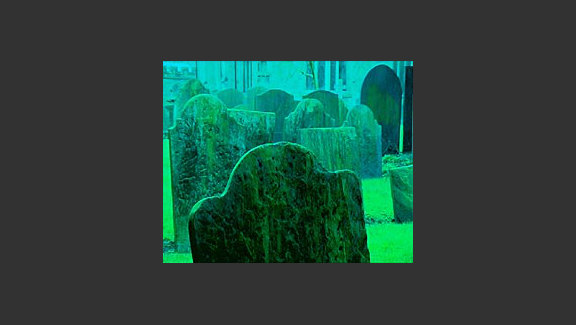
When I was given a college brief to produce a short about an everyday activity in a style of my choice, I was immediately drawn to the beauty of time-lapse photography. I as a visual artist see every morning as an inspiration, be it a bright sunny morning, or dull and misty winter mornings especially with a frost or snow covering. At this time of day, I was intrigued by how many of the early morning activities would be perceived in time-lapse photography. In particular, as for a number of my projects, I was inspired by the works of Ron Fricke (Baraka, 1992) and Godfrey Reggio (Koyaanisqatsi, 1983, both of which are renowned for using this haunting style of cinematography. Matutinus (early in the morning) is an experimental short, which I wrote to depict the start of a day and how it can start off really well and can go onto to turn out bad. Images of people going about their daily business go into the not so 'fluffy bunny' images of graveyards, domestic arguments and civilised madness. At this time of the day the landscape can be transformed into a somewhat mesmerising atmosphere and can in a way it can be the calm before storms ahead. As the day goes on many people experience an uphill struggle, be it at work or at study. Matutinus shows my vision of this through a series of time-lapsed photography and experimental imagery.
 The Lost Princess of Hackney
Director: Fenton Dyer
Year: 2026
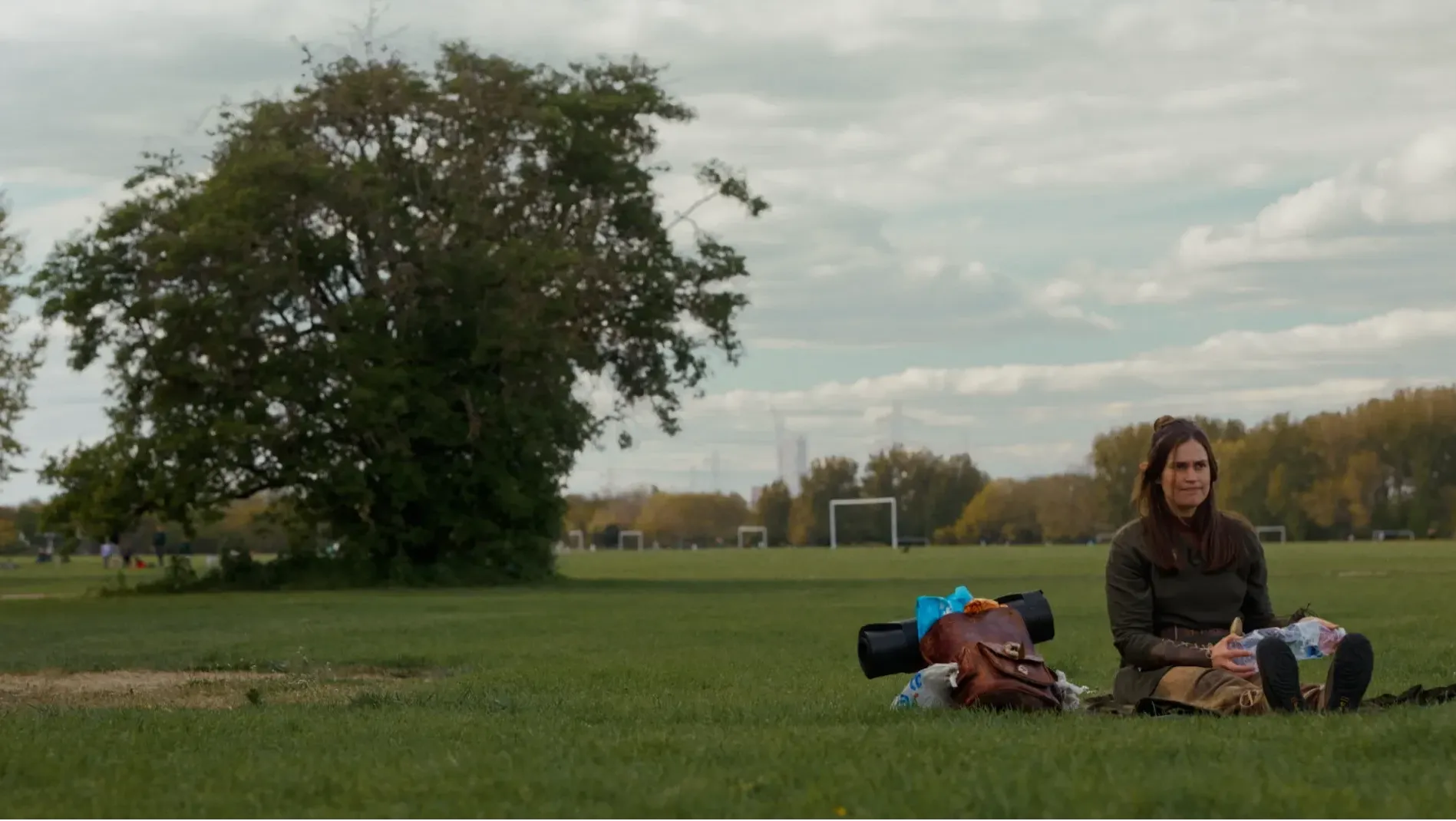
A self-proclaimed Elvish Princess finds herself stranded on our world in the Hackney Marshes. Without any magic to return home, she searches for purpose but develops an unlikely friendship with a sceptical student filmmaker.
 Stop the boats
Director: Aneel Ahmad
Year: 2027
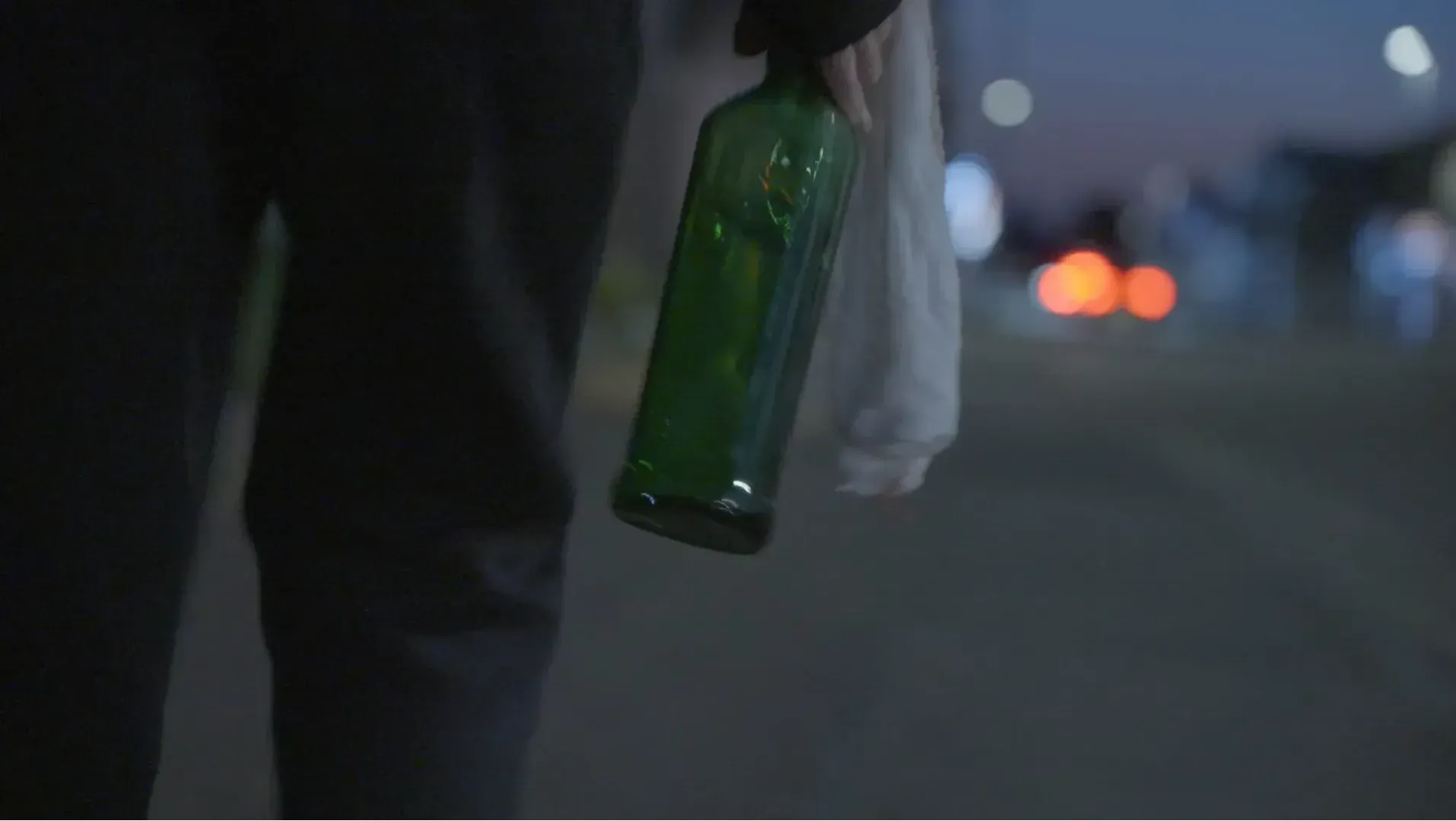
Overwhelmed by grief and anger, a distraught parent arrives at a mosque with a makeshift firebomb, intent on seeking revenge against those believed to be responsible. But as they confront the imam outside the mosque, an unexpected conversation challenges the hatred and begins to unravel the lies fed.