
Part One: Where There Is a Joyous Mood...

Synopsis
In the process of creating this new work, Rosalind Nashashibi questions how a group’s sense of commonality is dissolved when there is an absence of communal experience and adherence to linear time. Through an open-ended discussion of space and time travel in the film, which is in part inspired by the creation and dissolution of group relationships in Ursula Le Guin’s “The Shobies’ Story” (1990), Nashashibi explores new modes of conviviality, considering the absence of the nuclear family structure without an imperative model in sight.
Official Selection Berlinale 2019 - Forum Expanded - International premiere
Details
- Year
- 2019
- Type of project
- Shorts
- Running time
- 24 mins
- Format
- Installation piece
- Director
-
Rosalind Nashashibi
- Producer
- Denna Cartamkhoob
- Editor
- Rosalind Nashashibi, Lucy Harris
- Screenwriter
- Rosalind Nashashibi
- Sound
- Adam Gutch; Sound Design: Philippe Ciompi
- Composer
- Subjective (C Price / J Davidson), Giedrius Puskunigis
- Principal cast
- Liudvikas Buklys, Gintaras Didziapetris, Pauline Manacorda, Pietro Manacorda, Elena Narbutaite
- Colourist
- Jason R Moffat
- Film Title
- Part One - Where There Is a Joyous Mood, There a Comrade Will Appear to Share a Glass of Wine
Genre
Categories
Production Status
Production Company
UK, Poland, Austria, Netherlands co-production
LUX Production
Waterlow Park CentreDartmouth Park Hill
London
N19 5JF
Sales Company
Lux Distribution
Waterlow Park CentreDartmouth Park Hill
London
N19 5JF
Page updates
This page was last updated on 12th May 2025. Please let us know if we need to make any amendments or request edit access by clicking below.
See also
You may also be interested in other relevant projects in the database.
 Flash In The Metropolitan
Director: Rosalind Nashashibi
Year: 2006
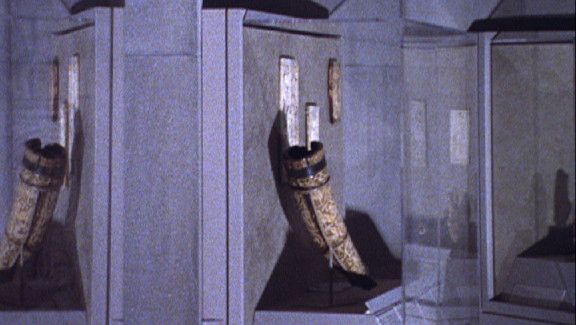
Shot in 2006 in New York's Metropolitan Museum of Art, the film tracks through the Near Eastern, African and Oceanic collections, offering fleeting glimpses of statues, bowls and historical artefacts.
 Matter of Britain
Director: Peter Treherne
Year: 2026
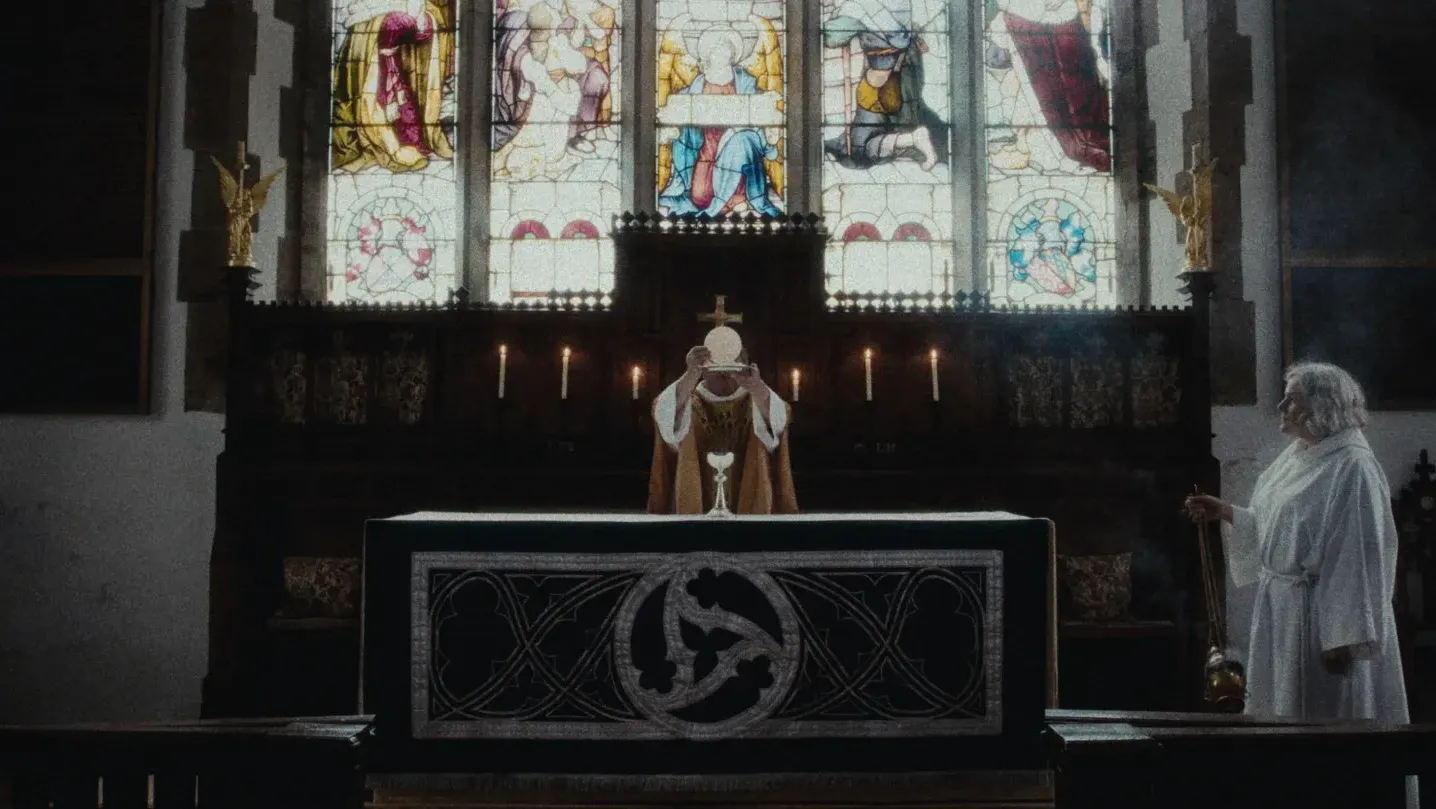
MATTER OF BRITAIN was an English country village’s performance of the Holy Grail myth. In that myth, King Arthur’s knights quest for the Holy Grail in order to heal their wasted land. The performance took place over 12 months from 2023 to 2024 in multiple locations across the parish of Mayfield, East Sussex. Over 300 members of the community took part as questing knights, angelic choirs, guiding anchorites and tempting devils. The performance was documented and subsequently made into an ethnographic fantasy that has screened at the Museum of Modern Art, CPH:DOX, Cinéma du Réel and Open City Documentary Film Festival. The work was supported by an Arts Council England Project Grant, the Lund Trust, High Weald AONB, East Sussex Arts Partnership, the University of Reading and the Museum of English Rural Life.
 Vanishing
Director: Mandy Williams
Year: 2023
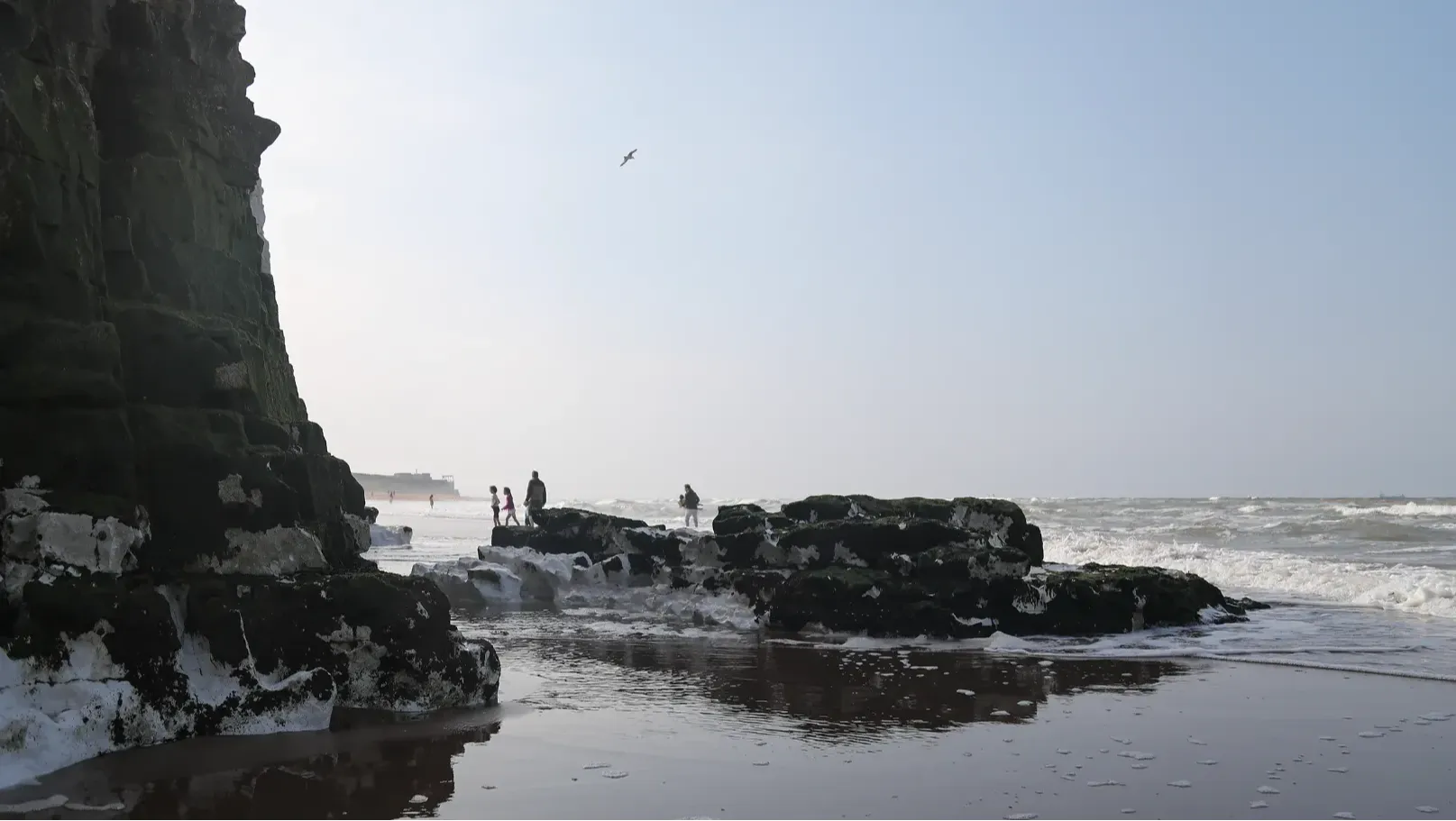
A six-minute experimental film about the climate crisis with a narration arranged in seven sequences. The themes of coastal erosion and rising sea levels emerge and submerge throughout the film, drawing on history as well as possible futures. The video's exploration of coastal erosion and the role of fossil fuels begins from a local south coast perspective, while highlighting the global crisis.