
Shooting With Music

Synopsis
The band was formed on the dawn of independence, and their songs have become anthems of pro-democracy revolutions ever since since. The film charts the band's 30-year history with contributions from a varied group, including Timothy Snyder, Andriy Shevchenko and music producer Ken Nelson, all to tell the story of how 'soft power' can be used as a weapon of self-defence.
Details
- Year
- 2026
- Type of project
- Features
- Running time
- 105 min
- Director
-
Jacqui Morris, David Morris
- Producer
- Archie Kidd, Jane Yatsuta
- Editor
- Pavlo Kovtun
- Composer
- Alex Baranowski
Categories
Production Status
Production Company
Frith Street Films
Jacqui Morris50 Frith Street
London
W1D 4SQ
Page updates
This page was last updated on 2nd June 2026. Please let us know if we need to make any amendments or request edit access by clicking below.
See also
You may also be interested in other relevant projects in the database.
 A Christmas Carol
Director: Jacqui Morris, David Morris
Year: 2020
A reinvention of Charles Dickens’ A Christmas Carol. The radical new take on Dickens’ classic seeks both to exhume the original story’s gritty commentary on social inequality and the corrupting influence of greed, and to breathe new life into the lyricism of the original text by setting its scenes to extraordinary tableaux of modern dance. The opening scenes of the film follow a Victorian family preparing a toy theatre for their annual performance of 'A Christmas Carol'. As the family's grandmother narrates the much-edited story and her grandchildren change the scenery, we enter the imagination of one of the children in the audience and watch as the cardboard stage, and the story with it, transforms into a darkly fantastical otherworld.
 Attacking The Devil: Harold Evans and the Last Nazi War Crime
Director: Jacqui Morris, David Morris
Year: 2014
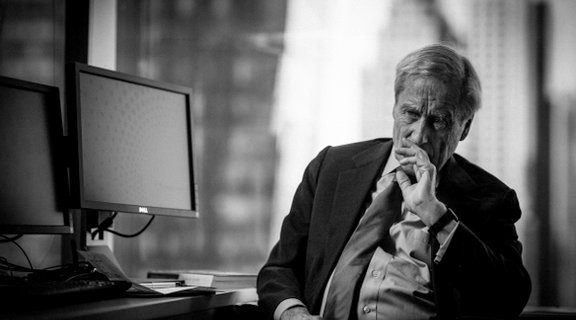
As editor of The Sunday Times for fourteen years, Sir Harold Evans proved to be the right man in the right place at the right time. In an investigative climate all too rare by today's standards, Evans had the freedom and resources to allow teams of journalists to work on long-term projects, including the exposure of Kim Philby as a Soviet spy. Evans' longest and most hard fought campaign was for the victims of Thalidomide. Originally developed by the Germans in World War II to counter effect sarin gas, post-war the drug was blithely prescribed by British doctors as an antidote to morning sickness, unwittingly leading to tens of thousands of children being born with serious defects. The Sunday Times' fight to win compensation for their struggling families would take more than a decade, as Evans tenaciously pursued the drug companies through the English courts and beyond. Sheffield Doc/Fest 2014 - World premiere
 McCullin
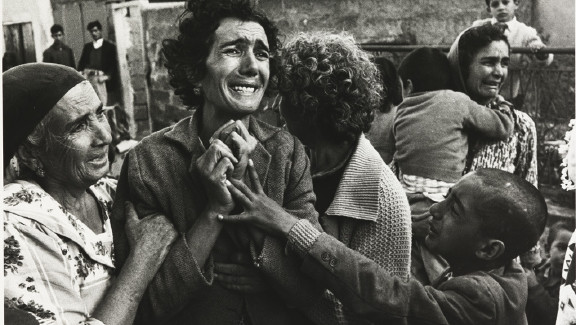
Director: Jacqui Morris, David Morris
Year: 2012
Unprecedented access to the twentieth century's most revered war photographer. Don McCullin worked for The Sunday Times from 1969 to 1984, at a time where, under the editorship of Harold Evans, the newspaper was widely recognized as being at the cutting-edge of world journalism, with Don as its star photographer. During that period he covered wars and humanitarian disasters on virtually every continent and the prominence given to his photo essays coincided with one of the most remarkable periods in the history of photojournalism. With extensive input from Sir Harold Evans, McCullin not only explores Don’s life and work, but also how the ethos of journalism changed during his career. Using the Sunday Times as an example, it compares the strictly ‘hands off’ approach of proprietors like Lord Thompson, who took pride in the fact that he did not want commercial considerations to censor his editors’ from printing what they wanted, to how the newspaper’s independent character changed once it was taken over by Rupert Murdoch, and the pursuit of advertising revenue became paramount, and with it, the inevitable obsessed with fashion, status and celebrity.