
Stooge
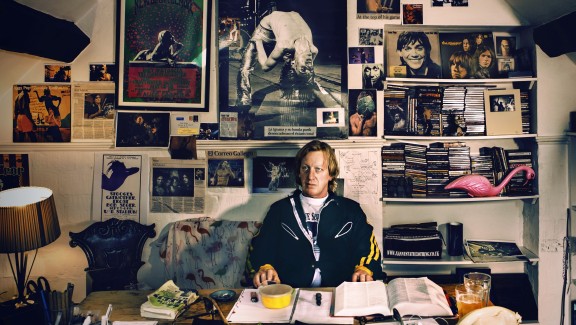
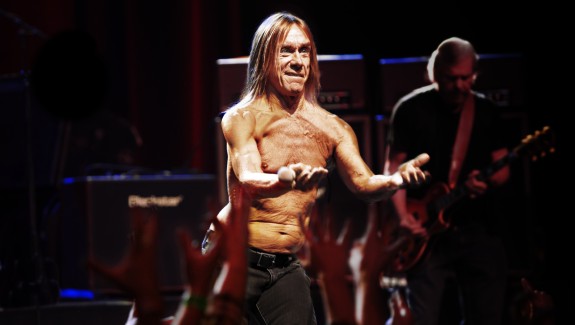
Synopsis
Details
- Year
- 2017
- Type of project
- Features
- Running time
- 73 min
- Format
- Digital
- Director
-
Madeleine Farley
- Producer
- Madeleine Farley, Martin Kloiber, Stephen Smith, Mike Wallington
- Co-Producer
- Robert Pargiter
- Executive Producer
- Claire Best, Gary Warden
- Editor
- Anna Dick
- Director of Photography
- Madeleine Farley
- Sound
- Martin Kloiber
- Composer
- Iggy & The Stooges, Endless Boogie
- Principal cast
- Robert Pargiter, Peter Thellusson, Iggy Pop, Madeleine Farley,
Categories
Production Status
Production Company
Oh Come On Productions
5 Roland GardensLondon SW7 3PE
Page updates
This page was last updated on 12th May 2025. Please let us know if we need to make any amendments or request edit access by clicking below.
See also
You may also be interested in other relevant projects in the database.
 Trollywood
Director: Madeleine Farley
Year: 2004
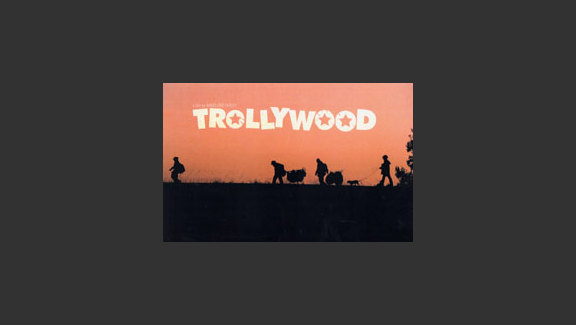
Trollywood initially started out as a collection of still photographs. The director, up and coming UK talent Madeleine Farley, was fascinated by the isuue of homelessness in Los Angeles, a city renowned - or at least in popular conception- for its opulence. As a symbol of material divide, Madeleine decided to focus on the humble shopping carts littered around LA as a central theme- ie. as both consumer tool to some whilst being a portable home to others. Through her time spent photographing the homeless and the numerous conversations that ensued, Madeleine soon realised that there was a vast untapped wealth of personal testimony and that only a documentary could do the subject justice. This view was further cemented when a news story broke about an LA legal case involving the making and profiteering from a video called 'Bumfights' in which homeless people, often under the influence of alcohol, were filmed inflicting harm on themselves. The makers of the film, whilst making in the region of $6m dollars, were let off with 250hrs of community service. Trollywood will focus on interviews with the homeless, Government officials, Charitable foundation workers, Mental health organisations etc. in a moving, well rounded look at a serious issue. More than anything, the programme will aim to be educational and uplifting, presenting homelessness with a human face and also providing an awareness of various remedial organisations. Essentially, Madeleine's intent is to show that amongst great material deprivation there exists a unique culture with its own sense of spiritual wealth.
 The Atlas of Sound
Director: Siobhan Silén
Year: 2027
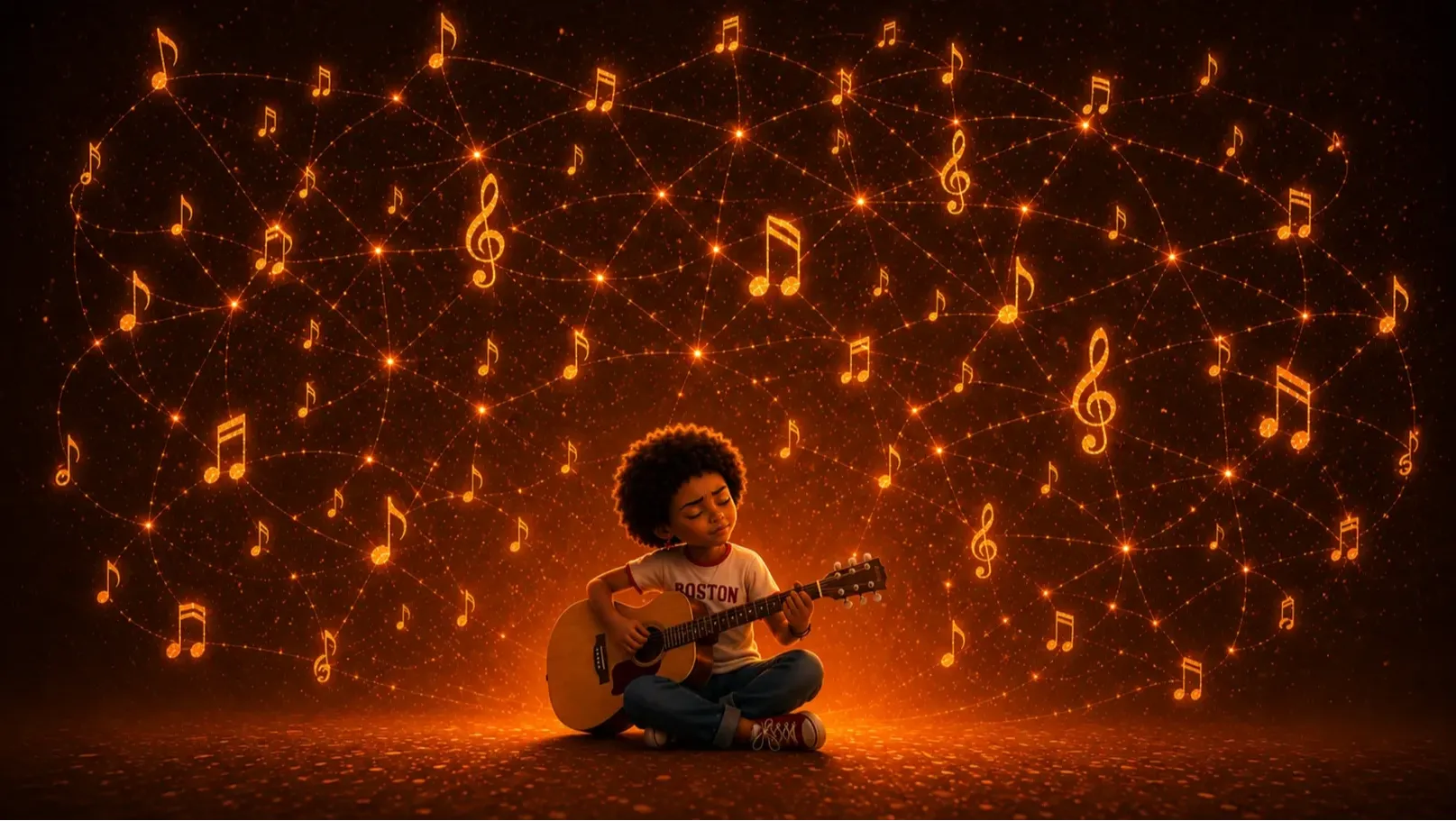
An animated VR short inspired by autistic musician Jen Msumba, who defies a system designed to erase her through synaesthetic music-making. It explores the universal need to be accepted for who we are. Participants journey through Jen’s life, from childhood, when the world feels confusing and “wonky”. Music is her safety and compass. While others read notes on a page, Jen sees visual maps that help her express emotions and navigate uncertainty. As a teenager, Jen’s mother becomes ill and her anxiety overwhelms her. Years of psychiatric institutions and medication leave her sedated, unable to play instruments. Her family sends her to the Judge Rotenberg Center, whose practices will later be described by the United Nations as torture. Over seven years of confinement and painful electric shocks, Jen is taught to believe she is “wrong”. Secretly composing music in her head becomes her refuge. Realising the centre will not support her independence, Jen writes to a judge and wins her freedom. She rediscovers music and invites us into her musical map, where participants touch and transform notes through movement, shifting melodies from classical to punk rock. We end with Jen performing on stage.
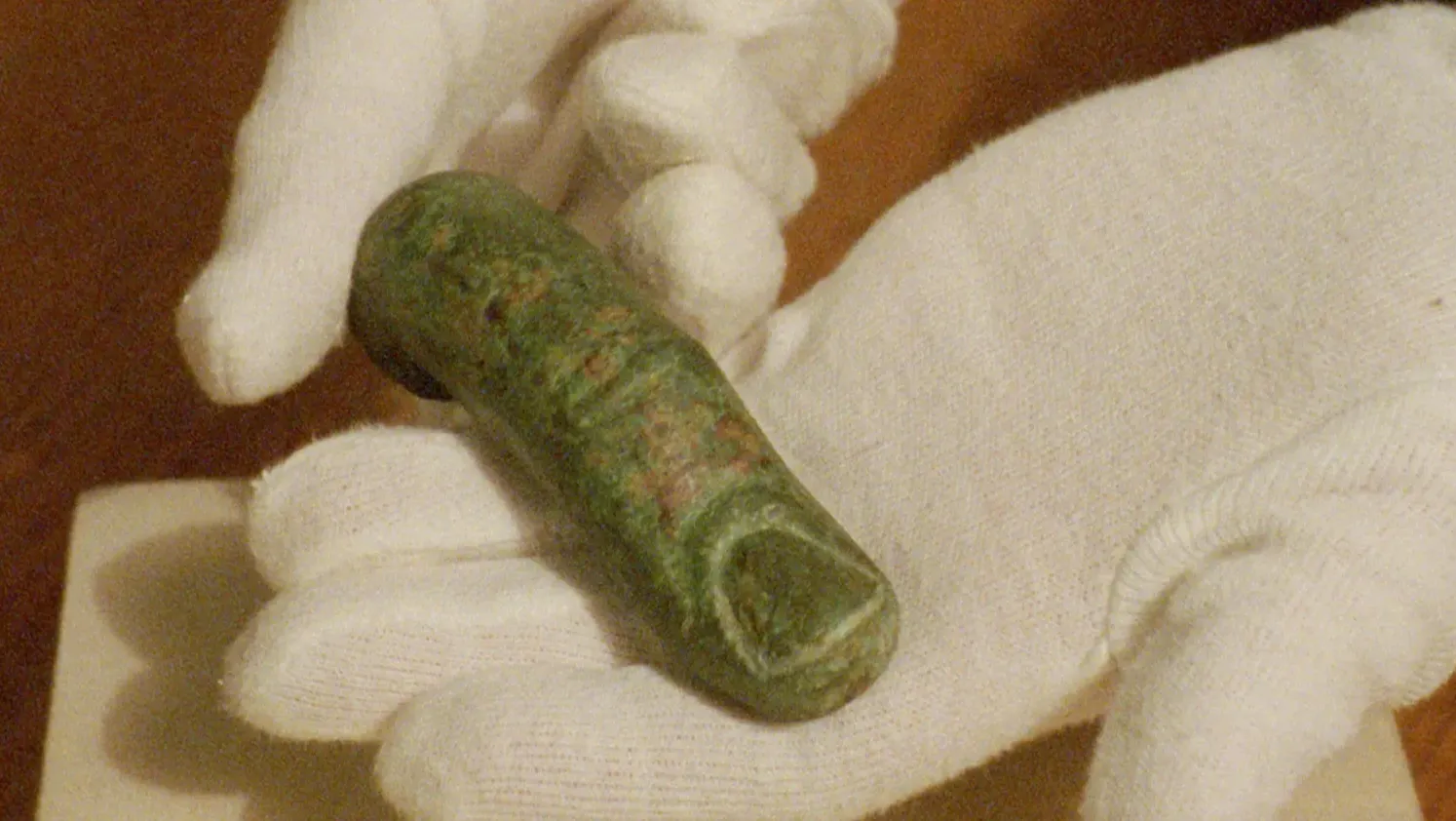 A Spirit, a Deity, a Barbarian? Captive in the Subterranean
Director: Hannan Jones
Year: 2025
In the subterranean archive of the National Roman Legion Museum, where artefacts and imperial debris trace Britain’s imperial past, the possible first depiction of a Welshmen or “barbarian” becomes a catalyst to unsettle imperial narratives and surface long-suppressed voices.